



1. What is a yUSD Wallet?
A yUSD wallet is a digital interface designed to store, manage, and interact with yUSD, a unique yield-bearing stablecoin. yUSD is primarily associated with the Yearn Finance ecosystem. It is designed to maximize returns on stablecoin deposits by automatically allocating funds across various DeFi lending protocols. Users can deposit their stablecoins into yUSD vaults to earn optimized yields, making it a popular choice for passive income generation within the DeFi space. Because yUSD operates on the EVM (Ethereum Virtual Machine) chain, your wallet needs to be fully compatible with ERC-20 token standards and the complex smart contract interactions that define the DeFi landscape.
2. Download Bitget yUSD Wallet
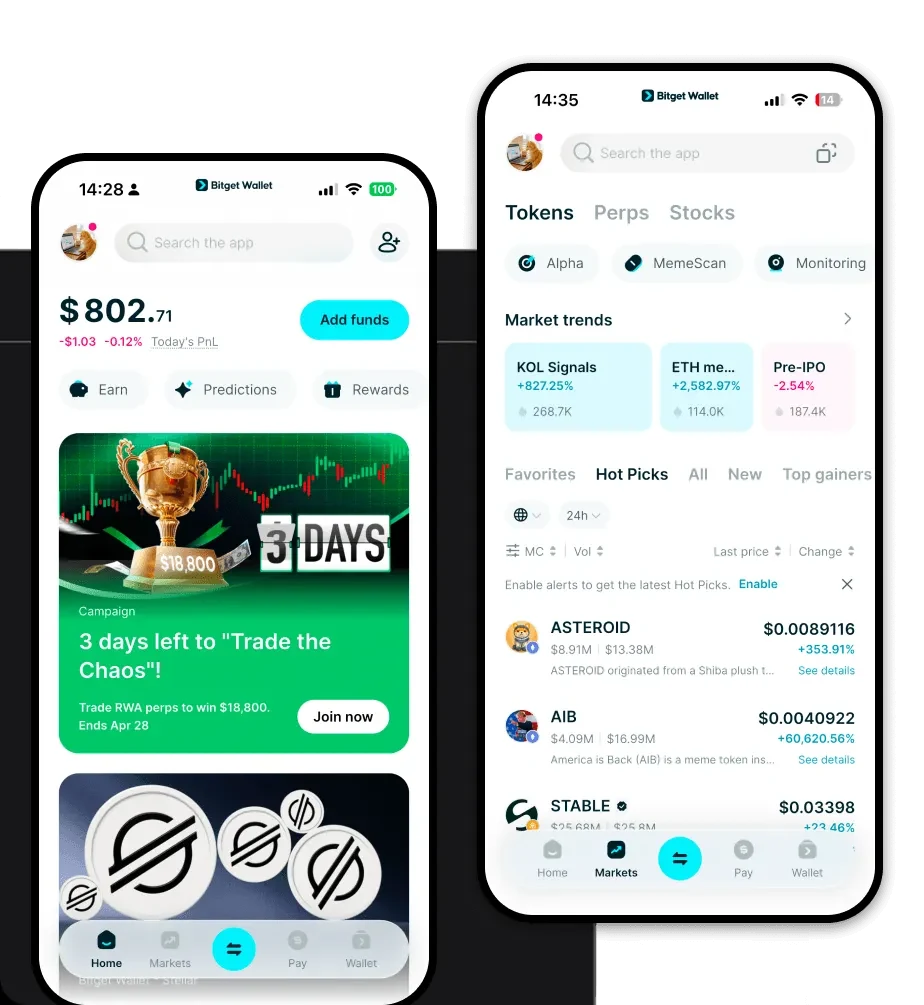
If you are looking for the best wallet for yUSD, Bitget Wallet offers a comprehensive solution that bridges the gap between complex DeFi strategies and user-friendly accessibility. Whether you are an active liquidity provider or a passive income seeker, Bitget Wallet provides a secure environment for your assets. The platform ensures complete user sovereignty through private key self-custody, meaning you remain the sole owner of your funds. You can easily access your portfolio across devices, with full support for iOS, Android, and browser extensions. To get started, you can download Bitget Wallet today to experience seamless multi-chain management.
3. Why Choose Bitget yUSD Wallet?
- EVM Ecosystem Integration: Bitget Wallet offers deep compatibility with EVM-based chains, allowing you to interact with Yearn Finance and other DeFi protocols without compatibility issues.
- Advanced Yield Optimization: The interface is designed to help you track your yUSD vault performance in real-time, simplifying the management of your automated asset allocations.
- Smart Contract Security: With a $300 million user protection fund, Bitget Wallet provides an extra layer of security when interacting with complex DeFi lending protocols.
- Efficient Gas Fee Management: The wallet provides real-time gas fee estimates and optimization, ensuring that your capital efficiency is not eroded by high transaction costs on the Ethereum network.
4. How to Create a yUSD Wallet
Creating a yUSD-compatible wallet is a straightforward process designed to get you into the DeFi ecosystem quickly:
Step 1: Download and install the Bitget Wallet application from the official website or your device's app store.
Step 2: Open the app and select 'Create a New Wallet' to generate a new set of private keys. Ensure you back up your recovery phrase in a secure, offline location.
Step 3: Once your wallet is set up, locate the 'Add Token' feature. Since yUSD is an EVM token, you can search for the token contract address or manually import it to make it visible in your asset dashboard.
Step 4: To fund your wallet, copy your public EVM address. You can then transfer yUSD or base assets like ETH (for gas fees) from an exchange or another wallet to this address.
Step 5: Connect your wallet to the Yearn Finance dApp through the built-in DApp browser in Bitget Wallet to begin depositing into vaults.
5. What Can You Do With a yUSD Wallet?
A yUSD wallet serves as your gateway to the broader DeFi economy. Here are the primary use cases:
- Staking: You can use your wallet to lock your assets into smart contracts, participating in governance or securing protocols to earn rewards.
- Yield Farming: Leverage your yUSD wallet to move assets into various liquidity pools, maximizing your returns through automated yield-bearing strategies.
- Liquidity Provision: By connecting your wallet to decentralized exchanges, you can provide the necessary liquidity for others to trade, earning fees in return.
- Portfolio Diversification: Use your wallet to manage a diverse array of stablecoins and yield-bearing assets, reducing risk across your investment strategy.
- Capital Efficiency Enhancement: Actively manage your holdings to ensure your funds are always working for you, moving them between high-yield vaults with ease.
6. How yUSD Wallets Are Different from Other Crypto Wallets
Unlike standard wallets designed solely for holding assets like Bitcoin, a yUSD wallet must be highly optimized for the EVM environment. Because yUSD operates on EVM-compatible chains, your wallet functions more like a browser for decentralized finance rather than just a storage vault. While non-EVM wallets focus on UTXO (Unspent Transaction Output) models, a yUSD wallet is built around account-based models. This allows for complex smart contract interactions, such as automated asset allocation and cross-protocol liquidity management. Furthermore, the wallet must intelligently handle gas fees, which are essential for every transaction on the Ethereum network. A robust yUSD wallet like Bitget Wallet prioritizes these DeFi-specific needs, ensuring you can execute complex strategies without the latency or interface limitations found in basic, single-chain wallets.
