




What is an RWF Wallet?
An RWF wallet is a digital interface designed to interact with the RWF (Robinhood Wallet Fund) token, which operates on the EVM (Ethereum Virtual Machine) blockchain. RWF (Robinhood Wallet Fund) is an experimental derivative token within the Robinhood ecosystem, created by the community. It aims to support on-chain wallets, facilitate stock token transactions, and provide low-fee exchange scenarios, focusing on building community liquidity and foundational tools for retail investors and liquidity providers. Because RWF is built on EVM architecture, it requires a wallet that is fully compatible with Ethereum-based smart contracts, allowing for seamless integration with decentralized applications and token standards.
Download Bitget RWF Wallet
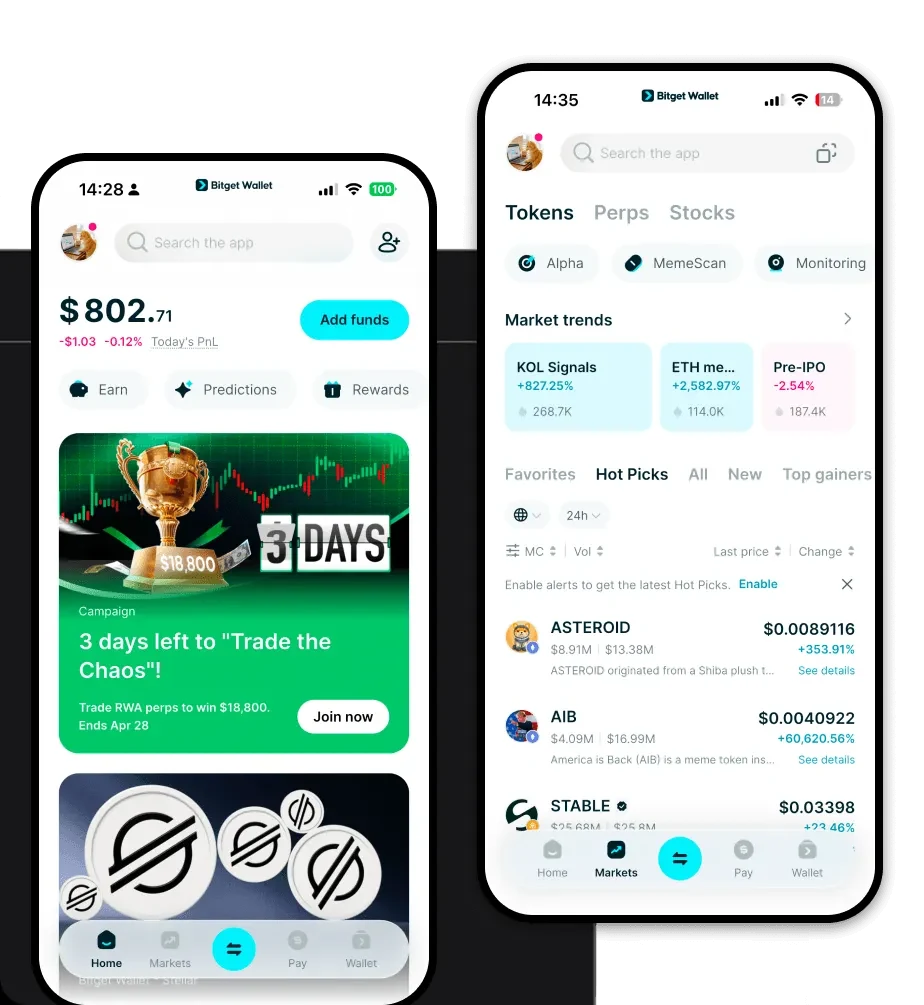
To start managing your assets, you need a reliable gateway. Bitget Wallet stands out as a premier non-custodial solution that gives you full ownership over your private keys. Whether you are on the move or at your desk, the platform offers a seamless experience across iOS, Android, and browser extensions. With support for over 130 blockchains and millions of tokens, it provides the versatility required for an active RWF holder. To get started, you can download Bitget Wallet and instantly gain access to a secure, user-centric environment designed for modern DeFi enthusiasts.
Why Choose Bitget RWF Wallet?
Choosing the right wallet for an EVM-based meme token is critical for performance and security. Here is why Bitget Wallet is the best wallet for RWF:
- EVM Compatibility: As an EVM-native wallet, Bitget ensures flawless interaction with RWF smart contracts, ensuring you never miss out on community-driven liquidity events.
- Retail-Focused Efficiency: The wallet is optimized for low-fee exchange scenarios, helping you maximize your capital when engaging in high-frequency trading or liquidity provisioning.
- User Protection Fund: With a $300 million protection fund, your assets are shielded against unforeseen security risks, providing peace of mind for retail investors.
- Seamless DApp Integration: Connect directly to decentralized exchanges and RWF-related platforms via the built-in DApp browser, eliminating the need to juggle multiple interfaces.
How to Create an RWF Wallet
Setting up your wallet is a straightforward process that takes only a few minutes. Follow these steps to secure your RWF:
- Install: Download the Bitget Wallet application from the official website or your mobile app store.
- Create/Import: Open the app and select 'Create a New Wallet' to generate a new set of private keys, or 'Import' if you already have an existing seed phrase.
- Backup: Carefully write down and store your mnemonic phrase offline. This is the only way to recover your wallet if you lose access to your device.
- Add RWF: Since RWF runs on the EVM, you can simply add it to your token list by searching for its contract address within the 'Manage Tokens' section.
- Verify: Ensure your wallet is set to the correct EVM network (such as Ethereum or BNB Chain) to view your RWF balance accurately.
What Can You Do With an RWF Wallet?
Managing RWF goes beyond simple storage; it involves active participation in the ecosystem. Here is how you can utilize your wallet:
- Trading: Use the built-in DEX aggregator to execute fast, low-slippage trades for RWF against other assets, taking advantage of the wallet’s deep liquidity routes.
- Providing Liquidity: Deposit your RWF into decentralized liquidity pools to earn fees and support the community-driven market depth required for retail growth.
- Community Governance: Participate in token-weighted voting or community discussions if the RWF ecosystem evolves to include DAO-style decision-making mechanisms.
- Token Swaps: Utilize the cross-chain swap feature to instantly exchange RWF for other assets across different EVM chains without needing to move funds to a centralized exchange.
How RWF Wallets Are Different from Other Crypto Wallets
Unlike wallets designed for UTXO-based chains (like Bitcoin), an RWF wallet operates on an account-based model typical of the EVM ecosystem. This means your wallet functions more like a bank account address that stores state, rather than a collection of unspent transaction outputs. While Bitcoin wallets prioritize simple transaction security, your RWF wallet is designed to interact with complex smart contracts. Furthermore, because RWF relies on the EVM infrastructure, you must manage your 'gas fees'—the transaction costs paid to network validators. Bitget Wallet optimizes this by suggesting gas limits, ensuring your transactions are processed quickly and cost-effectively, distinguishing it from wallets that lack advanced network fee management features.
