What is a Romuleus Wallet?
A Romuleus wallet is a specialized digital interface designed to interact with the Romuleus token, which operates on the EVM (Ethereum Virtual Machine) blockchain. Because Romuleus is built on a network compatible with the vast Ethereum ecosystem, it requires a wallet capable of handling standard ERC-20 token interactions, gas fee estimations, and interaction with decentralized applications (dApps). Are you looking for a reliable and secure crypto wallet for your Romuleus? Bitget Wallet will be your best choice. Trusted by 40 million users, you can freely explore Web3 on Bitget Wallet. Start your journey now!
Download Bitget Romuleus Wallet
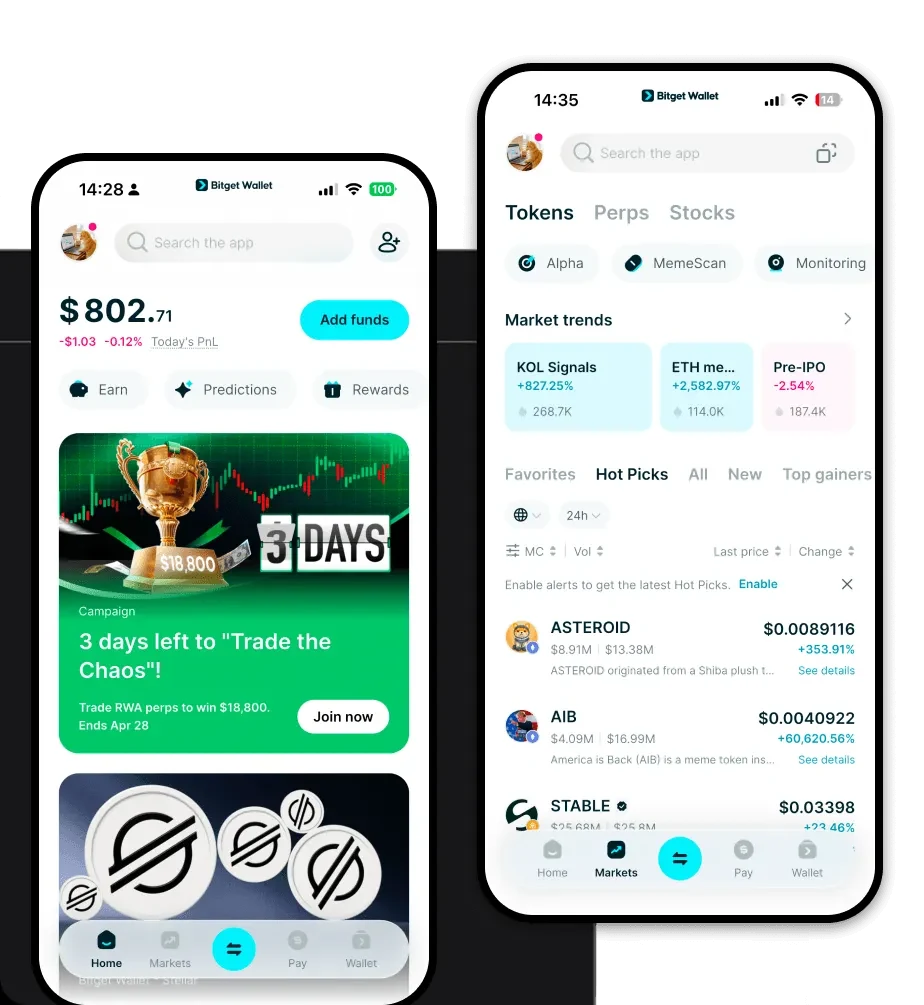
Getting started with your Romuleus assets requires a robust tool that prioritizes user control. To begin, you should download Bitget Wallet, which is available across iOS, Android, and as a browser extension. Unlike custodial exchanges, Bitget Wallet is a non-custodial solution, meaning you hold the private keys to your own assets. It offers seamless multi-chain support, allowing you to manage your Romuleus alongside hundreds of other tokens without switching apps. Whether you are on the move or trading from your desktop, the interface provides a unified experience designed for both newcomers and seasoned DeFi users.
Why Choose Bitget Romuleus Wallet?
When dealing with a high-volatility meme token like Romuleus on the EVM chain, your choice of wallet impacts your trading speed and safety. Here is why Bitget Wallet stands out for Romuleus enthusiasts:
- EVM Compatibility: Designed for the Ethereum Virtual Machine, it ensures smooth interactions with decentralized exchanges (DEXs) where Romuleus is traded, allowing for precise gas fee management.
- High-Speed Aggregation: Bitget Wallet aggregates liquidity from hundreds of DEXs, ensuring you get the best swap rates when trading Romuleus, which is crucial for volatile assets.
- Advanced Security Infrastructure: With a $300 million user protection fund, the wallet provides a safety layer that goes beyond standard software wallets, mitigating risks associated with malicious dApps.
- Community-Centric Features: Given that Romuleus is community-driven, the wallet's integrated social sentiment tracking and dApp browser keep you connected to the pulse of the project.
How to Create a Romuleus Wallet
Setting up your Romuleus wallet is a straightforward process that grants you full ownership of your assets. Follow these steps:
- Install the App: Download Bitget Wallet from the official website or your mobile app store.
- Create a New Wallet: Select 'Create a Wallet' and ensure you back up your 12-word mnemonic seed phrase in a secure, offline location.
- Add Custom Token: Since Romuleus is an EVM token, navigate to the asset list, click 'Add Token', and paste the Romuleus contract address to ensure it appears in your dashboard.
- Secure Your Account: Set a strong PIN or enable biometric authentication (FaceID/Fingerprint) within the app settings for an extra layer of defense.
- Deposit Funds: Copy your wallet address to send Romuleus or the native chain currency (for gas fees) from an exchange or another wallet.
What Can You Do With a Romuleus Wallet?
Managing Romuleus goes beyond simple storage; it involves active participation in the ecosystem. Here is how you can utilize your wallet:
- Trading: You can execute instant swaps for Romuleus on various decentralized exchanges directly through the Bitget Wallet interface.
- Speculative Investment: Use the wallet to track your portfolio performance in real-time as you engage in speculative investment strategies during high-volatility market cycles.
- Community Participation: Connect your wallet to community-governed platforms or snapshot voting portals to exercise your rights within the Romuleus ecosystem.
- Holding for Potential Appreciation: Utilize the non-custodial storage to safely 'HODL' your tokens, keeping them secure in your own possession while waiting for potential price appreciation.
How Romuleus Wallets Are Different from Other Crypto Wallets
When handling Romuleus, the distinction lies in the architectural differences of the blockchain. Unlike Bitcoin wallets that rely on the UTXO (Unspent Transaction Output) model, Romuleus wallets on the EVM utilize an account-based model. This means your wallet functions more like a bank account with a balance, rather than a collection of separate transaction inputs. Furthermore, because Romuleus is an EVM token, your wallet must be optimized for 'gas fees'—the dynamic cost paid to network validators to process your transactions. While other wallets might struggle with network congestion, Bitget Wallet optimizes these gas estimations to ensure your trades go through during high-demand periods, providing a significant advantage over generic, non-specialized crypto wallets.