





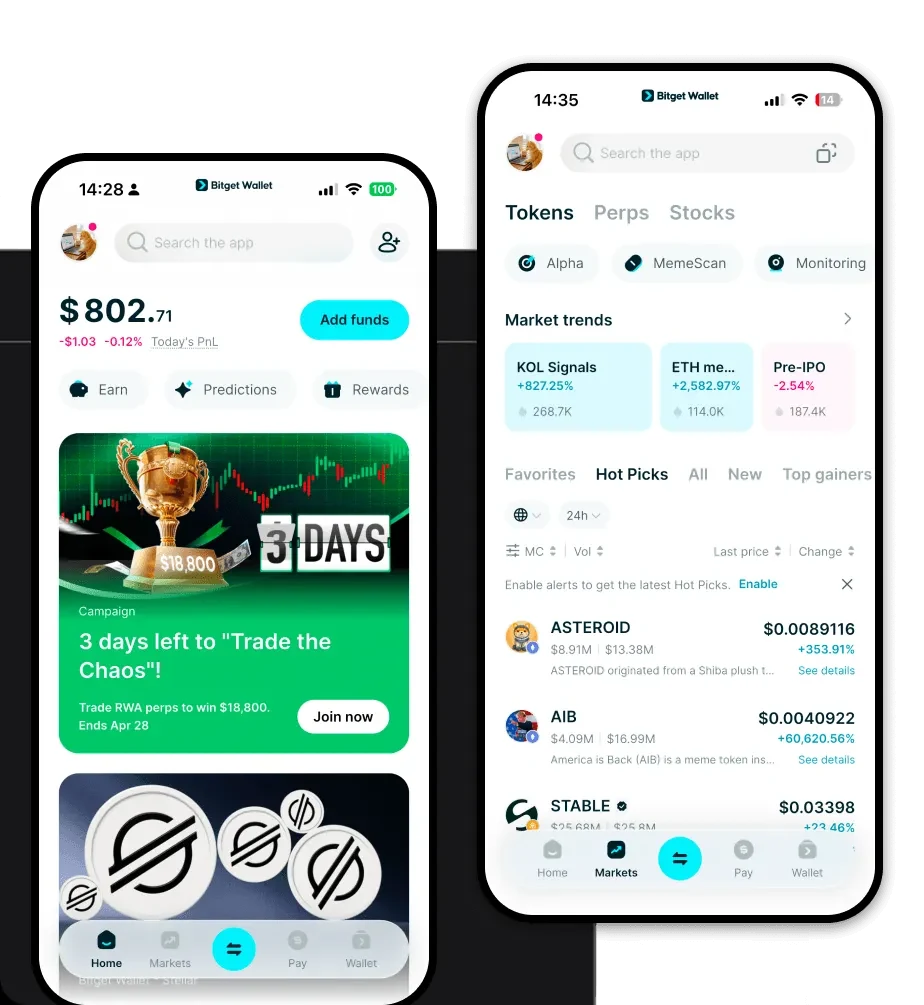
What is an SMC Wallet?
An SMC wallet is a specialized digital interface designed to interact with the SMC cryptocurrency asset. As an asset often associated with the Bitget Wallet ecosystem, SMC requires a robust and secure environment where users can safely store, manage, and trade their tokens. Because SMC operates on the EVM (Ethereum Virtual Machine) chain, it benefits from the vast interoperability and standardized protocols that define the Ethereum-compatible landscape. Bitget Wallet, trusted by 40 million users for exploring Web3 services, serves as the ideal gateway for this asset, providing a seamless bridge between your private keys and the decentralized finance (DeFi) world.
Download Bitget SMC Wallet
To start your journey with SMC, you need a reliable, non-custodial application that puts you in full control of your assets. Bitget Wallet provides a comprehensive solution that supports cross-chain interoperability and deep integration with the EVM ecosystem. Whether you are on the move or at your desk, you can easily access your SMC assets through the mobile app for iOS and Android, or via the browser extension for desktop convenience. You can download Bitget Wallet today to experience true self-custody, where you hold your private keys and maintain absolute authority over your funds without relying on centralized intermediaries.
Why Choose Bitget SMC Wallet?
- EVM Compatibility: As an Infrastructure-focused asset, SMC thrives on EVM-compatible chains. Bitget Wallet offers native support for all Ethereum-based tokens, ensuring you can interact with smart contracts and DeFi protocols without technical friction.
- Advanced Security Infrastructure: With a dedicated 300 million USD user protection fund, Bitget Wallet adds a crucial layer of defense for your SMC assets, combining decentralized security with institutional-grade protection.
- Seamless Cross-Chain Interoperability: Effortlessly bridge and swap SMC across different EVM chains, eliminating the complexity typically associated with manual cross-chain transfers.
- Integrated Decentralized Experience: The wallet features a built-in DApp browser, allowing you to engage with decentralized infrastructure projects directly without leaving the secure confines of your wallet interface.
How to Create an SMC Wallet
- Install the App: Visit the official Bitget Wallet website and download the application for your preferred device (iOS, Android, or Browser Extension).
- Create a New Wallet: Open the app and select 'Create a New Wallet'. You will be prompted to set a strong, unique password to encrypt your local wallet data.
- Back Up Your Seed Phrase: This is the most critical step. Write down your 12-word recovery phrase on paper and store it in a secure, offline location. Never share this with anyone.
- Verify Account Setup: Confirm your recovery phrase within the app to ensure your backup is accurate.
- Add SMC Token: Once your wallet is active, navigate to the 'Add Token' section, search for the SMC contract address on the EVM chain, and add it to your dashboard to view your balance.
What Can You Do With an SMC Wallet?
Owning an SMC wallet opens up a world of possibilities within the crypto infrastructure space. You can engage in trading by using the built-in DEX aggregator to swap SMC for other EVM-based assets at the best market rates. For those holding long-term, the wallet provides secure asset storage, acting as a personal vault where you maintain total ownership of your private keys. You can also perform cross-chain transfers, moving your SMC tokens seamlessly between different EVM networks to take advantage of varying liquidity pools. Furthermore, the wallet enables deep Web3 dApp interaction, allowing you to connect your wallet to decentralized protocols, governance platforms, and infrastructure services with just a few clicks.
How SMC Wallets Are Different from Other Crypto Wallets
Unlike wallets designed for UTXO-based chains (like Bitcoin), which focus on individual transaction outputs and specific unspent change, an SMC wallet utilizes the account-based model inherent to the EVM. This means your balance is tracked as a state variable tied to your public address, facilitating more complex interactions with smart contracts. While UTXO wallets are built for simple value transfer and high-security cold storage, an SMC wallet is built for high-frequency interaction. It manages the complexities of gas fees—the transaction costs paid to miners or validators—to ensure your trades are prioritized correctly. By using Bitget Wallet, you benefit from a sophisticated UI that hides the technical backend of EVM resource management, making it feel intuitive compared to older, clunky wallet solutions.
