





What is a ponsv2 Wallet?
A ponsv2 wallet is a digital interface designed to interact with the ponsv2 ecosystem, a derivative token issuance launch platform built on the EVM (Ethereum Virtual Machine). Because ponsv2 is deeply integrated with decentralized finance (DeFi) protocols, your wallet serves as your gateway to on-chain participation.
As defined by its core architecture: PonsV2 is a derivative token issuance launch platform based on Pons, allowing users to initiate tokens directly from their wallets and configure the usage of transaction fees upon launch (locked liquidity, buyback and burn, staking rewards, or ETH distribution to holders). The contract operates automatically based on set parameters, with a focus on programmable and sustainable on-chain incentive mechanisms.
Since ponsv2 operates on the EVM, it relies on smart contracts that require a wallet capable of handling complex interactions, such as approving token permissions and managing gas fees effectively. Using the right tool ensures you can execute these programmable mechanisms without friction.
Download Bitget ponsv2 Wallet
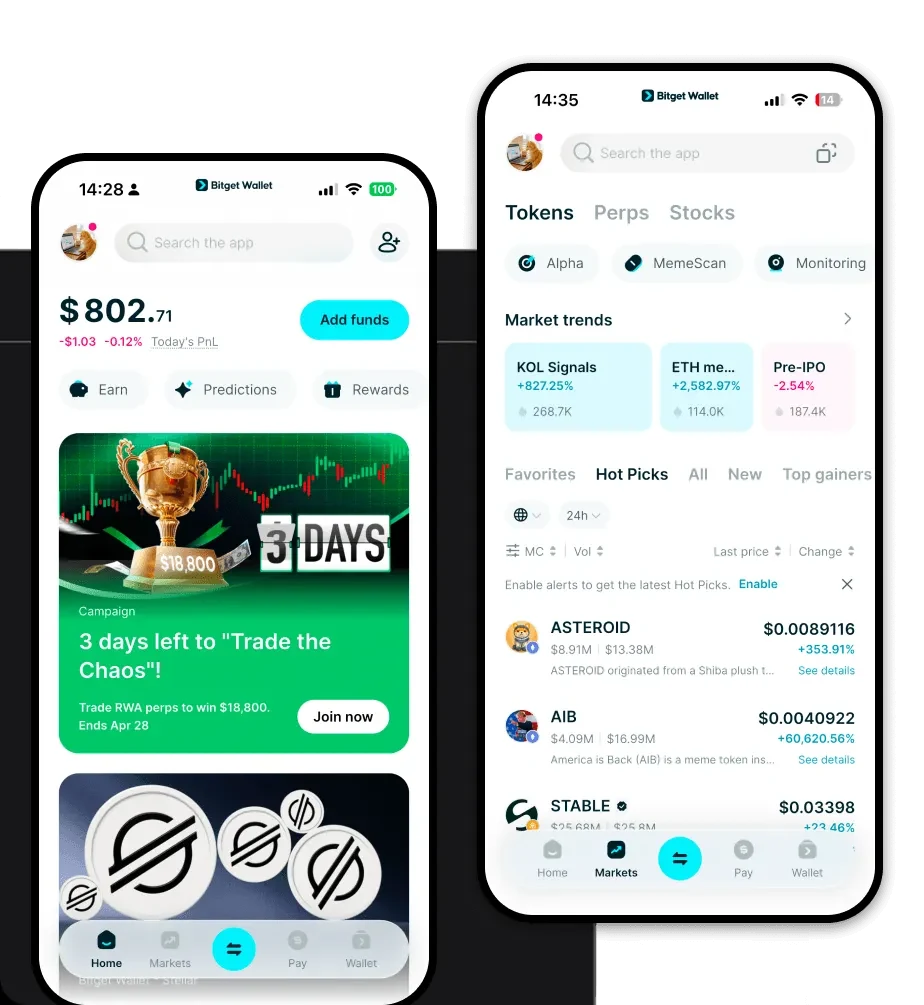
To engage with the ponsv2 ecosystem effectively, you need a tool that balances user-friendly design with advanced on-chain capabilities. The ponsv2 wallet app of choice for many power users is Bitget Wallet. It offers a self-custodial experience, meaning you retain complete control over your private keys and seed phrases.
Bitget Wallet provides a comprehensive, multi-chain experience, making it an excellent best wallet for ponsv2. Whether you are on iOS, Android, or using a desktop browser extension, the interface remains consistent and secure. To get started, you can download Bitget Wallet directly from their official site. By choosing this wallet, you gain access to a platform that supports over 130 public chains, ensuring that even if your ponsv2 activities expand to other EVM-compatible networks, your assets remain in one unified, secure location.
Why Choose Bitget ponsv2 Wallet?
When dealing with DeFi tokens like ponsv2, the wallet you choose dictates your efficiency in managing complex smart contract interactions. Here is why Bitget Wallet stands out for the EVM ecosystem:
- Native EVM Compatibility: Bitget Wallet is optimized for the Ethereum Virtual Machine, ensuring that all ponsv2 token launches and fee configurations are processed with minimal latency and correct gas estimation.
- Advanced DApp Browser: It features an integrated DApp browser, allowing you to access the ponsv2 launch platform directly without switching apps, which is crucial for time-sensitive token launches.
- Robust Security Fund: With a $300 million user protection fund, Bitget Wallet adds a layer of institutional-grade security to your DeFi activities, protecting you against common vulnerabilities.
- Smart Liquidity Management: The wallet aggregates hundreds of DEXs and cross-chain bridges, ensuring that when you manage your ponsv2 liquidity, you get the best possible execution price.
- Privacy & Self-Custody: You hold your own private keys, ensuring that your participation in programmable tokenomics remains private and decentralized.
How to Create a ponsv2 Wallet
Setting up your access to the ponsv2 ecosystem is straightforward. Follow these steps to generate your ponsv2 wallet address:
Step 1: Download the Bitget Wallet app from the official website or your mobile app store.Step 2: Open the app and select 'Create a Wallet'. You will be asked to set a strong password to secure the application locally.Step 3: Back up your mnemonic phrase. This is the most critical step; write it down and store it offline. Never share this with anyone.Step 4: Once the wallet is created, you will see your default EVM wallet address. This is your unique ponsv2 wallet address on the blockchain.Step 5: To start using ponsv2, simply navigate to the 'Tokens' section and add the contract address, or use the DApp browser to connect directly to the ponsv2 launch platform.
What Can You Do With a ponsv2 Wallet?
A ponsv2 wallet is more than just a place to hold tokens; it is a tool for active participation in the DeFi lifecycle. Here are the primary use cases:
- Launching custom tokens: You can use your wallet to interact with the PonsV2 platform to deploy your own derivative tokens, effectively becoming a creator within the ecosystem.
- Configuring transaction fee mechanics: When you initiate a launch, your wallet interface allows you to define how fees are handled, such as setting up automated buyback and burn cycles.
- Earning staking rewards: By interacting with the staking contracts through your wallet, you can lock your ponsv2 assets and earn yield directly on-chain.
- Participating in buyback and burn cycles: Your wallet allows you to monitor and participate in the deflationary mechanisms configured by developers, ensuring you are part of the supply reduction process.
- Managing on-chain liquidity: You can use your wallet to provide liquidity to pools, ensuring that the token ecosystem remains healthy and tradeable for other participants.
How ponsv2 Wallets Are Different from Other Crypto Wallets
While a standard wallet might simply store coins, a specialized wallet for ponsv2 must handle the nuances of the EVM and DeFi. Unlike Bitcoin wallets that rely on the UTXO model, an EVM-compatible wallet like Bitget must manage an account-based model, which tracks balances and nonces for smart contract execution.
Furthermore, because ponsv2 involves programmable tokenomics, your wallet needs to be highly responsive to gas fee fluctuations. Bitget Wallet provides real-time gas monitoring, which is essential when you are trying to execute a transaction during a high-traffic token launch. While simple wallets might fail to display complex token data or struggle with custom smart contract interactions, a wallet designed for the EVM ensures that all your programmable incentive mechanisms—like auto-distributed fees—are visible and manageable in real-time.
