What is a pancoin Wallet?
A pancoin wallet is a specialized digital tool designed to store, manage, and transact the pancoin token. Because pancoin operates on the EVM (Ethereum Virtual Machine) blockchain, it requires a wallet that supports EVM-compatible networks to ensure seamless interaction with decentralized applications and smart contracts. Pancoin is a digital asset that can be securely stored and managed using the Bitget Wallet. As a platform trusted by 40 million users, Bitget Wallet provides a reliable gateway for users to explore Web3 and interact with pancoin seamlessly. By using a dedicated wallet, you ensure that you maintain full control over your private keys, which is the cornerstone of true decentralized finance.
Download Bitget pancoin Wallet
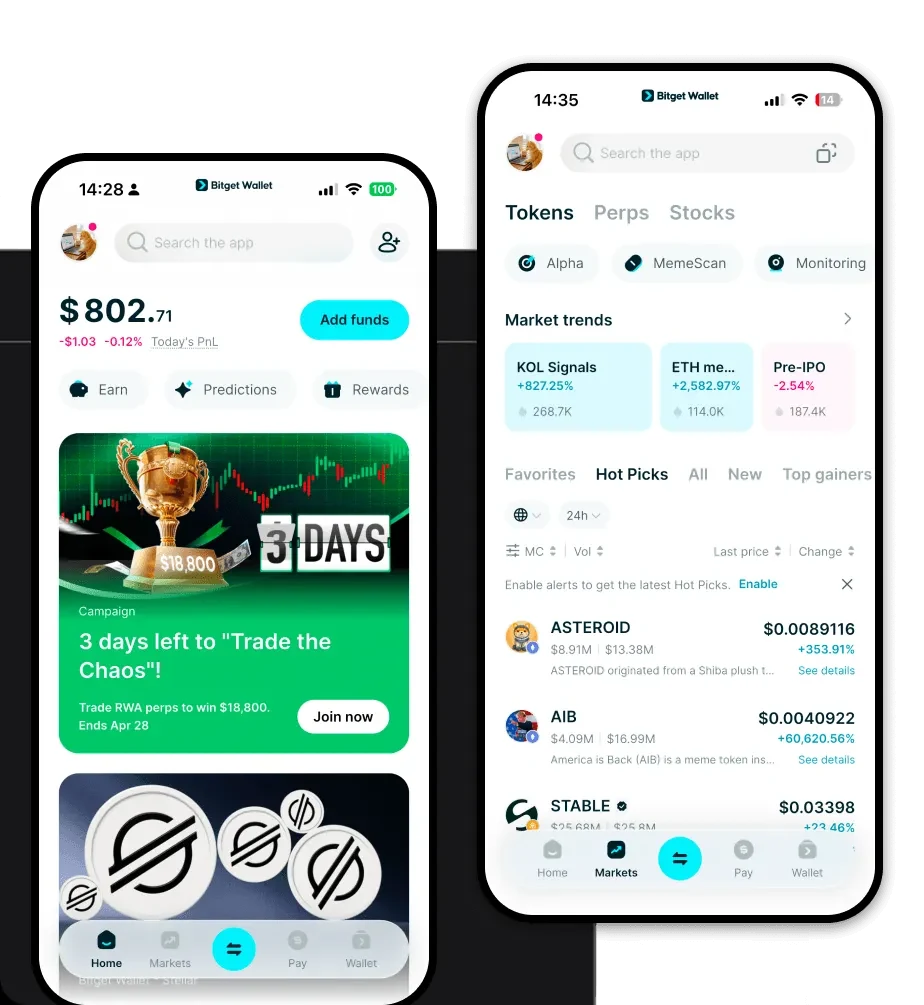
To start your journey with this asset, you need a reliable interface. The Bitget Wallet app stands out as the best wallet for pancoin due to its robust architecture and user-friendly experience. It provides comprehensive support for multi-chain assets, allowing you to manage your pancoin alongside other digital holdings without switching between different applications. Users can choose from various platforms, including iOS, Android, or the browser extension version, ensuring that your portfolio is accessible whether you are on the go or at your desktop. To get started, you can download Bitget Wallet directly from the official portal. Once installed, you benefit from non-custodial storage, meaning you hold your own private keys, and the application's interface is optimized to make tracking your pancoin wallet address simple and intuitive.
Why Choose Bitget pancoin Wallet?
Choosing the right tool for your assets is critical, especially for community-driven projects. Bitget Wallet offers several distinct advantages for pancoin holders:
- EVM Compatibility: As an EVM-based token, pancoin thrives in the Ethereum ecosystem. Bitget Wallet is natively designed to handle EVM-compatible transactions, ensuring you can interact with smart contracts without compatibility issues.
- Decentralized Trading Integration: The wallet aggregates hundreds of DEXs, allowing you to swap tokens at the best available rates directly within the app, which is essential for high liquidity potential.
- Enhanced Security Infrastructure: With over 300 million dollars in a user protection fund, Bitget provides an added layer of security that is rare in the non-custodial wallet space, protecting your assets against unforeseen protocol risks.
- Community-Driven Features: The wallet is built to support the rapid pace of community-driven tokens, providing real-time data and easy access to community campaigns and ecosystem updates.
How to Create a pancoin Wallet
Creating your wallet is a straightforward process that grants you full ownership of your assets. Follow these five steps to get set up:
1. Download the App: Visit the official website to download Bitget Wallet for your mobile device or desktop browser.
2. Create a New Wallet: Open the app and select the option to create a new wallet. You will be prompted to set a strong, unique password for local access.
3. Secure Your Seed Phrase: The app will generate a 12 or 24-word recovery phrase. Write this down on paper and store it offline—never share this phrase with anyone, as it is the master key to your funds.
4. Configure Network Settings: Since pancoin is an EVM token, ensure your wallet is set to the correct network (such as Ethereum or BNB Chain) to view your balance accurately.
5. Receive Your Address: Once the wallet is set up, click on the receive button to view your pancoin wallet address, which you can use to deposit tokens from exchanges or other wallets.
What Can You Do With a pancoin Wallet?
A pancoin wallet is more than just a storage vessel; it is an active tool for engaging with the crypto ecosystem. Here is how you can utilize it:
- Trading on DEXs: You can use the built-in dApp browser to connect to decentralized exchanges like Uniswap or PancakeSwap, allowing you to trade pancoin instantly without relying on centralized intermediaries.
- Holding for Speculation: By keeping your assets in a non-custodial wallet, you can hold pancoin for long-term speculation, confident that your assets remain under your control regardless of market volatility.
- Storing in Non-Custodial Wallets: Moving your tokens off exchanges into a personal wallet is the best practice for security, ensuring your assets are not subject to the custodial risks of centralized platforms.
- Participating in Community Campaigns: Many meme-focused projects run exclusive airdrops or staking events; having a personal wallet address allows you to connect to these platforms and participate in community-driven rewards programs.
How pancoin Wallets Are Different from Other Crypto Wallets
It is important to understand that not all wallets are the same. Because pancoin is an EVM token, it relies on the Account Model rather than the UTXO model used by Bitcoin. In the Account Model, your wallet functions like a bank account where a balance is maintained against your address. When you transact, the network updates this balance. This differs significantly from UTXO wallets, which track "unspent" transaction outputs. Furthermore, because pancoin operates on EVM chains, your wallet must manage gas fees—the native token required to pay for transaction processing. Bitget Wallet simplifies this by providing an interface that estimates these fees in real-time, preventing failed transactions and ensuring that users, even those new to the space, can navigate the complexities of EVM chain operations with ease.