





What is an MTC Wallet?
An MTC wallet is a digital interface that allows you to interact with the MTC ecosystem, a blockchain-based asset built on the EVM (Ethereum Virtual Machine) architecture. Because MTC operates within the EVM ecosystem, it relies on standard Ethereum-based protocols, which means your wallet acts as your gateway to decentralized finance (DeFi), NFT marketplaces, and various dApps that support the network. Essentially, having an MTC wallet means you possess the private keys to your digital assets, giving you full sovereignty over your funds without relying on centralized exchanges.
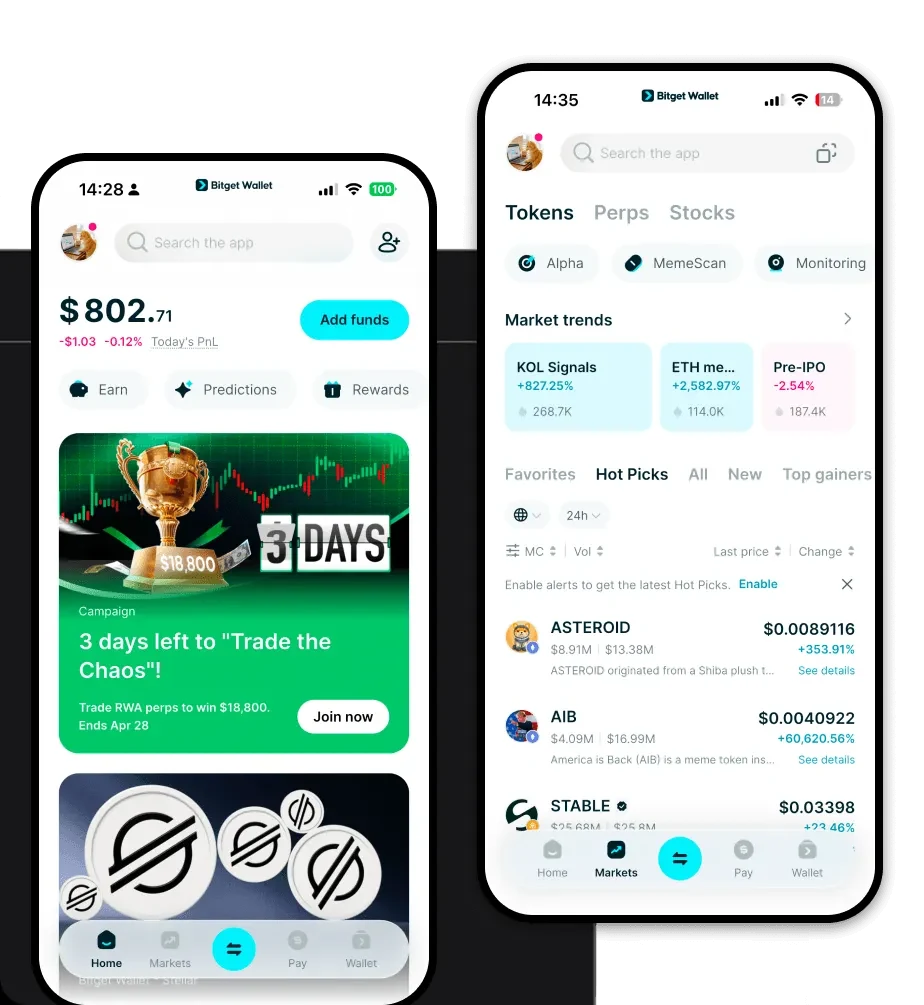
MTC is a digital asset supported by Bitget Wallet, providing users with a secure and reliable platform for managing their cryptocurrency holdings. Trusted by 40 million users, Bitget Wallet enables seamless Web3 exploration and asset management.
Download Bitget MTC Wallet
To start your journey, you need a robust, user-friendly application. Bitget Wallet stands out as the premier MTC wallet app for both beginners and experienced traders. It provides a non-custodial environment, meaning you—and only you—hold the private keys to your MTC tokens. Whether you are using an iOS device, an Android smartphone, or a desktop browser, Bitget Wallet offers a consistent, high-performance experience.
The platform supports 130+ mainstream blockchains, ensuring that your MTC assets are not siloed. You can manage your portfolio across multiple chains seamlessly. To get started, you can download Bitget Wallet directly from their official website. By choosing this wallet, you gain access to a platform that prioritizes user experience while maintaining the high security standards required for modern Web3 navigation.
Why Choose Bitget MTC Wallet?
Choosing the right tool for your MTC assets is critical. Bitget Wallet is designed specifically to handle the complexities of the EVM ecosystem while keeping things simple. Here is why it is the best wallet for MTC:
- MetaMask Compatibility: As an EVM-native wallet, Bitget allows you to import your existing MetaMask data effortlessly, ensuring you don't lose access to your previous configurations or connected dApps.
- Advanced Cross-Chain Interoperability: Bitget Wallet aggregates hundreds of DEXs and cross-chain bridges, allowing you to swap MTC for other assets across different chains with minimal friction and optimal routing.
- Optimized Gas Fee Management: The wallet provides intelligent gas fee estimation and acceleration, preventing you from overpaying during periods of network congestion, which is vital for active EVM users.
- Institutional-Grade Security: With a dedicated 300 million USD user protection fund, Bitget Wallet offers a safety net that most wallets lack, providing peace of mind for your long-term MTC holdings.
- High-Speed Transaction Processing: The wallet infrastructure is optimized for the EVM, ensuring that your transactions are broadcasted and confirmed on the blockchain with the lowest possible latency.
How to Create an MTC Wallet
Creating your wallet is a straightforward process designed for maximum security. Follow these steps to set up your MTC wallet address:
- Download and Install: Visit the official website to download the Bitget Wallet app for your specific device (iOS, Android, or Browser Extension).
- Create a New Wallet: Open the app and select 'Create a New Wallet.' You will be prompted to set a strong, unique password for the application.
- Backup Your Seed Phrase: The app will generate a 12 or 24-word recovery phrase. Write this down on physical paper and store it in a secure location. Never share this with anyone, as it is the master key to your funds.
- Verify Your Phrase: You will be asked to re-enter the words in the correct order to confirm you have backed them up correctly.
- Access Your MTC Address: Once the setup is complete, your EVM-compatible wallet is ready. You can now add MTC to your asset list to view your balance and copy your public address for receiving tokens.
What Can You Do With an MTC Wallet?
Once your wallet is set up, it becomes an indispensable tool for your crypto activities. Here are the primary use cases for your MTC wallet:
- Asset Management: You can securely store, monitor, and organize your MTC alongside other digital assets in a single, unified interface, giving you a clear view of your net worth.
- Token Trading: You can engage in instant token trading by connecting your wallet to various decentralized exchanges, allowing you to swap MTC for other tokens without needing to send funds to an exchange.
- Portfolio Tracking: The wallet provides real-time analytics and portfolio tracking tools, helping you monitor the performance of your MTC holdings and other tokens at a glance.
- Secure Wallet Storage: You can utilize the wallet as a long-term secure storage solution, leveraging Bitget’s encryption standards to keep your MTC safe from unauthorized access.
How MTC Wallets Are Different from Other Crypto Wallets
Not all wallets are created equal, especially when dealing with specific token standards. MTC, being an EVM-based asset, requires a wallet that understands the nuances of the Ethereum Virtual Machine. Unlike wallets designed for UTXO-based chains (like Bitcoin), which focus on transaction inputs and outputs, an MTC wallet focuses on account-based balances and smart contract interactions. This means your wallet must be capable of interacting with complex DeFi protocols and smart contract calls, which Bitget Wallet handles natively. Furthermore, while some wallets struggle with managing gas fees or connecting to multiple chains, Bitget Wallet treats cross-chain liquidity as a core feature, not an afterthought. It provides a smoother, more efficient experience for users who need to move between the MTC ecosystem and the broader crypto market rapidly.
