





What is a LU Wallet?
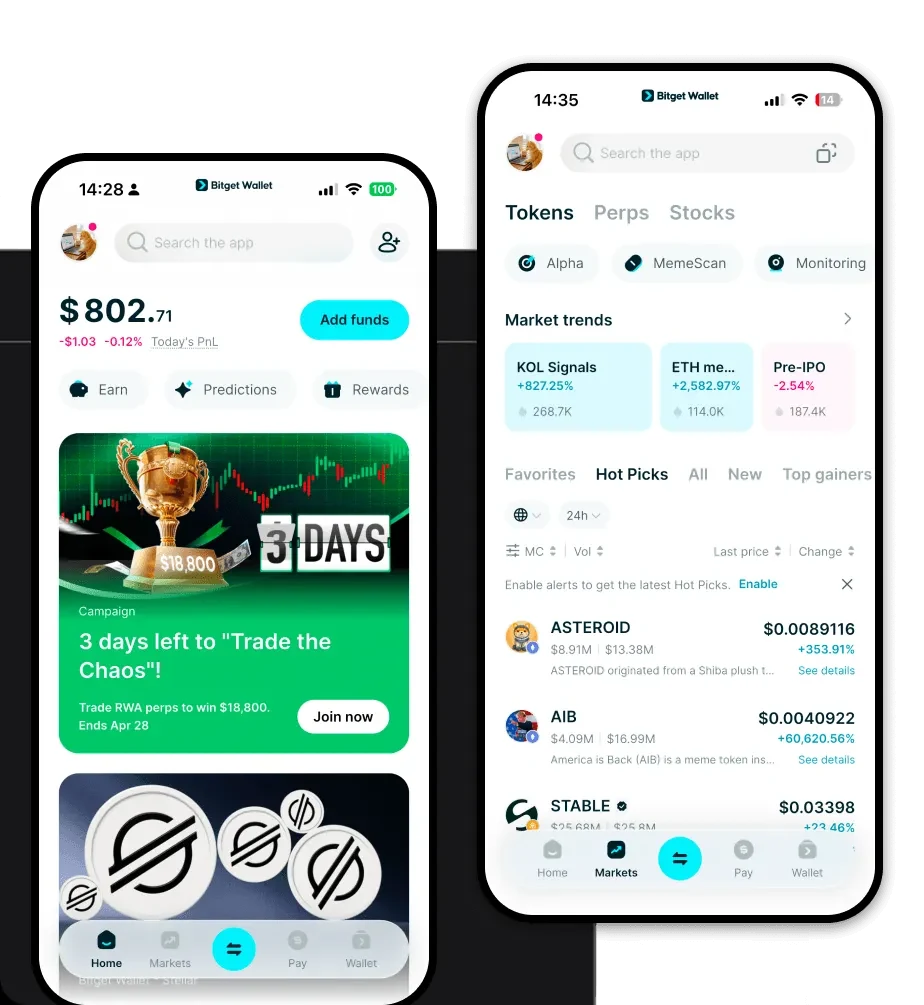
A LU wallet is a secure digital interface designed to interact with the LU token, a digital asset seamlessly integrated into the expansive Bitget Wallet ecosystem. As an asset operating on the EVM (Ethereum Virtual Machine) blockchain, LU requires a wallet that fully supports the standards and protocols typical of Ethereum-compatible networks. LU is a digital asset supported by the Bitget Wallet ecosystem. Bitget Wallet provides a reliable and secure platform for users to store, manage, and explore Web3 opportunities with their LU tokens, trusted by 40 million users worldwide. By utilizing a dedicated LU wallet, you ensure full compatibility with decentralized applications (dApps) and the broader DeFi landscape.
Download Bitget LU Wallet
Getting started with your LU journey is straightforward. To experience the best interface for your assets, you can download Bitget Wallet across your preferred devices. Whether you are on the move or at your desk, the platform offers cross-platform accessibility, including dedicated mobile apps for iOS and Android, as well as a robust browser extension. This ensures that you maintain full control over your private keys through a self-custodial model while enjoying the convenience of managing multiple chains from a single, unified interface.
Why Choose Bitget LU Wallet?
Choosing the right wallet for EVM-based assets like LU is critical for a smooth DeFi experience. Bitget Wallet stands out by providing:
- EVM Compatibility: Designed specifically to handle the complexities of the Ethereum Virtual Machine, ensuring seamless interactions with smart contracts and dApps.
- High Liquidity Support: The wallet aggregates hundreds of decentralized exchanges (DEXs) and cross-chain bridges, ensuring you get the best rates for your LU swaps.
- Robust Security Architecture: With a $300 million user protection fund, Bitget provides an extra layer of defense against potential on-chain threats.
- Integrated DeFi Tools: Gain direct access to yield farming and staking protocols without ever leaving the wallet interface.
How to Create a LU Wallet
Setting up your wallet to manage LU is a simple process that prioritizes your security:
- Download and Install: Visit the official website to download the app or browser extension on your device.
- Create a New Wallet: Open the application and select 'Create a New Wallet.'
- Secure Your Seed Phrase: Write down your 12-word recovery phrase and store it in an offline, secure location. Never share this with anyone.
- Add LU Token: Navigate to the asset management section, click the '+' icon, and search for 'LU' to add it to your visible token list.
- Verify EVM Address: Your wallet will automatically generate an EVM-compatible address, which you can now use to receive or send LU tokens.
What Can You Do With a LU Wallet?
A LU wallet is not just for storage; it is a gateway to the DeFi ecosystem. Here is how you can utilize your tokens:
- Trading: Use the built-in DEX aggregator to execute fast and efficient swaps between LU and other tokens with minimal slippage.
- Staking: Lock your LU tokens into supported protocols directly through the dApp browser to earn passive rewards over time.
- Providing Liquidity: Become a liquidity provider on decentralized exchanges by pairing your LU tokens, helping facilitate market activity while earning trading fees.
- Portfolio Management: Monitor your assets' real-time market performance and historical price trends directly within the integrated portfolio tracker.
How LU Wallets Are Different from Other Crypto Wallets
Unlike simple custodial wallets that rely on centralized exchanges, a specialized LU wallet for the EVM ecosystem focuses on decentralized interaction. Because LU operates on an EVM chain, it utilizes an account-based model, which differs significantly from the UTXO models found in Bitcoin-based wallets. This means your wallet manages 'states' and smart contract interactions rather than just unspent transaction outputs. Furthermore, Bitget Wallet optimizes for the specific gas fee environment of the EVM, allowing you to adjust transaction speeds and costs dynamically, ensuring your transactions are processed efficiently even during periods of high network congestion.
