





1. What is an LRM Wallet?
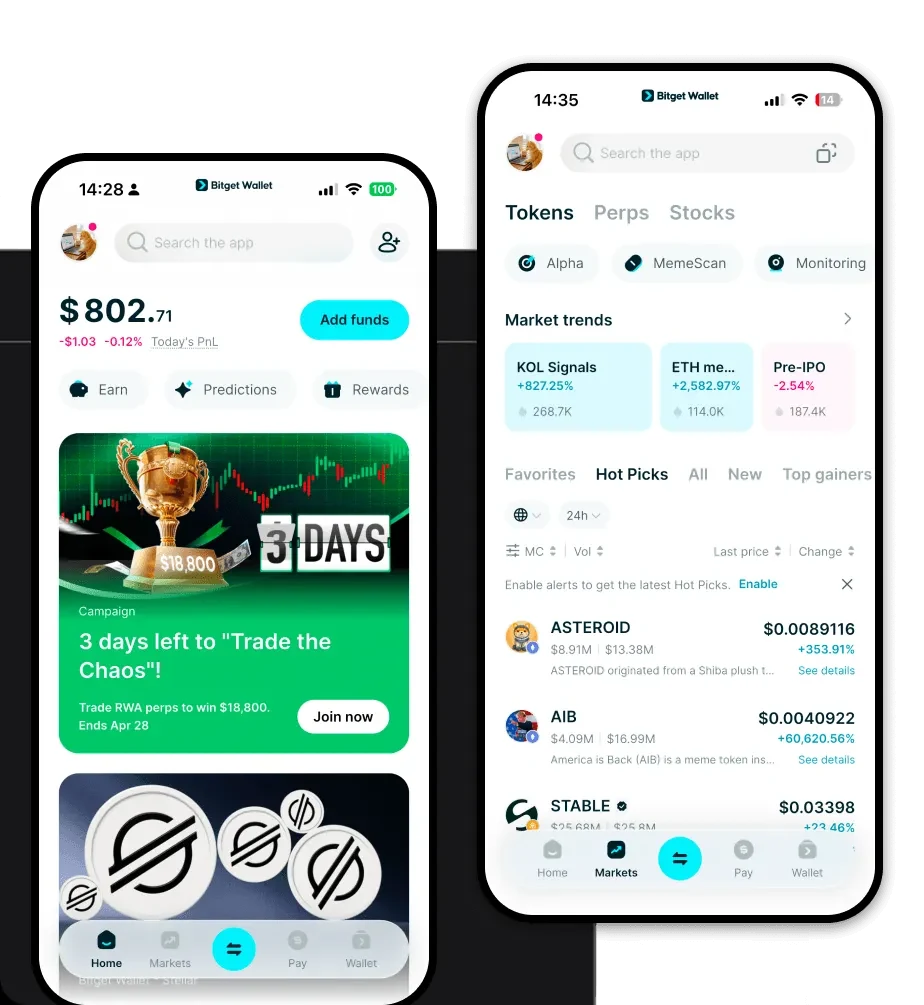
An LRM wallet is a specialized digital interface designed to securely store, manage, and interact with LRM tokens. Operating on the EVM (Ethereum Virtual Machine) blockchain, LRM functions within a highly compatible ecosystem, allowing for seamless integration with decentralized applications and smart contracts. Bitget Wallet provides a reliable and secure crypto wallet solution for managing LRM assets. With the support of 40 million users, it enables users to seamlessly explore the Web3 ecosystem and manage their LRM holdings with ease.
2. Download Bitget LRM Wallet
To begin your journey in the Web3 space, you need a robust gateway that puts you in total control of your assets. Bitget Wallet offers a non-custodial solution, meaning you hold your own private keys and maintain complete ownership of your LRM tokens at all times. Whether you are a mobile-first user or prefer desktop browsers, Bitget Wallet has you covered with full support across iOS, Android, and browser extensions.
The platform is designed for cross-chain versatility, allowing you to manage LRM alongside a vast array of other digital assets across 130+ blockchains. If you are ready to get started, you can download Bitget Wallet today to experience a streamlined, user-friendly interface that simplifies complex blockchain operations.
3. Why Choose Bitget LRM Wallet?
Selecting the right wallet is critical when dealing with DeFi assets like LRM. Bitget Wallet stands out by combining deep EVM integration with advanced security features:
- EVM Compatibility: Designed specifically for the Ethereum Virtual Machine, ensuring LRM transactions are processed with full smart contract support and industry-standard gas fee optimization.
- High Liquidity Aggregation: By connecting to hundreds of decentralized exchanges (DEXs) and cross-chain bridges, the wallet ensures you always get the best market rates for LRM trading.
- Secure Asset Management: Your LRM holdings are protected by a $300 million user protection fund, offering an extra layer of security on top of your local private key control.
- Seamless DApp Exploration: Access the entire DeFi ecosystem directly within the app, allowing you to interact with protocols without ever leaving your wallet interface.
4. How to Create an LRM Wallet
Setting up your wallet is a straightforward process designed to prioritize both security and accessibility:
- Download and Install: Visit the official Bitget Wallet download page and install the application on your preferred device (mobile or desktop).
- Create a New Wallet: Open the app and select the option to create a new wallet, which will generate a unique seed phrase.
- Secure Your Backup: Write down your recovery phrase and store it in an offline, secure location; never share this phrase with anyone.
- Configure EVM Network: Since LRM is an EVM-based token, ensure your wallet is set to the correct network to view your balances accurately.
- Import or Receive: Once setup is complete, you can import an existing wallet via your private key or simply copy your LRM wallet address to receive funds.
5. What Can You Do With an LRM Wallet?
Your LRM wallet serves as the central hub for all your DeFi activities. Here is how you can leverage it:
- Trading: Execute buy and sell orders for LRM directly through the built-in DEX aggregator, ensuring high liquidity and minimal slippage.
- Asset Storage: Keep your LRM safe with non-custodial security, knowing that your funds are accessible only by you.
- Liquidity Provision: Use your LRM to participate in liquidity pools, earning potential yields while supporting the ecosystem.
- DeFi Protocol Interaction: Connect your wallet to various DeFi platforms to stake your LRM, participate in governance, or use it as collateral.
- Cross-chain Transfers: Easily move your LRM assets across different networks using the integrated cross-chain bridge technology, expanding your utility across the broader crypto landscape.
6. How LRM Wallets Are Different from Other Crypto Wallets
When dealing with EVM tokens like LRM, the wallet architecture matters significantly compared to other chains. Unlike Bitcoin wallets which rely on the UTXO (Unspent Transaction Output) model, LRM wallets utilize the account-based model typical of Ethereum. This means your wallet functions more like a traditional bank account balance rather than a collection of transaction inputs.
Furthermore, because LRM operates on EVM-compatible chains, your wallet must handle "gas" fees—the computational cost required to execute transactions. Bitget Wallet differentiates itself by offering advanced gas estimation tools, which help you avoid failed transactions and overpayment. While some wallets are built for simple storage, a specialized LRM wallet must be optimized for the rapid, high-frequency interactions required by modern DeFi protocols, ensuring that your transaction speed and network costs remain competitive.
