





What is an LQFN Wallet?
An LQFN wallet is a specialized digital interface designed to interact with the LQFN asset, which operates on the EVM (Ethereum Virtual Machine) blockchain. Because LQFN is built on EVM infrastructure, it requires a wallet that can seamlessly communicate with smart contracts, decentralized applications (dApps), and token standards prevalent in the Ethereum ecosystem. LQFN is a digital asset supported by Bitget Wallet, allowing users to securely store, manage, and explore Web3 opportunities within the Bitget ecosystem.
Download Bitget LQFN Wallet
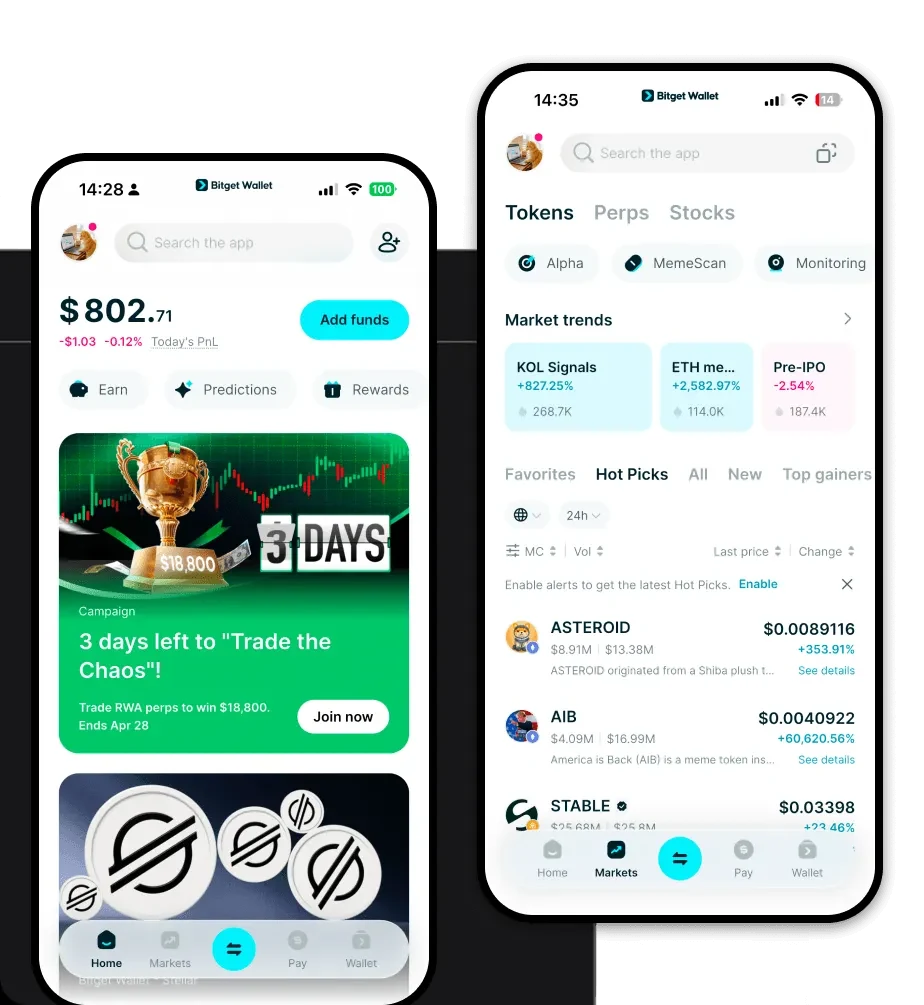
Finding the right tool to manage your digital assets is crucial. For users looking for a robust, user-friendly experience, Bitget Wallet stands out as a premier choice. Whether you are managing assets on the go or from your desktop, the platform ensures you retain full control over your private keys—a fundamental requirement for self-custody. Bitget Wallet offers comprehensive support across iOS, Android, and browser extensions, ensuring you can manage your portfolio wherever you are. To get started, you can download Bitget Wallet and experience seamless, multi-chain functionality designed for the modern crypto user.
Why Choose Bitget LQFN Wallet?
Choosing the right wallet for EVM-based assets like LQFN involves looking for compatibility and security. Bitget Wallet provides several distinct advantages:
- EVM Compatibility: As a fully EVM-compatible wallet, it allows you to interact with decentralized finance protocols and smart contracts without the friction often associated with cross-chain interactions.
- High Liquidity Access: The wallet aggregates hundreds of decentralized exchanges (DEXs), ensuring you get the best rates and high liquidity when swapping your LQFN tokens.
- Secure Asset Storage: With a dedicated $300 million user protection fund, your assets are shielded by industry-leading security measures against potential vulnerabilities.
- Cross-Platform Accessibility: Whether you prefer mobile trading or desktop dApp browsing, the synchronized experience ensures your portfolio is always up-to-date across all your devices.
How to Create an LQFN Wallet
Setting up your wallet is a straightforward process that takes only a few minutes. Follow these steps to get started:
- Download and Install: Visit the official website to download Bitget Wallet for your preferred device (iOS, Android, or Browser Extension).
- Create a New Wallet: Open the app and select 'Create a Wallet'. You will be prompted to set a strong, unique password for your local device.
- Backup Your Seed Phrase: The app will generate a 12-word recovery phrase. Write this down on paper and store it in a secure, offline location. Never share this with anyone.
- Verify Your Setup: Follow the on-screen prompts to confirm your seed phrase, ensuring you have recorded it correctly.
- Import or Add LQFN: Once your wallet is active, use the 'Add Token' feature and search for the LQFN contract address to ensure the token appears in your main dashboard.
What Can You Do With an LQFN Wallet?
Once your wallet is set up, you unlock a variety of DeFi functionalities tailored for the EVM ecosystem:
- Trading: You can execute instant swaps for LQFN against other assets directly within the integrated DEX aggregator, ensuring minimal slippage.
- Staking: By connecting your wallet to supported protocols, you can stake your LQFN tokens to participate in governance or earn yield rewards.
- Asset Management: The intuitive dashboard allows you to track your real-time balance, view transaction history, and monitor the performance of your LQFN holdings.
- Portfolio Diversification: Use the built-in dApp browser to explore other DeFi projects, allowing you to diversify your holdings beyond just LQFN without leaving the security of your wallet.
How LQFN Wallets Are Different from Other Crypto Wallets
Because LQFN operates on an EVM-based chain, it differs significantly from non-EVM wallets. While wallets designed for UTXO-based chains (like Bitcoin) focus on unspent transaction outputs and specific address formats, an EVM-compatible wallet like Bitget focuses on the 'Account Model.' This model simplifies complex interactions with smart contracts, allowing for more intuitive gas fee management and interaction with decentralized finance protocols. Furthermore, while some wallets prioritize basic cold storage, an EVM-focused wallet like Bitget prioritizes speed and low-latency interaction, which is essential for active DeFi participants who need to react quickly to market changes in liquidity pools.
