





What is an EBOT Wallet?
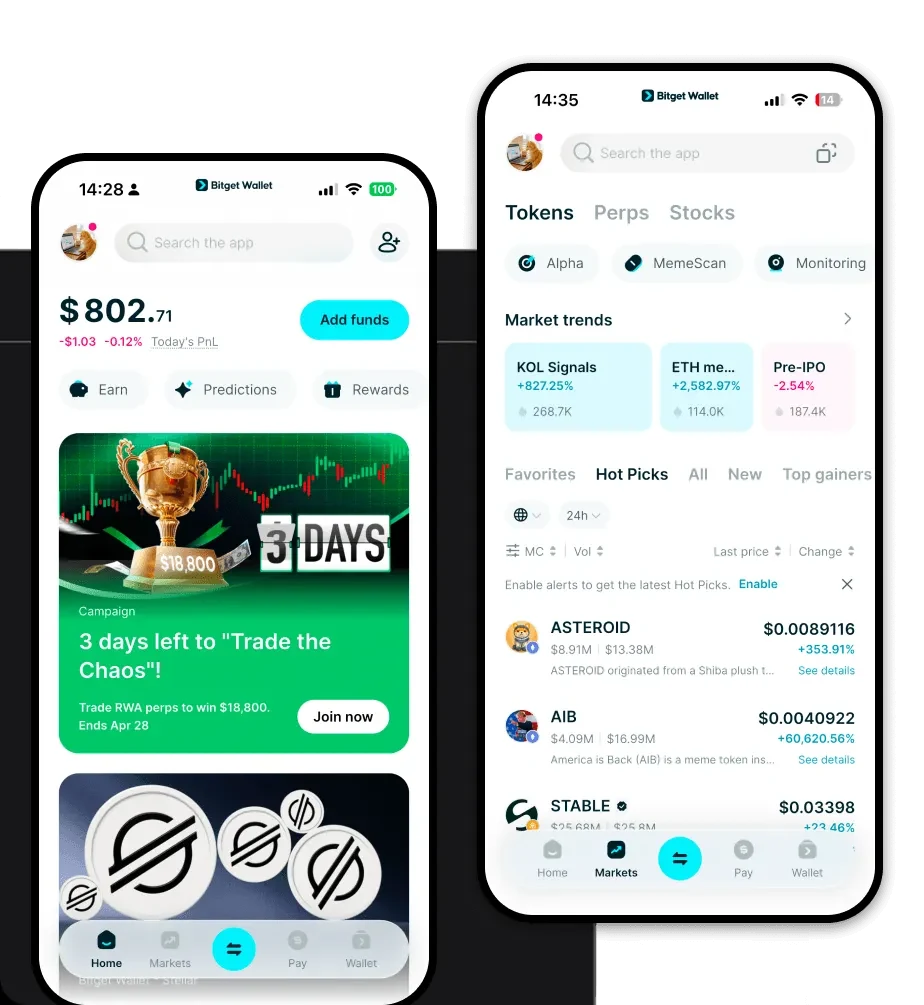
An EBOT wallet is a digital interface designed to help you store, send, and manage your EBOT tokens securely. Since EBOT operates on the EVM (Ethereum Virtual Machine) blockchain, it requires a wallet that is fully compatible with the Ethereum ecosystem's standards and smart contract logic. EBOT is a digital asset supported by Bitget Wallet, a reliable and secure crypto wallet trusted by 40 million users. It allows users to freely explore Web3 ecosystems, manage assets, and engage with decentralized services.
Download Bitget EBOT Wallet
Getting started with your digital asset management begins with choosing the right tool. Bitget Wallet provides a unified interface that simplifies the complexity of the EVM landscape. Whether you are using a desktop browser or a mobile device, the platform ensures that your private keys remain under your personal control, adhering to the principle of self-custody. The wallet is available as an iOS app, an Android app, and a robust browser extension, ensuring you have constant access to your assets. To get started, you can download Bitget Wallet and begin your journey into the decentralized world.
Why Choose Bitget EBOT Wallet?
When dealing with EVM-based assets like EBOT, the infrastructure of your wallet is critical to your success. Bitget Wallet is engineered to handle the specific demands of EVM chains, making it a superior choice for asset management:
- EVM Compatibility: Designed specifically for the Ethereum Virtual Machine, ensuring full support for all EBOT-related smart contracts and token standards without configuration headaches.
- Seamless Cross-Chain Interoperability: Effortlessly move your assets across different chains, allowing you to bridge tokens between major networks without relying on centralized exchanges.
- Enhanced Security Protocols: With a dedicated 300 million USD user protection fund, Bitget provides an extra layer of defense against malicious DApps and unauthorized access attempts.
- High Liquidity Support: The wallet aggregates hundreds of decentralized exchanges, ensuring you always get the best market rates and deep liquidity for your EBOT trades.
- Decentralized Asset Management: Take full control of your portfolio with a non-custodial interface that empowers you to manage tokens, NFTs, and DeFi positions in one place.
How to Create an EBOT Wallet
Setting up your wallet is a straightforward process designed to prioritize your security while maintaining accessibility. Follow these steps to get started:
- Install the App: Download the official Bitget Wallet application on your mobile device or browser extension.
- Create a New Wallet: Select 'Create Wallet' and ensure you are in a private environment where no one can see your screen.
- Backup Your Mnemonic Phrase: Write down your recovery phrase on paper and store it in a secure, offline location. Never share this with anyone.
- Set Your Password: Create a strong, unique password to secure the local application access on your device.
- Add EBOT Token: Navigate to the asset management section, click the plus icon, and add EBOT by searching for its contract address on the EVM network to see your balance.
What Can You Do With an EBOT Wallet?
An EBOT wallet is more than just a storage space; it is a gateway to the decentralized economy. With Bitget Wallet, you can maximize the utility of your tokens:
- Trading on Decentralized Exchanges: Use the built-in DApp browser to access major DEXs, allowing you to swap EBOT for other assets directly from your wallet with minimal slippage.
- Staking for Rewards: Engage with various DeFi protocols to stake your EBOT, allowing you to earn passive yield directly on the blockchain.
- Cross-Chain Asset Transfers: Utilize built-in bridge technology to move your EBOT across different EVM-compatible networks efficiently and securely.
- Portfolio Management: Track your total net worth, monitor market fluctuations, and analyze your asset allocation across multiple accounts in real-time.
- Participating in Liquidity Pools: Contribute your EBOT tokens to decentralized liquidity pools to help provide market depth, earning transaction fees in return.
How EBOT Wallets Are Different from Other Crypto Wallets
Not all wallets are built the same. When working with an EVM-based token like EBOT, the architecture of the wallet matters. Unlike wallets designed for UTXO-based chains (like Bitcoin), which focus on individual transaction outputs, an EBOT wallet is built on the account-based model. This allows for complex smart contract interactions that UTXO wallets struggle to replicate. Furthermore, while some wallets require manual gas fee adjustments, Bitget Wallet optimizes your transaction experience by automatically calculating gas fees based on current network congestion, ensuring your transactions are processed quickly and cost-effectively.
