What is a Cycles Wallet?
A Cycles wallet is a specialized digital asset interface designed to manage Cycles, the native utility token used to pay for computational power and storage on the Internet Computer (ICP) blockchain. Unlike traditional cryptocurrencies that fluctuate wildly in transaction costs, Cycles acts as a stable unit of resource consumption, ensuring that developers and users can predictably manage their decentralized applications. By using a compatible wallet, you bridge the gap between your digital assets and the complex infrastructure of the Internet Computer, allowing for seamless interaction with canisters and on-chain resources.
Download Bitget Cycles Wallet
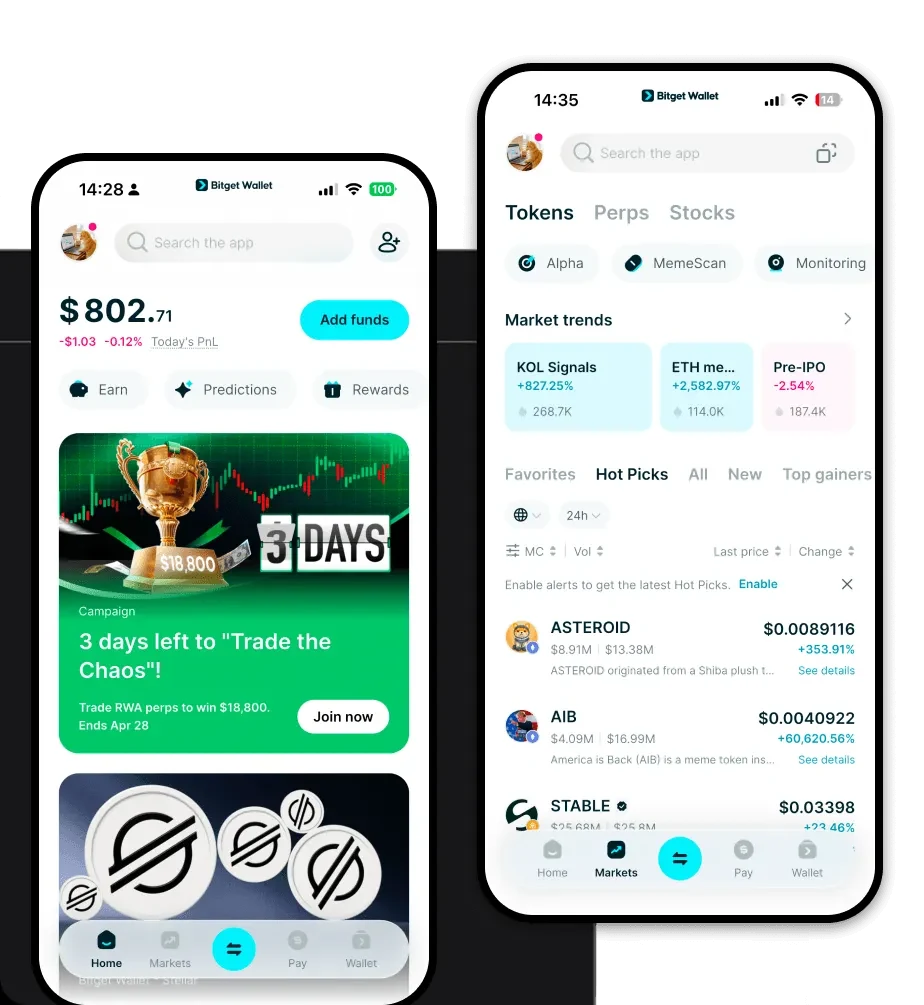
To securely manage your assets, we recommend you download Bitget Wallet. As a comprehensive multi-chain solution, Bitget Wallet provides a robust environment for users to interact with various ecosystems, including the Internet Computer. It is designed for total user sovereignty, meaning you retain full control over your private keys through a self-custodial architecture. Whether you are on the move or working from a desktop, you can access your funds via the dedicated iOS app, Android app, or the browser extension, ensuring that your Cycles are always within reach whenever you need to deploy or maintain a canister.
Why Choose Bitget Cycles Wallet?
When dealing with infrastructure tokens like Cycles, the wallet you choose must be capable of handling the unique demands of the Internet Computer ecosystem. Bitget Wallet stands out for several key reasons:
- Advanced Infrastructure Support: Unlike generic wallets, Bitget Wallet is engineered to support the specific requirements of non-EVM chains like the Internet Computer, ensuring high compatibility with canister-based architectures.
- Seamless Resource Management: The wallet interface is optimized to handle the unique 'reverse gas' model of the Internet Computer, making it easier for developers to track resource consumption without standard gas fee friction.
- Enhanced Security Infrastructure: With a $300 million protection fund, Bitget Wallet adds an extra layer of defense against potential threats, ensuring your computational resources remain safe.
- Cross-Chain Versatility: While you manage your Cycles, you can simultaneously interact with over 130+ other blockchains, allowing you to manage a diverse portfolio in a single, unified interface.
How to Create a Cycles Wallet
Creating your gateway to the Internet Computer ecosystem is straightforward. Follow these steps to get started:
- Install the App: Download the latest version of Bitget Wallet from the official store or website.
- Initialize Wallet: Open the app and select 'Create a New Wallet' to generate a new, secure mnemonic phrase.
- Backup Your Keys: Write down your recovery phrase and store it offline; never share this with anyone, as it is the only way to recover your funds.
- Verify Setup: Confirm your recovery phrase within the app to activate your wallet address.
- Manage Assets: Navigate to the asset management section to view your Cycles balance and interact with dApps built on the Internet Computer.
What Can You Do With a Cycles Wallet?
Having a Cycles wallet is essential for anyone participating in the Internet Computer ecosystem. Here are the primary ways you can utilize your tokens:
- Paying for Canister Computation: You can directly transfer and use Cycles to power the logic execution within your deployed canisters.
- Paying for On-Chain Storage: Use your Cycles wallet to fund the ongoing storage costs required to keep your data persistent and accessible on the blockchain.
- Resource Management for dApps: Actively monitor and allocate your Cycles to ensure your decentralized applications remain operational and scalable under high traffic.
- Maintaining Decentralized Hosting: Utilize the wallet to settle the costs associated with hosting front-ends and back-ends entirely on-chain, eliminating the need for traditional cloud providers.
How Cycles Wallets Are Different from Other Crypto Wallets
Cycles wallets operate fundamentally differently from standard Ethereum or Bitcoin wallets due to the unique architecture of the Internet Computer. While typical EVM wallets focus on gas fees paid by the user for every transaction, a Cycles wallet operates under a 'reverse gas model.' This means the application (canister) pays for the computation, not the end-user for every interaction. Furthermore, the 'stable cost' mechanism makes Cycles distinct from volatile assets; your wallet must be able to handle these specific resource consumption metrics. While a Bitcoin wallet focuses on UTXO management and security, and an Ethereum wallet focuses on gas-guzzling DeFi interactions, a Cycles wallet is built to manage high-scalability, low-latency infrastructure needs, ensuring that your decentralized hosting remains uninterrupted.