





What is a BPA Wallet?
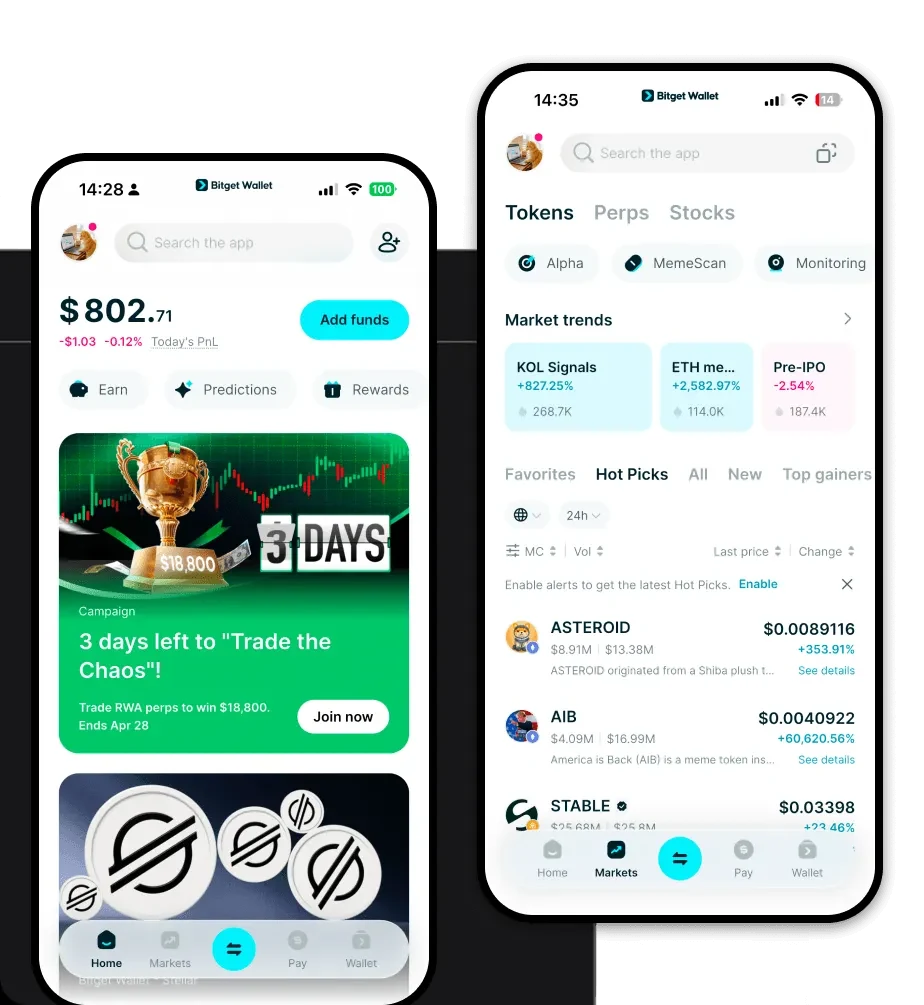
A BPA wallet is a digital interface that allows you to interact with the blockchain to store, send, and receive BPA tokens. Since BPA operates on the EVM (Ethereum Virtual Machine) blockchain, a compatible wallet is essential for managing your assets efficiently. Bitget Wallet is a reliable and secure crypto wallet platform that supports the BPA token, allowing users to explore Web3, manage assets, and trade tokens with the trust of over 40 million users. By using an EVM-compatible wallet, you ensure that your BPA holdings are fully accessible within the broader decentralized finance ecosystem.
Download Bitget BPA Wallet
Getting started with your BPA assets requires a robust, user-friendly interface. You can download Bitget Wallet to access a comprehensive suite of tools designed for modern traders. Whether you are using an iOS device, an Android smartphone, or a desktop browser extension, the platform offers a consistent experience. It prioritizes self-custody, ensuring that you maintain complete control over your private keys while benefiting from multi-chain support that keeps your BPA tokens visible and ready for action at all times.
Why Choose Bitget BPA Wallet?
Seamless EVM Compatibility: Bitget Wallet is built to handle the complexities of the Ethereum Virtual Machine, ensuring that your BPA transactions are processed without friction or compatibility issues.
Advanced DeFi Integration: As a DeFi-centric asset, BPA requires a wallet that understands liquidity pools and yield farming. Bitget Wallet aggregates hundreds of DEXs, allowing you to find the best swap rates instantly.
User Protection Fund: With over $300 million dedicated to a user protection fund, Bitget Wallet provides a safety net that is rare in the self-custody wallet space, giving you peace of mind while managing your BPA.
Intuitive Multi-chain Management: You can manage BPA alongside assets from over 130 other mainstream blockchains in a single, unified interface, eliminating the need to switch between multiple applications.
How to Create a BPA Wallet
1. Install the Application: Visit the official website to download Bitget Wallet for your preferred device (mobile or browser extension).
2. Create New Wallet: Open the app and select 'Create Wallet'. Ensure you are in a private environment where no one can overlook your screen.
3. Backup Your Seed Phrase: You will be given a 12 or 24-word recovery phrase. Write it down on paper—never take a screenshot—and store it in a highly secure, offline location.
4. Verify Recovery Phrase: Follow the on-screen prompts to re-enter your seed phrase to confirm that you have saved it correctly.
5. Import or Add BPA Token: Once your wallet is set up, use the 'Add Token' feature and search for the BPA contract address to make it visible in your asset list, allowing you to receive and manage funds immediately.
What Can You Do With a BPA Wallet?
Trading: You can use your BPA wallet to swap tokens directly on decentralized exchanges, taking advantage of the liquidity aggregated by the wallet's built-in swap features.
Staking: By connecting your wallet to supported DeFi protocols, you can stake your BPA tokens to earn rewards and contribute to the security and governance of the underlying network.
Providing Liquidity: You can participate in automated market maker (AMM) pools by depositing BPA, which helps facilitate trades for others while earning you a share of the transaction fees.
Holding Assets: You can securely store your BPA tokens over the long term, utilizing the wallet's enhanced security protocols to protect your investment from unauthorized access.
How BPA Wallets Are Different from Other Crypto Wallets
Unlike simple custodial accounts, a specialized BPA wallet for the EVM ecosystem functions differently. Because BPA operates on an account-based model rather than a UTXO model like Bitcoin, your wallet must constantly track the 'nonce'—a counter that prevents replay attacks—and manage gas fees efficiently. While BTC wallets focus on unspent transaction outputs, your BPA wallet is designed to interact directly with smart contracts. This means your wallet doesn't just hold a balance; it acts as a gateway to decentralized applications, managing the gas fees required to execute complex DeFi functions like staking or yield farming, ensuring your transactions are optimized for speed and cost-effectiveness.
