





1. What is a yoomi Wallet?
A yoomi wallet is a specialized digital interface that allows users to interact with the yoomi token on the blockchain. Because yoomi is a digital asset often associated with Web3 ecosystems, requiring reliable and secure wallet solutions like Bitget Wallet for storage, management, and exploration within the decentralized web, choosing the right infrastructure is critical. As an EVM-based token, yoomi operates on the Ethereum Virtual Machine, meaning your wallet must be compatible with standard Ethereum-based token protocols to facilitate seamless transactions and dApp interactions.
2. Download Bitget yoomi Wallet
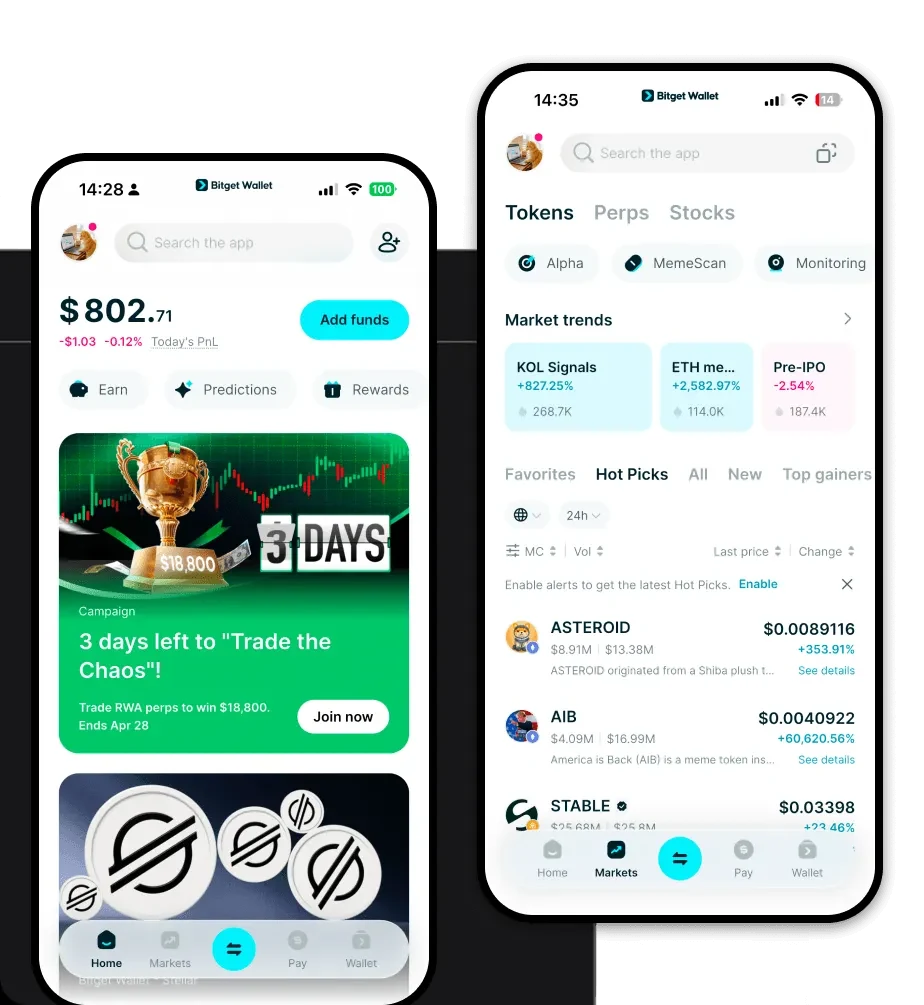
Getting started with your yoomi journey requires a robust gateway. Bitget Wallet serves as an all-in-one non-custodial solution that gives you full control over your private keys. Whether you are on the move or working from a desktop, you can easily download Bitget Wallet across iOS, Android, and browser extension formats. The wallet is designed for speed and reliability, supporting over 130 public chains and millions of tokens, ensuring that your yoomi assets are always accessible and manageable in one unified dashboard.
3. Why Choose Bitget yoomi Wallet?
When dealing with a dynamic asset like yoomi, you need a wallet that understands the nuances of the EVM ecosystem and the fast-paced nature of Meme tokens. Bitget Wallet provides several distinct advantages:
- EVM Ecosystem Integration: Enjoy native compatibility with all Ethereum Virtual Machine chains, allowing for instant recognition and management of yoomi tokens without complex configurations.
- Advanced DeFi Access: Connect directly to decentralized exchanges and liquidity pools to trade yoomi with minimal friction and optimal price routing.
- Enhanced Security Infrastructure: Benefit from a $300 million user protection fund and sophisticated MPC (Multi-Party Computation) technology that keeps your private keys secure while maintaining self-custody.
- Smart Contract Interaction: Experience a seamless DApp browser that makes participating in community-driven initiatives or decentralized trading safer and more intuitive.
- Gas Fee Optimization: Bitget Wallet intelligently manages transaction costs on EVM networks, helping you maximize the efficiency of your speculative or social interactions.
4. How to Create a yoomi Wallet
Setting up your wallet is a straightforward process designed to get you into the ecosystem quickly:
Step 1: Visit the official Bitget Wallet website or your mobile app store to download the application.
Step 2: Open the app and select 'Create a New Wallet' to generate your unique, secure seed phrase; ensure you back this up offline and never share it with anyone.
Step 3: Once your wallet is created, the system will automatically initialize your primary EVM address, which serves as your unique identifier on the blockchain.
Step 4: To add yoomi to your dashboard, use the 'Add Token' feature and search for the yoomi contract address, or simply paste the address if it is not automatically indexed.
Step 5: You are now ready to receive yoomi by sharing your public address or by connecting your wallet to a DEX to swap other assets for yoomi.
5. What Can You Do With a yoomi Wallet?
Owning yoomi is more than just holding a balance; it is about active participation in the Web3 space. With Bitget Wallet, you can engage in the following:
- Trading on decentralized exchanges: Utilize the integrated DEX aggregator to swap ETH or stablecoins for yoomi at the best possible rates across multiple liquidity sources.
- Holding for speculative growth: Securely store your yoomi long-term within a non-custodial environment, ensuring you remain the sole owner of your assets until you decide to move or sell them.
- Community participation: Connect your wallet to community-led governance platforms or social hubs to verify your holdings and participate in yoomi-related initiatives.
- Liquidity provision: Deposit your yoomi into decentralized liquidity pools to earn potential rewards, leveraging the deep EVM ecosystem integration within the wallet.
- Cross-chain asset management: Seamlessly move assets across different chains using built-in bridges, ensuring your portfolio remains fluid and adaptable to market shifts.
6. How yoomi Wallets Are Different from Other Crypto Wallets
Unlike wallets designed for UTXO-based chains like Bitcoin, a yoomi wallet operates on an account-based model, which is the standard for EVM chains. While Bitcoin wallets track "unspent transaction outputs," your yoomi wallet tracks the balance of your address directly. Furthermore, because yoomi relies on the EVM, your wallet must handle gas fees—the computational costs paid to network validators—which is a distinct departure from the resource models found in chains like EOS or the high-throughput, low-fee architecture of Solana. Bitget Wallet simplifies this by providing a streamlined interface that abstracts the complexity of these gas calculations, offering a more user-friendly experience compared to basic, single-chain wallets.
