




What is a Shinto Wallet?
A Shinto wallet is a digital interface that allows you to securely store, send, and interact with Shinto tokens, which operate on the EVM (Ethereum Virtual Machine) blockchain. Because Shinto is built on EVM-compatible networks, it benefits from the robust infrastructure of Ethereum and its layer-2 scaling solutions, requiring a wallet that understands smart contract interactions and token standards. Are you looking for a reliable and secure crypto wallet for your SHINTO? Bitget Wallet will be your best choice. Trusted by 40 million users, you can freely explore Web3 on Bitget Wallet. Start your journey now!
Download Bitget Shinto Wallet
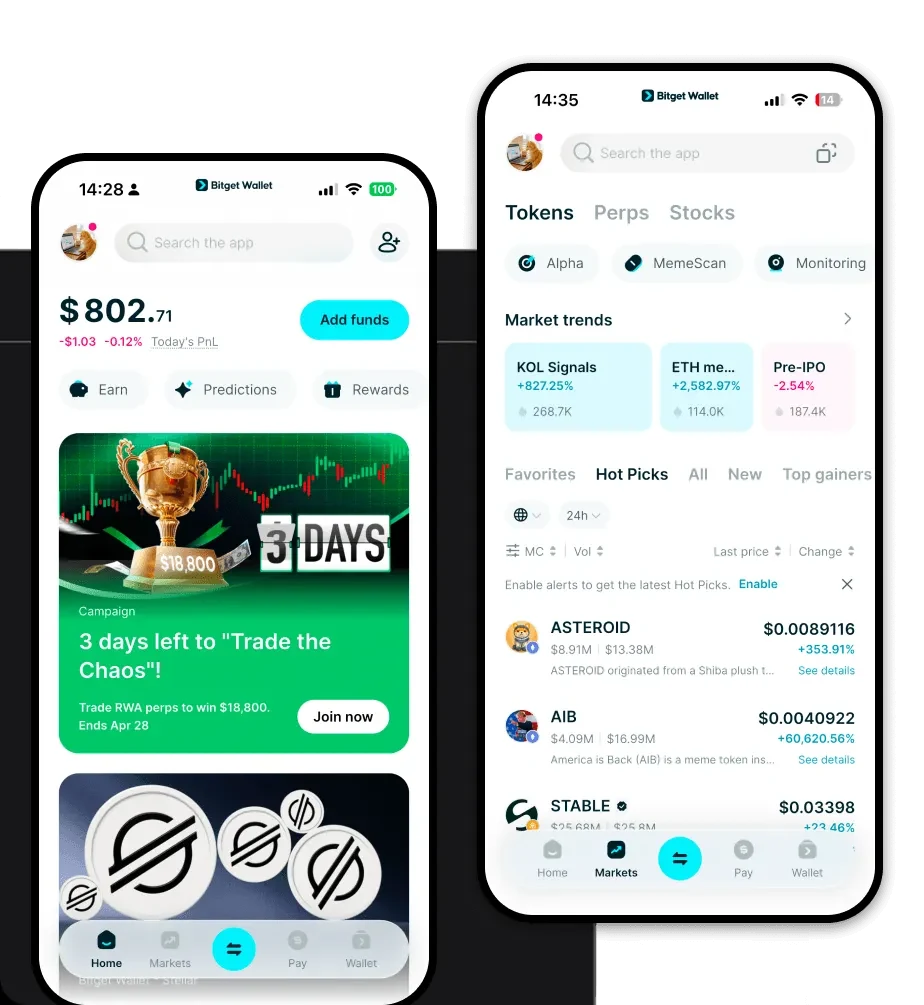
Getting started with your Shinto journey requires a secure gateway. You can easily download Bitget Wallet to access a comprehensive Web3 experience. Bitget Wallet is designed for versatility, offering full support for multi-chain assets, ensuring that your Shinto tokens are always accessible alongside your other holdings. By providing true private key self-custody, the wallet ensures you remain the sole owner of your assets, free from third-party interference. Whether you prefer managing your portfolio on the go via the iOS or Android mobile apps, or require the convenience of a browser extension for desktop interactions, Bitget Wallet provides a seamless, unified experience.
Why Choose Bitget Shinto Wallet?
- EVM Ecosystem Integration: As a Meme token built on EVM architecture, Shinto requires a wallet that natively supports smart contracts, allowing for seamless interaction with decentralized applications and rapid transaction execution.
- High Liquidity Access: The wallet aggregates hundreds of DEXs, ensuring you can find the best slippage and liquidity paths when trading Shinto, which is critical for volatile Meme assets.
- Viral Marketing & Community Tools: Bitget Wallet integrates social and DApp browser features that keep you updated on community-driven trends, perfect for tracking the viral nature of tokens like Shinto.
- Robust Security Architecture: With a $300 million user protection fund, Bitget Wallet mitigates risks associated with decentralized trading, providing a layer of safety that standard wallets often lack.
- Decentralized Distribution Support: The wallet is optimized for handling complex token distributions and airdrops common in community-driven projects, ensuring your assets are credited safely and quickly.
How to Create a Shinto Wallet
Creating your Shinto wallet on Bitget is a straightforward process designed for both newcomers and advanced users:
Step 1: Download the Bitget Wallet app from the official website or your device's app store and open the application.
Step 2: Select 'Create a New Wallet' and ensure you carefully back up your 12-word mnemonic phrase; never share this phrase with anyone.
Step 3: Once your wallet is set up, navigate to the asset management section and tap the '+' icon to add custom tokens.
Step 4: Since Shinto is an EVM token, you can search for the token contract address or import it directly to ensure it appears in your dashboard.
Step 5: Your Shinto wallet address is now active; you can copy your public address from the main screen to receive tokens or interact with decentralized exchanges.
What Can You Do With a Shinto Wallet?
Owning a Shinto wallet unlocks the full potential of this Meme token within the Web3 ecosystem:
- Trading on Decentralized Exchanges: You can use your wallet to execute instant swaps on platforms like Uniswap or PancakeSwap, taking advantage of the high liquidity potential inherent in Shinto's ecosystem.
- Holding for Speculative Growth: Securely store your Shinto tokens in your self-custody wallet while waiting for market movements, ensuring your assets remain safe from exchange-related risks.
- Community Participation: Use your wallet to connect to community governance portals or specialized platforms where Shinto holders can vote on proposals or engage with the project's development.
- Liquidity Provision: By connecting your wallet to DeFi protocols, you can provide your Shinto tokens to liquidity pools, potentially earning yield from trading fees.
- Portfolio Diversification: Use the wallet's multi-chain capabilities to balance your holdings, keeping Shinto alongside other assets to manage risk effectively in a Meme-heavy portfolio.
How Shinto Wallets Are Different from Other Crypto Wallets
When dealing with Shinto, which functions within the EVM ecosystem, the wallet you choose must handle the specific nuances of account-based models. Unlike BTC wallets that rely on UTXO (Unspent Transaction Output) models, EVM wallets like Bitget Wallet manage state-based balances and smart contract interactions. This means your wallet must be optimized for gas fee estimation, allowing you to adjust transaction priority to ensure your trades go through during high network congestion—a common occurrence for viral Meme tokens. Furthermore, while some wallets prioritize basic storage, a Shinto-optimized wallet provides an integrated browser to interact directly with the DeFi ecosystem, offering a superior speed-to-execution ratio compared to standard, static wallet interfaces.
