





1. What is a Memex Wallet?
A Memex wallet is a digital interface designed to interact with the Memex ecosystem, allowing users to securely hold, transfer, and engage with Memex tokens. Memex is a project often associated with decentralized knowledge management and Web3 indexing. While marketing materials like Bitget Wallet's landing page promote it as a wallet-compatible asset, the Memex project typically focuses on decentralized content storage, knowledge indexing, and Web3 data archival solutions. Because Memex operates on the EVM chain, users require a wallet that supports the Ethereum Virtual Machine standard to interact with these decentralized protocols seamlessly.
2. Download Bitget Memex Wallet
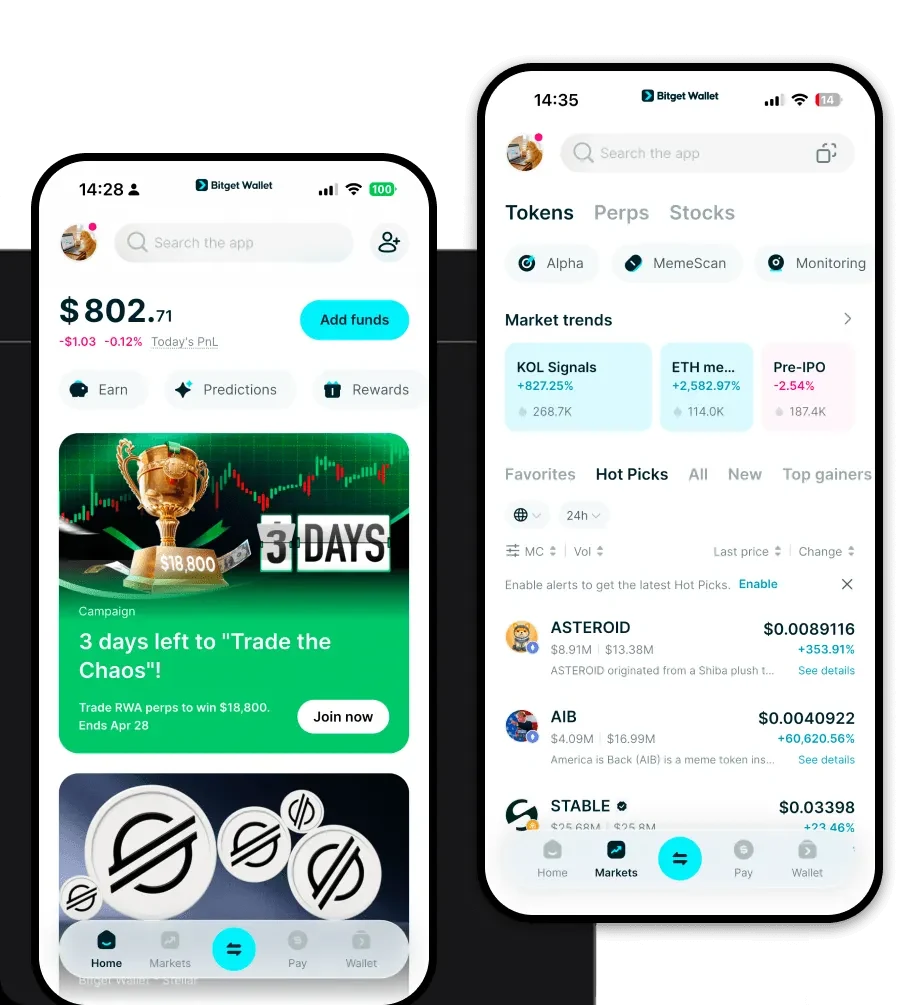
Managing your digital assets requires a tool that balances security with ease of use. To get started, you should download Bitget Wallet, which serves as a powerful gateway for your Memex holdings. As a non-custodial solution, Bitget Wallet ensures you maintain full ownership of your private keys, providing a layer of security essential for Web3 enthusiasts. Whether you prefer managing your portfolio on the go or from your desktop, the platform offers a seamless experience across iOS, Android, and browser extensions. You can download Bitget Wallet today to gain immediate access to a multi-chain environment that supports over 130 mainnets, ensuring your Memex tokens are always accessible alongside your other digital assets.
3. Why Choose Bitget Memex Wallet?
- EVM Ecosystem Integration: Since Memex is built on EVM infrastructure, Bitget Wallet provides native support for Ethereum-based protocols, ensuring you can interact with dApps without compatibility issues.
- Advanced Infrastructure Support: As a project focused on data indexing and archival, Memex benefits from Bitget Wallet’s robust infrastructure, which handles high-frequency interactions efficiently.
- Enhanced Security Protocols: With a $300 million user protection fund, Bitget Wallet provides a safety net that protects your Memex assets against unauthorized access or potential platform vulnerabilities.
- Seamless Gas Fee Management: Managing EVM transactions requires paying gas fees; Bitget Wallet simplifies this by offering intuitive gas estimation and optimization, ensuring your transactions are processed cost-effectively.
- DApp Browser Connectivity: Easily connect to decentralized indexing platforms and storage protocols directly through the built-in DApp browser, eliminating the need to bridge between different applications.
4. How to Create a Memex Wallet
Setting up your wallet is a straightforward process designed for both beginners and experienced users. Follow these steps to get started:
- Download and Install: Visit the official website to download Bitget Wallet for your mobile device or browser extension.
- Create a New Wallet: Open the app and select 'Create a Wallet'. Ensure you are in a private environment to prevent anyone from seeing your screen.
- Secure Your Seed Phrase: The application will generate a 12-word recovery phrase. Write this down on paper and store it in a secure, offline location; never share this with anyone.
- Verify Your Setup: Follow the on-screen prompts to confirm your recovery phrase, ensuring you have backed it up correctly.
- Access Your Address: Once the setup is complete, navigate to the asset list, search for 'Memex', and add it to your dashboard to reveal your unique Memex wallet address.
5. What Can You Do With a Memex Wallet?
With your Memex wallet configured, you can fully participate in the decentralized economy. Here are the primary use cases:
- Data Indexing: Utilize your wallet to interact with decentralized indexing protocols, allowing you to query and organize on-chain data more effectively.
- Content Retrieval: Leverage the wallet to authenticate your access to decentralized content storage solutions, ensuring you can view and manage stored data archives.
- Trading: Connect your wallet to DEX aggregators supported by Bitget to swap Memex tokens with high liquidity and minimal slippage.
- Governance Voting: Participate in the project's decentralized autonomous organization (DAO) by using your Memex tokens to vote on protocol upgrades and governance proposals.
- Staking: Lock your Memex tokens within supported staking contracts to earn potential rewards, contributing to the security and stability of the network.
6. How Memex Wallets Are Different from Other Crypto Wallets
Not all wallets are built the same, especially when dealing with specific infrastructure like the EVM. Unlike Bitcoin wallets that rely on the UTXO model—which tracks unspent transaction outputs—a Memex wallet operates on an account-based model typical of the EVM. This means your wallet functions more like a bank account, where your balance is tracked as a state variable in the blockchain. Furthermore, while some wallets struggle with complex smart contract interactions, a dedicated Memex wallet environment ensures that gas fee management and contract execution are optimized. This distinction is crucial for users who need to interact with data archival and indexing protocols, as the EVM compatibility provided by Bitget Wallet ensures that your assets and data interactions are processed with the speed and reliability required for modern Web3 applications.
