





What is a BTR Wallet?
$BTR is positioned as a rising star within the Bitcoin Layer 2 ecosystem. It is supported by top-tier venture capital and has gained significant market attention, with listing activity across major exchanges like Binance. The project is currently heavily focused on community growth through popular airdrop campaigns, while also incorporating meme-driven market sentiment to attract retail participation. As a native asset operating within the Bitcoin Layer 2 infrastructure, holding BTR requires a wallet that understands the specific architectural nuances of the BTC chain, ensuring that your assets are not just stored, but fully integrated into the evolving Bitcoin ecosystem.
Download Bitget BTR Wallet
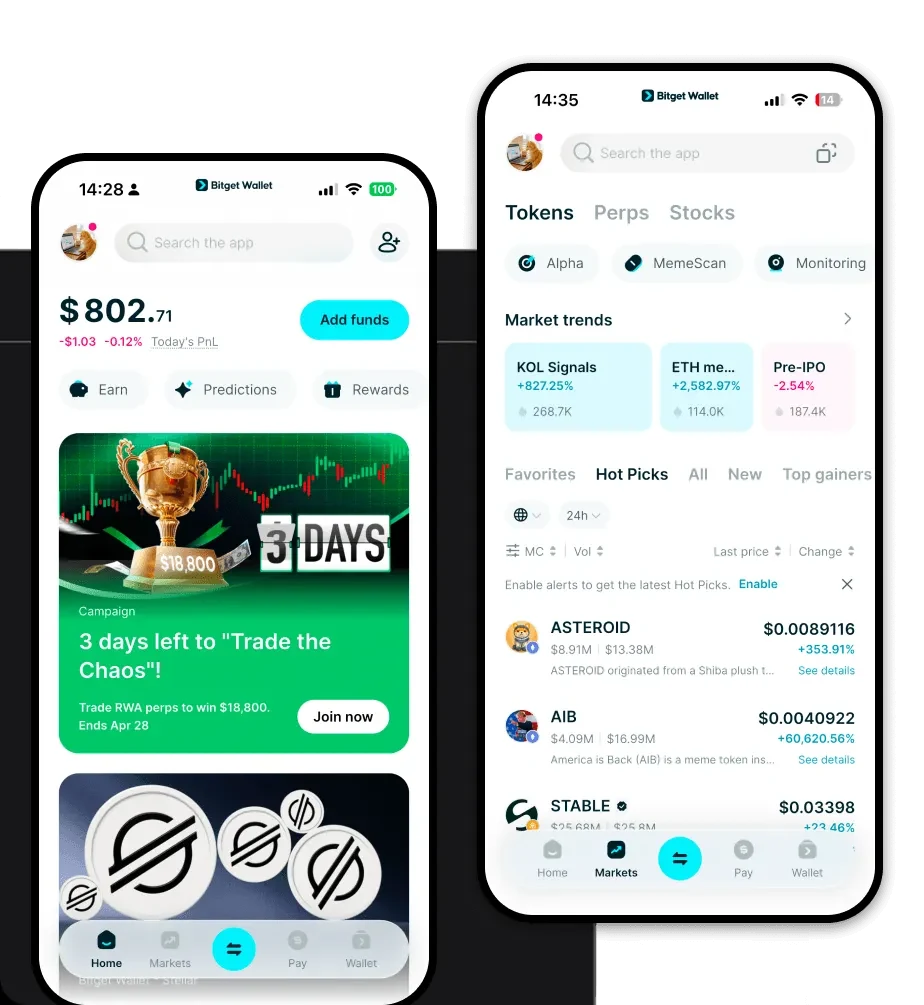
Finding the right home for your BTR requires a balance between security and accessibility. The Bitget Wallet serves as a robust gateway for managing your assets, providing a seamless interface that handles complex multi-chain interactions behind the scenes. Whether you are on the go or managing your portfolio from a desktop, you can access the platform across iOS, Android, and browser extensions. By choosing to download Bitget Wallet, you are opting for a non-custodial solution that ensures you maintain full control over your private keys, which is essential for any serious participant in the Bitcoin ecosystem.
Why Choose Bitget BTR Wallet?
When dealing with Bitcoin Layer 2 infrastructure, your choice of wallet impacts more than just storage; it impacts your ability to interact with the chain effectively. Here is why Bitget stands out:
- Native Bitcoin L2 Scalability: The wallet is engineered to handle the throughput demands of L2 networks, allowing you to interact with high-performance transaction processing without congestion.
- Robust Security Standards: Utilizing advanced encryption and a dedicated user protection fund, the wallet provides a fortress for your assets, essential when navigating the complexities of the BTC ecosystem.
- Advanced Cross-Chain Interoperability: It bridges the gap between different networks, allowing you to move assets fluidly between the main chain and Layer 2 solutions.
- Intuitive UX for Infrastructure Assets: Unlike bare-bones wallets, Bitget provides a comprehensive suite of tools that simplify the management of complex infrastructure tokens like BTR.
How to Create a BTR Wallet
Setting up your wallet is the first step toward participating in the BTR ecosystem. Follow these steps to get started:
- Download and Install: Visit the official site to download Bitget Wallet on your preferred device.
- Create a New Wallet: Open the application and select 'Create a Wallet' to generate a new set of credentials.
- Secure Your Seed Phrase: You will be presented with a recovery phrase; write this down physically and store it in a secure location, as it is the only way to recover your funds.
- Add BTR to Your Display: Navigate to the token management section, search for BTR, and toggle it to 'On' to ensure it appears on your main dashboard.
- Verify Your BTR Wallet Address: Click on your BTR asset to reveal your unique BTR wallet address, which you can use to receive tokens from exchanges or other users.
What Can You Do With a BTR Wallet?
Owning BTR is just the beginning; the wallet serves as your portal to the broader ecosystem. Here is how you can utilize your holdings:
- Staking: You can lock your BTR tokens into designated smart contracts to earn passive yield, effectively putting your idle assets to work.
- Trading: The integrated decentralized exchange aggregator allows you to swap BTR for other assets at optimal rates directly within the app interface.
- Participating in Airdrops: By holding BTR in your self-custodial wallet, you remain eligible to participate in community-driven airdrop campaigns that are frequently launched to reward active users.
- Community Governance: You can use your holdings to vote on key proposals, allowing you to have a direct say in the future development and direction of the project.
- Liquidity Provision: You can contribute your BTR to liquidity pools on decentralized exchanges, providing essential market depth and earning a portion of the transaction fees generated by the protocol.
How BTR Wallets Are Different from Other Crypto Wallets
Not all wallets are created equal, especially when moving away from the standard EVM-based (Ethereum) models. While many wallets are designed for the Account model used by Ethereum, a proper BTR wallet must be optimized for the UTXO (Unspent Transaction Output) model inherent to the Bitcoin ecosystem. This difference is critical: EVM wallets rely on gas fees for simple transaction execution, while BTR-compatible wallets must manage the complexities of UTXO, which involves handling transaction inputs and outputs to ensure accuracy and finality. Furthermore, because BTR is a Layer 2 infrastructure project, your wallet needs to support the specialized scaling mechanisms that allow for high-performance processing, a feature that standard wallets often lack. By choosing a wallet built for this specific architecture, you ensure your transactions are processed with the speed and reliability required by modern Bitcoin-based applications.
