




What is a BABL Wallet?
A BABL wallet is a digital interface designed to interact with the Ethereum Virtual Machine (EVM) ecosystem where your BABL tokens reside. Since BABL (Babylon Finance) operates on EVM-compatible chains, any wallet you choose must support ERC-20 token standards to function correctly. Babylon Finance was a community-led asset management protocol that allowed users to invest together in DeFi strategies. Note: The project has officially shut down as of 2022, though the token may still exist in wallets or on secondary markets. Because the protocol is no longer active, holding the token requires a wallet that offers transparency and security, allowing you to view your holdings directly on the blockchain without relying on the defunct project’s original interface.
Download Bitget BABL Wallet
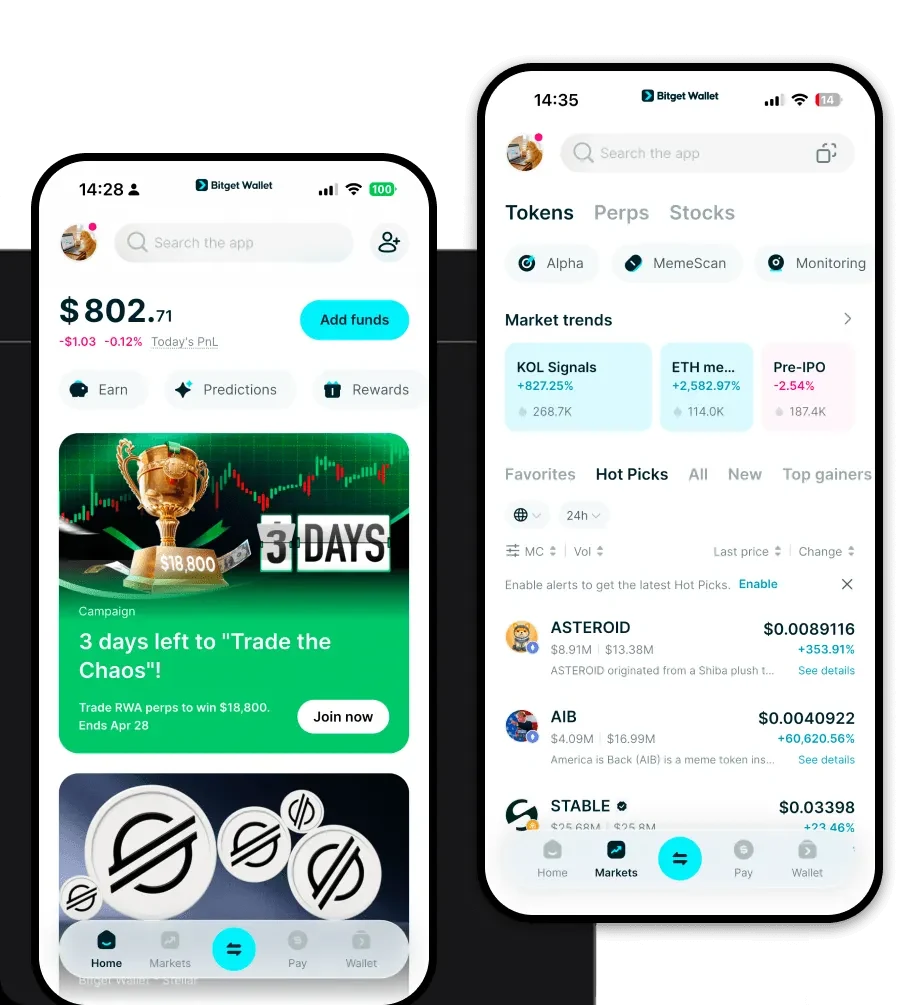
Managing legacy tokens like BABL requires a wallet that prioritizes long-term security and multi-chain flexibility. Bitget Wallet stands out as a premier choice for users who need a reliable, self-custody solution for their EVM assets. Whether you are accessing your portfolio on the go or checking balances from your desktop, Bitget Wallet provides a seamless experience across iOS, Android, and browser extensions.
By choosing to download Bitget Wallet, you gain access to a platform that supports over 130 public chains and millions of tokens, ensuring that even if a project like Babylon Finance has evolved or shut down, your access to the underlying asset remains uninterrupted. With self-custody features, you retain complete ownership of your private keys, meaning no third party can restrict your access to your tokens.
Why Choose Bitget BABL Wallet?
- Deep EVM Compatibility: Bitget Wallet is built for the EVM ecosystem, ensuring that legacy tokens like BABL are easily imported and displayed correctly without complex configuration.
- Robust Security Architecture: With over $300 million in the user protection fund, Bitget Wallet offers a layer of safety that protects your assets against potential vulnerabilities.
- Intuitive Asset Management: You can easily track the current market value of your tokens, even for projects that are no longer actively developed, thanks to the integrated market data feeds.
- Non-Custodial Control: Unlike centralized exchanges, Bitget Wallet is fully decentralized, meaning you are the sole custodian of your private keys and recovery phrases.
- Seamless DApp Integration: Should you need to move your assets to secondary markets or DEXs to swap them, the built-in DApp browser allows for secure, direct interaction with various liquidity protocols.
How to Create a BABL Wallet
Setting up your wallet is a straightforward process designed for both beginners and experienced DeFi users:
Step 1: Visit the official website and download Bitget Wallet for your mobile device or browser extension.
Step 2: Open the application and select 'Create a New Wallet' to generate a unique set of recovery phrases.
Step 3: Back up your seed phrase immediately. Write it down on paper and keep it in a secure, offline location; never share this with anyone.
Step 4: Once your wallet is initialized, access the 'Add Token' or 'Manage Tokens' section within the asset dashboard.
Step 5: Since BABL operates on the EVM, simply import the token using its contract address. Your wallet will automatically sync with the blockchain to display your current holdings.
What Can You Do With a BABL Wallet?
Even though the original Babylon Finance protocol has ceased operations, your BABL wallet serves as a critical tool for managing the assets you still hold. Here is how you can utilize your wallet:
- Trading: You can use your wallet to connect to decentralized exchanges (DEXs) to swap BABL for other assets if liquidity is available on secondary markets.
- Governance Voting: In the context of the original protocol, tokens were used for governance; while the project has ended, your wallet remains the proof-of-ownership for any legacy governance rights associated with your address.
- Holding: Your wallet acts as a secure vault for long-term storage, providing a clear interface to view your balance without the need to interact with the now-defunct protocol.
- Portfolio Management: You can track your total net worth and asset allocation across multiple chains, ensuring you have a complete view of your decentralized portfolio in one place.
How BABL Wallets Are Different from Other Crypto Wallets
When managing EVM-based tokens like BABL, the choice of wallet significantly impacts how you interact with the chain. Unlike wallets designed for UTXO-based chains (like Bitcoin), which focus on individual transaction inputs and outputs, a BABL-compatible wallet is built around the Account-based model. This model is essential for the EVM, as it tracks the state of your address, including token balances and smart contract interactions.
Furthermore, because BABL is an EVM token, your wallet must be adept at handling Gas Fees—the native cryptocurrency required to process transactions on the Ethereum network. Bitget Wallet optimizes this process by providing real-time gas estimates, preventing failed transactions. Unlike wallets for chains that use complex resource models (like EOS), an EVM wallet simplifies the user experience by focusing on transaction speed and compatibility with the vast array of DeFi protocols currently active on the Ethereum mainnet.
