



What is a flow Wallet?
A flow wallet is a digital interface designed to interact with the flow token, an experimental asset built on the EVM (Ethereum Virtual Machine) blockchain. RobinFlow originates from community discussions about 'streamflow' and Robinhood lock-in technology. It was initiated by anonymous/community developers as a derivative experimental token, focusing on technology verification such as streaming payments and contract locking. It aims to provide testable protocols and tools for DeFi developers and experimental communities. Because it operates within the EVM ecosystem, a flow wallet serves as your gateway to decentralized finance, allowing you to hold, transfer, and interact with smart contracts that govern these experimental features.
Download Bitget flow Wallet
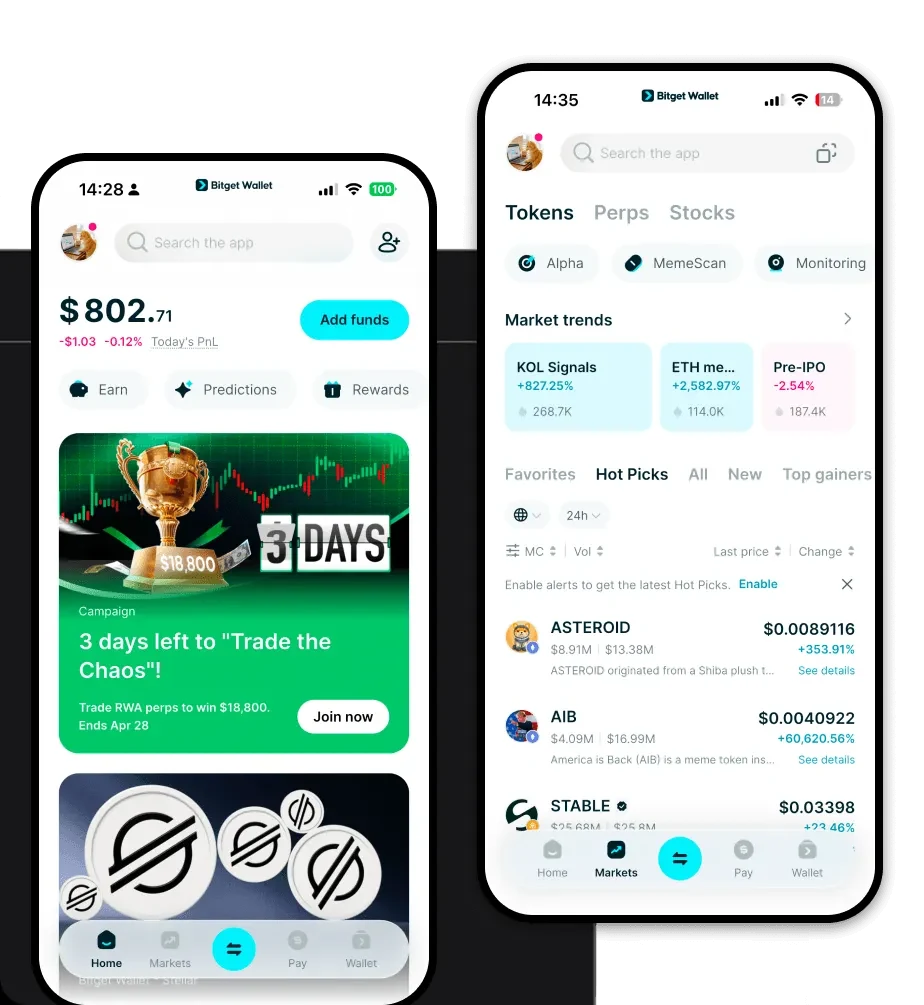
To fully engage with the flow ecosystem, you need a robust, self-custodial interface. We recommend you download Bitget Wallet to get started. Bitget Wallet provides a comprehensive solution for managing your assets, ensuring you retain full control over your private keys. Whether you are using an iOS device, an Android smartphone, or prefer the convenience of a browser extension on your desktop, Bitget Wallet offers a seamless experience. Its multi-chain architecture means you aren't limited to just one network; you can manage flow alongside hundreds of other tokens across 130+ blockchains, all within a single, unified interface.
Why Choose Bitget flow Wallet?
Choosing the right wallet for an EVM-based DeFi token like flow is critical. Bitget Wallet is optimized for the specific demands of the EVM ecosystem:
- MetaMask Compatibility: Seamlessly import your existing EVM wallets and interact with decentralized applications (DApps) without friction.
- Smart Gas Management: Benefit from real-time gas fee tracking and optimization, ensuring your transactions are cost-effective during high network demand.
- Advanced DeFi Integration: Access a built-in DApp browser that allows you to connect directly to experimental protocols and DeFi platforms without leaving your wallet.
- Institutional-Grade Security: Your assets are protected by a $300 million user protection fund, offering an extra layer of security for your experimental holdings.
- Multi-Chain Synergy: Easily swap flow for other assets across different chains using the integrated cross-chain bridge, simplifying your liquidity management.
How to Create a flow Wallet
Creating your secure gateway for flow is straightforward:
Step 1: Download and install the Bitget Wallet application from the official website or your device's app store.
Step 2: Open the app and select 'Create a Wallet.' Ensure you are in a private space when generating your mnemonic phrase.
Step 3: Carefully write down your seed phrase and store it offline. Never share this with anyone, as it is the master key to your funds.
Step 4: Once the wallet is created, navigate to the 'Manage Tokens' section and use the search bar to add the flow token contract address to your dashboard.
Step 5: Your flow wallet address is now ready. You can copy this address from the dashboard to receive tokens from exchanges or other wallets.
What Can You Do With a flow Wallet?
Holding flow in your Bitget Wallet unlocks a variety of technical and community-driven opportunities:
- Testing DeFi Protocols: Use your wallet to interact with early-stage smart contracts, allowing you to participate in the stress-testing of new decentralized financial mechanisms.
- Executing Streaming Payment Logic: Utilize the wallet's interface to engage with streaming payment protocols, facilitating continuous asset transfers rather than one-time transactions.
- Token Lock-up Experiments: Participate in contract locking mechanisms that test time-based asset release schedules, which are essential for understanding long-term yield strategies.
- Community Governance Participation: Use your held tokens to cast votes on proposals or initiatives within the community-driven development roadmap.
- Liquidity Provision for Experimental Pairs: Supply your flow tokens to decentralized exchanges to provide liquidity, earning potential fees while supporting the stability of experimental trading pairs.
How flow Wallets Are Different from Other Crypto Wallets
When managing flow, it is important to recognize how EVM-based wallets differ from other architectures. Unlike Bitcoin wallets that rely on the UTXO (Unspent Transaction Output) model, a flow wallet uses an account-based model. This means your balance is tracked as a single state within a smart contract account. Because flow operates on the EVM, your wallet must handle gas fees—the computational cost for executing smart contracts—which is a distinct requirement compared to low-fee or feeless chains. Furthermore, Bitget Wallet optimizes for speed and DApp connectivity, providing a much more dynamic environment for DeFi enthusiasts compared to basic, static storage wallets.
