





1. What is an EDC Wallet?
An EDC wallet is a secure digital interface designed to store, manage, and interact with your EDC tokens. Because EDC operates within the EVM (Ethereum Virtual Machine) ecosystem, your wallet acts as a gateway to decentralized finance, allowing you to interface with smart contracts and dApps seamlessly. Whether you are holding for the long term or actively participating in liquidity provision, having the right wallet is crucial for maintaining control over your private keys and assets.
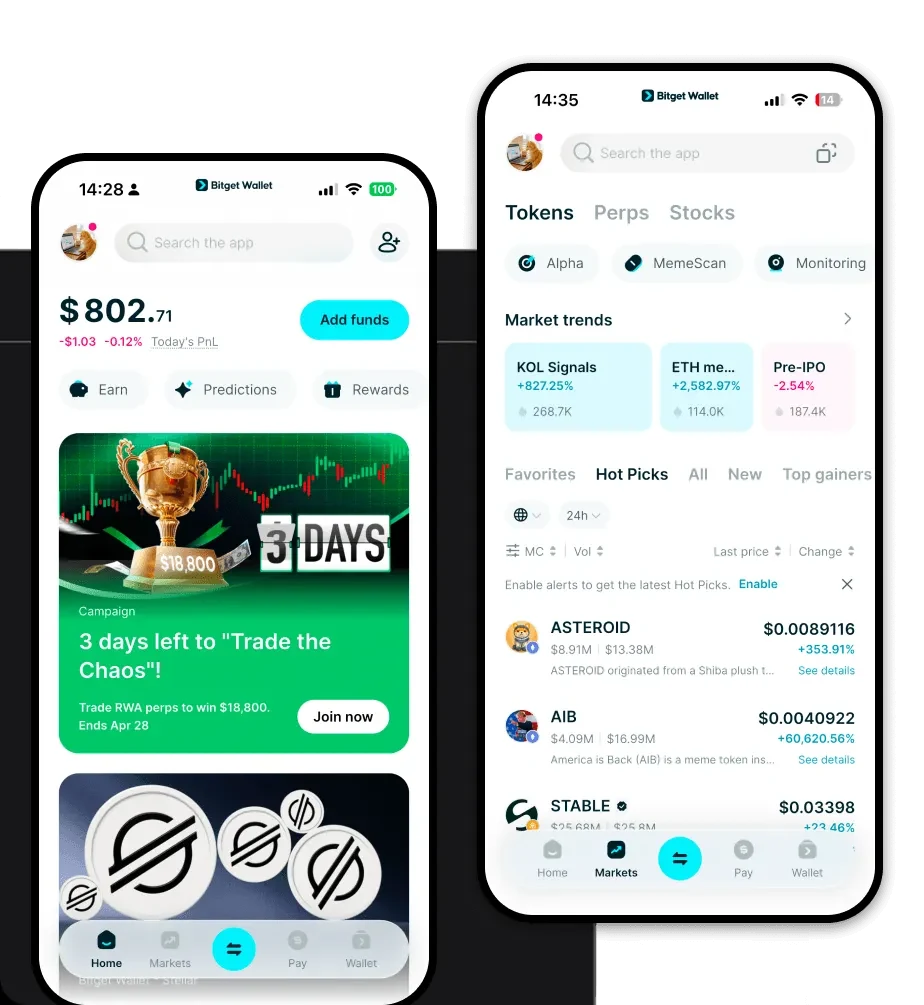
Are you looking for a reliable and secure crypto wallet for your EDC? Bitget Wallet will be your best choice. Trusted by 40 million users, you can freely explore Web3 on Bitget Wallet. Start your journey now!
2. Download Bitget EDC Wallet
Getting started with your EDC journey is simple and secure. To ensure full control over your assets, you should use a self-custodial solution that offers robust multi-chain support. Bitget Wallet provides a seamless experience whether you are on mobile or desktop.
You can easily download Bitget Wallet across various platforms, including iOS, Android, and as a browser extension. By choosing a non-custodial wallet, you retain total ownership of your private keys, ensuring that you are the sole controller of your EDC tokens. Once installed, the app integrates directly with the EVM ecosystem, providing a user-friendly interface that simplifies complex blockchain interactions.
3. Why Choose Bitget EDC Wallet?
Bitget Wallet stands out as a top-tier choice for EDC holders due to its deep integration with EVM chains and a focus on user security. Here are the key advantages of using Bitget Wallet for your EDC tokens:
- Seamless EVM Compatibility: Bitget Wallet is built for the EVM environment, ensuring that your EDC transactions are fast, reliable, and perfectly synced with decentralized finance protocols.
- Advanced Cross-Chain Interoperability: Effortlessly manage your assets across different networks, allowing for smooth transfers and interactions without the typical friction found in fragmented ecosystems.
- Smart Contract Audit Security: Your assets are protected by rigorous security protocols and smart contract audits, providing peace of mind when interacting with liquidity pools and dApps.
- Low Transaction Latency: Experience high-performance transaction processing, ensuring your trades and swaps are executed promptly, even during periods of high network congestion.
- Robust Liquidity Access: Gain direct access to decentralized liquidity pools, enabling you to participate in the broader DeFi economy with ease.
4. How to Create an EDC Wallet
Creating your Bitget Wallet is a straightforward process designed to get you up and running in minutes:
- Download and Install: Visit the official website to download Bitget Wallet on your preferred device.
- Create a New Wallet: Open the app and select 'Create a Wallet'. You will be prompted to set a strong security password.
- Backup Your Recovery Phrase: You will be given a 12-word mnemonic phrase. Write this down on paper and store it safely offline; never share this with anyone.
- Verify Your Setup: Follow the on-screen prompts to confirm your recovery phrase, which proves you have backed it up correctly.
- Add EDC Token: Once your wallet is initialized, go to the asset list, select 'Add Token', and search for EDC to enable it in your dashboard.
5. What Can You Do With an EDC Wallet?
Owning an EDC wallet opens the door to a wide array of DeFi activities. With Bitget Wallet, you can leverage your assets in the following ways:
- Staking for Yield Generation: Lock your EDC tokens into smart contracts to earn passive rewards and participate in network growth.
- Trading on Decentralized Exchanges: Swap your EDC for other assets directly within the wallet interface, bypassing the need for centralized intermediaries.
- Providing Liquidity to AMM Pools: Contribute your tokens to Automated Market Maker pools to earn transaction fees generated by other users.
- Participating in Governance Voting: Use your EDC holdings to vote on protocol proposals and influence the future direction of the project.
- Cross-Chain Asset Transfers: Seamlessly move your EDC across different supported chains to optimize your portfolio and access various DeFi opportunities.
6. How EDC Wallets Are Different from Other Crypto Wallets
The primary difference lies in how an EDC wallet interacts with the EVM architecture compared to other models. Unlike wallets built for UTXO-based chains (like Bitcoin), which rely on unspent transaction outputs, an EDC wallet uses an account-based model. This is essential for DeFi, as it allows for complex smart contract interactions, state changes, and programmable logic that UTXO chains cannot natively support. Furthermore, because Bitget Wallet is optimized for EVM, it manages gas fees dynamically, ensuring that your transactions are processed efficiently without the resource model complexities found in chains like EOS. This specialization makes it the superior choice for users focused on the DeFi ecosystem.
