





What is a Barter Wallet?
A Barter wallet is a digital interface designed to securely store, manage, and interact with the BARTER token. As a project deeply integrated into the Ethereum Virtual Machine (EVM) ecosystem, Barter operates on high-performance infrastructure that powers modern decentralized trading. Barter is a project often associated with decentralized trading ecosystems. Users looking for a reliable and secure crypto wallet for their BARTER holdings can utilize Bitget Wallet to manage their assets, explore Web3 applications, and interact with the broader decentralized finance ecosystem.
Download Bitget Barter Wallet
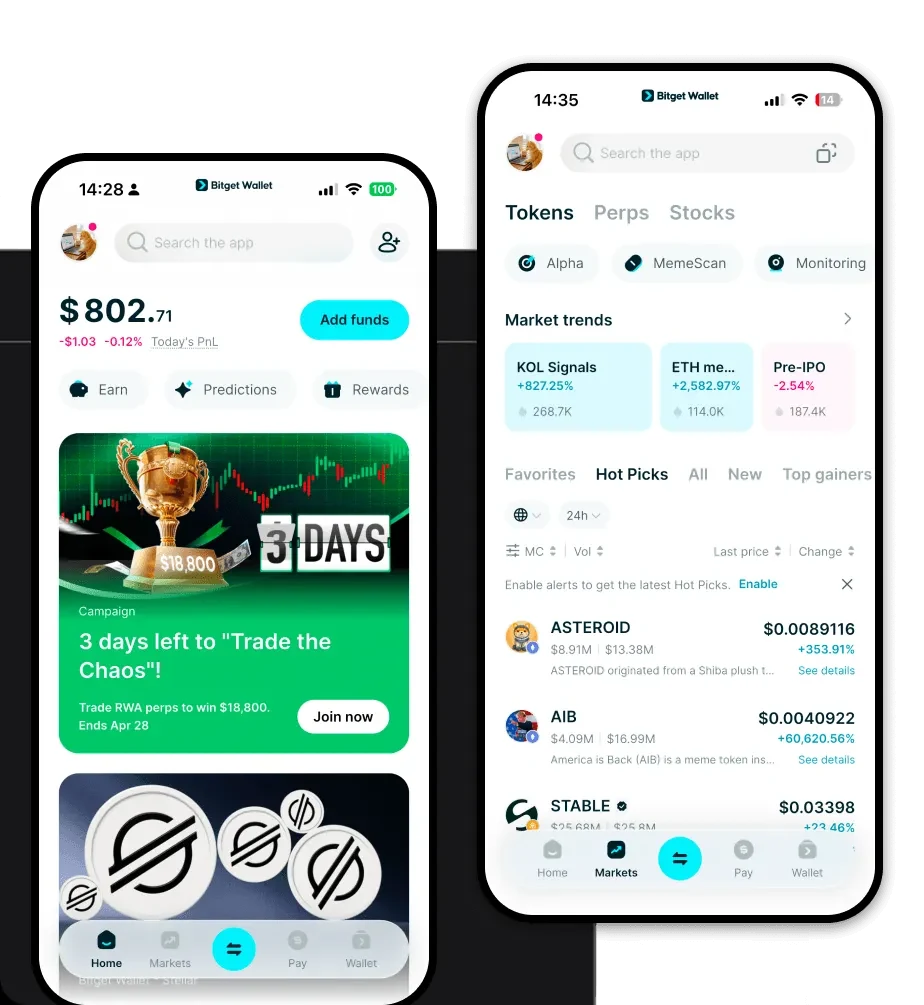
To begin managing your assets, you need a robust, non-custodial solution that puts you in total control of your private keys. Bitget Wallet serves as an all-in-one gateway, offering a seamless experience across iOS, Android, and browser extensions. With support for over 130+ blockchains, it ensures that your BARTER tokens are always accessible alongside your other multi-chain assets. Whether you are a beginner or a DeFi veteran, the intuitive interface makes asset management straightforward. Start your journey today by choosing to download Bitget Wallet and experience true self-custody.
Why Choose Bitget Barter Wallet?
- Native EVM Compatibility: Designed specifically for EVM-based tokens like Barter, ensuring seamless integration with existing smart contracts and dApps.
- Advanced DEX Aggregation: Access superior liquidity by routing trades through hundreds of decentralized exchanges directly within the wallet interface.
- Low Transaction Latency: Optimized for high-speed interactions, ensuring your trades and DeFi actions are executed with minimal delay.
- Robust Security Architecture: Backed by a $300 million user protection fund, Bitget Wallet provides enterprise-grade safety for your digital assets.
- Cross-Chain Interoperability: Easily bridge and manage your BARTER assets across various networks without needing complex external tools.
How to Create a Barter Wallet
Setting up your wallet is a critical step in securing your digital identity. Follow these steps to get started:
- Install the App: Download the official Bitget Wallet application from the App Store, Google Play, or the official website extension store.
- Create a New Wallet: Open the app and select 'Create a Wallet.' You will be prompted to set a secure, unique password for the application.
- Backup Your Seed Phrase: The wallet will generate a 12-word recovery phrase. Write this down on paper and store it in a secure, offline location. Never share this with anyone.
- Verify Credentials: Re-enter your seed phrase to confirm that you have saved it correctly. This ensures you can recover your wallet if you lose your device.
- Add BARTER: Once your wallet is active, use the 'Add Token' feature to search for the BARTER contract address on the EVM network to view your balance.
What Can You Do With a Barter Wallet?
Holding BARTER in your Bitget Wallet unlocks a wide range of decentralized financial opportunities. Here is how you can maximize your utility:
- Trading on Decentralized Exchanges: Use the built-in swap feature to trade BARTER against other tokens instantly without leaving your wallet.
- Providing Liquidity to Pools: Connect your wallet to DeFi protocols to provide liquidity, helping to facilitate decentralized trades while earning fees.
- Yield Farming: Deposit your BARTER assets into supported farming protocols to earn additional yield on your idle holdings.
- Staking for Rewards: Participate in staking mechanisms to lock your tokens and earn consistent rewards, contributing to network security.
- Governance Voting: Use your BARTER balance to participate in DAO proposals, directly influencing the future development and direction of the Barter ecosystem.
How Barter Wallets Are Different from Other Crypto Wallets
Unlike standard wallets that might struggle with complex DeFi requirements, a specialized EVM-compatible wallet like Bitget is built for the nuances of account-based blockchains. Because Barter relies on the EVM architecture, your wallet must handle gas fees efficiently and interact with smart contracts seamlessly. While some wallets are designed for simple transfers, a Barter-compatible wallet focuses on high-speed interaction and DEX integration. You benefit from a wallet that understands the nuances of automated market making and decentralized protocols, offering a smoother, more responsive experience than generic multi-coin wallets that may lack depth in DeFi functionality.
