





What is a PTF Wallet?
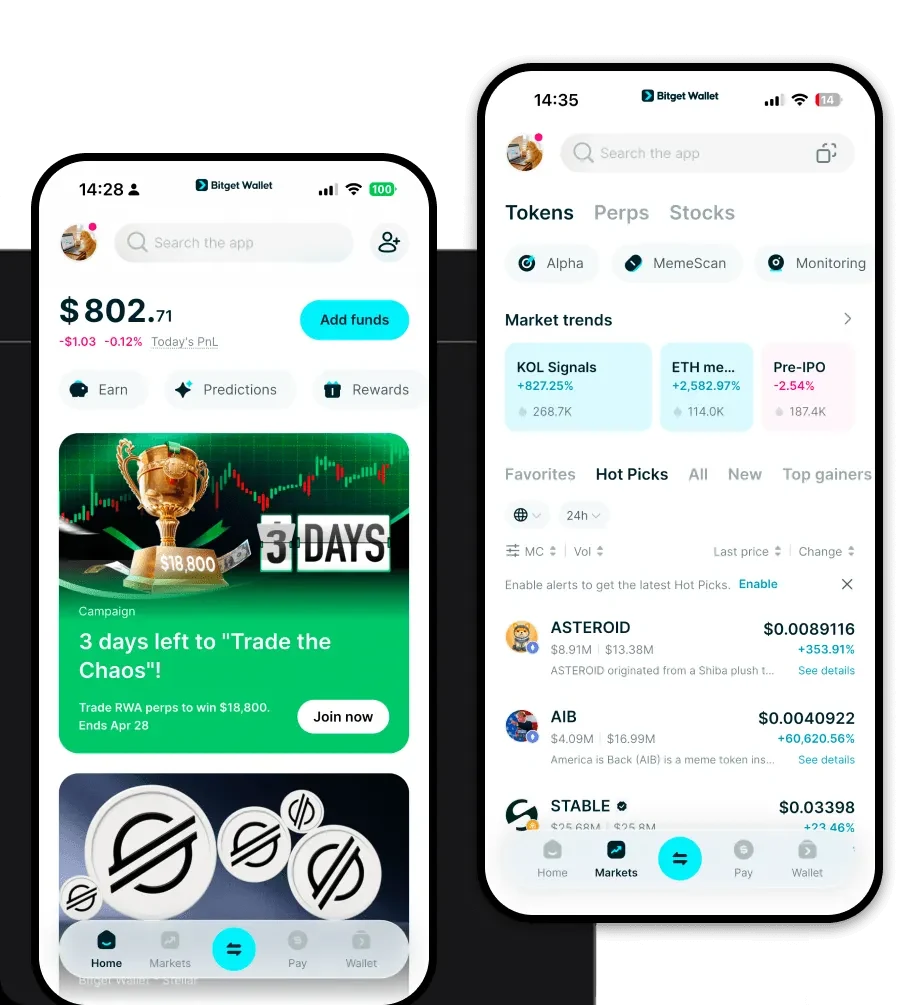
A PTF wallet is a digital interface that allows you to interact with your PTF tokens securely. Since PTF operates on the EVM (Ethereum Virtual Machine) chain, it requires a wallet capable of interpreting Ethereum-based smart contracts and tokens. Bitget Wallet provides a reliable and secure environment for managing PTF tokens, allowing users to explore Web3 ecosystems and trade assets seamlessly.
Because PTF tokens are rooted in the EVM ecosystem, your wallet acts as your personal gateway to the decentralized finance (DeFi) world, enabling you to sign transactions, approve smart contract interactions, and maintain full custody of your digital assets without relying on centralized exchanges.
Download Bitget PTF Wallet
Getting started with your PTF journey requires a robust tool that puts security and accessibility first. Bitget Wallet is designed for both novices and advanced DeFi users, offering a non-custodial experience where you retain complete control over your private keys. Whether you prefer managing assets on the go or through a desktop browser, Bitget Wallet has you covered with native applications for iOS and Android, alongside a powerful browser extension.
By choosing to download Bitget Wallet, you gain access to an ecosystem that supports over 130+ blockchains. This multi-chain capability ensures that your PTF tokens are not siloed; you can easily bridge assets, view real-time market data, and interact with various DApps directly within the interface. It is the comprehensive solution for anyone looking to secure their PTF holdings while staying active in the broader crypto market.
Why Choose Bitget PTF Wallet?
Bitget Wallet stands out as a top-tier choice for PTF holders due to its specific optimizations for the EVM environment and DeFi integration. Here is why it excels:
- EVM Compatibility: Seamlessly interact with any PTF-related smart contracts or DeFi protocols without compatibility issues, ensuring a smooth user experience similar to MetaMask but with enhanced features.
- Advanced Cross-Chain Interoperability: Easily swap your PTF tokens for assets on other chains using built-in, low-slippage bridges, eliminating the need for complex, third-party centralized exchanges.
- Decentralized Asset Custody: Take full ownership of your assets; Bitget Wallet ensures that your private keys and recovery phrases are stored locally on your device, adhering to the core ethos of self-sovereignty.
- High Liquidity Support: The wallet aggregates liquidity from hundreds of DEXs, ensuring that when you trade PTF, you get the best possible execution price and minimal impact on your portfolio.
- Smart Contract Security: Benefit from robust security audits and a $300 million user protection fund, which monitors transaction risks and helps protect you against malicious smart contract interactions.
How to Create a PTF Wallet
Setting up your wallet is a straightforward process designed to get you ready to manage PTF in minutes:
- Download and Install: Visit the official Bitget Wallet website and download the app for your mobile device or the browser extension for your computer.
- Create a New Wallet: Open the application and select 'Create a Wallet.' You will be prompted to set a strong, unique password for the app interface.
- Back Up Your Seed Phrase: The app will generate a 12-word recovery phrase. Write this down on paper and store it in a secure, offline location; never share this with anyone.
- Verify Your Setup: Follow the on-screen prompts to re-enter your seed phrase to confirm that you have saved it correctly.
- Import or Add PTF: Once your wallet is active, use the 'Add Token' feature and search for PTF using its contract address to ensure the correct token is displayed in your main dashboard.
What Can You Do With a PTF Wallet?
With Bitget Wallet, your PTF tokens are more than just numbers on a screen; they are functional assets within the DeFi ecosystem. Here are the core use cases:
- Trading: Execute instant swaps for PTF against other tokens directly within the wallet interface, leveraging the integrated decentralized exchange aggregators.
- Staking: Participate in network consensus or protocol-specific staking programs to earn passive rewards on your idle PTF holdings.
- Providing Liquidity: Deposit your PTF tokens into decentralized liquidity pools to help facilitate trades for others, earning a share of the transaction fees as a reward.
- Portfolio Management: Monitor your entire net worth across different chains, track your PTF performance trends, and manage your assets with an intuitive, real-time dashboard.
- Yield Farming: Connect your wallet to various DeFi platforms to optimize your returns by putting your PTF to work in advanced automated market-making strategies.
How PTF Wallets Are Different from Other Crypto Wallets
When managing PTF tokens, the choice of wallet matters due to the underlying architecture of the EVM chain. Unlike Bitcoin wallets that rely on the UTXO (Unspent Transaction Output) model, PTF wallets on the EVM must handle an 'Account-based' model. This means your wallet must track your balance and 'nonce' (transaction count) to ensure sequential processing of smart contract calls.
Furthermore, Bitget Wallet optimizes for the specific gas fee dynamics of the EVM. While some wallets struggle with estimating fees during network congestion, Bitget provides dynamic gas adjustments to ensure your transactions are processed efficiently without overpaying. Unlike basic wallets that might simply store tokens, a dedicated PTF wallet like Bitget integrates directly with the DeFi stack, providing a seamless experience that balances high-speed execution with the complex requirements of modern smart contract interactions.
