





What is an LCA Wallet?
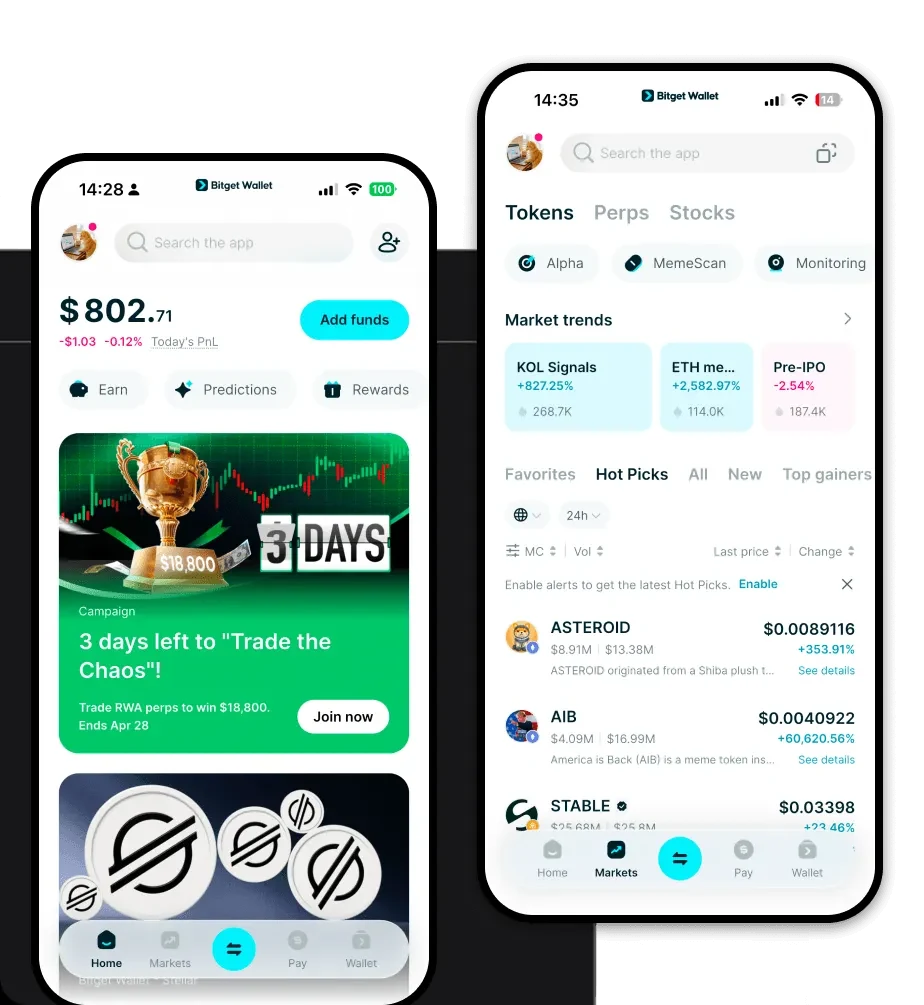
An LCA wallet is a digital interface that allows you to securely manage, store, and transact with the LCA token. Operating within the EVM (Ethereum Virtual Machine) blockchain ecosystem, LCA requires a wallet that is fully compatible with EVM standards to ensure seamless interaction with decentralized applications and smart contracts. LCA is a digital asset supported by Bitget Wallet, a secure and reliable platform trusted by 40 million users for exploring the Web3 ecosystem. Bitget Wallet provides a seamless environment for managing, storing, and interacting with the LCA token.
Download Bitget LCA Wallet
To start your journey with LCA, you need a robust, non-custodial solution that puts you in complete control of your private keys. Bitget Wallet offers a comprehensive suite of tools designed for the modern DeFi user. Whether you are on the move or at your desk, you can access your assets through the mobile app for iOS and Android, or via the browser extension for desktop convenience. With its multi-chain architecture, Bitget Wallet ensures you aren't just limited to one ecosystem, providing a unified view of your diverse portfolio. You can download Bitget Wallet today to experience a secure, self-custodial gateway to the Web3 world.
Why Choose Bitget LCA Wallet?
- EVM Native Compatibility: Designed specifically for the EVM environment, Bitget Wallet offers native support for smart contracts, ensuring you can interact with DeFi protocols without compatibility friction.
- Advanced Smart Contract Integration: The wallet streamlines interactions with complex decentralized applications, making it easier to execute transaction calls and manage approvals for your LCA assets.
- Decentralized Liquidity Access: By aggregating hundreds of DEXs, the wallet ensures you always get the best rates for your LCA trades, maximizing your capital efficiency.
- Cross-Platform Interoperability: Whether you switch between your mobile phone and your computer, your wallet remains synchronized, providing a fluid cross-platform experience.
- Enhanced Asset Security: Backed by a $300 million user protection fund, Bitget Wallet provides an extra layer of security that traditional software wallets often lack.
How to Create an LCA Wallet
- Install the App: Visit the official Bitget Wallet download page and install the application on your preferred device (iOS, Android, or Browser Extension).
- Create a New Wallet: Open the app and select 'Create a New Wallet.' Ensure you are in a private environment where no one can view your screen.
- Backup Your Seed Phrase: The app will generate a 12-word recovery phrase. Write this down on paper and store it in a secure, offline location. Never share this with anyone.
- Verify Your Setup: Follow the on-screen prompts to confirm your seed phrase, ensuring you have recorded it correctly.
- Add LCA: Once your wallet is set up, use the search function to find 'LCA' and add it to your token list so it appears on your main dashboard.
What Can You Do With an LCA Wallet?
- Trading: Execute instant swaps for LCA against other tokens directly within the wallet interface using integrated decentralized exchanges.
- Staking: Participate in network consensus or DeFi governance by staking your LCA tokens through the wallet’s dedicated staking interface to earn potential yields.
- Providing Liquidity: Deposit your LCA into decentralized liquidity pools to support market depth and earn trading fees in return.
- Portfolio Management: Monitor your entire asset performance in real-time with advanced analytics and tracking tools provided within the dashboard.
- Cross-chain Transfers: Seamlessly move your assets across different blockchain networks using the built-in cross-chain bridge technology, ensuring your LCA is always where you need it to be.
How LCA Wallets Are Different from Other Crypto Wallets
When dealing with EVM-based tokens like LCA, the wallet experience differs significantly from other ecosystems. Unlike UTXO-based chains (like Bitcoin), which focus on individual unspent transaction outputs, EVM-based wallets like Bitget use an account-based model. This means your wallet acts as a smart contract-capable address that keeps a balance and interacts with code. Furthermore, in the EVM ecosystem, you must manage 'gas fees'—the transaction costs paid to validators to process your moves. Bitget Wallet optimizes this experience by providing real-time gas fee estimates and customizable settings, ensuring you don't overpay for your DeFi interactions. This is a stark contrast to chains with different resource models, where you might need to stake specific tokens for network bandwidth; here, it is all about gas efficiency and smart contract interoperability.
