





What is a GPTITS Wallet?
A GPTITS wallet is a digital interface designed to interact with the blockchain where your GPTITS tokens reside. Since GPTITS operates on the EVM (Ethereum Virtual Machine) chain, your wallet acts as your personal gateway to the decentralized web. It is essentially a piece of software that manages the private keys required to sign transactions and prove ownership of your assets on the ledger.
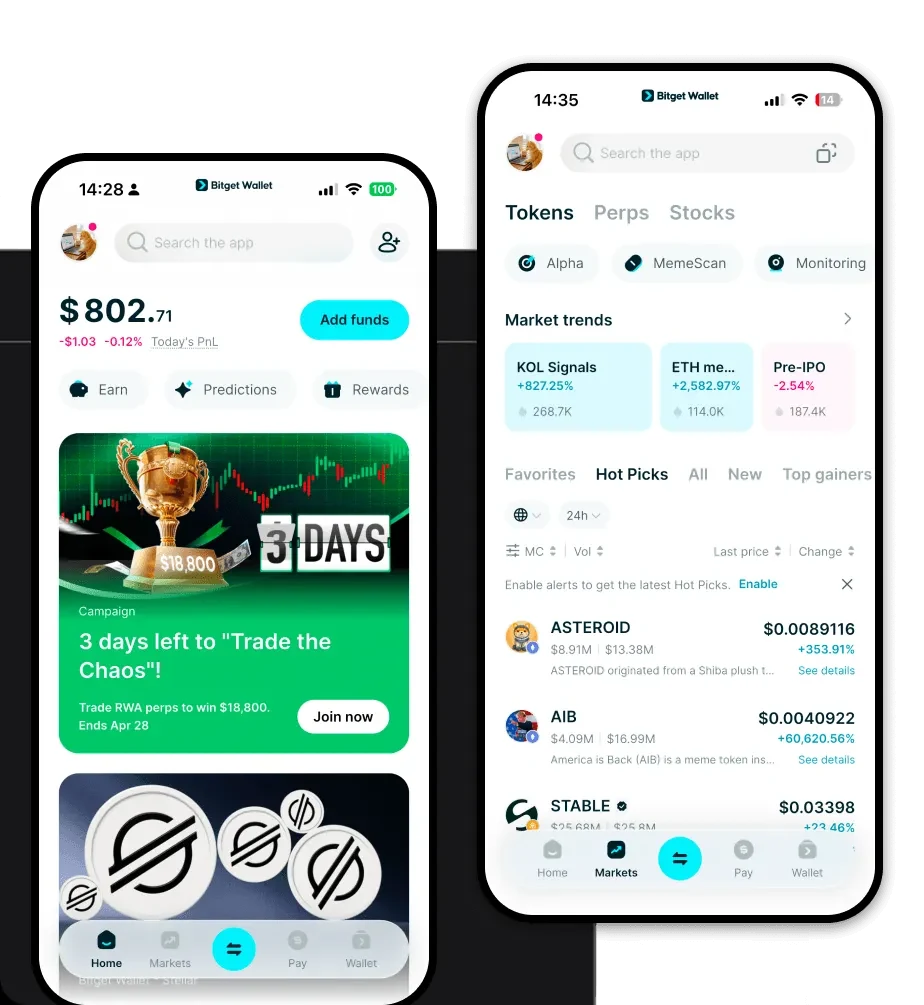
GPTITS is a token commonly associated with Web3 ecosystem activities, often integrated with wallet services like Bitget Wallet, allowing users to store, manage, and explore Web3 assets securely. Because it is built on an EVM-compatible framework, it benefits from the vast interoperability of the Ethereum ecosystem, enabling seamless interaction with decentralized applications (DApps) and smart contracts.
Download Bitget GPTITS Wallet
When searching for the best wallet for gptits, security and user experience are paramount. Bitget Wallet provides a robust, non-custodial solution that empowers users to maintain complete control over their private keys, which is the gold standard for crypto asset management. Unlike centralized exchanges, a non-custodial approach ensures that you are the sole custodian of your funds.
The gptits wallet app is available across all major platforms, ensuring you can manage your portfolio whether you are on the move or at your desk. You can download Bitget Wallet directly to your iOS or Android device, or install the browser extension for desktop access. This multi-chain support means that while you manage your GPTITS tokens, you also have the flexibility to hold assets across over 130 other mainstream blockchains, all within a single interface.
Why Choose Bitget GPTITS Wallet?
Choosing the right wallet for a meme-category token like GPTITS is critical, especially when dealing with high-frequency trading and community-driven volatility. Here is why Bitget Wallet is the preferred choice for GPTITS holders:
- Seamless EVM Compatibility: As an EVM-based token, GPTITS requires a wallet that understands the nuances of gas fees, contract interactions, and approval signatures. Bitget Wallet is optimized for these transactions, ensuring your swaps are processed with maximum efficiency.
- Advanced Decentralized Trading: For meme tokens, liquidity is everything. Bitget Wallet aggregates hundreds of DEXs and cross-chain bridges, ensuring you get the best possible price for your GPTITS trades without leaving the app.
- Community-Centric Features: Since GPTITS is community-driven, the wallet offers a dedicated DApp browser that lets you connect directly to the latest community platforms, NFT marketplaces, and staking pools associated with the token.
- Superior Asset Security: With a $300 million user protection fund, Bitget Wallet provides an extra layer of security that many other non-custodial wallets lack, giving you peace of mind while holding speculative assets.
- High Liquidity Management: The wallet’s smart-routing technology helps you navigate high liquidity potential scenarios, allowing you to enter or exit positions quickly during market spikes.
How to Create a GPTITS Wallet
Creating your secure storage for GPTITS is a straightforward process. Follow these five steps to get started:
- Install the App: Visit the official website or your app store to download Bitget Wallet. Avoid third-party sources to ensure you are downloading the genuine, secure version.
- Initialize Your Wallet: Open the app and select 'Create a New Wallet'. You will be asked to set a strong password to protect the app locally.
- Back Up Your Seed Phrase: This is the most critical step. Write down your 12 or 24-word recovery phrase on paper and store it offline. Never share this with anyone; whoever has this phrase has access to your funds.
- Configure for EVM: Since GPTITS is an EVM token, ensure your wallet is set to the correct network. Bitget Wallet usually detects this automatically, but you can manually add the token contract address if it does not appear immediately.
- Receive Tokens: Once your wallet is set up, tap the 'Receive' button to generate your gptits wallet address. You can now share this address with others to send GPTITS directly to your wallet.
What Can You Do With a GPTITS Wallet?
Once you have your GPTITS tokens safely stored, a wallet opens up a world of utility beyond simple holding. Here is how you can actively use your assets:
- Trading on Decentralized Exchanges: You can use your wallet to connect to platforms like Uniswap or other DEXs to swap GPTITS for ETH or other stablecoins, taking advantage of real-time market fluctuations.
- Holding in Non-Custodial Wallets: By keeping your tokens in a self-custodial wallet, you are immune to exchange insolvency risks and retain full, sovereign control over your digital assets.
- Speculative Investment: As a meme-category token, GPTITS is often used for speculative investment, and your wallet allows you to track your portfolio performance and rebalance your assets instantly as market sentiment shifts.
- Cross-Chain Asset Transfers: If you need to move your assets or interact with other chains, the built-in cross-chain bridge features allow you to swap or bridge your tokens seamlessly without needing to move funds through a centralized exchange.
How GPTITS Wallets Are Different from Other Crypto Wallets
When you use a wallet for an EVM token like GPTITS, you are entering an 'Account-based' model rather than the 'UTXO' model used by Bitcoin. This difference is fundamental. In the UTXO model, you manage 'unspent transaction outputs,' which can feel rigid. In the EVM account-based model, your wallet tracks a balance associated with an address, which is much more conducive to the complex smart contract interactions required by meme tokens and DeFi protocols.
Furthermore, EVM-compatible wallets like Bitget Wallet handle gas fees differently. You must maintain a small balance of the native chain currency (e.g., ETH) to pay for 'gas'—the transaction fees required to process your GPTITS trades. Unlike wallets designed for low-cost, high-performance chains like Solana, which use a different resource model, an EVM wallet is built specifically to handle the robust, decentralized nature of the Ethereum ecosystem, prioritizing security and smart contract execution over pure raw speed.
