Yen Carry Trade Impact on Crypto Markets After Bank of Japan Holds Rates at 0.75%

The yen carry trade is having an impact on crypto markets. This is one reason why Bitcoin prices drop suddenly even when there is no news about crypto. Lately markets have been reacting a lot even when there are no events in the crypto world. This makes us wonder why is Bitcoin dropping much without any crypto news.
The reason for this is because of changes in the world economy. The Bank of Japan is keeping interest rates at 0.75 percent. This is a change from the past when rates were very low. Now there is money moving around the world and people are more likely to stop using the yen carry trade. This is making markets more volatile.
In this article we will explain how the yen carry trade affects crypto markets. We will also talk about how the USD/JPY rate affects crypto traders and what they can do to adapt. We will show people how to use tools like Bitget Wallet to trade.
Key Takeaways
- Yen carry trade impact on crypto markets is driven by global liquidity cycles and FX dynamics
- BOJ’s 0.75% rate signals tighter financial conditions and rising unwind risk
- USD/JPY volatility crypto traders track can trigger Bitcoin sell-offs without crypto news
- A Bitcoin liquidity squeeze often follows cross-asset deleveraging events
- Investors must adapt with macro awareness, risk control, and tools like Bitget Wallet
Why Is the Bank of Japan’s 0.75% Rate Driving the Yen Carry Trade Impact on Crypto Markets?
The yen carry trade is closely tied to what the Bank of Japan's doing with interest rates. Now that rates are at 0.75% it costs more to borrow yen. This makes it more likely that people will stop using the yen carry trade. This change is affecting how much money is moving around and that is affecting Bitcoin prices.
What does the Bank of Japan’s 0.75% rate mean for global markets?
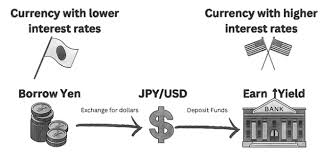
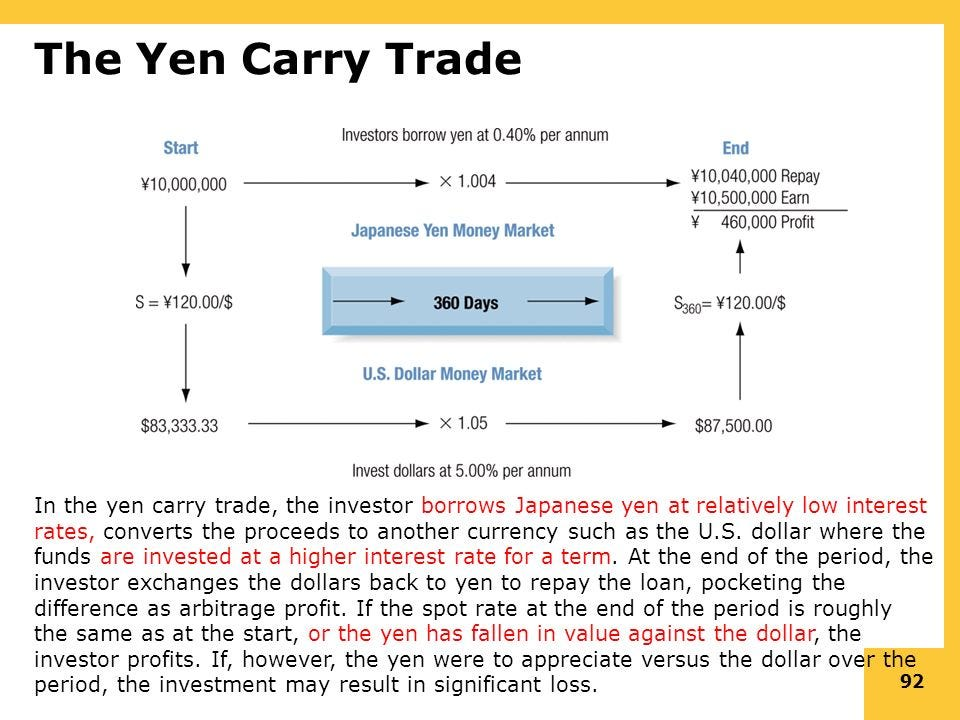
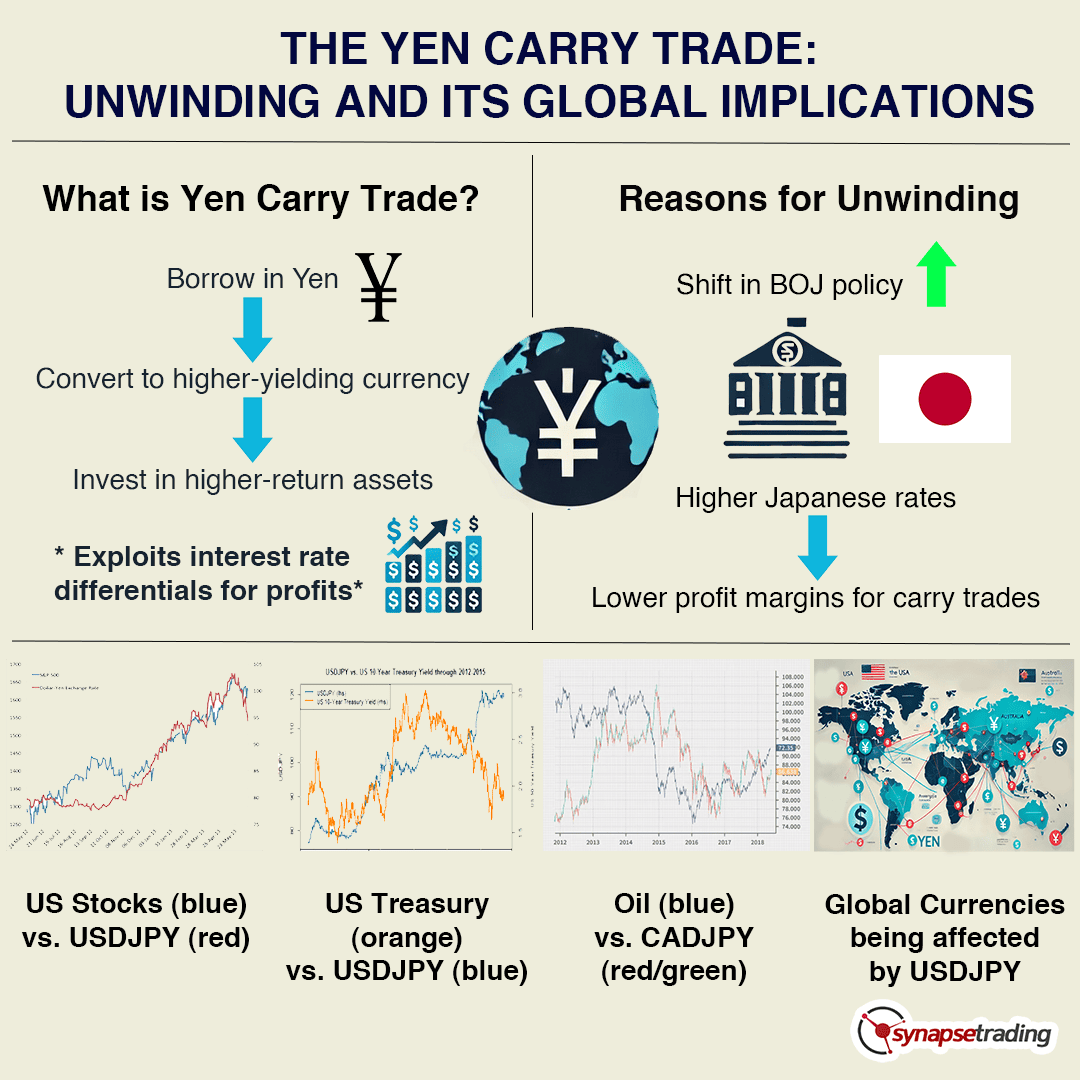
The decision by the Bank of Japan to hold rates at 0.75% fundamentally changes how global capital is allocated. For decades, ultra-low Japanese rates made the yen the cheapest funding currency in the world. This enabled large-scale carry trades, where investors borrowed yen to deploy capital into higher-yield assets such as equities, bonds, and increasingly, crypto.
Now, as rates rise, that equation begins to break. The cost of borrowing increases, and the risk of currency fluctuations becomes more significant—directly weakening the foundation of the carry trade model. This shift is a key driver behind the yen carry trade impact on crypto markets, as capital starts to rotate out of risk assets when returns no longer justify the funding risk.

Source X
- Investors borrow low-cost yen to invest in higher-yield assets
- Profits rely on two conditions: low interest rates and stable exchange rates
- Higher Japanese yields reduce the interest rate differential advantage
- Currency risk increases as the yen strengthens
- Leveraged positions become more fragile and sensitive to volatility
As funding becomes more expensive, investors begin unwinding positions, which leads to a gradual withdrawal of liquidity from global markets—including crypto. This process often sets the stage for a Bitcoin liquidity squeeze and broader crypto market deleveraging.
How does this connect to USD/JPY volatility and crypto markets?
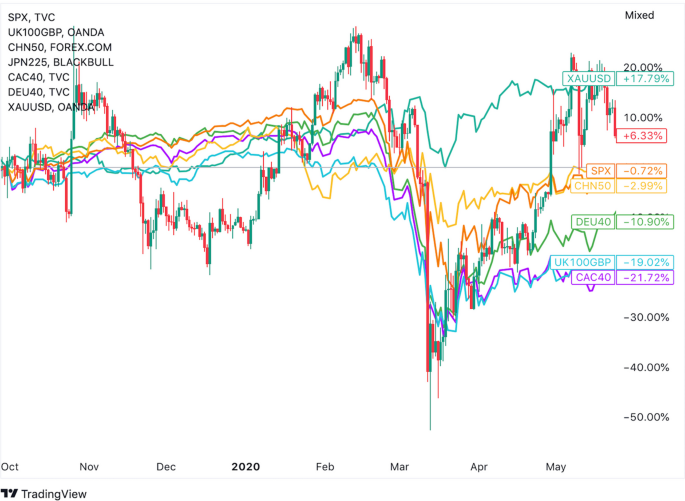
The link between FX markets and crypto becomes clearer when looking at USD/JPY volatility. When the yen strengthens rapidly against the dollar, it puts immediate pressure on carry trades. This is because investors must repay yen-denominated loans with a now more expensive currency, forcing them to sell assets to cover positions.
Source X
This is where USD/JPY volatility crypto traders watch becomes a critical leading indicator. Sharp moves in this pair often precede liquidity shocks across global markets, including Bitcoin.
- A stronger yen increases the cost of maintaining leveraged positions
- Rapid FX moves trigger margin calls and forced liquidations
- Cross-asset selling begins as investors reduce exposure
- Liquidity drains from both traditional and crypto markets simultaneously
- Correlation between FX and crypto strengthens during stress periods
This is where the yen carry trade unwind impact on BTC becomes most visible. Bitcoin doesn’t drop because of negative crypto news—instead, it reacts to global liquidity tightening. This dynamic explains why Bitcoin drops without crypto news and highlights the growing importance of global liquidity and crypto correlation in today’s market cycle.
Read more: How to trade USD/JPY
Why Is the Bank of Japan’s 0.75% Interest Rate a Turning Point?
The decision by the Bank of Japan to maintain interest rates at 0.75% marks a major inflection point in global monetary dynamics. For decades, Japan acted as the anchor of cheap liquidity, enabling massive capital flows into higher-yielding markets worldwide.
Now, as policy normalizes, that liquidity is no longer guaranteed. The rising cost of yen funding is accelerating the risk of a yen carry trade unwind, which directly feeds into USD/JPY volatility crypto investors are now closely tracking. This shift is not just a regional story—it is a global repricing of risk that affects crypto liquidity at its core.

Source X
What does the current 0.75% rate signal about Japan’s policy shift?
The move to 0.75% signals the end of an era where Japanese monetary policy consistently supported global risk-taking. Even though the rate may seem low compared to other economies, the direction of change is what matters most.
- End of ultra-loose monetary policy that lasted decades
- Transition toward normalization and tighter financial conditions
- Reduced availability of cheap yen funding for global markets
- Increased sensitivity of global assets to Japanese policy decisions
From a macro perspective, this reinforces the growing global liquidity and crypto correlation, where changes in one major economy can ripple across all risk assets, including Bitcoin.
How do rising Japanese yields disrupt carry trade strategies?
Carry trades depend on stable funding costs and predictable currency behavior. When Japanese yields rise, both of these assumptions break down—making the strategy significantly riskier.
- Higher borrowing costs reduce profit margins for leveraged trades
- Narrower interest rate differentials weaken the incentive to hold positions
- Increased probability of yen appreciation raises FX risk
- Leveraged positions become more vulnerable to sudden unwinds
As these pressures build, investors are forced to reduce exposure, triggering a yen carry trade unwind. This process often leads to crypto market deleveraging and contributes to a Bitcoin liquidity squeeze, especially during periods of heightened USD/JPY volatility crypto markets react to quickly.
What are markets expecting from future BOJ rate decisions?
Markets are now forward-looking, and expectations around future policy moves are becoming just as important as the current rate level.
- Potential for further rate hikes if inflation persists
- Continued normalization of Japan’s monetary policy
- Increased uncertainty in FX markets, especially USD/JPY
- More frequent volatility spikes across global assets
For crypto investors, this means that USD/JPY volatility crypto signals are likely to remain a key driver of price action. Each policy shift—or even a change in expectations—can trigger rapid adjustments in global capital flows.
Ultimately, the yen carry trade impact on crypto markets is no longer a one-time event but an ongoing dynamic. As Japan tightens policy, the connection between macro conditions and crypto liquidity will only become stronger, shaping how Bitcoin and the broader market behave in this new cycle.
How Does the Yen Carry Trade Impact Crypto Markets in Practice?
The yen carry trade impact on crypto markets becomes most evident during periods of financial stress, when liquidity tightens quickly and correlations across assets spike. In these moments, a yen carry trade unwind doesn’t stay confined to FX markets—it spreads across equities, bonds, and ultimately crypto.
As volatility rises, leveraged positions face increasing pressure. Investors who previously borrowed cheap yen to fund risk assets are forced to reduce exposure, triggering a chain reaction of selling. This is how macro conditions translate directly into a Bitcoin liquidity squeeze and broader crypto market deleveraging, even when there is no negative crypto-specific catalyst.
Source X
How does a yen carry trade unwind trigger Bitcoin sell-offs?
The transmission mechanism from FX markets to crypto is driven by leverage and liquidity—not sentiment.
- FX volatility increases rapidly in pairs like USD/JPY
- Rising volatility triggers margin calls on leveraged positions
- Investors are forced to sell assets to reduce risk
- Cross-asset liquidation spreads from equities to crypto
- Bitcoin becomes part of a broader deleveraging cycle
This cause → effect chain explains how yen carry trade affects Bitcoin price in real time. The selling is not discretionary—it is forced, which makes price drops sharper and faster.
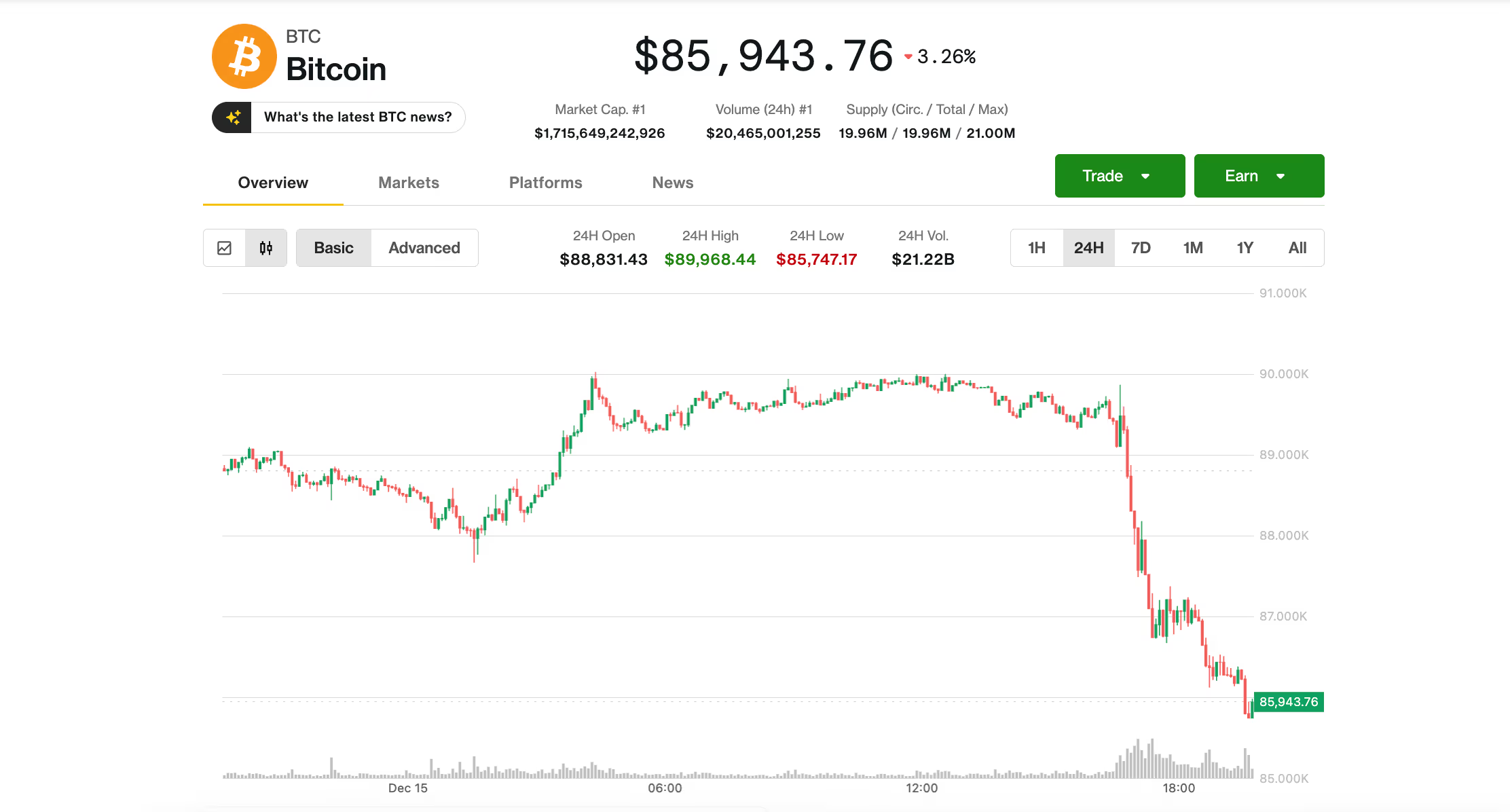
Why does Bitcoin drop without any crypto news?
One of the most confusing aspects for investors is why Bitcoin drops without crypto news. The answer lies in liquidity flows rather than narratives.
- Capital exits risk assets simultaneously across markets
- Macro shocks override crypto-specific fundamentals
- Liquidity conditions deteriorate rapidly
- Correlation between assets increases during stress
In the current cycle, macro drivers dominate. This is why understanding the yen carry trade impact on crypto markets is essential—because price action is increasingly dictated by global liquidity shifts rather than internal crypto developments.
Source X
What happens to liquidity and trading conditions during these events?
During a yen carry trade unwind, internal crypto market conditions deteriorate quickly, reflecting a broader liquidity contraction.
Source X
- Open interest declines as leveraged positions are closed
- Funding rates shift sharply, often turning negative
- Order books become thinner, increasing price slippage
- Volatility spikes as liquidity providers pull back
- Bid-ask spreads widen, signaling reduced market depth
These are classic indicators of a Bitcoin liquidity squeeze and ongoing crypto market deleveraging.
For investors, recognizing these changes in real time is critical. They signal that the market is not reacting to news—but undergoing a structural liquidity adjustment driven by macro forces, particularly FX volatility and the ongoing yen carry trade unwind impact on BTC.
What Are the Key Signals of a Yen-Driven Crypto Deleveraging Event?
Recognizing the signs of crypto deleveraging events early is critical in a market increasingly shaped by macro forces. When a yen carry trade unwind begins, it rarely happens in isolation—it shows up first in FX markets, then spreads into global assets, and finally hits crypto through liquidity contraction.
Because the yen carry trade impact on crypto markets is driven by capital flows, not narratives, investors who track the right signals can identify risk early and avoid being caught in a Bitcoin liquidity squeeze. The key is to combine FX indicators, crypto market data, and broader risk sentiment into a single, actionable framework.
How can USD/JPY movements signal upcoming crypto volatility?
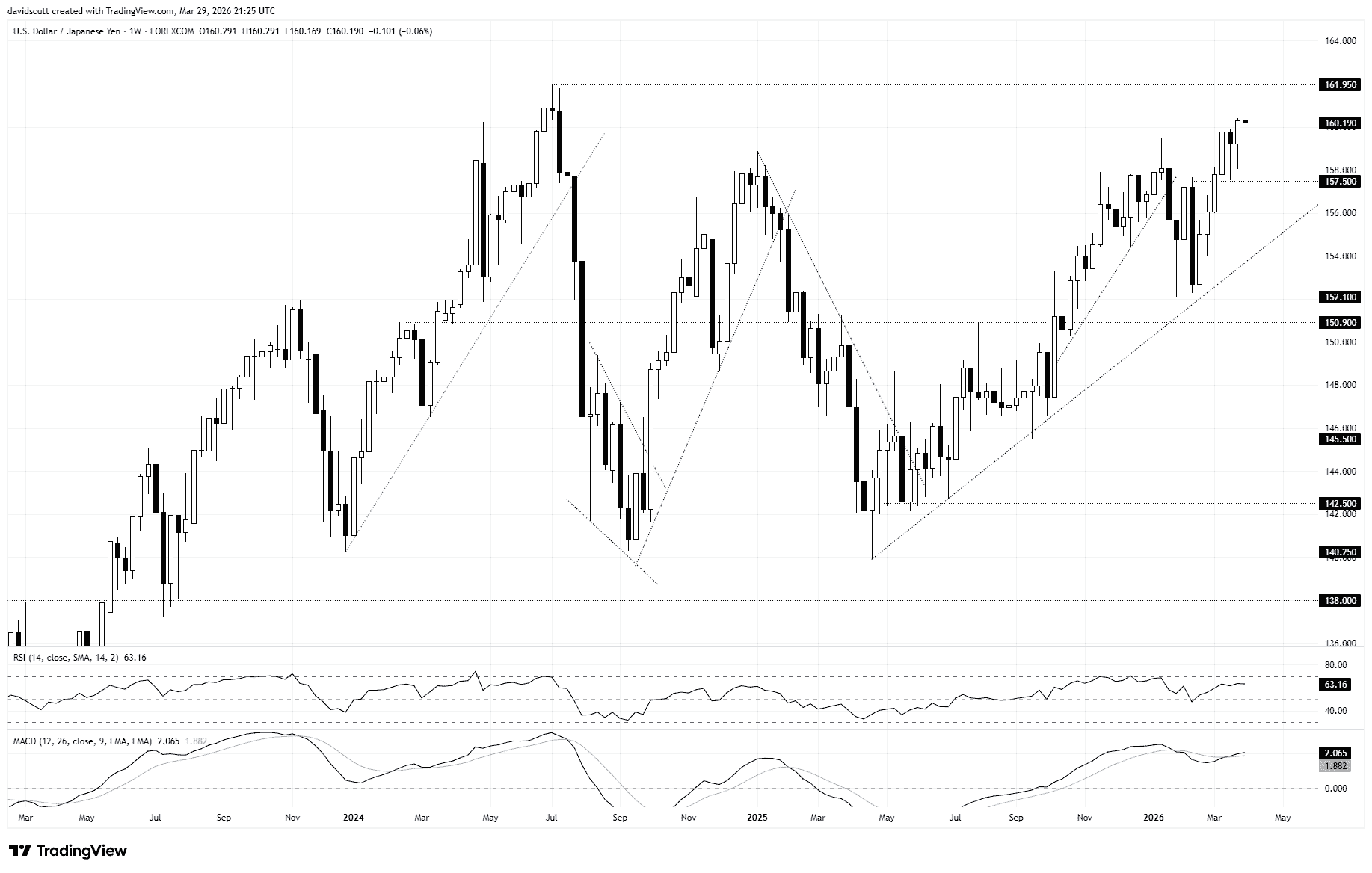
The USD/JPY pair is one of the most important leading indicators for crypto in a macro-driven environment. It reflects both yen strength and global liquidity conditions.
Source X
Checklist the USD/JPY warning signals bellow:
- Rapid moves (2–3% within short timeframes) signal instability
- Sudden yen strengthening increases yen carry trade unwind risk
- Rising USD/JPY volatility crypto traders track indicates stress building
- Breakdowns in trend (sharp reversals) often precede risk-off events
When USD/JPY moves fast—not just directionally—you should expect spillover into crypto within hours, not days.
What internal crypto indicators confirm a liquidity unwind?
Once FX-driven stress begins, crypto markets quickly reflect the impact through internal metrics. These confirm whether a crypto market deleveraging phase is actively unfolding. Checklist about On-chain + derivatives signals
- Funding rates drop or flip negative → leveraged longs are being wiped out
- Open interest declines sharply → positions are closing, not rotating
- Order book depth weakens → lower liquidity increases volatility
- Bid-ask spreads widen → reduced market efficiency
- Liquidation spikes → forced selling accelerates price drops
When these signals align, a Bitcoin liquidity squeeze is already in progress—not just expected.
How do broader market signals reinforce the trend?
Crypto does not move alone during macro stress. The yen carry trade impact on crypto markets becomes clearer when confirmed by cross-asset signals.
Checklist: Macro confirmation signals
- Equity market volatility spikes (risk-off sentiment rising)
- ETF outflows increase → institutional capital pulling back
- Bond yields shift rapidly → repricing of global liquidity
- Dollar strength increases → tightening financial conditions
- Correlation across assets rises → synchronized sell-offs
When both macro and crypto signals align, the probability of a yen carry trade unwind impact on BTC increases significantly.
Source X
What Should Crypto Investors Do in a Rising Rate and Tight Liquidity Environment?
As global liquidity tightens, the yen carry trade impact on crypto markets is becoming more pronounced and more frequent. Investors can no longer rely on narrative-driven rallies alone—price action is increasingly dictated by macro forces, FX volatility, and capital flows.
To navigate this shift, understanding how yen carry trade affects Bitcoin price is essential. When liquidity is withdrawn due to a yen carry trade unwind, it often leads to a Bitcoin liquidity squeeze and accelerated crypto market deleveraging. This means investors must move from aggressive growth strategies to disciplined, risk-aware positioning.
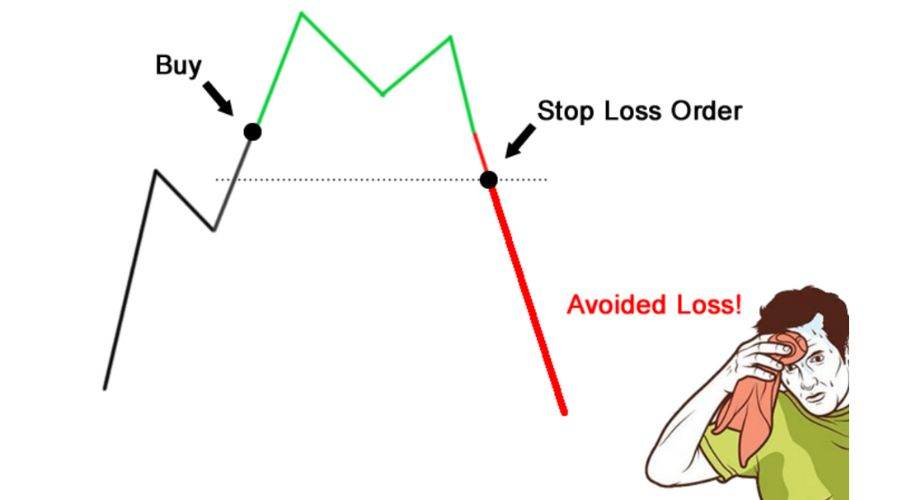
1. De-risk first: reduce leverage and size positions
In an environment dominated by the yen carry trade impact on crypto markets, leverage becomes the biggest vulnerability. When liquidity tightens, even small market moves can trigger cascading liquidations.
- Lower position sizes to absorb volatility shocks
- Avoid high leverage during key macro events (BOJ meetings, CPI releases)
- Focus on preserving capital during uncertain liquidity conditions
- Reduce exposure when USD/JPY volatility crypto signals begin to spike
Practical mindset: If how yen carry trade affects Bitcoin price leads to sudden sell-offs, survival matters more than maximizing returns. Avoid being forced out of the market during a crypto market deleveraging phase.
Source X
2. Trade with liquidity, not against it
In today’s cycle, liquidity—not sentiment—is the primary driver of price action. The yen carry trade impact on crypto markets means that capital flows determine whether trends sustain or reverse.
- Enter trades during high-liquidity sessions (U.S. open, market overlaps)
- Avoid low-liquidity periods where price manipulation and wicks increase
- Track stablecoin inflows/outflows as a real-time liquidity proxy
- Monitor USD/JPY volatility crypto traders use as a leading indicator
Investors who understand how yen carry trade affects Bitcoin price know that most sharp BTC drops align with liquidity withdrawal—not negative news. This is often the start of a Bitcoin liquidity squeeze.
3. Build a macro-aware investing framework
The yen carry trade impact on crypto markets reflects a deeper shift: crypto is now part of the global macro system. Ignoring macro signals means trading without context.
- Monitor signals from the Bank of Japan and yen strength
- Track U.S. interest rates, DXY, and global liquidity indicators
- Watch for changes in global liquidity and crypto correlation
- Adjust exposure based on risk-on / risk-off cycles
The key shift: understanding how yen carry trade affects Bitcoin price means treating Bitcoin as a macro asset. This approach helps anticipate yen carry trade unwind impact on BTC before it fully unfolds.
4. Prepare for volatility spikes and liquidity shocks
As Japan continues tightening policy, the yen carry trade impact on crypto markets will likely trigger repeated volatility cycles. These are not one-off events—they are structural.
- Expect faster and deeper corrections across BTC and altcoins
- Hold stablecoins to take advantage of dislocations
- Use staggered entries instead of all-in positioning
- Recognize early signs of crypto deleveraging events
👉 Liquidity shocks are a direct outcome of a yen carry trade unwind. When they occur, they often lead to a rapid Bitcoin liquidity squeeze, creating both risk and opportunity.
5. Hedge risk and diversify exposure
In a macro-driven market, concentration risk becomes more dangerous. The yen carry trade impact on crypto markets often causes multiple assets to fall simultaneously due to shared liquidity dependence.
- Diversify across BTC, stablecoins, and carefully selected altcoins
- Use partial hedging strategies (for experienced traders)
- Avoid overexposure to highly correlated assets
- Maintain flexibility to rotate capital during volatility
👉 Practical mindset: Instead of trying to perfectly predict how yen carry trade affects Bitcoin price, structure your portfolio to withstand different scenarios. This reduces downside risk during crypto market deleveraging and helps maintain long-term positioning.
How Can You Trade Crypto Safely During Yen Carry Trade Volatility Using Bitget Wallet?
As the yen carry trade impact on crypto markets becomes more dominant, trading safely is no longer just about picking the right asset—it’s about execution, speed, and control. During a yen carry trade unwind, liquidity can disappear quickly, spreads widen, and prices move sharply within minutes. In this environment, relying solely on centralized platforms can limit your ability to react in time.
Using Bitget Wallet allows investors to maintain full control over their assets while responding directly to market changes. Instead of waiting for exchange order matching or facing withdrawal delays, users can execute trades on-chain instantly. This becomes especially important during a Bitcoin liquidity squeeze or broader crypto market deleveraging, where timing directly impacts outcomes.
Key ways to trade safely during volatility:
- Maintain full asset control Avoid counterparty risk by holding funds in a self-custodial wallet, ensuring access during market stress
- Execute trades instantly on-chain React faster to USD/JPY volatility crypto signals without delays from centralized exchanges
- Rebalance across multiple chains Adjust exposure between BTC, stablecoins, and altcoins as liquidity shifts across markets
- Stay flexible during liquidity shocks Move into stablecoins or reduce exposure quickly during a yen carry trade unwind
- Align execution with macro signals Act on insights from how yen carry trade affects Bitcoin price in real time, not after the move
- Manage risk proactively Diversify holdings and maintain liquidity buffers to withstand crypto market deleveraging phases
👉 In a market increasingly shaped by the yen carry trade impact on crypto markets, using Bitget Wallet helps investors stay in control, execute faster, and navigate volatility with a structured, risk-aware approach.
Read more: JPYC Stablecoin Officially Launches in Japan: Here’s When and How You Can Start Using It
Conclusion
Yen carry trade impact on crypto markets is no longer a secondary factor—it has become a core hidden driver behind modern crypto volatility. As the Bank of Japan shifts policy and maintains rates at 0.75%, the global market is entering a new liquidity regime where capital is no longer cheap or stable.
This shift means crypto markets are evolving. Bitcoin and other assets are now reacting to macro + FX signals, particularly USD/JPY volatility crypto traders closely monitor, rather than purely crypto-native news. This explains why sudden moves—like a Bitcoin liquidity squeeze or broader crypto market deleveraging—can occur without any obvious catalyst.
For investors, the implication is clear: success in this environment depends on tracking global liquidity and crypto correlation, monitoring FX movements, and recognizing early signs of a yen carry trade unwind before it fully impacts the market.
To navigate this volatility effectively, using tools like Bitget Wallet allows you to:
- Maintain full control of your assets during market stress
- React quickly to rapid price movements and liquidity shifts
- Execute trades seamlessly across chains without intermediaries
- Manage risk proactively in a macro-driven environment
In a market increasingly shaped by the yen carry trade impact on crypto markets, the advantage goes to investors who combine macro awareness with fast, flexible execution.
Sign up Bitget Wallet now - grab your $2 bonus!
FAQs
1. How does the yen carry trade impact crypto markets?
The yen carry trade impact on crypto markets comes from global liquidity flows. When cheap yen funding supports risk assets, crypto prices rise. When the trade unwinds due to higher rates or a stronger yen, it triggers rapid sell-offs in Bitcoin and other cryptocurrencies.
2. Why does Bitcoin drop without any crypto news?
Bitcoin can drop without crypto news because of macro-driven liquidity shocks. Events like a yen carry trade unwind force investors to reduce risk across multiple assets, leading to sudden declines in crypto prices.
3. What is a yen carry trade unwind?
A yen carry trade unwind occurs when investors exit positions funded by borrowed yen. This typically happens when interest rates rise or the yen strengthens, forcing traders to sell assets and reduce leverage.
4. How does USD/JPY volatility affect Bitcoin prices?
Sharp USD/JPY movements can trigger margin calls and portfolio rebalancing. This leads to deleveraging across markets, including crypto, often pushing Bitcoin prices lower even without direct crypto-related catalysts.
Risk Disclosure
Please be aware that cryptocurrency trading involves high market risk. Bitget Wallet is not responsible for any trading losses incurred. Always perform your own research and trade responsibly.