


How to Trade ETF Inflows: Is Now a Good Time to Buy Ethereum After 10 Days of Inflows?

How to trade ETF inflows is one of the most important questions for crypto traders in 2026—especially as institutional capital continues flowing into Ethereum ETFs. After 10 consecutive days of inflows, many investors are asking: Is this the moment to buy ETH, or is the market still lagging behind? Understanding ETF fund flows explained is critical here. ETF inflows reflect institutional demand, but they don’t always translate into immediate price action. This creates a unique opportunity for traders who know how to trade ETF inflows for crypto effectively.
With tools like Bitget Wallet, traders can monitor signals, access liquidity, and execute trades at the right moment, turning ETF flow data into actionable trading decisions.
Key Takeaways
- ETF inflows are not instant price signals — there is often a 3–10 day lag
- ETF inflow vs price lag strategy is the core edge traders can exploit
- Institutional ETF flows indicate accumulation, not immediate breakout
- The best strategy is to wait for confirmation, not chase inflows
- Tools like Bitget Wallet help execute trades efficiently at key levels
How to Trade ETF Inflows for Ethereum Step by Step?
To master how to trade ETF inflows, you need a structured approach—not just reacting to headlines. Here’s a proven ETF inflow trading strategy used by experienced traders.
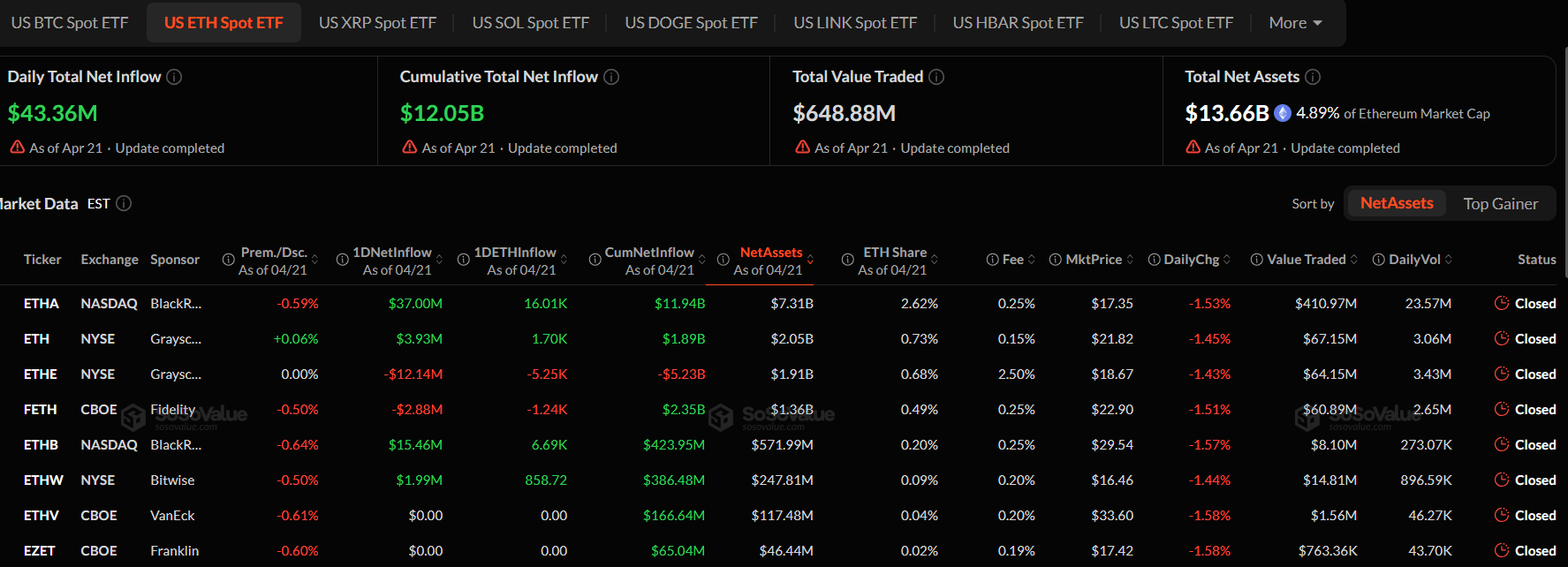
Step 1: Track ETF inflows consistently
Start by monitoring ETH ETF inflows daily. Look for:
- Consecutive inflow days (e.g., 5–10 days)
- Total capital inflow (e.g., $600M+)
- Increasing momentum in flows
This helps identify institutional ETF flows entering the market.
Source X
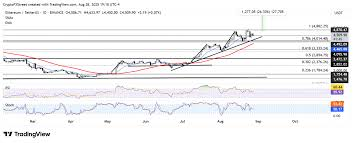
Step 2: Identify ETF inflow vs price lag
One of the most important insights in how to trade ETF inflows is understanding that, ETF inflows ≠ immediate price movement:
This is where ETF flow trading signals become powerful.
You are looking for:
- Strong inflows
- Weak or sideways price
Source X
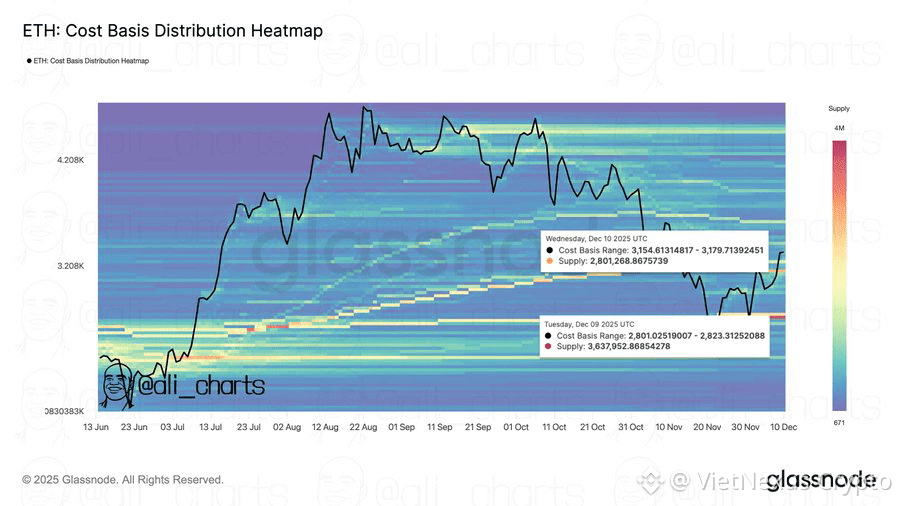
Step 3: Define your entry zone
Instead of chasing price, define:
- Support levels
- Consolidation zones
- Liquidity clusters
This aligns with ETF inflow vs price lag strategy, where you prepare before the breakout happens.
Source X
Step 4: Wait for breakout confirmation
The best time to trade ETF inflows is not during inflows, but when price confirms:
- Break above resistance
- Volume expansion
- Momentum shift
This confirms ETF price impact is starting to materialize.
Step 5: Add positions after breakout
Once confirmed:
- Scale into positions
- Avoid full-size entries at once
- Follow trend continuation
This is how traders profit from ETF inflows systematically.
Step 6: Stay out when there is no clear signal
No breakout = no trade. Even with strong ETH ETF inflows, price may remain flat due to:
- Liquidity absorption
- Market uncertainty
Discipline is key in how to trade ETF inflows.
Step 7: Manage risk when trading ETF inflows
Even the best ETF inflow trading strategy can fail without risk management.
- Set stop-loss below structure
- Avoid over-leverage
- Diversify entries
Is Now a Good Time to Buy Ethereum Based on ETF Inflows?
How to trade ETF inflows ultimately comes down to answering one core question: is now the right time to enter ETH? After 10 consecutive days of ETH ETF inflows (~$633M), the signal points to strong institutional ETF flows entering the market.
However, despite this demand, price has not fully reacted—highlighting the classic gap between ETF inflows and price action. This is exactly where traders applying an ETF inflow trading strategy gain an edge. For aggressive traders, early positioning based on inflows can capture the move before it happens, but comes with higher risk.
For disciplined traders, the better approach in how to trade ETF inflows is to wait for confirmation—such as a breakout or momentum shift—before entering. In practice, how to use ETF flows to predict price is not about guessing direction, but about timing entries around the lag between inflows and actual ETF price impact.
What Tools Do You Need to Actually Trade ETH ETF Inflows?
To effectively how to trade ETF inflows, you need more than just raw data—you need a combination of tools that help you track flows, interpret signals, and execute trades at the right time. Since ETF inflow trading strategy relies heavily on identifying the gap between capital inflows and price action, having accurate and real-time data sources is critical. The right tools allow you to understand ETF fund flows explained, detect early accumulation, and act before the broader market reacts.
1. ETF Flow Tracking Tools
To track ETH ETF inflows and identify actionable signals, you need reliable data platforms that provide daily flow updates and trend insights. These tools are the foundation of how to trade ETF inflows, helping you spot when institutional demand is building before price moves.

Source X
Key tools to track ETF flows:
- Farside Investors
- Daily ETF inflow/outflow data (widely used for Bitcoin & Ethereum ETFs)
- Clear breakdown by fund
- SoSoValue
- Real-time ETF flow tracking dashboard
- Visualizes cumulative inflows and market trends
- Bloomberg Terminal
- Institutional-grade ETF flow data
- Deep insights into institutional ETF flows
- Glassnode
- On-chain + ETF-related analytics
- Helps connect capital inflows vs price action
- CoinGlass
- Crypto derivatives + ETF-related data
- Useful for combining flow signals with market positioning
These tools help you identify ETF flow trading signals, detect anomalies, and build a data-driven approach to how to trade ETF inflows for crypto.
2. Charting Tools
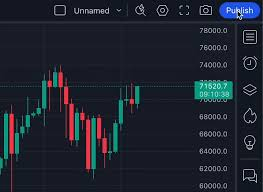
Charting tools are essential in how to trade ETF inflows because they help you translate flow data into actual trade execution. While ETF inflows indicate hidden demand, charts allow you to identify when that demand starts impacting price. This is where you confirm structure, detect breakout levels, and validate ETF price impact in real time.
Source X
Key charting tools for ETF inflow trading:
- TradingView
- Industry-standard charting platform
- Identify support/resistance and breakout zones
- Visualize price reacting to ETH ETF inflows
- CoinGlass
- Combines price charts with liquidation and open interest data
- Helps confirm momentum behind ETF-driven moves
- Glassnode
- Overlay on-chain metrics with price action
- Useful for analyzing capital inflows vs price action
- CryptoQuant
- Tracks exchange flows and market behavior
- Supports confirmation of ETF flow trading signals
These tools allow traders to move from theory to execution—helping you confirm when ETF inflows actually begin translating into price movement, which is the critical step in how to trade ETF inflows for crypto.
3. Market Data & Sentiment Tools
Market data and sentiment tools play a critical role in how to trade ETF inflows because they help confirm whether ETF-driven demand is actually supported by broader market positioning. While inflows indicate institutional interest, metrics like funding rates, open interest, and positioning reveal how traders are reacting. This layer of confirmation is essential to validate ETF flow trading signals and avoid entering false setups.

Source X
Key market data & sentiment tools:
- CoinGlass
- Tracks funding rates and open interest across exchanges
- Helps identify whether traders are overly long or short
- CryptoQuant
- Provides exchange inflows/outflows and investor behavior
- Useful for understanding real market positioning
- Glassnode
- Advanced metrics on holder behavior and capital flows
- Supports analysis of capital inflows vs price action
- Santiment
- Tracks social sentiment and crowd behavior
- Detects hype vs real accumulation
- Laevitas
- Institutional-grade derivatives data
- Deep insights into leverage and positioning
These tools help you confirm whether ETF inflows are backed by real conviction or just short-term speculation—making them essential for executing a reliable ETF inflow trading strategy.
5. Web3 Wallets
A Web3 wallet is a critical component in how to trade ETF inflows, especially for traders who want direct access to on-chain opportunities. While ETF data gives you the signal, execution often happens across decentralized liquidity, where speed and flexibility matter. A wallet like Bitget Wallet enables traders to act immediately when ETF flow trading signals translate into real price movement.

Why Web3 wallets are essential for ETF inflow trading:
- Direct access to on-chain liquidity
- Trade ETH and related assets without relying solely on centralized exchanges
- Multi-chain trading capability
- Access opportunities across multiple ecosystems where capital rotates
- Fast execution for breakout entries
- Critical for capturing moves when ETF price impact begins
- Non-custodial control
- Full ownership of assets while executing trades
This makes Bitget Wallet a key tool for traders who are serious about how to trade ETF inflows for crypto, allowing them to move quickly from signal to execution in a flow-driven market.
Why ETH Is Not Pumping Despite ETF Inflows?
In how to trade ETF inflows, one of the biggest misconceptions is assuming that strong inflows immediately lead to price increases. In reality, ETH ETF inflows often signal underlying demand, but price can remain flat in the short term due to market mechanics. Understanding this gap between ETF inflows and price action is essential, as it helps traders avoid premature entries and better time their positions based on actual ETF price impact.
Why ETF inflows don’t move price immediately?
There are structural reasons why ETF inflows do not instantly push prices higher. Even with strong institutional ETF flows, the market needs time to absorb and process that demand.
Key reasons:
- Execution delay
- ETF inflows are executed over time, not instantly
- Orders are spread out to avoid market disruption
- Liquidity absorption
- Market makers absorb buy pressure to maintain stability
- Prevents sudden spikes despite strong inflows
These factors explain why ETF inflows don’t move price immediately, and highlight why timing—not just data—is critical in how to trade ETF inflows effectively.
What is the ETF price lag traders can exploit?
In how to trade ETF inflows, the real edge comes from understanding the delay between ETH ETF inflows and actual price movement. This delay, known as the ETF price lag, occurs when capital enters the market but has not yet been fully reflected in price due to execution timing and liquidity dynamics. Instead of reacting late, smart traders use this gap to position early, anticipating future ETF price impact before the broader market catches up.
What this creates:
- Price lag arbitrage
- Traders enter before price reacts to inflows
- Capture upside when delayed demand materializes
- Flow-driven market dynamics
- Price eventually aligns with sustained inflows
- Institutional accumulation drives later momentum
This inefficiency is a core principle in how to trade ETF inflows for crypto, allowing traders to move ahead of the market by leveraging timing rather than prediction.
When do ETF inflows typically translate into price moves?
In how to trade ETF inflows, timing is everything—because inflows rarely impact price immediately. Research and market data show that ETF purchases can take time to be fully reflected in the market, with delays ranging from hours to several days depending on liquidity and execution mechanics . In crypto markets, this delay often extends further due to larger capital flows and more complex liquidity conditions, creating a wider window for traders to act.
Typical timing dynamics:
- 3–10 day lag window
- Institutional flows build gradually before impacting price
- Larger inflows often require more time to translate into momentum
- Strongest moves after sustained inflows
- Consecutive inflow days signal real accumulation, not noise
- Historical patterns show multi-day inflows often precede rallies
This is why the current 10-day ETH ETF inflow trend is significant in how to trade ETF inflows—it suggests that demand has been building long enough that a breakout could follow once the lag resolves.
When do ETF inflows typically translate into price moves?
In how to trade ETF inflows, price reactions usually don’t happen instantly—even after strong ETH ETF inflows. Recent data shows Ethereum ETFs recorded 10 consecutive days of inflows totaling around $633M, yet price remained stuck below key resistance levels . This reinforces that ETF flows reflect accumulation first, and price movement comes later.
Typical timing dynamics:
- 3–10 day lag window
- Institutional capital builds gradually before impacting price
- Sustained inflows signal accumulation rather than immediate breakout
- Strongest moves after sustained inflows
- Multi-day inflows (like the current 10-day streak) indicate real demand
- Breakouts often occur only after liquidity is fully absorbed
This is why the current 10-day ETF inflow trend is critical in how to trade ETF inflows—it suggests the market is in an accumulation phase, where a breakout becomes more likely once the lag resolves and ETF price impact finally appears.
Are institutions accumulating ETH quietly?
Yes, and this is a key concept in how to trade ETF inflows. Strong and consistent ETH ETF inflows often reflect institutional ETF flows entering the market, but this does not always show up immediately in price. In many cases, large players accumulate positions gradually to avoid moving the market too quickly, which creates a phase where demand is rising but price remains relatively flat. This behavior is commonly seen in ETF markets, where inflows signal long-term positioning rather than short-term speculation .
What this means for traders:
- Institutional ETF flows suggest accumulation
- Capital is entering steadily, indicating long-term confidence
- Price not moving = stealth positioning
- Large players build positions quietly before breakout
- Creates the setup for future ETF price impact
For traders learning how to trade ETF inflows, this “quiet accumulation” phase is often the most important window, because it appears inactive on the surface, but sets the foundation for the next major move.
Is this a pre-breakout setup or a fake signal?
In how to trade ETF inflows, distinguishing between a real breakout setup and a fake signal is critical. Recent data shows ETH ETF inflows exceeded $633M over a 10-day streak, reflecting strong and sustained institutional demand, even while price remained relatively stable . This type of divergence—rising inflows but delayed price reaction—is typically associated with accumulation phases rather than exhaustion.
How to interpret the current signal:
- Pre-breakout setup (more likely)
- Sustained institutional ETF flows indicate real demand building
- Price lag suggests accumulation before a move
- Historical patterns show inflows often precede rallies
- Fake signal (less likely, but possible)
- If price fails to break resistance after inflows
- If flows reverse quickly into outflows
- If broader market sentiment weakens
For traders applying how to trade ETF inflows, the current setup leans toward a pre-breakout accumulation phase—but confirmation (price breakout + volume) is still required before fully committing.
What Risks Do You Face If You Trade ETF Inflows Too Early?
In how to trade ETF inflows, acting too early is one of the most common mistakes traders make. While ETF inflows signal institutional demand, they do not guarantee immediate price movement due to structural delays and market mechanics.
Without proper confirmation, traders can misread signals and enter positions before the actual ETF price impact occurs—leading to unnecessary losses.
1. Entering before price confirmation
In how to trade ETF inflows, entering too early—before price confirms the move—is one of the most common mistakes. Even with strong ETF inflows, price can stay sideways for days due to lag, trapping early buyers in low-momentum conditions.
Key risks:
- Getting stuck in consolidation zones
- Capital tied up with no movement
- Increased emotional trading due to inactivity
2. Misinterpreting ETF inflows as immediate bullish signals
A core principle in how to trade ETF inflows is understanding that inflows signal accumulation, not instant upside. Treating them as immediate buy signals ignores the delay between demand and actual ETF price impact.
Key risks:
- Buying too early before momentum starts
- Misreading accumulation as breakout
- Entering without confirmation signals
3. False breakout and liquidity traps
During high ETH ETF inflows, markets often create fake breakouts to trigger retail entries before reversing. This is part of normal flow-driven market dynamics.
Key risks:
- Entering on fake breakouts
- Getting liquidated by sudden reversals
- Chasing moves without volume confirmation
4. Over-reliance on ETF inflow signals only
While ETF flows are powerful, relying on them alone weakens your ETF inflow trading strategy. In how to trade ETF inflows, flows must be combined with other signals for accuracy.
Key risks:
- Ignoring price structure
- Missing confirmation from volume
- Overlooking broader market sentiment
You should always combine flows with:
- Price structure (support/resistance)
- Volume confirmation
- Market sentiment indicators
5. High volatility despite strong inflows
Even with strong institutional ETF flows, markets can remain highly volatile. External factors like macro news or derivatives positioning can override inflow signals in the short term.
- Sudden price swings despite bullish inflows
- Stop-loss hunting in volatile conditions
- Invalidated setups due to external catalysts
How to Trade ETF Inflows Safely Step by Step Using Bitget Wallet?
To execute how to trade ETF inflows effectively, you need a clear workflow that connects data → timing → execution. A Web3 wallet like Bitget Wallet acts as the bridge between identifying ETF signals and actually entering the market at the right moment.
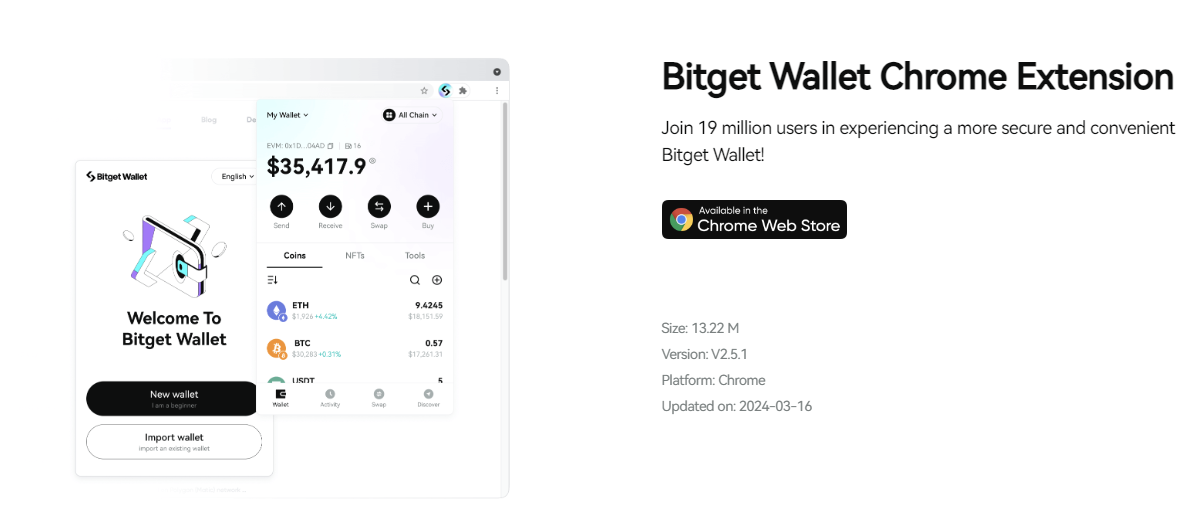
Step 1: Set up Bitget Wallet
Download and create your wallet. As a non-custodial wallet, it gives you full control over your assets and transactions without relying on third parties.
Step 2: Fund with ETH / USDC
Deposit capital into your wallet so you’re ready to act when ETF flow signals align. Keeping funds ready is critical for timing-based strategies like ETF inflow trading.
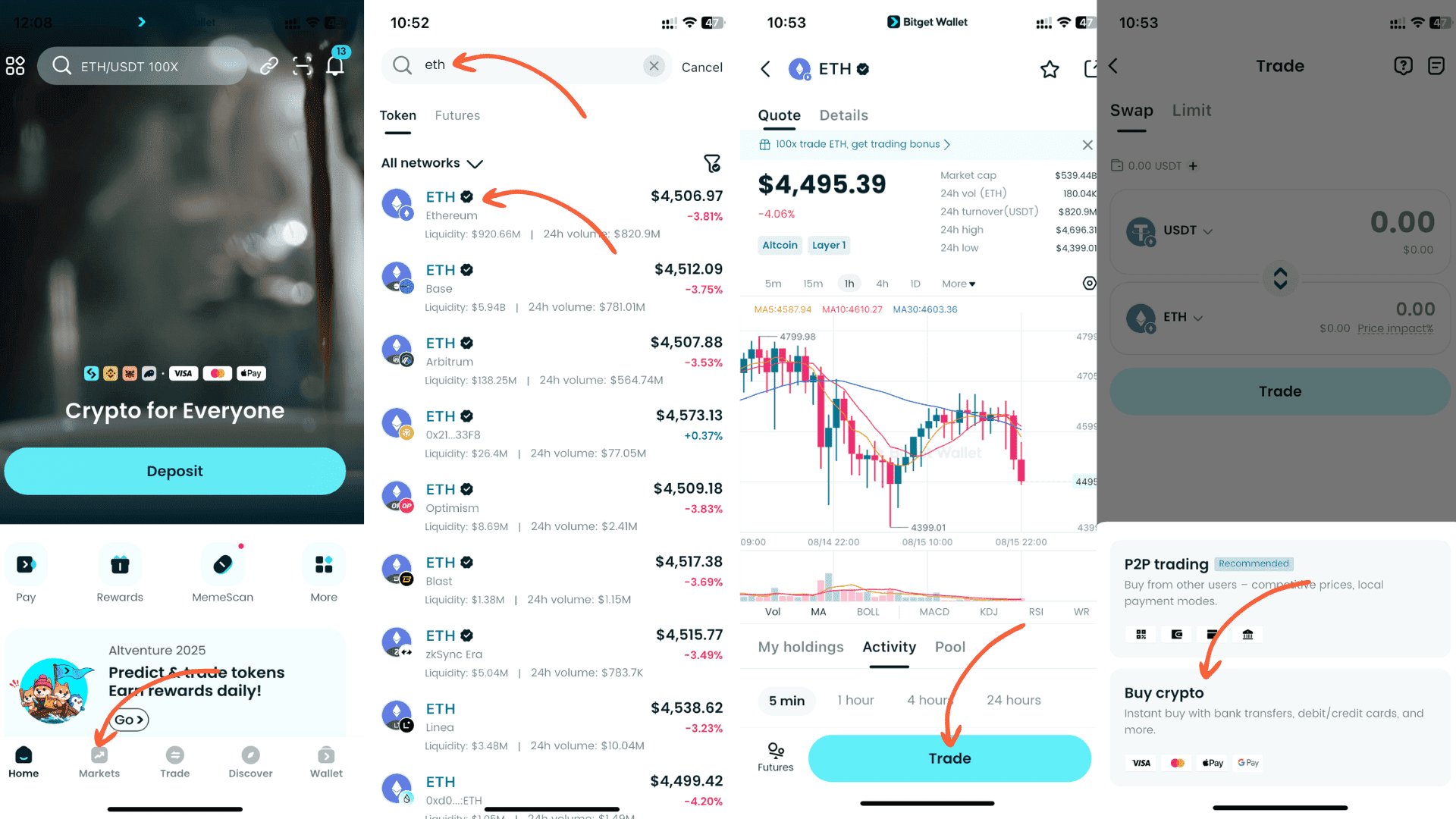
Step 3: Monitor ETF inflow signals
Track daily ETH ETF inflows, looking for consistent accumulation (e.g., 5–10 days). Combine this with price behavior to identify lag conditions.
Step 4: Execute at key levels
Enter trades only when price confirms (breakout, volume expansion). This is where ETF price impact starts to reflect institutional demand.
Step 5: Manage positions
Scale entries, set stop-loss levels, and adjust positions as price evolves. ETF inflow trading is a timing strategy—not a one-click trade.
Why is Bitget Wallet suitable for ETF inflow trading?
In how to trade ETF inflows, execution speed and control are just as important as identifying the signal. Once ETF inflows translate into real price movement, traders need to act quickly and efficiently. A Web3 wallet like Bitget Wallet provides the infrastructure to move from signal to execution without delays, making it a key advantage in any ETF inflow trading strategy.
Key advantages of Bitget Wallet:
- Non-custodial control
- You fully control your private keys and assets
- Direct interaction with the market without intermediaries
- Fast execution (critical for breakout timing)
- Execute trades instantly when ETF price impact begins
- Avoid delays common in centralized platforms
- Multi-chain liquidity access
- Supports 100+ blockchains
- Access deep liquidity across DeFi ecosystems
In short, if ETF inflows tell you when to act, Bitget Wallet is the tool that lets you act instantly and efficiently, giving you a real edge in how to trade ETF inflows for crypto.
Conclusion
How to trade ETF inflows is not about reacting to headlines—it’s about understanding the timing gap between institutional ETF flows and actual price movement. As we’ve seen, strong ETH ETF inflows signal accumulation, but the real opportunity comes from waiting for confirmation and executing at the right moment. Traders who focus on ETF inflow vs price lag strategy can position themselves ahead of the market, rather than chasing it.
The current 10-day inflow trend reinforces a key idea: capital enters first, price follows later. This is why discipline, timing, and confirmation are the foundation of any successful ETF inflow trading strategy.
To execute this effectively, you need the right tools—not just for tracking data, but for acting on it. A Web3 wallet like Bitget Wallet allows you to move instantly when signals align, access deep liquidity, and maintain full control over your assets.
👉 In short, ETF inflows tell you when to prepare, but tools like Bitget Wallet are what enable you to execute with precision.
Sign up Bitget Wallet now - grab your $2 bonus!
FAQs
Q1. How to trade ETF inflows as a beginner?
To start with how to trade ETF inflows, focus on a simple framework: track inflows → identify price lag → wait for confirmation → execute with discipline. ETF flows represent where capital is moving, but not when price will react.
Beginners should avoid predicting and instead follow a rules-based approach, only entering trades when both inflow strength and price confirmation align.
Q2. Is now a good time to buy ETH based on ETF inflows?
ETF inflows alone are not enough to justify buying immediately. While strong inflows indicate bullish sentiment and increasing demand, price may still lag due to market structure.
The better approach is to wait for breakout confirmation—this reduces the risk of entering too early.
Q3. Why ETH not pumping despite ETF inflows?
ETH may not move despite inflows because:
- ETF flows reflect capital entering funds, not immediate market buying
- Market makers and liquidity providers absorb demand first
- Other factors (derivatives positioning, selling pressure) offset inflows
In fact, flows are often sentiment indicators rather than direct price drivers, which explains the delay.
Q4. What is the best time to trade ETF inflows?
The best time to trade is after price confirmation, not during inflows.
ETF inflows typically lead price with a delay because capital needs time to be deployed into underlying assets. Optimal timing:
- Strong inflows (5–10 days)
- Price consolidation
- Breakout with volume
This is when ETF price impact becomes visible.
Q5. How to use ETF flows to predict price?
To use ETF flows effectively:
- Track consistent inflows (institutional demand)
- Compare inflows vs price behavior
- Identify lag (accumulation phase)
- Wait for breakout confirmation
ETF flows help you understand investor behavior and market sentiment, which can be used to anticipate future moves—but only when combined with price action.
Risk Disclosure
Please be aware that cryptocurrency trading involves high market risk. Bitget Wallet is not responsible for any trading losses incurred. Always perform your own research and trade responsibly.

 Top Arc Tokens and Memecoins: What’s Trending on Arc Mainnet2026-09-16 | 5 mins
 Circle Arc Mainnet Launch: What Is Arc and Why Does It Matter?2026-09-14 | 5 mins
 Top Robinhood Chain Memecoins 20262026-09-09 | 5 mins



