


Kalshi Arizona Case Update: How State-Level Enforcement Is Changing the Future of Event Trading
Kalshi Arizona Case Update shows a change in US rules. Arizona authorities are moving ahead with charges. They are questioning if prediction markets are tools or a form of gambling. This move affects how prediction markets are legally viewed. It also changes how event trading is regulated in the US. New questions are arising about following rules and which areas have control.
The prediction market is slowing down. People are doing less on sites like Polymarket. This is happening because of rules. Different states and the federal government have ideas about how to control prediction markets. In this article we will look at the Kalshi case. We will see what it means for rules. We will compare Kalshi and Polymarket for 2026. We will think about what the future of prediction markets will be like with rules. We will also talk about how tools, like Bitget Wallet can help people use prediction markets safely.
Key Takeaways
- The Kalshi Arizona Case Update marks a shift from regulatory tolerance to active enforcement
- Arizona’s charges frame prediction markets as gambling, intensifying legal uncertainty
- Prediction market cooling reflects declining confidence after regulatory pressure
- Polymarket vs Kalshi 2026 highlights the divide between compliance and decentralization
What Happened in the Kalshi Arizona Case Update in 2026?
In the Kalshi Arizona Case Update, Arizona regulators filed charges against Kalshi, claiming its event-based contracts violate state gambling laws. The case challenges Kalshi’s federally approved status and raises critical questions about how prediction markets are classified under US law.
Source X
Why is the Kalshi Arizona Case Update considered a major legal escalation?
The Kalshi Arizona Case Update marks a major legal escalation because it goes beyond regulatory debate and enters the phase of active enforcement against a federally approved platform. While Kalshi operates under a federal framework for event contracts, Arizona’s action challenges whether that approval is sufficient at the state level—creating a real-world legal test for the entire industry.
At its core, the case introduces a direct jurisdictional conflict that is shaping prediction market regulation March 2026. Federal regulators treat prediction markets as financial instruments, while Arizona classifies them under gambling laws. This contradiction highlights how fragmented the US regulatory system has become.
- First major state-level enforcement case: The Kalshi Arizona Case Update is one of the earliest examples of a state taking formal legal action against a federally regulated prediction market platform.
- Direct conflict between federal and state authority: It creates a legal clash between federal approval and state gambling laws, complicating event trading regulation US.
Why is the Kalshi Arizona Case Update triggering a state vs federal regulatory conflict?
The Kalshi Arizona Case Update highlights a core legal conflict: federal regulators classify prediction markets as financial derivatives, while Arizona treats them as gambling. This creates a situation where a platform can be federally compliant but still face state-level enforcement, increasing uncertainty around prediction market legal status and event trading regulation US.

Source X
Key drivers of the conflict:
- Different classifications: finance (federal) vs gambling (state)
- Overlapping authority: both levels claim regulatory control
- No unified framework: unclear how prediction markets are regulated in the US
- State enforcement power: gambling laws remain state-controlled
- Rising legal risk: more states may follow Arizona
Overall, the Kalshi Arizona Case Update exposes a fragmented system that is shaping prediction market regulation March 2026 and increasing compliance challenges across the industry.
What Does the Kalshi Arizona Case Update Mean for the Future of Event Trading?
The Kalshi Arizona Case Update is likely to reshape the trajectory of event trading in the US by accelerating regulatory clarity while also increasing short-term uncertainty. As enforcement actions become more visible, the industry is moving away from a gray zone toward a more structured—but stricter—environment. This shift will play a key role in defining the future of prediction markets after regulation.
Will prediction markets face stricter regulation in the US?
The Kalshi Arizona Case Update suggests a growing trend toward multi-state enforcement, where individual states may begin actively reviewing and challenging prediction market platforms.
- States are more likely to apply local gambling laws to event trading
- Platforms may face different rules depending on jurisdiction
- Compliance costs and operational barriers could increase
As a result, prediction market regulation March 2026 is expected to become more stringent, especially for platforms operating across multiple states.
Could federal law override state-level restrictions?
One key question raised by the Kalshi Arizona Case Update is whether federal authority can standardize regulation and reduce fragmentation.
- If federal regulators assert stronger control, platforms like Kalshi could gain clearer legal protection
- If states retain authority, the market will remain fragmented and inconsistent
- Legal challenges may ultimately define how prediction markets are regulated in the US
In the near term, the balance between state and federal power will remain unresolved, contributing to ongoing uncertainty in event trading regulation US.
What is the future of prediction markets after regulation?
The future of prediction markets after regulation is likely to split into two distinct paths:
- Institutionalized platforms: Regulated exchanges focusing on compliance, transparency, and limited product offerings
- Decentralized platforms: Blockchain-based markets prioritizing accessibility, global reach, and flexibility
The Kalshi Arizona Case Update reinforces this divide, as regulatory pressure pushes the industry toward either stricter compliance or alternative decentralized models. Over time, this dual structure may define how users engage with prediction markets in a more regulated environment.
How Are Prediction Markets Regulated in the United States?
Understanding how prediction markets are regulated in the US requires looking at a fragmented system where federal and state authorities apply different legal frameworks. The Kalshi Arizona Case Update clearly shows that there is no single, unified rulebook—creating overlapping jurisdiction and ongoing uncertainty in event trading regulation US.
Who regulates prediction markets at the federal level?
At the federal level, prediction markets are primarily overseen by the Commodity Futures Trading Commission (CFTC). The CFTC regulates platforms like Kalshi under derivatives law, treating their products as event contracts rather than traditional betting instruments.
- Event contracts are structured as financial derivatives
- They are used for hedging and forecasting real-world outcomes
- Platforms must comply with strict federal licensing and reporting standards
This framework forms the foundation of prediction market regulation March 2026, positioning compliant platforms within the financial system.
Why do states treat prediction markets as gambling?
Despite federal classification, many states interpret prediction markets differently, leading to conflicting views on prediction market legal status.
- States often focus on the outcome-based nature of trades
- If users profit from predicting events, it may resemble betting
- Gambling laws are traditionally controlled at the state level
This is why debates around why prediction markets are considered gambling continue to intensify, especially as states assert their authority over local enforcement.
How does the Kalshi Arizona Case Update highlight regulatory conflict?
The Kalshi Arizona Case Update directly illustrates the contradiction between federal approval and state enforcement, making it a defining example of regulatory fragmentation.
| Level | Regulatory Approach | Impact on Prediction Markets |
| Federal (CFTC) | Treats prediction markets as financial derivatives (event contracts) | Enables licensed platforms and supports innovation |
| State (e.g., Arizona) | Treats prediction markets as gambling activities | Imposes restrictions, enforcement actions, and legal risk |
This conflict shows that even as prediction market regulation March 2026 evolves at the federal level, state-level actions can override or challenge that framework in practice.
As highlighted by the Kalshi Arizona Case Update, the lack of alignment between jurisdictions is the core reason why how prediction markets are regulated in the US remains complex, uncertain, and highly dependent on location.
Why Is the Prediction Market Trend Cooling in 2026?
The prediction market cooling trend in 2026 reflects a clear shift from hype-driven growth to a more cautious, compliance-focused environment. Following regulatory pressure—especially events like the Kalshi Arizona Case Update—both users and platforms are reassessing risk, contributing to declining participation and slower market expansion.
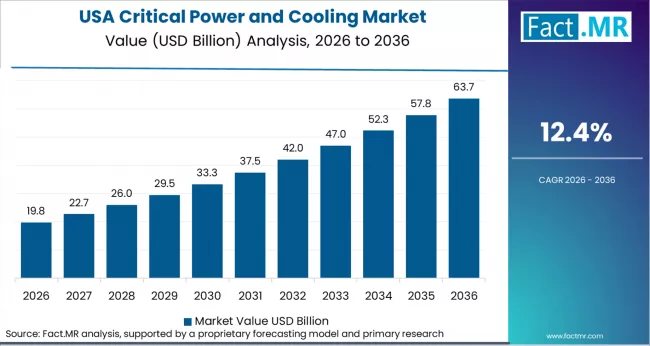
Source X
What does Google Trends data say about Polymarket in 2026?
Data shows a sharp decline in interest. At its peak, Polymarket-related searches reached an index of 100, but by early 2026, this dropped to around ~13, indicating a significant contraction in user attention.
- This decline aligns with broader prediction market cooling
- It reflects reduced speculative momentum after regulatory scrutiny
- It also signals weakening retail-driven hype compared to previous cycles
From an investor perspective, this data suggests that prediction market regulation March 2026 is directly impacting user behavior and market sentiment.
Why are users becoming cautious about prediction markets?
The cooling trend is driven by a combination of legal and behavioral factors:
- Legal uncertainty: Cases like the Kalshi Arizona Case Update raise concerns about platform stability and compliance
- Shifting risk perception: Users are more aware of prediction market legal status and potential enforcement risks
- Regulatory pressure: Increased scrutiny under event trading regulation US reduces confidence in long-term participation
Overall, the market is transitioning from rapid experimentation to a more risk-aware phase, where compliance and legal clarity play a central role.
Polymarket vs Kalshi 2026 - What Are the Key Legal Differences?
The Polymarket vs Kalshi 2026 comparison highlights a fundamental divide in how prediction markets operate: regulated vs decentralized models. This distinction is central to understanding Kalshi vs Polymarket legal differences in the current regulatory climate.
How is Kalshi positioned as a regulated exchange?
Kalshi operates as a federally compliant platform under the oversight of the Commodity Futures Trading Commission.
- Offers event contracts within a regulated framework
- Follows strict compliance and reporting standards
- Uses legal defense based on federal approval
However, the Kalshi Arizona Case Update shows that even regulated platforms face challenges under state-level enforcement, reinforcing uncertainty in prediction market regulation March 2026.
Why is Polymarket facing regulatory challenges?
Polymarket takes a decentralized, blockchain-based approach, which introduces different risks:
- Operates without US regulatory approval
- Uses geo-blocking to restrict US users
- Relies on offshore and on-chain infrastructure
This structure increases exposure to legal uncertainty, particularly regarding prediction market legal status in the US.
What are the key differences between Polymarket and Kalshi?
The Polymarket vs Kalshi 2026 dynamic clearly illustrates the trade-off between regulatory security and market freedom, shaping how users choose platforms in a more restrictive environment.
| Dimension | Kalshi | Polymarket | Content Guidelines |
| Regulation | Federally regulated as an event contracts exchange (CFTC oversight) | Not licensed in the US; operates via decentralized/on-chain model with geo-restrictions | Emphasize federal vs non-regulated contrast; include keyword: prediction market regulation March 2026 |
| Legal Risk | Lower relative risk due to regulatory compliance, but still facing state-level challenges (e.g. Arizona case) | Higher legal uncertainty due to lack of US regulatory approval and enforcement pressure | Connect to Kalshi Arizona Case Update + “prediction market legal status” |
| Accessibility | Limited to approved markets and users within regulatory boundaries | More globally accessible but restricted in certain jurisdictions (e.g. US users blocked) | Highlight trade-off: compliance vs openness |
| Platform Type | Centralized, regulated exchange model | Decentralized, blockchain-based prediction market | Use simple language; avoid deep technical jargon |
| User Experience | Structured, compliance-driven trading environment | Flexible, fast-moving, retail-driven market participation | Frame as “institutional vs retail-style experience” |
| Market Scope | Limited contracts approved by regulators | Wide range of speculative/event-based markets | Include keyword: Polymarket vs Kalshi 2026 naturally |
How Can Investors Safely Participate in Event Trading Using Bitget Wallet?
As regulatory risks rise following events like the Kalshi Arizona Case Update, using secure infrastructure is essential. Bitget Wallet serves as an all-in-one, self-custodial finance app that allows users to access decentralized prediction market opportunities while maintaining full control over their assets. With over 90 million users globally, it combines trading, payments, and on-chain access in a single secure interface.
To engage in event trading in a more secure and compliant way, users can follow a structured approach using Bitget Wallet:
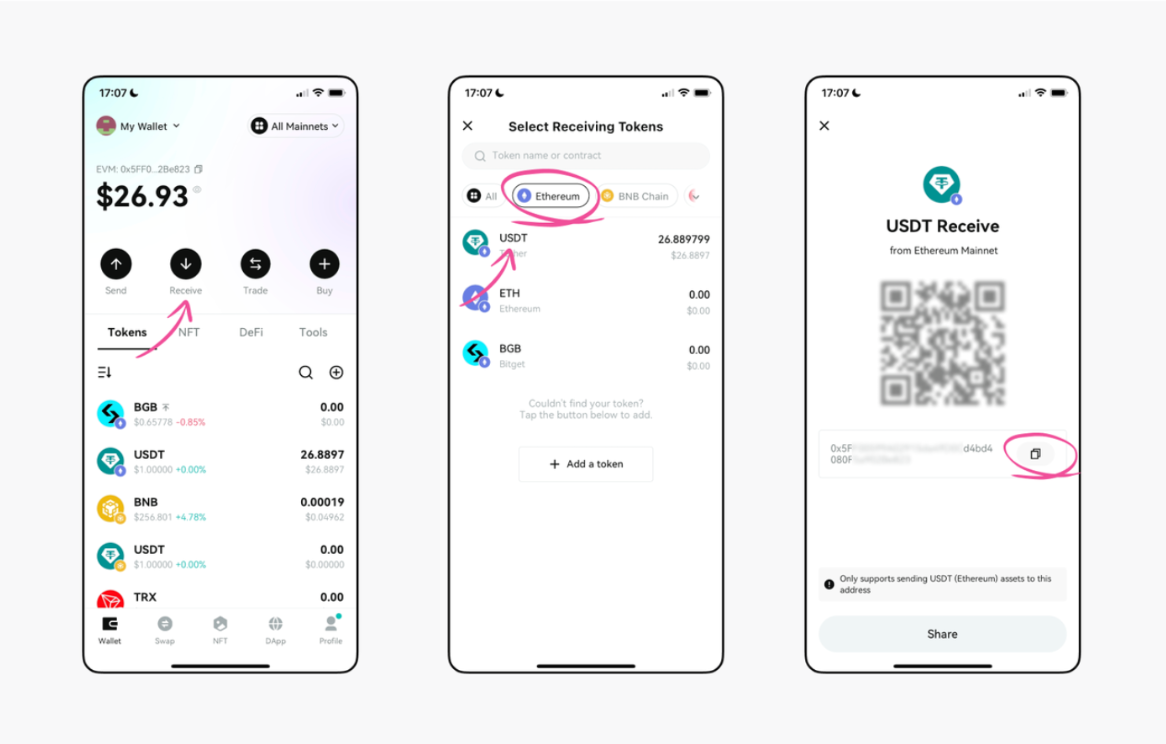
Step 1. Set up your wallet
Create a self-custodial wallet using email, Google, Apple, or seed phrase backup. Private keys remain fully controlled by the user.
Step 2: Fund with stablecoins
Use on/off-ramps, bank transfers, or crypto deposits to fund your wallet with assets like USDT or USDC.
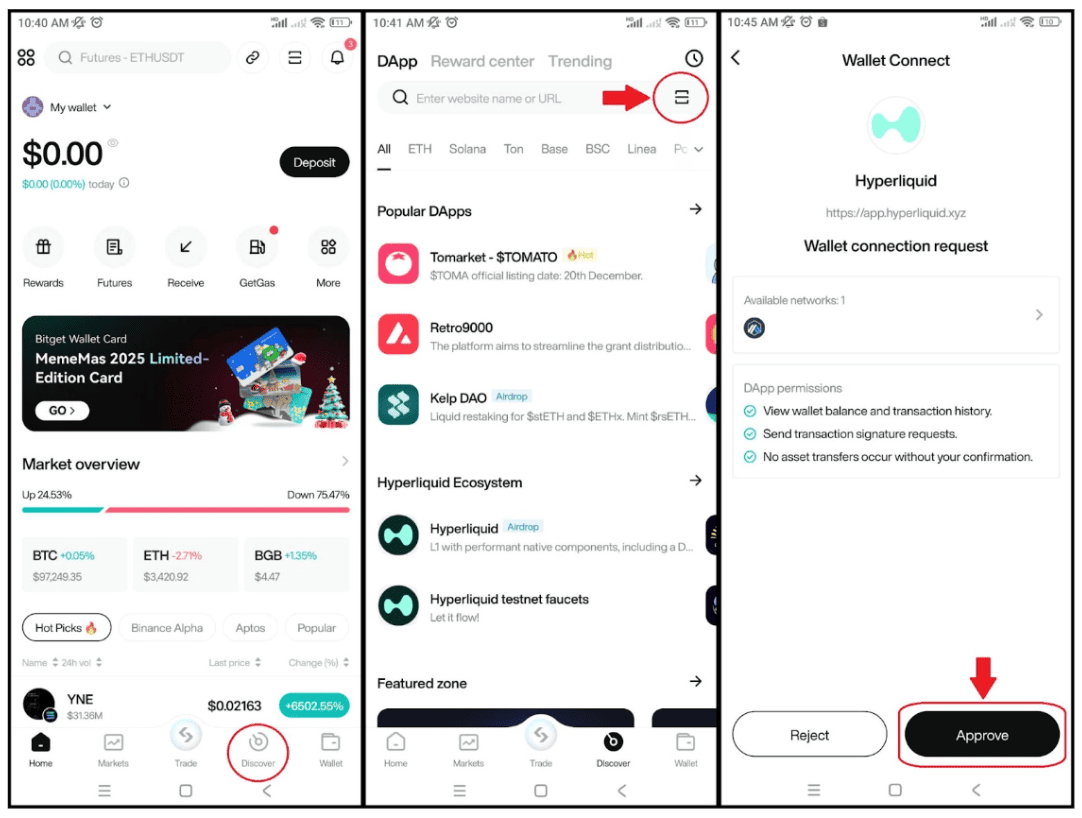
Step 3: Connect to dApps
Access decentralized prediction markets and Web3 platforms directly through the wallet interface.
Step 4: Execute trades securely
Use built-in swap, bridge, and trading features to interact with event-based markets while maintaining full custody.
This workflow allows users to adapt to changing event trading regulation US while minimizing reliance on centralized intermediaries.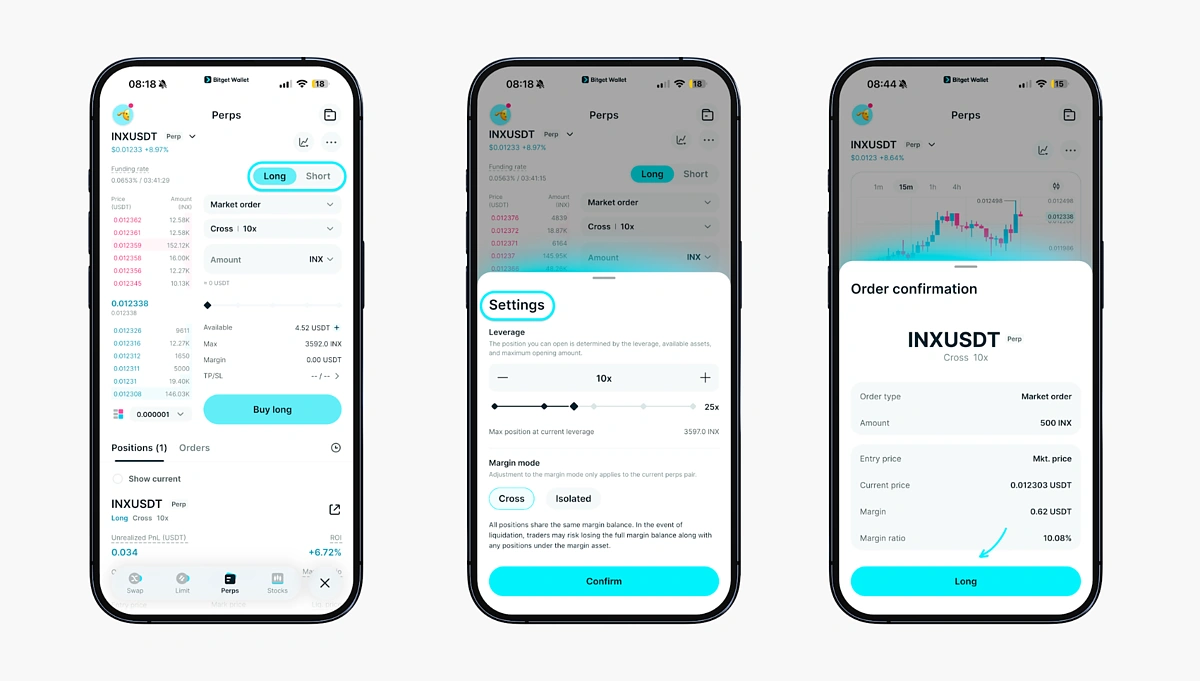
Conclusion
Kalshi Arizona Case Update marks a turning point for the industry, highlighting a shift toward stricter enforcement, increasing prediction market cooling, and ongoing uncertainty around prediction market legal status. The growing conflict between state and federal authorities is redefining prediction market regulation March 2026 and shaping the future of event trading.
In this evolving landscape, compliance and security are becoming critical. Whether navigating centralized platforms or decentralized alternatives, users need reliable tools to manage risk. Bitget Wallet offers a secure, non-custodial solution that enables users to explore event trading opportunities safely and efficiently. As the market matures, adopting secure practices will be key to participating confidently in the next phase of prediction markets.
Sign up Bitget Wallet now - grab your $2 bonus!
FAQs
What is the Kalshi Arizona Case Update and why does it matter?
The Kalshi Arizona Case Update refers to Arizona’s legal action against Kalshi, challenging whether its event contracts violate state gambling laws. It matters because it creates uncertainty around prediction market legal status and signals stricter enforcement under prediction market regulation March 2026.
How are prediction markets regulated in the US?
How prediction markets are regulated in the US depends on both federal and state authorities. Federal regulators treat them as financial derivatives, while some states classify them as gambling—leading to conflicts like the Kalshi Arizona Case Update and fragmented event trading regulation US.
Is it safe to participate in prediction markets in 2026?
Participation carries more risk due to prediction market cooling and increasing legal scrutiny. Users should focus on compliance, understand local regulations, and use secure tools like Bitget Wallet to maintain control of assets and reduce exposure to platform-related risks.
Risk Disclosure
Please be aware that cryptocurrency trading involves high market risk. Bitget Wallet is not responsible for any trading losses incurred. Always perform your own research and trade responsibly.

 Top Arc Tokens and Memecoins: What’s Trending on Arc Mainnet2026-09-16 | 5 mins
 Circle Arc Mainnet Launch: What Is Arc and Why Does It Matter?2026-09-14 | 5 mins
 Top Robinhood Chain Memecoins 20262026-09-09 | 5 mins



