





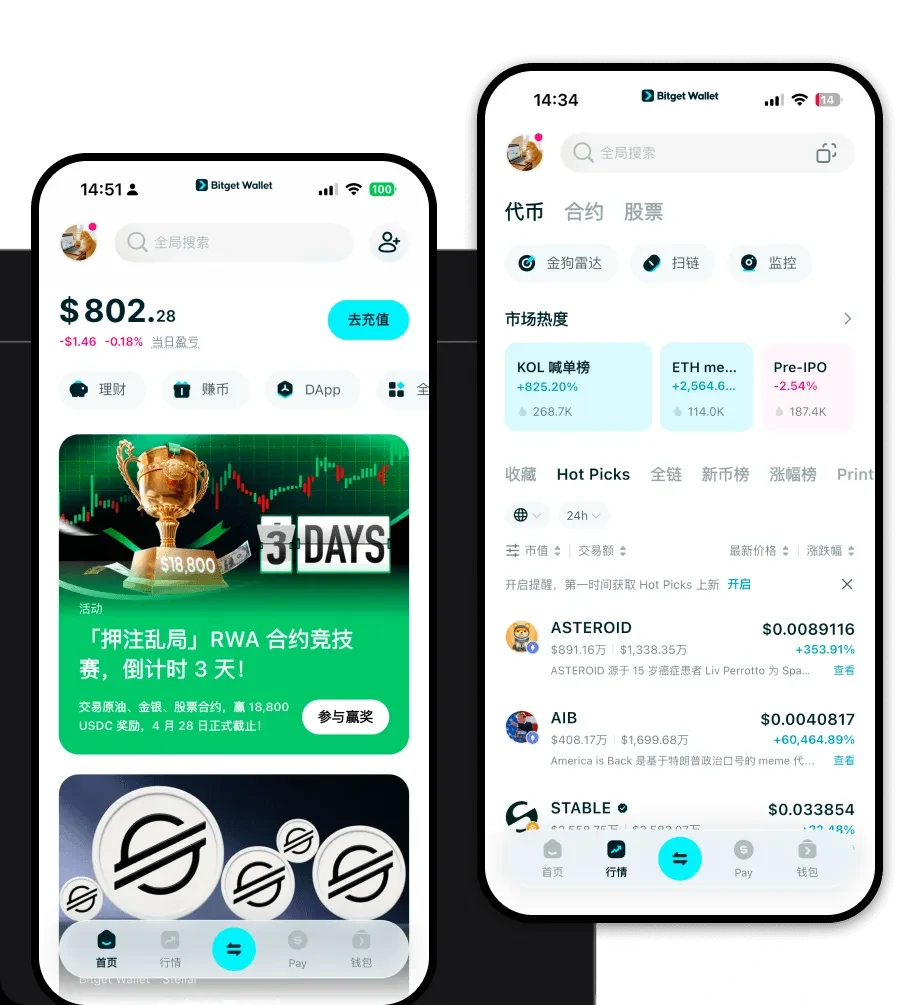
What is a ZTF Wallet?
A ZTF wallet is a digital gateway that allows you to interact with the ZTF token within the broader blockchain ecosystem. Built on the EVM (Ethereum Virtual Machine) chain, ZTF operates within a highly compatible environment that powers thousands of decentralized finance protocols. ZTF is a digital asset supported by secure and reliable crypto wallets like Bitget Wallet. It enables users to explore Web3 ecosystems, manage their assets securely, and engage with decentralized applications.
Download Bitget ZTF Wallet
If you are looking for a seamless way to handle your ZTF tokens, the Bitget Wallet app provides a unified experience across multiple platforms. Whether you are using an iOS device, an Android smartphone, or a desktop browser, you can easily download Bitget Wallet to get started. This non-custodial solution ensures that you maintain full control over your private keys, meaning your assets are always under your sole custody. With support for over 130 public chains, Bitget Wallet acts as a comprehensive hub, allowing you to manage not just ZTF, but a vast portfolio of digital assets without needing multiple applications.
Why Choose Bitget ZTF Wallet?
Choosing the right wallet for an EVM-based token like ZTF is crucial for maximizing your DeFi experience. Bitget Wallet is engineered to streamline your interaction with smart contracts and decentralized protocols:
- Native EVM Compatibility: Bitget Wallet is built to seamlessly integrate with the Ethereum Virtual Machine, ensuring that ZTF transactions are processed with optimal compatibility and speed.
- Advanced Smart Contract Interaction: The wallet features a robust DApp browser that allows you to connect directly to DeFi protocols, making it easier to stake or swap your ZTF without leaving the app.
- Smart Gas Management: Given the EVM architecture, gas fees can fluctuate. Bitget Wallet provides real-time fee estimations and optimization tools to ensure you aren't overpaying for your ZTF transactions.
- Unmatched Interoperability: As a multi-chain wallet, Bitget allows you to bridge your ZTF and other assets across various networks, breaking down the silos that often limit DeFi participation.
How to Create a ZTF Wallet
Setting up your wallet is a straightforward process designed to prioritize your security while ensuring accessibility:
- Download and Install: Visit the official Bitget Wallet website and install the application on your preferred device.
- Create a New Wallet: Open the app and select 'Create Wallet' to generate a new, secure account.
- Secure Your Seed Phrase: You will be provided with a recovery phrase. Write this down on paper and store it offline—never share this with anyone.
- Verify Your Backup: Follow the prompts to confirm your seed phrase, which ensures you have correctly backed up your wallet.
- Add ZTF: Once your wallet is active, use the 'Add Token' feature to search for ZTF by its contract address to make it visible in your dashboard.
What Can You Do With a ZTF Wallet?
Owning ZTF is just the beginning. With a non-custodial wallet like Bitget, you can actively participate in the DeFi ecosystem:
- Trading on Decentralized Exchanges: You can use your ZTF wallet to swap tokens directly on major DEXs, benefiting from the liquidity provided by the EVM ecosystem.
- Staking for Rewards: By connecting your wallet to staking platforms, you can lock your ZTF tokens to earn interest or governance rewards, effectively putting your assets to work.
- Providing Liquidity: You can contribute your ZTF to liquidity pools on decentralized platforms, earning a portion of the trading fees generated by the protocol.
- Asset Management in Non-Custodial Wallets: Beyond trading, you have complete control over your portfolio, allowing you to track your ZTF holdings and manage your Web3 identity securely without third-party interference.
How ZTF Wallets Are Different from Other Crypto Wallets
When dealing with an EVM-based token like ZTF, the choice of wallet matters. Unlike wallets designed for the UTXO model (like Bitcoin), which focus on simple balance tracking and transaction history, a ZTF wallet is optimized for the 'Account Model' used by EVM chains. This means your wallet doesn't just store coins; it interacts with complex smart contracts. Bitget Wallet excels here by offering a superior DApp browsing experience and gas fee management, which are essential for navigating the high-speed, high-frequency nature of modern DeFi, unlike simpler wallets that may lack the deep protocol integration required for advanced ZTF use cases.
