





1. What is a PCT Wallet?
A PCT wallet is a digital gateway designed to interact with the PureFi ecosystem and the broader EVM (Ethereum Virtual Machine) landscape. PCT (PureFi) is an innovative compliance protocol designed to provide decentralized KYC/AML solutions for the DeFi ecosystem. It enables anonymous users to pass compliance checks while maintaining privacy, bridging the gap between traditional finance regulations and decentralized finance. Because PCT operates on EVM-compatible networks, you need a specialized wallet that supports ERC-20 tokens and advanced smart contract interactions to fully leverage its compliance features.
2. Download Bitget PCT Wallet
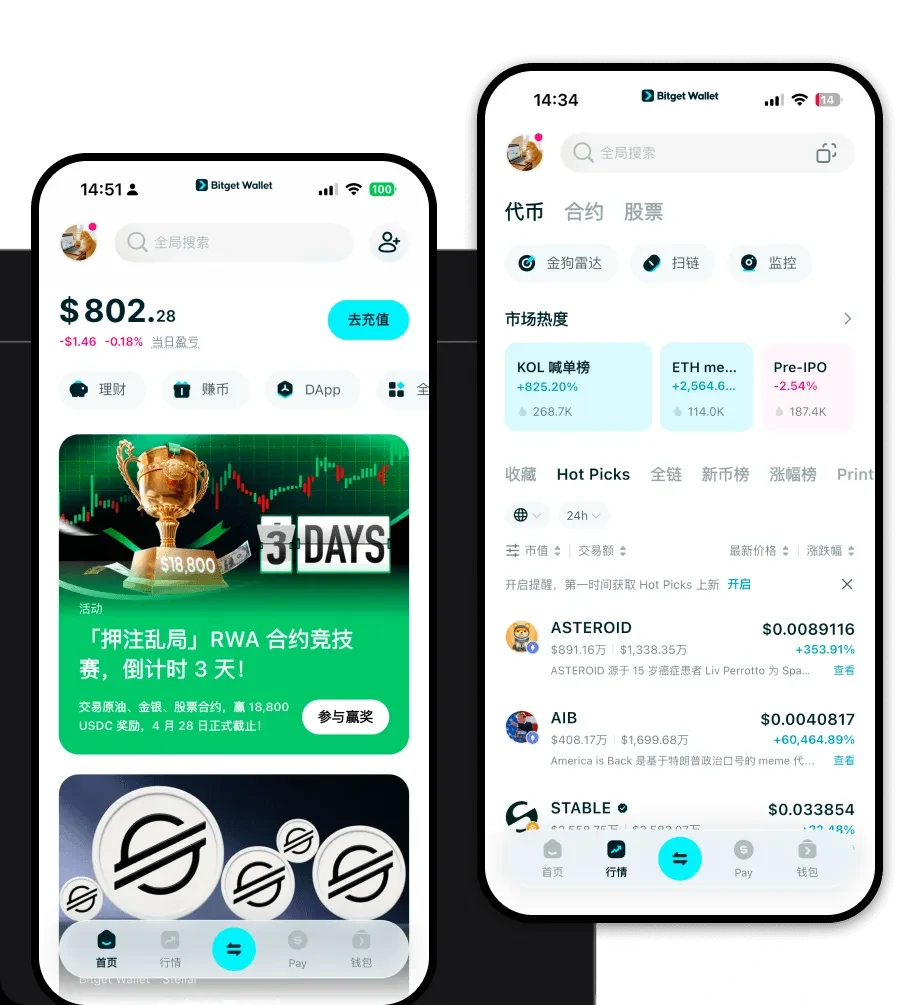
Managing your PCT tokens requires a secure and flexible tool. You can download Bitget Wallet to experience a comprehensive, non-custodial solution that gives you total control over your private keys. Whether you are on the go or at your desk, Bitget Wallet is available as an iOS app, an Android app, and a robust browser extension. It supports over 130 public chains, ensuring that your PCT assets remain accessible alongside your other multi-chain portfolio holdings in one unified interface.
3. Why Choose Bitget PCT Wallet?
As an infrastructure-focused token, PCT requires a wallet that understands the complexities of EVM ecosystems and smart contract protocols. Bitget Wallet stands out for several key reasons:
- Seamless EVM Compatibility: Bitget Wallet is architected specifically for the EVM environment, ensuring that your interactions with PureFi smart contracts are smooth, gas-efficient, and free from common interface errors.
- Privacy-Preserving Compliance: Since PCT focuses on decentralized KYC/AML, the wallet interface is designed to support the secure handling of sensitive identity verification data without compromising your private key security.
- Advanced DeFi Aggregation: With access to hundreds of DEXs and cross-chain bridges, you can swap tokens and manage your liquidity directly within the app, which is essential for active PureFi users.
- Security-First Architecture: Bitget Wallet integrates with a $300 million user protection fund, providing an extra layer of security that acts as a safeguard against malicious DApps or potential network vulnerabilities.
4. How to Create a PCT Wallet
Setting up your wallet is a straightforward process designed for both beginners and experienced DeFi participants:
- Install the App: Download Bitget Wallet from the official website or your preferred app store.
- Initialize Your Wallet: Open the app and select 'Create a New Wallet' to generate a unique seed phrase.
- Secure Your Recovery Phrase: Write down your 12-word recovery phrase and store it in a safe, offline location; never share this with anyone.
- Configure EVM Networks: Since PCT is an EVM token, ensure your wallet is set to the correct network (e.g., Ethereum or BNB Chain) to view your asset balances accurately.
- Add PCT Token: Navigate to the token management section, search for the specific PCT contract address, and toggle the switch to add it to your main dashboard.
5. What Can You Do With a PCT Wallet?
A PCT wallet is more than just a storage container; it is an active tool for participating in the PureFi ecosystem. You can utilize your wallet for the following activities:
- Staking: Lock your PCT tokens into the protocol to participate in network security and earn potential yield rewards directly through your wallet interface.
- Governance Voting: Use your wallet to sign transactions that allow you to vote on critical PureFi protocol updates, giving you a say in the future of decentralized compliance.
- Accessing Compliant DeFi Pools: Connect your wallet to PureFi-enabled platforms to enter liquidity pools that require verified KYC/AML status, ensuring your participation remains within regulatory frameworks.
- Identity Verification: Complete your decentralized identity verification processes within the secure environment of your wallet, allowing you to prove your compliance status without revealing personal data to third parties.
- Liquidity Mining: Provide liquidity to decentralized exchanges that support PCT pairs to earn transaction fees and protocol rewards, managed entirely through your connected wallet.
6. How PCT Wallets Are Different from Other Crypto Wallets
When dealing with infrastructure tokens like PCT, the choice of wallet matters. Unlike basic wallets that only focus on sending and receiving, a wallet tailored for PCT must handle the complexities of the EVM account model. Because PCT relies on smart contract compliance, your wallet needs to manage 'gas fees' efficiently—the cost required to execute transactions on the EVM chain. Unlike UTXO-based wallets (like Bitcoin) that focus on unspent transaction outputs, a PCT wallet manages account states, allowing for the complex logic required by DeFi protocols. Furthermore, Bitget Wallet optimizes these interactions by providing real-time gas fee estimates and transaction simulations, ensuring you don't waste funds on failed compliance checks or complex DeFi interactions.
