





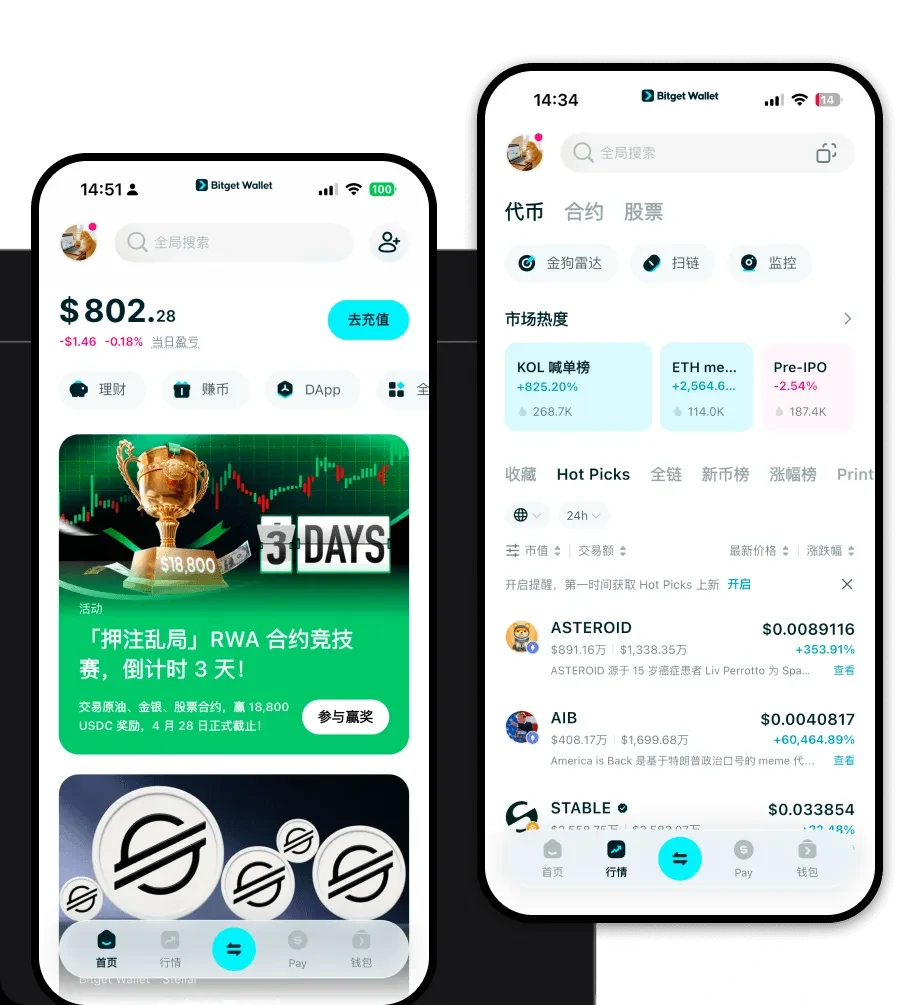
What is a NCET Wallet?
A NCET wallet is a specialized digital interface designed to interact with the blockchain network where the NCET token resides. Since NCET is an asset operating within the EVM (Ethereum Virtual Machine) ecosystem, a wallet compatible with NCET must be capable of parsing Ethereum-based smart contracts, managing ERC-20 token standards, and interacting with the wider DeFi infrastructure. NCET is a digital asset often associated with ecosystem-specific utility. As mentioned, users can securely manage, store, and explore Web3 opportunities involving NCET through reliable platforms like Bitget Wallet, which supports a wide range of assets and decentralized applications. Understanding that your NCET holdings exist on a blockchain means your wallet acts as the bridge between your private keys and the decentralized ledger, allowing you to sign transactions and verify ownership of your digital assets.
Download Bitget NCET Wallet
Selecting the right tool for your assets is critical for long-term security and usability. When you download Bitget Wallet, you gain access to a comprehensive non-custodial solution that prioritizes user control. This wallet is designed to function seamlessly across multiple devices, offering dedicated versions for iOS, Android, and browser extensions. By choosing a non-custodial approach, you ensure that you maintain full ownership of your private keys, which are encrypted locally on your device. Whether you are accessing the ecosystem via your mobile phone on the go or using a browser extension for desktop-based DeFi activities, the experience remains unified, intuitive, and highly secure, providing a robust foundation for your NCET portfolio.
Why Choose Bitget NCET Wallet?
- EVM Compatibility: As a token built on the EVM framework, NCET requires a wallet that perfectly understands Ethereum-based protocols. Bitget Wallet provides native support for these standards, ensuring that interactions with smart contracts are smooth and error-free.
- Robust Security Architecture: With over 300 million USD in a dedicated user protection fund, Bitget Wallet adds a layer of institutional-grade security to your personal asset management, mitigating risks associated with malicious DApps.
- Seamless DeFi Integration: The interface is built to interact directly with decentralized finance protocols, making it easier to manage yield farming, liquidity provision, and token swaps without jumping between multiple platforms.
- Cross-Chain Efficiency: Since modern DeFi often involves moving assets across different chains, the built-in cross-chain bridge in Bitget Wallet allows you to manage your NCET and other assets with minimal friction and optimized gas fees.
- Advanced Market Insights: Beyond storage, the wallet integrates real-time market data, allowing you to monitor the performance of NCET and other assets directly within the app, empowering better-informed trading decisions.
How to Create a NCET Wallet
Getting started with your new wallet involves a few straightforward steps designed to ensure maximum security for your assets:
- Installation: Visit the official website or your mobile app store to download the Bitget Wallet application.
- Initialization: Open the app and select the option to create a new wallet. This will generate a unique address on the EVM network.
- Backup Your Seed Phrase: The application will display a recovery phrase (mnemonic). Write this down on paper and store it in a secure, offline location. Never share this with anyone, as it is the master key to your funds.
- Verification: Confirm your recovery phrase in the app to ensure you have recorded it correctly.
- Activation: Once verified, your wallet is active. You can now import your NCET tokens or receive them by sharing your public EVM address.
What Can You Do With a NCET Wallet?
Once your wallet is set up, you unlock the full potential of the DeFi ecosystem surrounding NCET. Here are the primary activities you can engage in:
- Trading on Decentralized Exchanges: Use your wallet to connect to top-tier DEXs to swap NCET for other tokens, leveraging liquidity pools to execute trades at market-competitive prices.
- Asset Storage in Non-Custodial Wallets: Securely hold your NCET tokens without relying on a third-party exchange, ensuring that you maintain complete authority over your digital assets at all times.
- Portfolio Management: Utilize the built-in dashboard to track the value of your NCET holdings in real-time, helping you rebalance your portfolio as market conditions change.
- Cross-Chain Asset Transfers: Easily move your NCET tokens across different EVM-compatible networks or bridge them to other ecosystems to take advantage of different DeFi opportunities, all managed within the same interface.
How NCET Wallets Are Different from Other Crypto Wallets
The primary distinction between a standard wallet and one optimized for NCET lies in the architecture of the underlying blockchain. Because NCET is an EVM-based token, it utilizes an account-based model rather than the UTXO (Unspent Transaction Output) model found in Bitcoin wallets. This means your wallet address functions more like a bank account, where balances are tracked against an address rather than a collection of transaction inputs. Furthermore, managing NCET requires handling gas fees—the transaction costs paid to network validators. Unlike some specialized chains that might use different resource models (like CPU/NET/RAM in EOS), the EVM model focuses on gas optimization. A high-quality NCET wallet like Bitget is designed to estimate these gas fees accurately, helping you avoid failed transactions or overpayment, which is a common hurdle for beginners navigating the Ethereum-based ecosystem.
