




LUSD Cüzdanı Nedir?
LUSD cüzdanı, LUSD'yi (Liquity USD) güvenli bir şekilde saklamak, göndermek ve onunla etkileşimde bulunmak için tasarlanmış dijital bir arayüzdür. Liquity protokolü tarafından çıkarılan, USD'ye sabitlenmiş merkeziyetsiz bir stablecoin olarak LUSD, temel olarak EVM (Ethereum Sanal Makinesi) ekosisteminde çalışır. Geleneksel fiat destekli stablecoin'lerin aksine, LUSD, ETH ile teminatlandırılır ve sabit değerini merkezi rezervler yerine algoritmik mekanizmalarla korur. Bitget Wallet, LUSD'yi yönetmek, ticaretini yapmak ve etkileşimde bulunmak için güvenilir ve güvenli bir yol sunarak kullanıcıların DeFi ekosistemini sorunsuz bir şekilde keşfetmelerini sağlar.
LUSD, Ethereum blok zinciri üzerine inşa edilmiş bir ERC-20 token'ı olduğu için, bir LUSD cüzdanı daha geniş DeFi dünyasına açılan kapınız işlevini görür. Varlıklarınızı saklama hizmeti almadan tutmanıza, özel anahtarlarınız üzerinde tam kontrole sahip olmanıza ve teminat veya likidite için sabit varlıklar gerektiren karmaşık finansal protokollere katılmanıza olanak tanır.
Bitget LUSD Cüzdanını İndirin
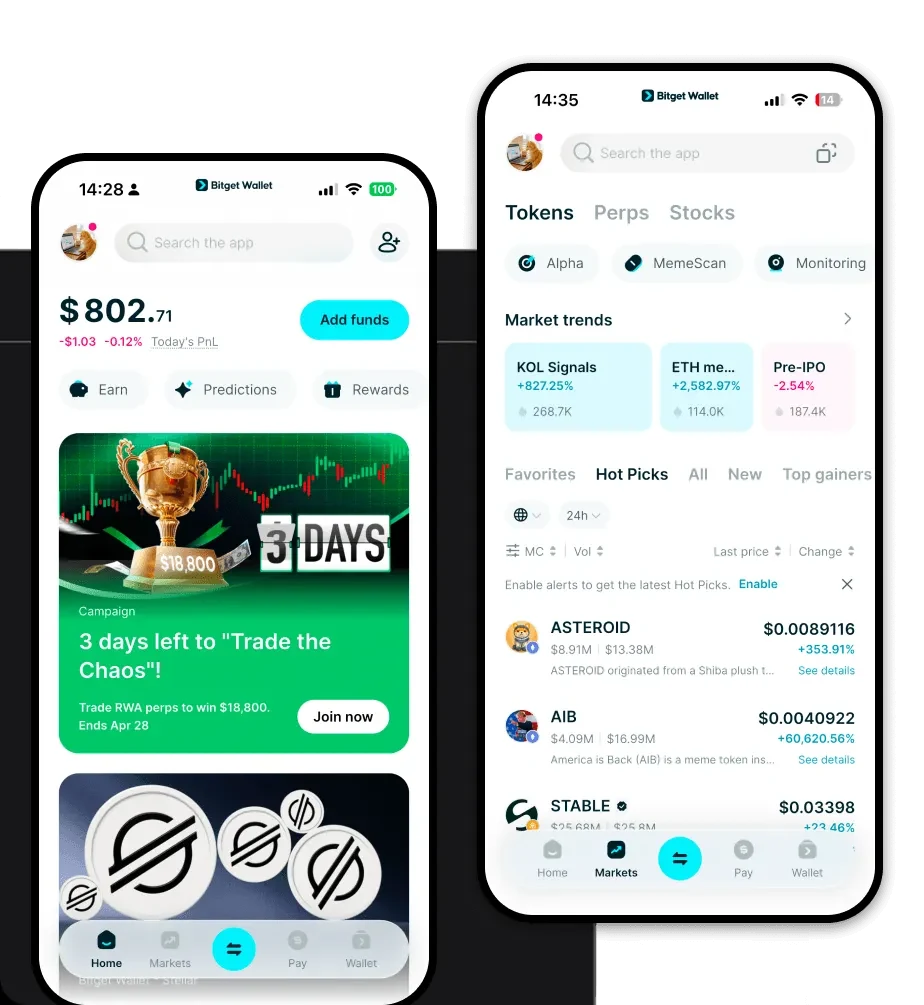
Stablecoin portföyünüzü yönetmek için doğru aracı bulmak çok önemlidir. LUSD'nizi yönetmek için Bitget Wallet'ı indirmek istiyorsanız, kullanıcı egemenliğine öncelik veren çok zincirli bir platformu tercih ediyorsunuz demektir. Bitget Wallet, 130'dan fazla halka açık zincire yerel destek sunarak, LUSD işlemlerinizin maksimum uyumlulukla gerçekleştirilmesini sağlayan çok yönlülük için tasarlanmıştır.
İster mobil öncelikli bir kullanıcı olun ister masaüstü yönetimini tercih edin, platform yanınızdadır. Bitget Wallet'ı iOS ve Android mobil uygulamaları ile sağlam bir tarayıcı uzantısı dahil olmak üzere çeşitli formatlarda indirebilirsiniz. Saklama hizmeti gerektirmeyen (non-custodial) bir çözüm seçerek, özel anahtarlarınızın tek sorumlusu olarak kalırsınız; bu, merkeziyetsiz finans protokolleriyle güvenli ve verimli bir şekilde etkileşim kurmak için temel bir gerekliliktir.
Neden Bitget LUSD Cüzdanını Seçmelisiniz?
LUSD gibi EVM tabanlı varlıklarla işlem yaparken, cüzdan seçiminiz deneyiminizi önemli ölçüde etkiler. Bitget Wallet, Ethereum ekosistemindeki stablecoin kullanıcılarının özel ihtiyaçları için optimize edilmiştir:
- MetaMask Uyumluluğu ve DeFi Entegrasyonu: EVM yerel aracı olarak Bitget Wallet, mevcut cüzdanları kolayca içe aktarmanıza ve dApp'lerle sorunsuz bir şekilde etkileşim kurmanıza olanak tanır, böylece LUSD'niz her zaman getiri elde etme veya likidite sağlama için hazır olur.
- Gelişmiş Gas Ücreti Yönetimi: EVM alanında gas maliyetlerini yönetmek hayati önem taşır. Bitget Wallet, gerçek zamanlı gas takibi ve optimizasyon özellikleri sunarak, ağ yoğunluğu sırasında fazladan ödeme yapmadan LUSD işlemlerini gerçekleştirmenize yardımcı olur.
- Güçlü Güvenlik Mimarisi: Özel 300 milyon dolarlık kullanıcı koruma fonu ile Bitget Wallet, kişisel varlık yönetiminize kurumsal düzeyde bir güvenlik katmanı ekleyerek sizi yaygın güvenlik açıklarına karşı korur.
- Algoritmik Gözetim: Cüzdan arayüzü, Liquity protokolü akıllı sözleşmelerini tanımak ve onlarla etkileşim kurmak için özel olarak ayarlanmıştır, bu da algoritmik istikrar mekanizmasıyla etkileşimlerinizin sorunsuz ve hatasız olmasını sağlar.
LUSD Cüzdanı Nasıl Oluşturulur
LUSD cüzdanınızı kurmak, yüksek güvenlik standartlarını korurken DeFi dünyasına hızlı bir şekilde girmeniz için tasarlanmış basit bir işlemdir:
- Uygulamayı Yükleyin: Resmi Bitget Wallet uygulamasını App Store'dan, Google Play'den veya resmi web sitesindeki tarayıcı uzantısından indirin.
- Yeni Bir Cüzdan Oluşturun: Uygulamayı açın ve 'Cüzdan Oluştur'u seçin. Güçlü bir şifre belirlemeniz istenecektir.
- Kurtarma İfadenizi Yedekleyin: Uygulama 12 kelimelik bir kurtarma ifadesi oluşturacaktır. Bunu bir kağıda yazın ve çevrimdışı olarak saklayın; LUSD varlıklarınızı kurtarmanın tek yolu bu olduğundan, bunu asla kimseyle paylaşmayın.
- Kurulumunuzu Doğrulayın: Doğru bir şekilde yedeklediğinizden emin olmak için kurtarma ifadenizi doğrulamak üzere ekrandaki komutları izleyin.
- LUSD Token'ını Ekleyin: Cüzdanınız aktif olduğunda, varlık listesine gidin, 'LUSD'yi arayın ve ana ekranınıza eklemek için düğmeyi açın. Cüzdanınız artık LUSD almaya ve göndermeye hazırdır.
LUSD Cüzdanı İle Neler Yapabilirsiniz?
LUSD'yi Bitget gibi yetenekli bir cüzdanda tutmak, çeşitli merkeziyetsiz finans stratejilerinin kilidini açar. LUSD'nizi şu şekilde kullanabilirsiniz:
- Getiri İçin Staking: LUSD'nizi istikrar havuzlarına veya ikincil borç verme protokollerine yatırarak istikrarlı getiri elde edebilir, varlığın istikrarlı doğasından yararlanarak volatilite risklerini azaltabilirsiniz.
- DEX'lerde Likidite Sağlama: LUSD'nizi Uniswap veya Curve gibi platformlarda diğer varlıklarla eşleştirerek likidite sağlayabilir ve işlem ücretleri kazanabilir, EVM ekosisteminde bir piyasa yapıcı olarak hareket edebilirsiniz.
- Kaldıraçlı ETH Pozisyonları: LUSD'yi kaldıraçlı pozisyonlarınızı yönetmek veya riskten korunmak için istikrarlı bir temel olarak kullanın; bu, ETH fiyat dalgalanmalarına olan maruziyetiniz üzerinde daha hassas bir kontrol sağlar.
- Arbitraj Ticareti: LUSD cüzdanınızı kullanarak sermayenizi en iyi piyasa fırsatlarının olduğu yerlere hızla taşıyarak farklı merkeziyetsiz borsalar arasındaki fiyat farklılıklarından yararlanın.
- Teminatlı Borçlanma: LUSD'yi borç verme platformlarında diğer kripto varlıklara karşı borç almak için istikrarlı bir varlık olarak kullanın, böylece uzun vadeli varlıklarınızı satmadan likiditenizi koruyabilirsiniz.
LUSD Cüzdanları Diğer Kripto Cüzdanlarından Nasıl Farklıdır?
Özellikle EVM üzerinde stablecoin'lerle işlem yaparken tüm cüzdanlar aynı şekilde oluşturulmamıştır. Bir Bitcoin cüzdanı UTXO işlem modellerine ve temel değer transferine odaklanırken, EVM üzerindeki bir LUSD cüzdanı karmaşık akıllı sözleşme etkileşimi için tasarlanmıştır.
Kaynak ağırlıklı zincirler (EOS gibi) veya yüksek verimli zincirler (Solana gibi) için oluşturulan cüzdanların aksine, bir LUSD cüzdanı Ethereum hesap modeline odaklanır. Bu, cüzdanınızın Liquity protokolü tarafından gerektirilen belirli akıllı sözleşme çağrılarını yürütmek için gerekli olan 'nonce' değerlerini ve gas limitlerini yönettiği anlamına gelir. Ayrıca, LUSD algoritmik istikrarı için değiştirilemez akıllı sözleşmelere dayandığından, cüzdanınızın bu etkileşimleri net bir şekilde ayrıştırabilmesi ve görüntüleyebilmesi gerekir; bu, Bitget Wallet'ın DeFi'ye özel verilerle derin entegrasyondan yoksun olabilecek genel, çok amaçlı cüzdanlara kıyasla öne çıktığı bir özelliktir.
