



What is a gweg Wallet?
A gweg wallet is a specialized digital interface designed to interact with the gweg token, which operates on the EVM (Ethereum Virtual Machine) blockchain. Because gweg is built on EVM infrastructure, it requires a wallet that is fully compatible with Ethereum standards, ensuring seamless compatibility with smart contracts, decentralized exchanges, and the broader DeFi ecosystem. Are you looking for a reliable and secure crypto wallet for your gweg? Bitget Wallet will be your best choice. Trusted by 40 million users, you can freely explore Web3 on Bitget Wallet. Start your journey now!
Download Bitget gweg Wallet
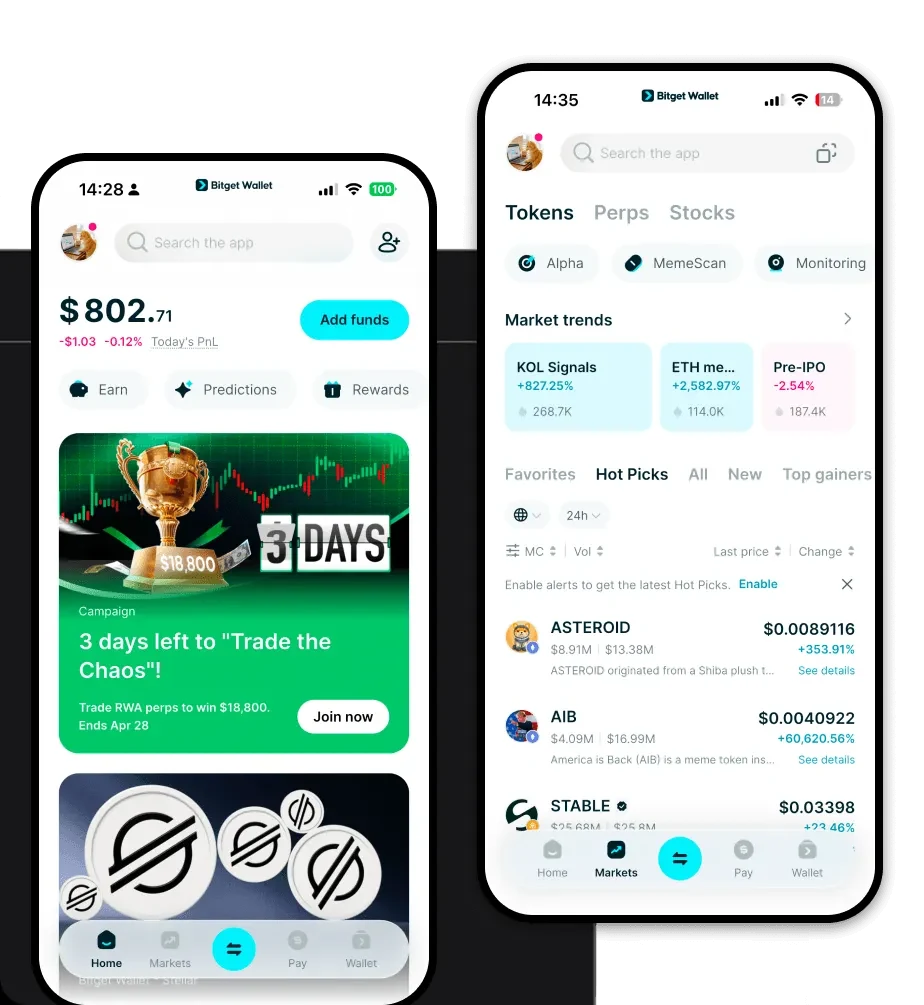
Choosing the right tool is the first step in your crypto journey. The Bitget gweg wallet app is engineered for users who demand both security and ease of use. It offers robust multi-chain support, allowing you to manage gweg alongside hundreds of thousands of other tokens across various networks. With a focus on self-custody, you maintain full control over your private keys, ensuring that your assets remain under your sole supervision. Whether you prefer a mobile experience on iOS or Android, or a browser extension for desktop interaction, you can download Bitget Wallet to get started. Its intuitive design makes it the best wallet for gweg, whether you are a newcomer or a seasoned trader.
Why Choose Bitget gweg Wallet?
When selecting a wallet for meme tokens like gweg, you need features that go beyond simple storage. Bitget Wallet provides specific advantages for the EVM ecosystem:
- MetaMask Compatibility: Easily import your existing wallets or interact with the same DApps you are already familiar with, thanks to full EVM standard compliance.
- Advanced DEX Aggregation: Access superior liquidity and optimized gas fees by automatically routing your gweg trades through the best available decentralized exchanges.
- Meme-Friendly Portfolio Management: Track your volatile assets in real-time with a dashboard designed to highlight market movements and social sentiment shifts.
- Security-First Architecture: Benefit from the $300 million user protection fund, which adds an extra layer of security to your self-custody experience.
- Low-Latency Interaction: Experience high-speed transaction broadcasting, which is crucial when dealing with the high volatility typical of community-driven tokens.
How to Create a gweg Wallet
Setting up your wallet is a straightforward process that ensures your assets are protected from the start:
Step 1: Download the Bitget Wallet app from the official website or your preferred app store.
Step 2: Open the application and select 'Create a New Wallet' to generate a fresh address.
Step 3: Securely back up your mnemonic phrase (seed phrase) in a physical, offline location; never share this with anyone.
Step 4: Once the wallet is initialized, navigate to the asset management section and search for the gweg contract address to add it to your main view.
Step 5: You are now ready to receive gweg to your new gweg wallet address and begin interacting with the ecosystem.
What Can You Do With a gweg Wallet?
A gweg wallet is more than just a storage vault; it is a gateway to active participation in the token's lifecycle:
- Trading: You can execute high-speed swaps for gweg directly within the wallet using the integrated DEX aggregator, ensuring you capture optimal prices during market volatility.
- Speculative Investment: Utilize the wallet's portfolio tracker to monitor your gweg holdings in real-time, allowing you to manage your speculative positions effectively as market sentiment shifts.
- Liquidity Provision: Participate in decentralized finance by providing liquidity for gweg pairs, enabling you to earn yields while supporting the token's ecosystem.
- Community Participation: Stay connected with the gweg community by using the DApp browser to access governance platforms and community-driven initiatives directly from your wallet.
How gweg Wallets Are Different from Other Crypto Wallets
Unlike simple storage solutions, a specialized gweg wallet built for the EVM ecosystem handles the nuances of account-based models differently. While UTXO-based wallets (like those for Bitcoin) focus strictly on transaction inputs and outputs, an EVM-based wallet like Bitget is designed to manage 'state' and smart contract interactions. This means the wallet must efficiently handle gas fees, which fluctuate based on network congestion. Furthermore, because gweg is a meme token category asset, the wallet prioritizes speed and integration with DEX aggregators over simple cold storage, ensuring you can react instantly to market sentiment without the delays often associated with hardware-only or legacy wallet solutions.
