



1. What is a FDUSD Wallet?
A FDUSD wallet is a digital interface that allows you to store, receive, and send FDUSD (First Digital USD), a prominent stablecoin operating primarily on EVM-compatible chains. Because FDUSD is an EVM asset, your wallet needs to interact seamlessly with Ethereum-based smart contracts and decentralized applications.
FDUSD (First Digital USD) is a 1:1 USD-backed stablecoin issued by First Digital Labs. It is designed to be a reliable and secure digital asset, offering transparency and regulatory compliance to bridge the gap between traditional finance and the crypto ecosystem.
2. Download Bitget FDUSD Wallet
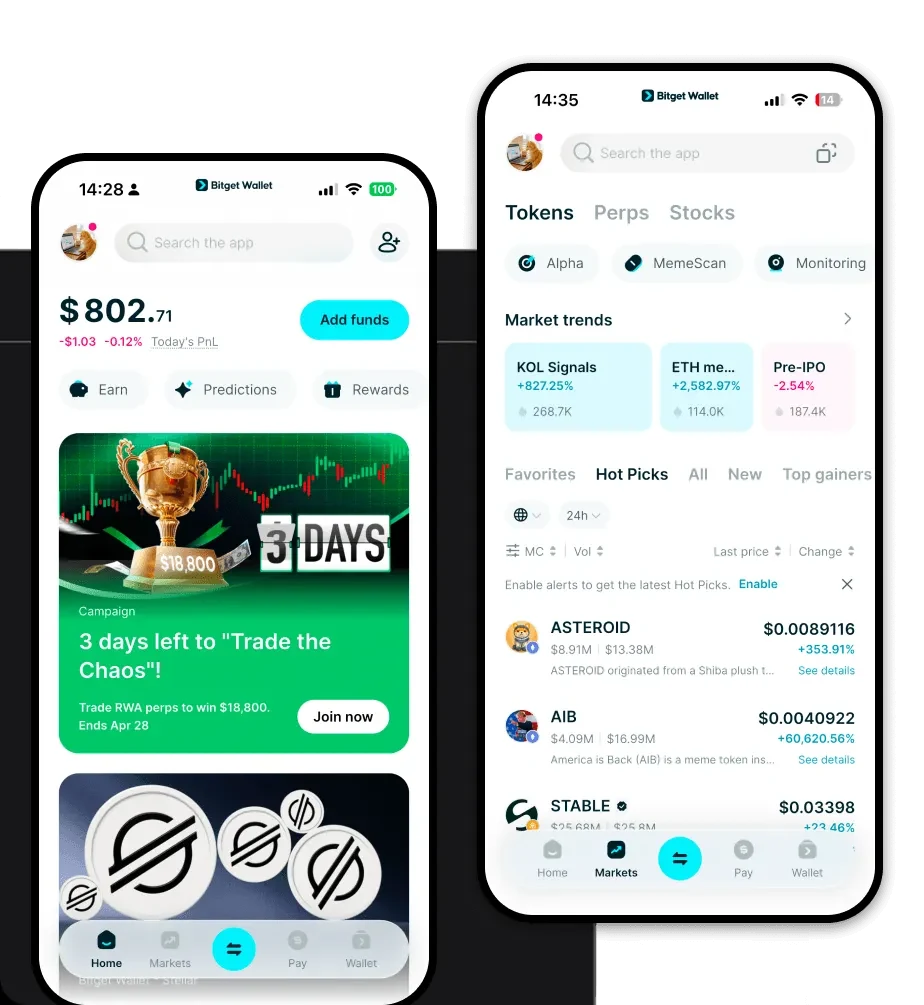
To start managing your assets securely, you need a robust, non-custodial solution. Bitget Wallet provides a comprehensive, user-friendly gateway to the EVM ecosystem. Unlike custodial exchanges that hold your private keys, Bitget Wallet ensures you maintain full ownership of your funds, allowing for true self-custody. Whether you are using a desktop browser or a mobile device, the platform offers a seamless experience with support for iOS, Android, and browser extensions.
To get started, simply download Bitget Wallet to access your multi-chain gateway. With its intuitive interface, you can manage millions of tokens across 130+ public chains, ensuring that your FDUSD is always accessible and easily transferable.
3. Why Choose Bitget FDUSD Wallet?
Choosing the right wallet for a stablecoin like FDUSD requires prioritizing security, liquidity, and EVM integration. Bitget Wallet is optimized for these specific needs:
- Native EVM Compatibility: Designed specifically for EVM chains, the wallet ensures that interacting with FDUSD-based smart contracts, gas fee management, and token approvals are smooth and error-free.
- Robust Security Framework: Backed by a $300 million User Protection Fund, Bitget Wallet provides an extra layer of safety, combining MPC technology with traditional seed phrase recovery options.
- High-Liquidity Aggregation: Access hundreds of DEXs and cross-chain bridges directly within the interface, allowing you to swap into or out of FDUSD with minimal slippage.
- Regulatory Transparency: The wallet interface is built to support assets that prioritize compliance, making it an ideal environment for managing FDUSD, which emphasizes regulatory adherence.
4. How to Create a FDUSD Wallet
- Download and Install: Visit the official Bitget Wallet website and install the app or extension on your preferred device.
- Create a New Wallet: Open the application and select 'Create a Wallet.' Ensure you back up your mnemonic phrase in a secure, offline location.
- Secure Your Recovery Phrase: Never share your 12-phrase key with anyone. This is the master key to your FDUSD assets.
- Set a Password: Create a strong, unique password for your wallet application to prevent unauthorized access on your local device.
- Add FDUSD to Your Assets: Use the 'Add Token' feature and search for 'FDUSD' or paste the contract address to ensure the token appears in your main dashboard.
5. What Can You Do With a FDUSD Wallet?
Holding FDUSD in a non-custodial wallet like Bitget unlocks a range of decentralized financial activities:
- Trading: You can engage in seamless trading by swapping your FDUSD for other digital assets across various decentralized exchanges.
- Providing Liquidity: By depositing your FDUSD into liquidity pools, you can help facilitate decentralized trading and earn transaction fees in return.
- Payments: Utilize the stability of FDUSD to make fast, borderless payments for goods or services within supported Web3 ecosystems.
- Staking: You can put your idle FDUSD to work by staking it in secure protocols to earn consistent yield over time.
- Yield Farming: Participate in advanced DeFi strategies by leveraging your FDUSD in yield farming protocols to maximize your capital efficiency.
6. How FDUSD Wallets Are Different from Other Crypto Wallets
FDUSD is an EVM-based token, which fundamentally dictates how your wallet functions compared to non-EVM assets. Unlike Bitcoin wallets that rely on the UTXO (Unspent Transaction Output) model, an FDUSD wallet utilizes the Account-Based model typical of Ethereum and its layer-2 networks. This means your wallet balance is simply the state of your address on the blockchain, allowing for more complex smart contract interactions.
Furthermore, while Bitcoin wallets focus on transaction throughput and censorship resistance, an FDUSD wallet is optimized for gas management and transaction speed within the Ethereum Virtual Machine. When you use Bitget Wallet for FDUSD, you are leveraging an interface designed to handle the frequent contract interactions required for DeFi, ensuring you can approve tokens and execute trades without the resource-heavy overhead associated with non-EVM chains.
