





What is a Ceramic Wallet?
Ceramic is a decentralized data network that brings unlimited composability to Web3 applications. By providing a decentralized stream processing network, it allows developers to build applications that can share and reuse data across the ecosystem, solving the problem of data silos in Web3. Unlike traditional blockchains that focus primarily on financial transactions, Ceramic functions as a decentralized database protocol, operating on a 'chain-agnostic' model. A Ceramic wallet is essentially your gateway to managing decentralized identities (DIDs) and data streams that interact with this protocol. Because Ceramic is not tied to a single blockchain like Ethereum or Solana, your wallet acts as the secure signing authority, allowing you to authenticate and manage data streams that are stored via IPFS and processed across the network.
Download Bitget Ceramic Wallet
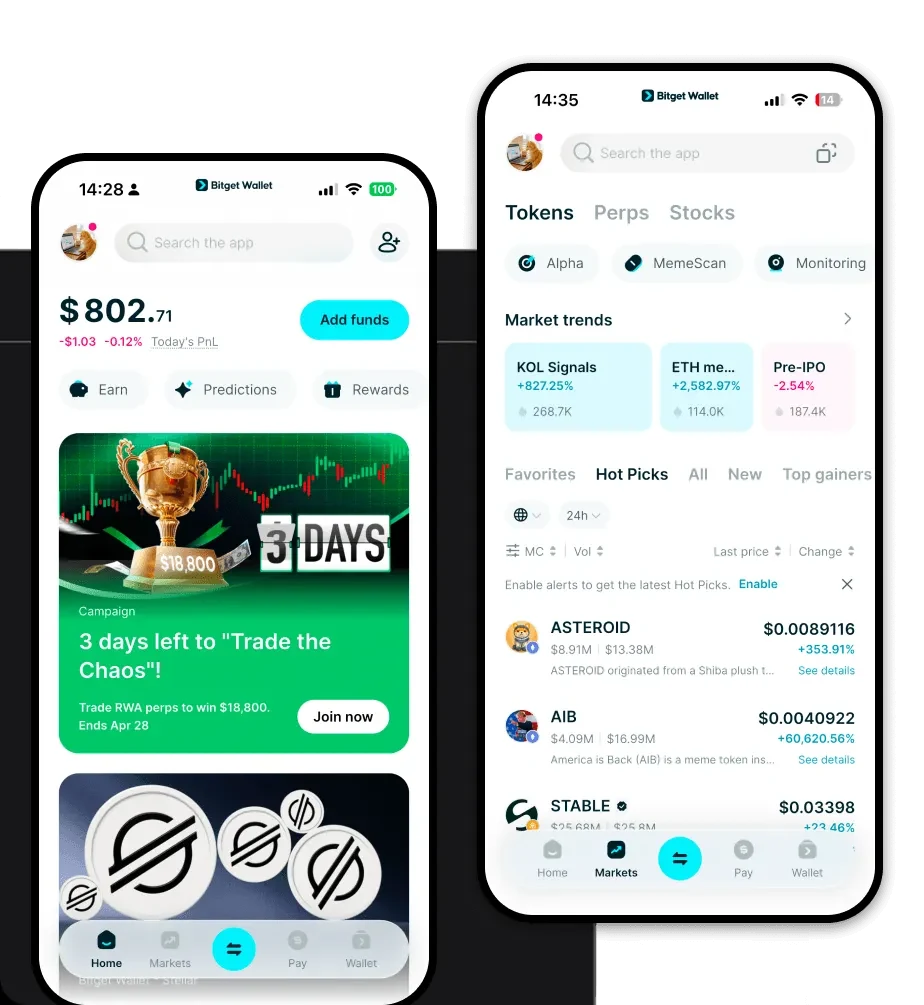
To start interacting with the Ceramic network securely, you need a robust, non-custodial gateway. Bitget Wallet provides a comprehensive solution for managing your decentralized data and assets. By choosing to download Bitget Wallet, you gain access to a platform that supports over 130 public chains and provides a unified interface for complex Web3 interactions. Bitget Wallet is available as a mobile app for iOS and Android, as well as a browser extension, ensuring that your decentralized identity management is always at your fingertips. With private key self-custody, you retain full control over the cryptographic keys that sign your data streams, ensuring that your interaction with the Ceramic network remains private and censorship-resistant.
Why Choose Bitget Ceramic Wallet?
When dealing with decentralized infrastructure projects like Ceramic, standard wallets often fall short. Bitget Wallet is designed to handle the complexities of multi-chain and cross-protocol environments:
- Unified Web3 Identity Management: Bitget Wallet simplifies the complexity of managing DIDs, allowing you to seamlessly sign data requests across different applications within the Ceramic ecosystem.
- Robust Security Architecture: With an integrated 300 million USD user protection fund, Bitget Wallet provides a safety net that is critical when managing sensitive personal data and persistent decentralized information.
- Seamless DApp Integration: The built-in DApp browser is optimized for the latest infrastructure protocols, enabling you to connect to Ceramic-powered applications without leaving the safety of your wallet.
- Aggregated Cross-Chain Liquidity: Even though Ceramic is an infrastructure layer, you often need to move assets between chains to pay for storage or network fees; Bitget Wallet aggregates hundreds of DEXs and cross-chain bridges to handle these requirements efficiently.
How to Create a Ceramic Wallet
Setting up your wallet to interact with the Ceramic network is straightforward. Follow these steps to get started:
1. Download and Install: Visit the official Bitget Wallet website and download the application for your preferred device (iOS, Android, or Browser Extension).
2. Create a New Wallet: Open the app and select 'Create a Wallet.' Ensure you back up your mnemonic phrase in a secure, offline location—this is your master key to your decentralized identity.
3. Configure Your Network Preferences: While Ceramic is chain-agnostic, ensure your wallet is synced with the specific chains your Ceramic-based applications might be utilizing for gas or storage payments.
4. Verify Your Identity: If you are using a DID-based application, connect your wallet to the specific Ceramic DApp. The wallet will prompt you to sign a message, confirming your ownership of the address without exposing your private key.
5. Start Managing Data: Once connected, you can begin interacting with data streams, storing user-generated content, or managing your decentralized profile directly through the DApp interface.
What Can You Do With a Ceramic Wallet?
With Bitget Wallet, you are not just holding tokens; you are managing the building blocks of the decentralized web. Here are the practical use cases for your Ceramic-enabled wallet:
- Building decentralized social applications: You can create and manage profiles on social protocols that utilize Ceramic to ensure your social graph is owned by you, not a centralized server.
- Managing decentralized identity (DID): Use your wallet to authenticate yourself across various platforms using a single, verifiable identity that persists across the Web3 ecosystem.
- Storing user-generated content: Securely link your wallet to applications that store your media or text data on Ceramic, ensuring it remains immutable and accessible.
- Enabling cross-chain data interoperability: Use your wallet to facilitate the movement of metadata or state information between different blockchain environments, breaking down data silos.
- Developing dApps with persistent data: If you are a developer, your wallet serves as the administrative hub for managing the data streams and smart contract interactions associated with your decentralized application.
How Ceramic Wallets Are Different from Other Crypto Wallets
It is important to distinguish a wallet used for infrastructure protocols like Ceramic from a standard DeFi wallet. While a DeFi wallet is primarily concerned with token balances and gas prices on a specific chain (like Ethereum's account model or Bitcoin's UTXO model), a Ceramic-enabled wallet is focused on data ownership and signature management. Unlike traditional wallets that simply track 'how much coin you have,' a wallet interacting with Ceramic tracks 'what data you own and what you have authorized.' Because Ceramic utilizes IPFS integration and decentralized stream processing, the wallet acts as a cryptographic gatekeeper for your digital footprint, ensuring that your data architecture remains composable and permissionless, rather than being locked into a specific blockchain's state machine.
