



1. Wormhole (W) ウォレットとは何ですか?
Wormhole (W) ウォレットは、Wトークンおよびその関連エコシステムを安全に管理、保管、操作するために設計されたデジタルインターフェースです。Wは主にEVM(イーサリアム仮想マシン)ランドスケープ内で動作するため、ウォレットはさまざまな分散型プラットフォーム全体でこれらの資産を管理するためのプライベートゲートウェイとして機能します。Wormholeは、マルチチェーンアプリケーションやブリッジを支える主要な相互運用性プラットフォームです。これは、異なるブロックチェーン間でのシームレスな通信と資産転送を可能にし、開発者やユーザーがWeb3エコシステムを探索するための安全で信頼性の高いインフラストラクチャを提供します。
2. Bitget Wormhole (W) ウォレットのダウンロード
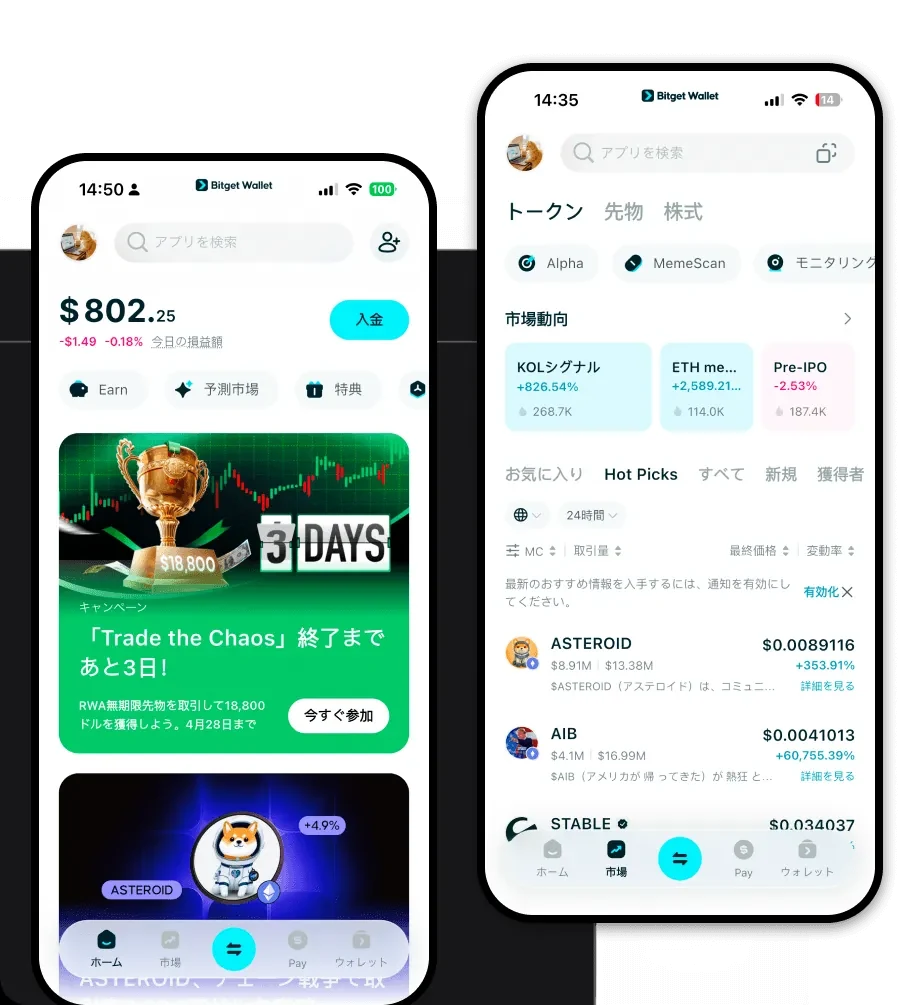
Wトークンの管理を開始するには、信頼性の高い自己管理型のソリューションが必要です。Bitget Walletは、130以上のブロックチェーンで数百万の資産をサポートする、包括的でユーザー中心のインターフェースを提供することで際立っています。iOSデバイス、Androidスマートフォン、デスクトップブラウザのいずれを使用している場合でも、Bitget Walletアプリは統一されたエクスペリエンスを提供します。Bitget Walletをダウンロードすることを選択すると、秘密鍵を完全に制御しながら、より広範なDeFi市場とのシームレスな統合を楽しむことができます。インストールプロセスは合理化されており、技術的な専門知識に関係なく、数分で開始できるように設計されています。
3. なぜBitget Wormhole (W) ウォレットを選ぶのか?
Bitget Walletは、WormholeおよびEVMエコシステムに関与するユーザーに明確な利点を提供します:
- EVMエコシステムの統合: イーサリアムベースの標準規格とのネイティブな互換性を享受し、最も活発なDeFiプロトコル内でWトークンが完全にサポートされることを保証します。
- スマートガス代管理: 最適化されたトランザクションルーティングを活用して、ネットワークの混雑を回避し、資産の移動や交換時のガス代を最小限に抑えます。
- 堅牢なセキュリティインフラ: 3億ドルのユーザー保護基金と高度な暗号化手法により、不正アクセスから秘密鍵を安全に保護します。
- DAppブラウザの接続性: 内蔵のDAppブラウザを通じて、数百もの分散型アプリケーションやクロスチェーンブリッジに直接簡単に接続でき、外部のウォレット設定を構成する必要はありません。
4. Wormhole (W) ウォレットの作成方法
Wormholeエコシステムへの安全なゲートウェイを作成するのは、以下の5つのステップで簡単に行えます:
- 公式サイトまたはモバイルアプリストアからBitget Walletアプリケーションをダウンロードしてインストールします。
- アプリを起動し、「新しいウォレットを作成」を選択して、ユニークで安全なシードフレーズを生成します。
- ニーモニックフレーズを安全でオフラインの場所にバックアップします。これは資金へのマスターキーであるため、絶対に誰にも教えないでください。
- 強力なウォレットパスワードを設定し、ローカルでのトランザクションやアプリへのアクセスにさらなるセキュリティ層を追加します。
- ウォレットが初期化されたら、Wトークンのコントラクトアドレスをインポートまたは追加して、残高を確認し、取引を開始できます。
5. Wormhole (W) ウォレットで何ができるのか?
Wウォレットを所有することで、相互運用性スペース内で幅広い可能性が広がります:
- クロスチェーン資産ブリッジ: ウォレットを利用して、Wormholeプロトコルを介して異なるブロックチェーン間で資産を安全に移動させ、流動性の選択肢を拡大します。
- ガバナンス投票: Wトークンを使用して、主要なプロトコルのアップグレードやコミュニティの提案に投票し、分散型の意思決定プロセスに参加します。
- ネットワークセキュリティのためのステーキング: トークンをロックしてネットワーク全体の安定性とセキュリティに貢献し、潜在的な報酬を獲得します。
- クロスチェーンデータメッセージング: クロスチェーンデータ送信を必要とする高度なプロトコルと対話し、署名の権限としてウォレットを活用します。
- 流動性の提供: 分散型取引所にWトークンを提供して取引を促進し、プラットフォームによって生成された取引手数料の一部を獲得します。
6. Wormhole (W) ウォレットは他の暗号資産ウォレットと何が違うのか?
暗号資産の世界をナビゲートするには、ウォレットの基礎となるアーキテクチャを理解する必要があります。WはEVMエコシステムに深く統合されているため、Bitget WalletはビットコインのようなUTXOベースのチェーン向けに構築されたウォレットとは機能が異なります。ビットコインウォレットはトランザクションの整合性を確保するために未使用のトランザクション出力(UTXO)の管理に重点を置いていますが、BitgetのようなEVM互換ウォレットは「アカウントモデル」に重点を置いています。このモデルはスマートコントラクトとの複雑なやり取りを簡素化し、より直感的なDeFi参加を可能にします。さらに、Bitget Walletは単に残高を追跡するだけでなく、EVMチェーン上でスマートコントラクト機能を実行するために不可欠な、バリデーターに支払われる手数料である「ガス」を管理します。これにより、Bitget Walletは単なる保管ツールではなく、現代の相互運用性インフラストラクチャの高速かつ低遅延な環境における能動的な参加者となります。
