





What is an EEM Wallet?
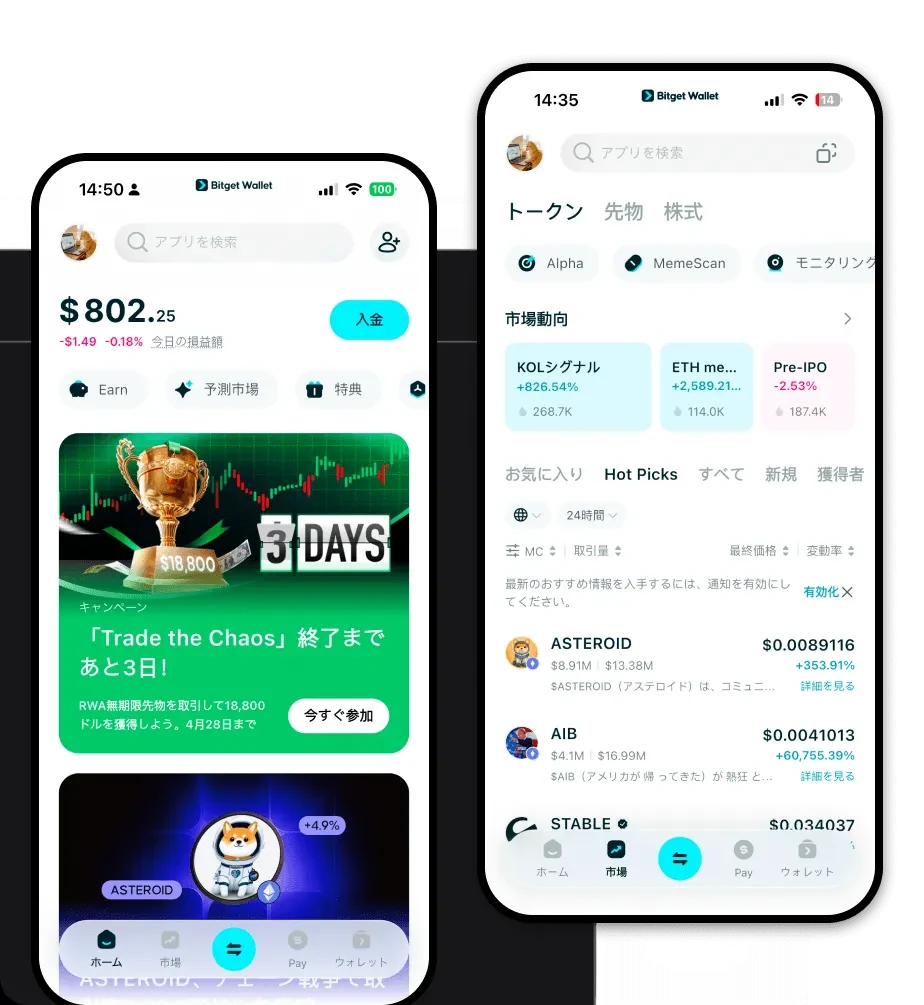
An EEM wallet is a digital interface that allows you to securely store, manage, and interact with EEM tokens, which represent tokenized assets tied to emerging market indices. Since EEM operates within the EVM (Ethereum Virtual Machine) ecosystem, your wallet acts as a bridge to decentralized finance (DeFi) protocols that power these assets. By using a compatible wallet, you gain full control over your private keys, ensuring you are the sole custodian of your investments. Are you looking for a reliable and secure crypto wallet for your EEM? Bitget Wallet will be your best choice. Trusted by 40 million users, you can freely explore Web3 on Bitget Wallet. Start your journey now!
Download Bitget EEM Wallet
Getting started with your EEM journey is straightforward. To ensure you have the best experience, we recommend using a platform that supports a wide range of assets and provides seamless cross-chain functionality. Bitget Wallet is designed for both beginners and advanced users, offering full self-custody over your assets so that you remain in control at all times. Whether you prefer managing your portfolio on the go via iOS or Android, or you need the convenience of a browser extension for your desktop DeFi activities, Bitget Wallet has you covered. You can download Bitget Wallet today to experience a multi-chain environment that prioritizes user experience and asset security.
Why Choose Bitget EEM Wallet?
When dealing with EVM-based tokenized assets like EEM, you need a wallet that understands the intricacies of the Ethereum ecosystem. Bitget Wallet stands out by offering specific advantages tailored for DeFi users:
- Native EVM Compatibility: Seamlessly interact with any EEM-related smart contracts without compatibility issues, ensuring smooth token transfers and dApp interactions.
- Automated Yield Generation Tools: Access built-in features that help you participate in yield farming and staking pools directly from your wallet interface.
- Global Market Exposure: Benefit from an integrated experience that connects you to liquidity across various DEXs, ensuring you get the best rates for your EEM trading.
- Enhanced Security Protocol: With over $300 million in user protection funds, Bitget Wallet adds an extra layer of defense against malicious dApps and unauthorized access.
- Cross-Border Liquidity Management: Easily bridge your assets across different EVM chains, providing the flexibility to move your EEM tokens wherever the market opportunity is greatest.
How to Create an EEM Wallet
Setting up your wallet to hold EEM is a simple process that prioritizes your security:
- Install the App: Download the official Bitget Wallet application from the App Store, Google Play, or the official website extension store.
- Initialize Your Wallet: Open the app and select 'Create a New Wallet' to generate a fresh, secure environment for your assets.
- Secure Your Seed Phrase: Write down your recovery phrase (mnemonic) and store it in a physical, offline location; never share this with anyone.
- Verify Setup: Confirm your recovery phrase within the app to ensure you have accurately backed up your wallet access.
- Add EEM Token: Use the 'Add Token' feature to import EEM by pasting the official contract address, making it visible in your main dashboard.
What Can You Do With an EEM Wallet?
Holding EEM in a robust wallet like Bitget unlocks a variety of DeFi utilities designed to optimize your portfolio:
- Asset Diversification: Use your wallet to easily manage EEM alongside other tokenized assets, spreading your risk across different emerging market sectors.
- Trading: Execute swaps directly through the wallet's integrated DEX aggregator to exchange your EEM for other tokens at competitive market prices.
- Providing Liquidity: Deposit your EEM into decentralized liquidity pools to earn transaction fees and contribute to the health of the ecosystem.
- Staking for Yield: Lock your EEM tokens into staking protocols to generate passive income through automated yield generation mechanisms.
- Portfolio Hedging: Utilize your wallet to quickly adjust your holdings, allowing you to hedge against market volatility by shifting assets between EEM and stablecoins.
How EEM Wallets Are Different from Other Crypto Wallets
Unlike standard wallets that might lack deep integration with DeFi, an EEM wallet designed for the EVM ecosystem functions differently. Because EEM runs on EVM-compatible networks, the wallet utilizes an account-based model rather than the UTXO model found in Bitcoin. This allows for complex smart contract interactions, which are essential for yield farming and liquidity provision. Furthermore, the wallet must manage gas fees efficiently; Bitget Wallet excels here by providing real-time gas estimation, ensuring that your transactions are processed at the optimal speed without overpaying. While non-specialized wallets may struggle with custom token display or complex DeFi dashboarding, a dedicated wallet interface ensures that your EEM assets are always tracked accurately and accessible for instant utility.
