





What is an AIOS Wallet?
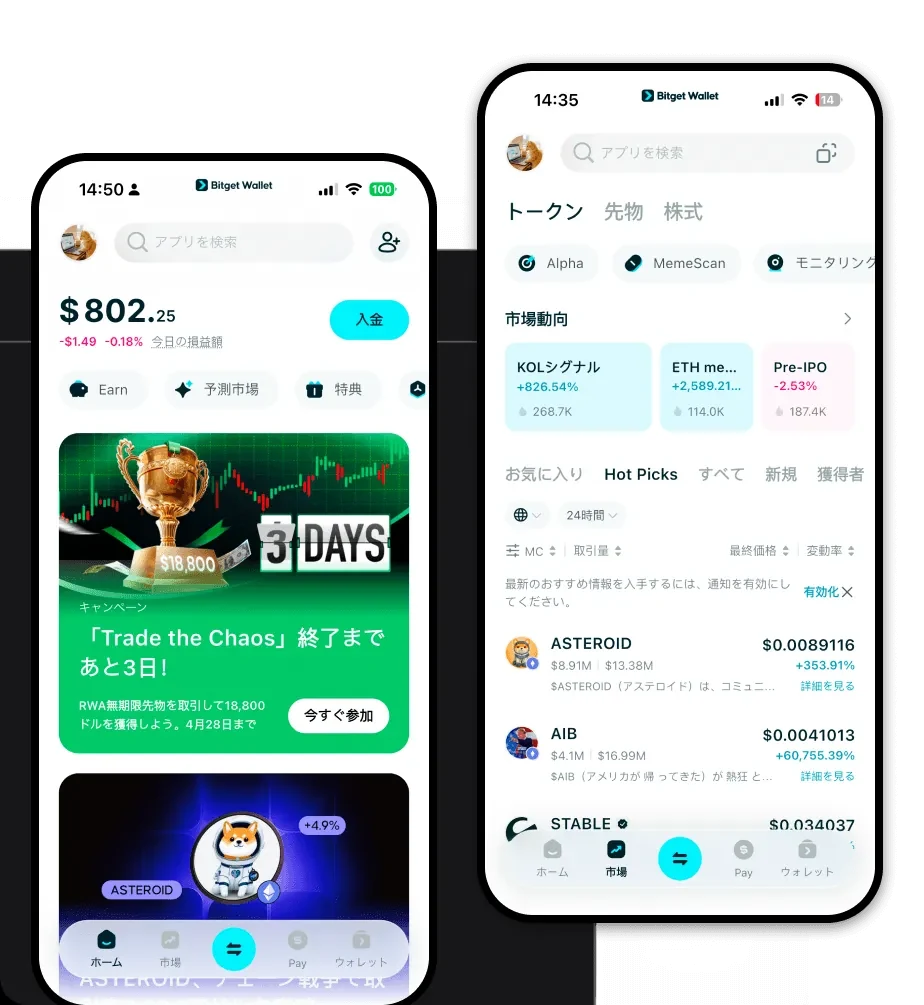
An AIOS wallet is a digital interface designed to help you securely store, manage, and interact with your AIOS tokens. Because AIOS operates on the EVM (Ethereum Virtual Machine) ecosystem, it requires a wallet that is fully compatible with EVM standards. This ensures that you can execute smart contracts, pay gas fees, and interact with decentralized applications seamlessly. AIOS is a digital asset accessible via Bitget Wallet, a platform trusted by 40 million users for secure crypto storage and Web3 exploration.
Download Bitget AIOS Wallet
Getting started with your AIOS management is straightforward when you use a platform built for the modern Web3 landscape. Bitget Wallet provides a unified experience across iOS, Android, and browser extensions, ensuring your assets are with you wherever you go. Unlike centralized exchanges where you don't hold your private keys, Bitget Wallet empowers you with full self-custody, giving you total control over your digital assets. With robust multi-chain support, managing your EVM-based tokens alongside other assets is effortless. To begin, you can download Bitget Wallet and instantly set up your secure gateway to the blockchain.
Why Choose Bitget AIOS Wallet?
Choosing the right wallet for an infrastructure token like AIOS is critical. Bitget Wallet is optimized for the EVM ecosystem, providing specific advantages for power users and beginners alike:
- Seamless EVM Compatibility: Bitget Wallet is purpose-built for EVM networks, allowing for native integration with thousands of DApps and protocols without configuration headaches.
- Advanced Decentralized Storage Integration: The wallet integrates directly with decentralized storage solutions, ensuring your infrastructure-related assets are handled with high-level security protocols.
- High-Speed Transaction Processing: Leveraging the underlying efficiency of the EVM, Bitget Wallet optimizes gas fee estimation and transaction submission to ensure your trades execute rapidly, even during network congestion.
- Native Cross-Chain Interoperability: Easily bridge and swap your AIOS tokens across different chains without leaving the interface, simplifying the complex process of moving assets between ecosystems.
How to Create an AIOS Wallet
Creating your Bitget wallet to handle AIOS is a simple process that prioritizes your security:
- 1. Download and install the Bitget Wallet application from the official store or website.
- 2. Open the app and select 'Create a New Wallet' to generate a fresh set of credentials.
- 3. Back up your mnemonic phrase (seed phrase) in a secure, offline location; never share this with anyone.
- 4. Set a strong password for your local device access to add an extra layer of protection.
- 5. Once inside the dashboard, your EVM-compatible address is automatically generated, ready for you to receive AIOS or import existing assets.
What Can You Do With an AIOS Wallet?
With Bitget Wallet, your AIOS tokens become more than just numbers on a screen; they become active tools for Web3 engagement:
- Asset Storage: Safely secure your AIOS tokens in a self-custodial environment, protected by Bitget’s $300M user protection fund.
- Liquidity Provision: Use your AIOS to participate in decentralized finance by providing liquidity to various pools, potentially earning rewards for your contribution.
- Cross-Chain Swapping: Utilize the built-in swap features to exchange AIOS for other tokens across different blockchains with minimal friction and competitive rates.
- Decentralized Application Interaction: Connect your wallet to various DApps to participate in governance, utilize decentralized storage services, or engage with the broader infrastructure ecosystem.
How AIOS Wallets Are Different from Other Crypto Wallets
Not all wallets are created equal, especially when dealing with infrastructure tokens on the EVM. While some wallets are limited to a single chain, Bitget Wallet leverages the flexible account model of the EVM, which is distinct from the UTXO models found in Bitcoin-based wallets. In an EVM-based AIOS wallet, you are interacting with smart contract addresses rather than managing unspent transaction outputs. This model allows for more complex interactions, such as automated DeFi strategies and token approvals. Furthermore, while some legacy wallets struggle with fluctuating gas fees, Bitget Wallet’s smart gas management ensures that you aren't overpaying during high network demand, providing a significantly smoother experience than standard or basic wallet applications.
