


What Is a Non-Custodial Wallet: Understanding Self-Custody and Private Key Control
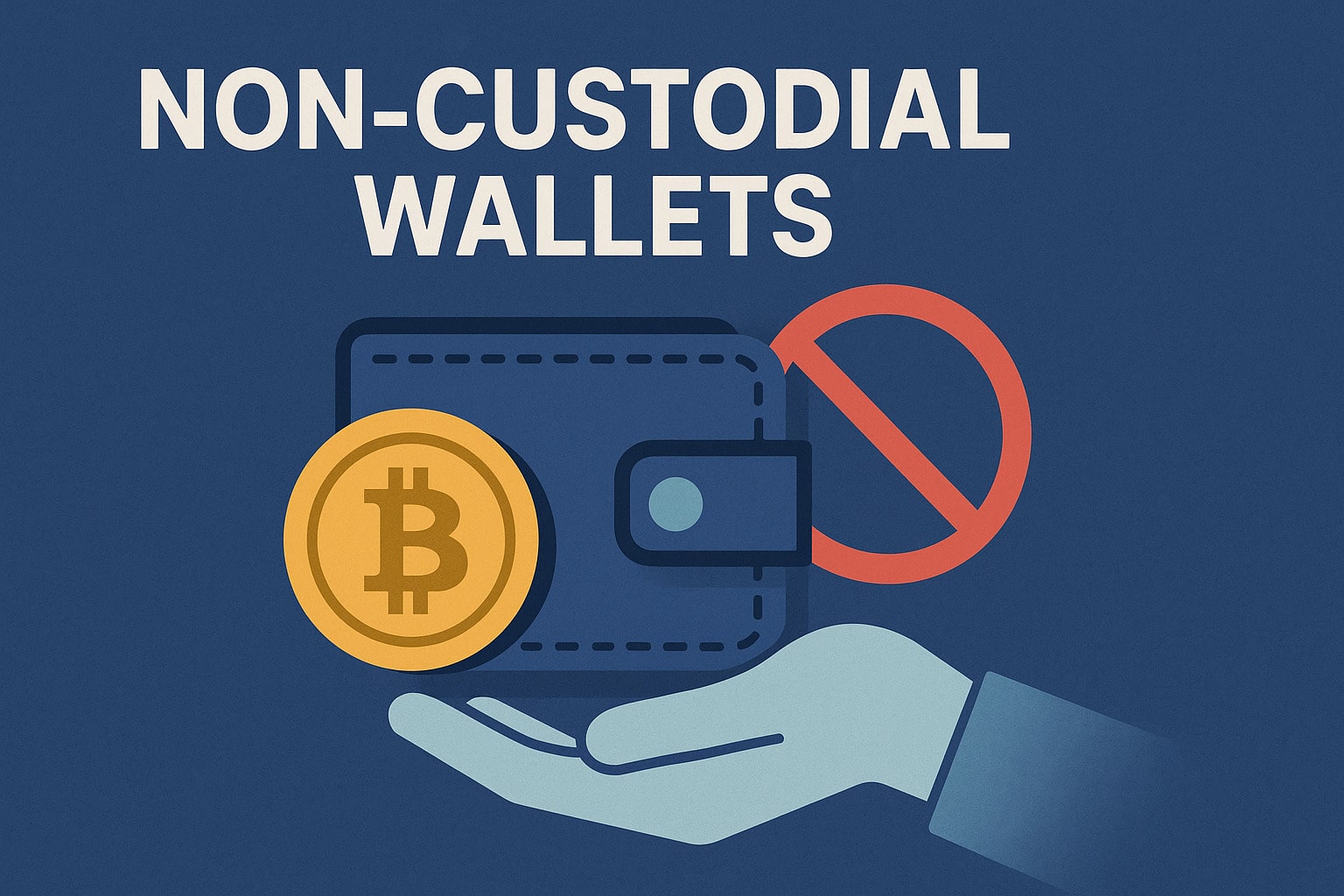
What is a Non-Custodial Wallet? It's a type of cryptocurrency wallet where you – the account holder – personally hold the private keys. This means you are the only one with access to your digital assets. The wallet doesn't hold the keys for you, nor does it interfere with or manage your funds. Because of this mechanism, non-custodial wallets are considered the safest option currently available.
Beyond just holding your money, this type of wallet allows you to explore decentralized applications, participate in DeFi protocols, and gradually reduce your dependence on centralized exchanges. However, freedom comes with responsibility. If you forget or lose your private keys or seed phrase (recovery phrase), the wallet and all your assets are gone forever; no one can help you recover them.
In this article, we'll delve into the intricacies of non-custodial wallets: how they work, the risks to be aware of, and why Bitget Wallet is currently the number one non-custodial wallet!
Key Takeaways
- A non-custodial wallet gives users direct control of private keys and full ownership of their crypto assets.
- Non-custodial wallets enable direct interaction with dApps, DeFi, and blockchain networks without exchange approval.
- Security in a non-custodial wallet depends on protecting private keys and the seed phrase used for recovery.
What Is a Non-Custodial Wallet?
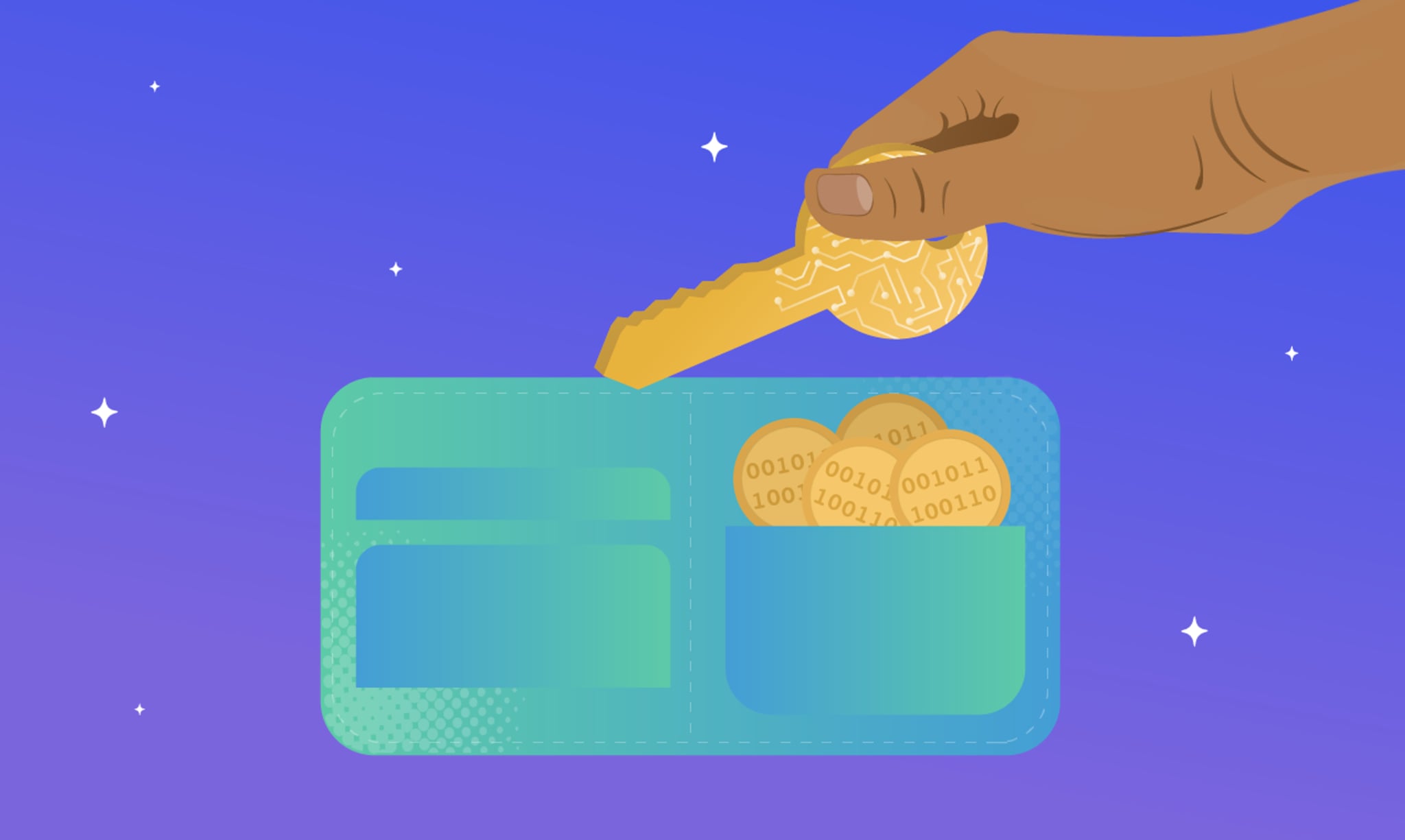
A non-custodial wallet is a cryptocurrency wallet where the user, not an exchange or centralized provider, controls the private keys. That private key control is the foundation of self-custody because it determines who can authorize transactions and access assets on-chain.
Source: coin98.net
Why Does Private Key Control Define a Non-Custodial Wallet?
At the core of a non-custodial wallet is one simple rule: whoever controls the private key controls the wallet. That is why self-custody is not just about having an app on a phone; it is about having the credentials that authorize blockchain activity.
-
Private key:
The secret credential used to sign transactions and prove control of a blockchain address
-
Public address:
The wallet address others can use to send crypto to you
-
Seed phrase:
Usually 12, 18, or 24 words that can restore wallet access on another device
-
No third party holds your keys:
The provider cannot approve transactions for you
-
No third party can directly move funds:
Actions require your signing flow
It is also important to separate the wallet interface from the assets themselves. The app does not “contain” the coins the way a bank account contains money. Assets exist on the blockchain, while the wallet is the access tool that lets you view balances and authorize movement.
Key Terms in Non-Custodial Wallets
| Term | Simple Meaning | Why It Matters |
| Private Key | Secret credential that signs transactions | Whoever controls it controls the wallet |
| Public Address | Wallet address shared to receive funds | Safe to share for receiving crypto |
| Seed Phrase | Backup phrase for wallet recovery | Needed if device is lost or reset |
| Non-Custodial Wallet | Wallet with user key control | Gives direct ownership and responsibility |
How Does a Non-Custodial Wallet Work?
A non-custodial wallet works by securing the credentials needed to sign blockchain transactions. It does not hold coins like a bank holds money. Instead, it lets the user authorize actions directly on public blockchains, including transfers, swaps, and dApp interactions.
| Step | User Action | Wallet Function | Blockchain Result |
| 1 | Open wallet | Reads account data | Shows balances from chain |
| 2 | Enter transfer or connect to dApp | Prepares transaction | Pending action created |
| 3 | Review details | Displays network, fee, destination | User checks accuracy |
| 4 | Approve/sign | Uses private key or secure signing flow | Authorization generated |
| 5 | Broadcast | Sends transaction to network | On-chain confirmation begins |
| 6 | Completion | Updates wallet view | Funds or approvals change |
This flow matters because assets live on-chain, while the wallet is the control interface. That same signing process is also what allows a non-custodial wallet to connect to DeFi protocols, NFT marketplaces, DAO voting systems, and other dApps.
Source: 99bitcoins.com
How Does a Seed Phrase Help Recover Access?
A seed phrase is the backup layer that allows the same wallet to be restored on a new device. In most self-custody setups, the provider cannot recover it for you, so recovery depends on what you saved at setup.
- Entering the seed phrase on a new device can restore the same wallet and its addresses
- Recovery usually works even if the old phone, browser, or computer is lost
That is why seed phrase storage matters so much: anyone who gets the seed phrase can usually access the funds.
What Types of Non-Custodial Wallets Can Users Choose From?
Non-custodial wallets come in several formats, and each one balances convenience and security differently. Mobile apps, browser extensions, hardware devices, paper backups, and smart contract wallets all fit under the broader self-custody model, but they serve different needs.
1. Software Non-Custodial Wallets
Software non-custodial wallets are wallets used through software interfaces such as mobile apps, desktop programs, or browser extensions. They are the most common format for daily crypto activity.
- Easy to use for payments, transfers, and routine portfolio checks
- Commonly used for swaps, NFTs, DeFi, and dApp access
- Available across mobile, desktop, and browser environments
- Often considered hot wallets because they operate on internet-enabled devices
For everyday on-chain activity, software wallets are usually the most practical starting point.
2. Hardware Non-Custodial Wallets
Hardware wallets are physical devices designed to keep private keys offline. They are often preferred when security is a higher priority than convenience.
- Stronger protection through offline key storage
- Lower exposure to malware, phishing, and online attacks
- Often used for long-term storage and larger balances
- Usually work with a mobile device or computer during transaction signing
For users holding meaningful amounts of crypto, hardware wallets can add an important security layer.
3. Paper Wallets
Paper wallets store wallet credentials or recovery information on paper rather than on a live device. They are much less common today.
- Fully offline by design
- No dependence on internet-connected software for storage
- Easy to lose or physically damage
- Not convenient for modern DeFi, dApps, or frequent transfers
Paper wallets still exist, but they are now a niche option rather than a mainstream one.
4. Smart Contract Wallets
Smart contract wallets use on-chain contract logic to manage access and wallet rules. They can offer more flexibility than traditional wallet structures.
- May support guardians or social recovery
- Can include spending limits and custom security rules
- In some cases, improve recovery options
- Often connected to account abstraction-style wallet design
For users who want more advanced recovery and permission controls, smart contract wallets can be appealing.
Overview of Non-Custodial Wallet Types
| Wallet Type | Connection Style | Main Advantage | Main Limitation | Best For |
| Software Wallets | Online app or extension | Easy daily use | Device risk | Beginners, payments, dApps, DeFi, swaps, NFTs |
| Hardware Wallet | Offline signing | Strong key isolation | Less convenient | Long-term storage |
| Paper Wallet | Offline printed key | No online storage | Easy to damage or lose | Rare niche use |
| Smart Contract Wallet | Contract-based control | Recovery and custom rules | Setup complexity | Flexible security needs |
What Is the Difference Between a Non-Custodial Wallet and a Custodial Wallet?
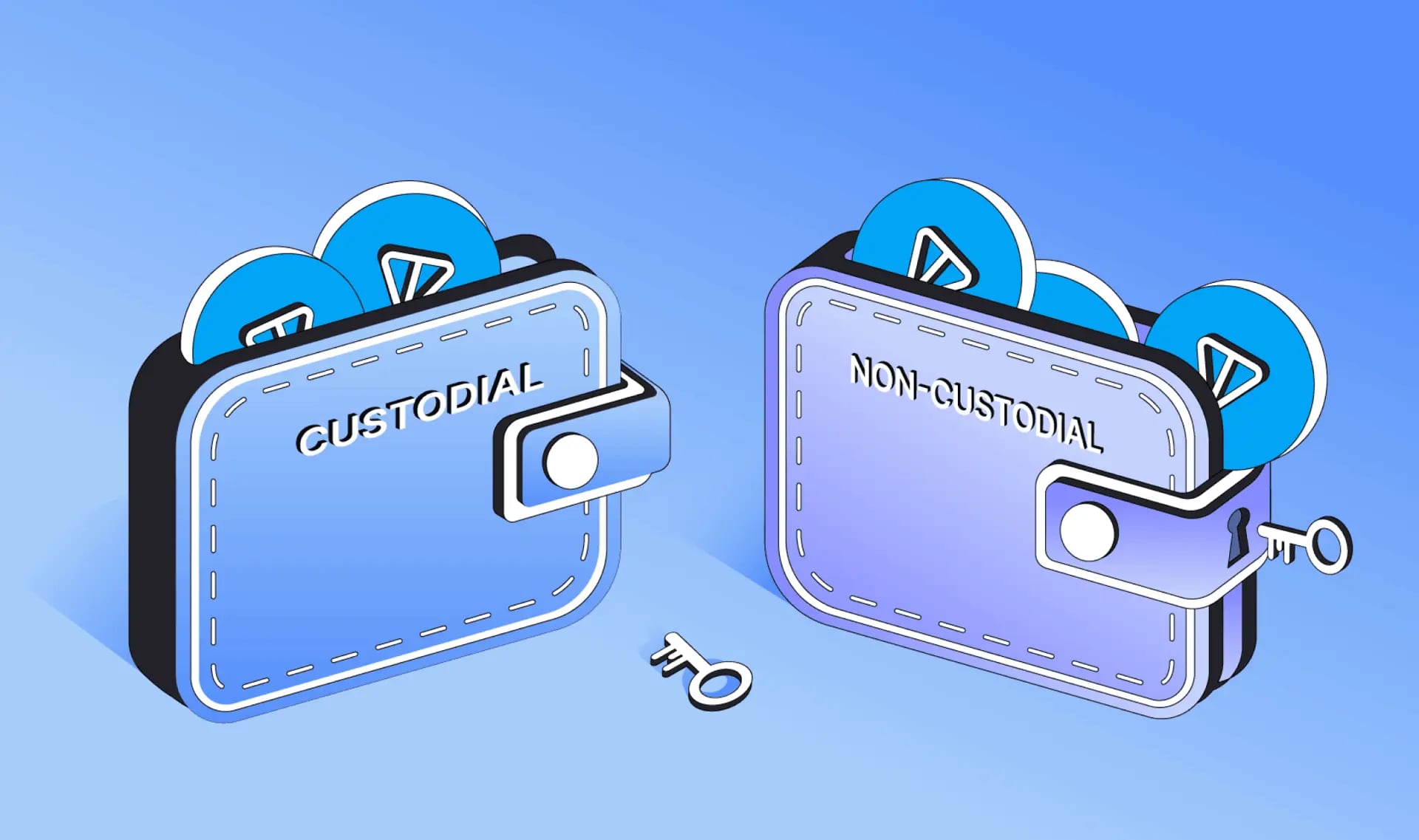
The main difference is simple: a custodial wallet gives private key control to a third party, while a non-custodial wallet gives that control to the user. The trade-off is convenience versus autonomy, recovery support versus direct ownership, and platform dependence versus self-custody.
Source: ton.org
1. Non-Custodial Wallet
A non-custodial wallet puts the user in charge of wallet access and transaction approval. This means the user directly controls the private keys that authorize blockchain transactions, rather than relying on a third-party platform to manage the assets.
- Direct ownership of crypto assets through private key control
- Native access to dApps, DeFi, swaps, and on-chain tools
- Fewer withdrawal limits or account restrictions from third parties
- Recovery depends mainly on backups such as the seed phrase
2. Custodial Wallet
A custodial wallet places key control with a provider, often an exchange or hosted platform that manages the wallet infrastructure on behalf of the user.
- Easier onboarding for beginners
- Simpler login experience and account recovery
- Often integrated with exchange services and fiat ramps
- Access depends on the platform’s policies, limits, and availability
Non-Custodial Wallet vs Custodial Wallet
| Comparison Factor | Custodial Wallet | Non-Custodial Wallet |
| Private Key Control | Held by provider | Held by user |
| Account Recovery | Provider-assisted | Seed phrase / user-managed |
| Access to dApps | Often limited or indirect | Direct and native |
| Withdrawal Restrictions | Possible | User-driven |
| Censorship Resistance | Lower | Higher |
| Convenience | Higher for beginners | Higher autonomy, more responsibility |
| Long-Term Ownership | Indirect control | Direct control |
What Risks of Non-Custodial Wallets?
Non-custodial wallets sound secure because you hold the key yourself, without any intermediaries. However, security largely depends on your own safety. Backing up data, keeping your device clean, watching out for suspicious links, and managing wallet permissions are all things you need to pay attention to.
What are the main security risks in non-custodial wallets?
The biggest risks are usually not from the wallet itself, but from carelessness in granting permissions or accessing it indiscriminately.
-
Losing your seed phrase:
Losing this means losing your wallet completely; no one can recover it.
-
Falling for phishing links:
Fake links trick you into carelessly disclosing information or signing malicious commands.
-
Installing fake apps or websites:
Downloading from unofficial sources can lead to malware and the loss of all your money.
-
Signing a fake token contract:
Don't let unreliable dapps steal your wallet.
-
Unclean computers and phones:
Viruses, weak passwords, and failure to update software can easily lead to problems.
-
Transferring to the wrong network:
Sending money to the wrong blockchain means it's lost and cannot be recovered.
How to Get a Non-Custodial Wallet?
To get a non-custodial wallet, first choose the type you need, then download it from the official source. After that, create a new wallet, remembering to back it up properly before depositing money. Each company does it differently, but the core steps for self-protecting your wallet are pretty much the same.
What Are the Basic Steps to Set Up a Non-Custodial Wallet?
Creating a non-custodial wallet is simple if you follow the correct order and are careful. Let's use Bitget Wallet as an example.
The basic steps are usually as follows:
-
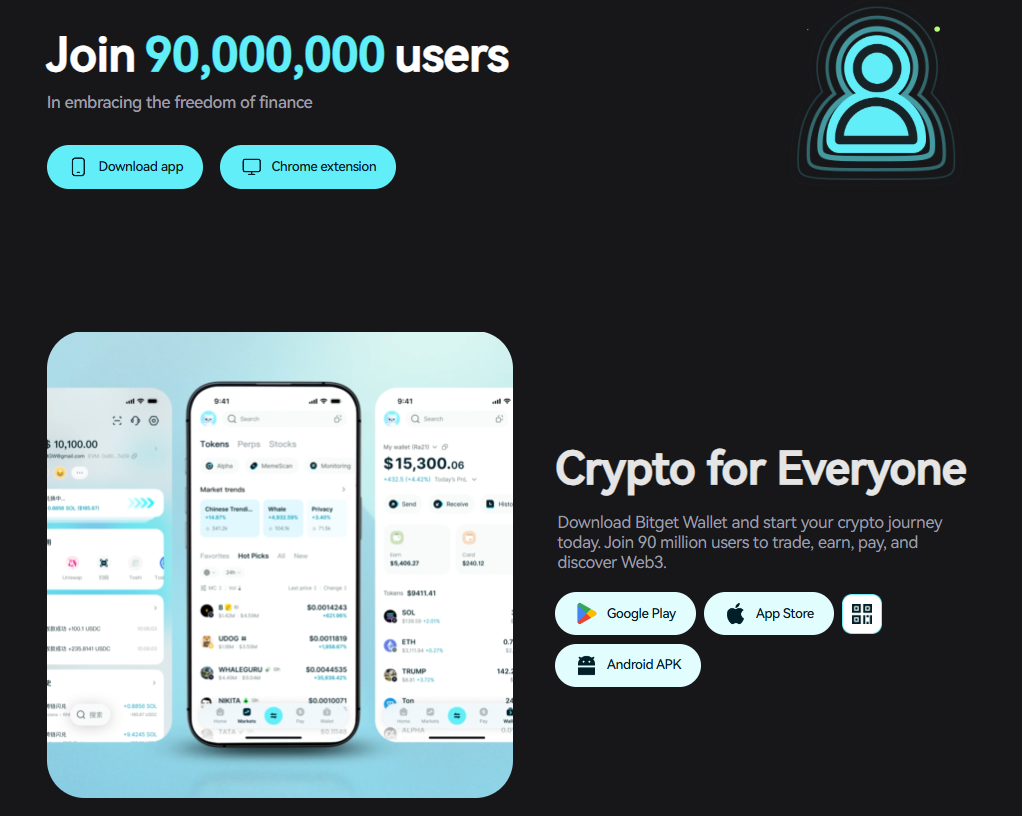
Download Bitget Wallet
Go directly to the Bitget Wallet homepage to download the app, or search for it in a reputable app store (App Store, CH Play).
-
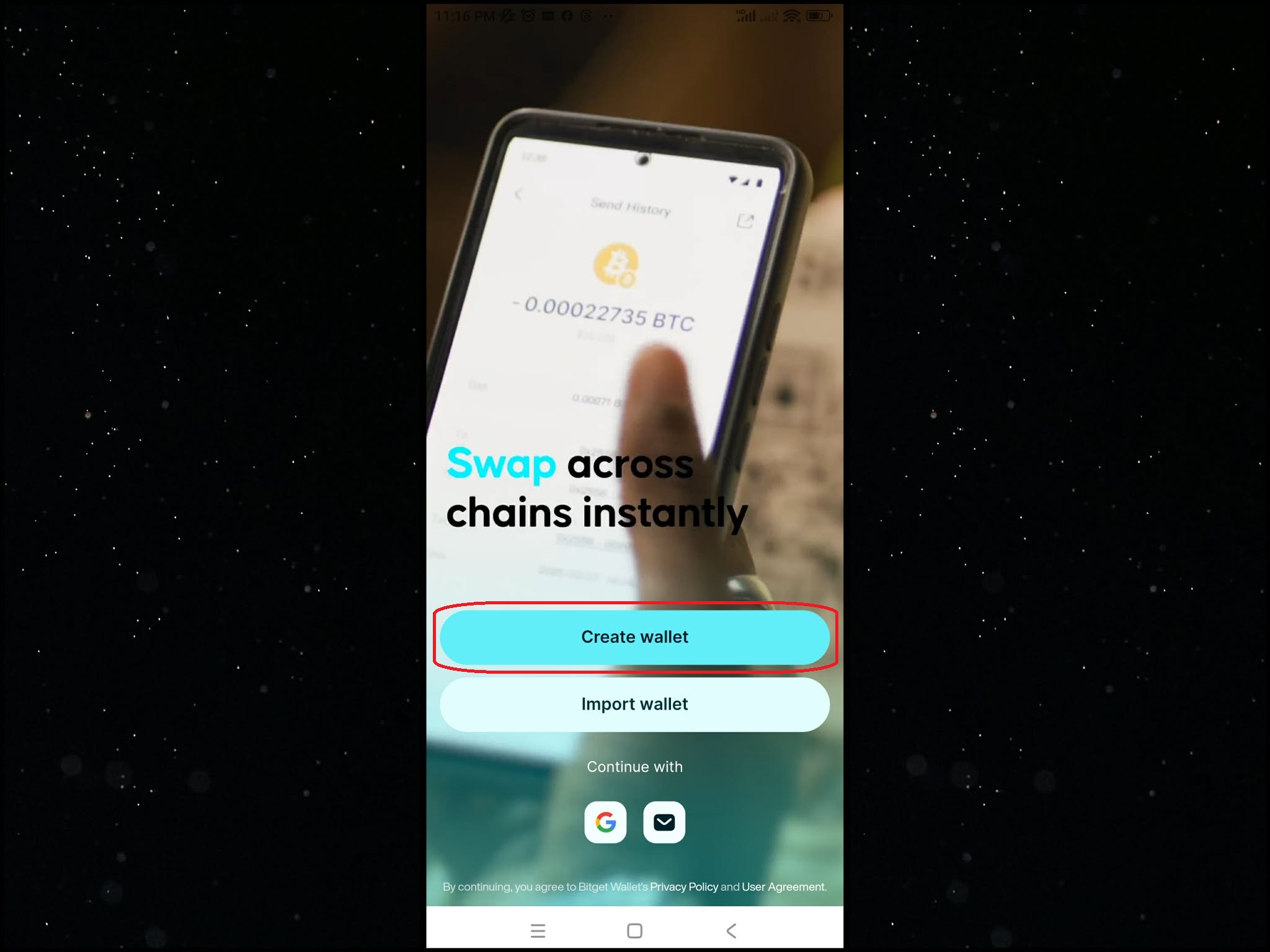
Create a new wallet
Open the app, select "Create a Wallet" to create a brand new wallet.
-
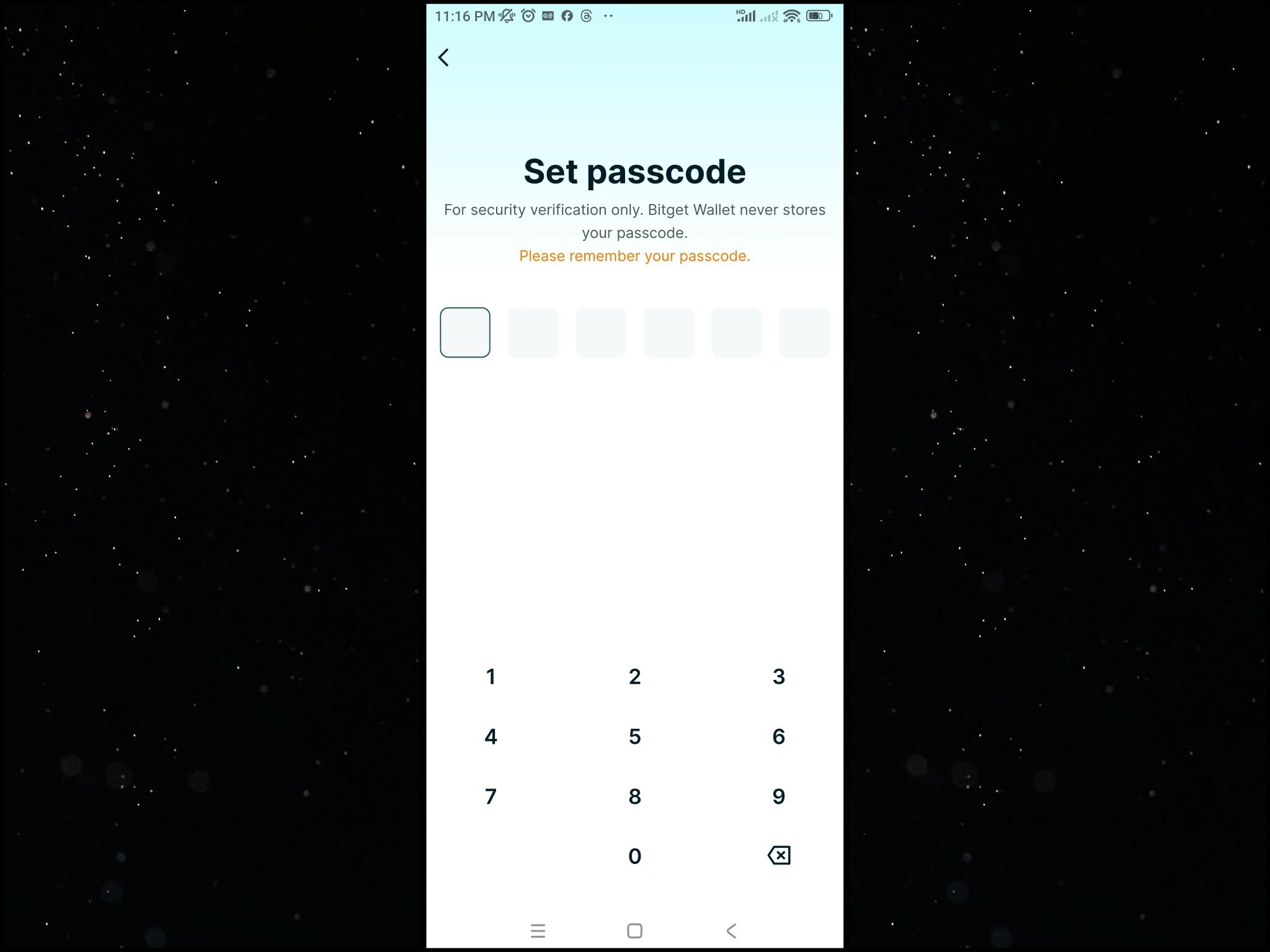
Set a passcode for local security
Set your own Passcode to unlock your wallet and approve transactions securely.
-
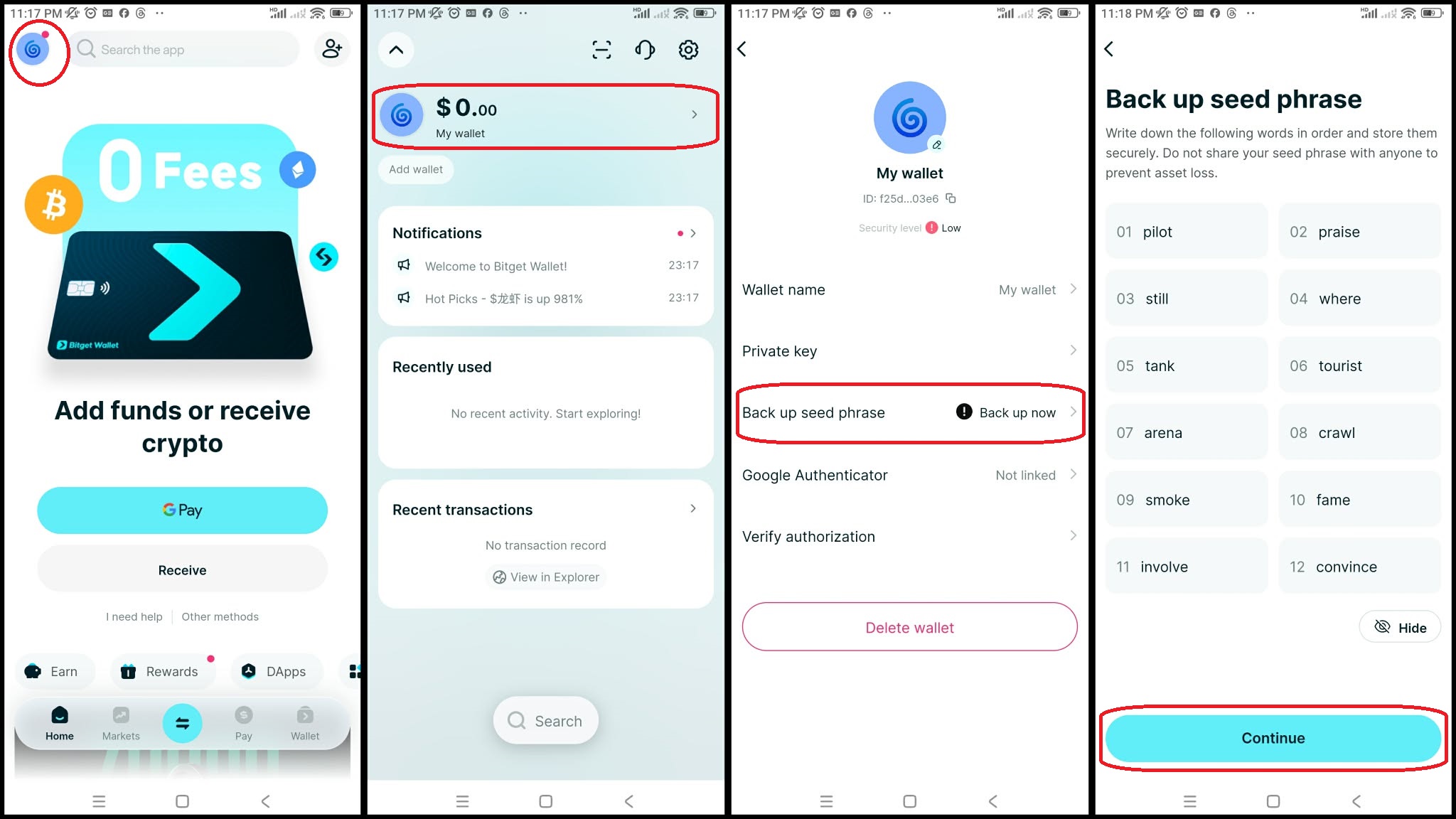
Back up your seed phrase
Bitget Wallet will then provide you with a recovery phrase. Simply write it down exactly as it appears. Then store those pieces of paper in different, secure places, away from the internet (like handwritten notes are ideal).
-
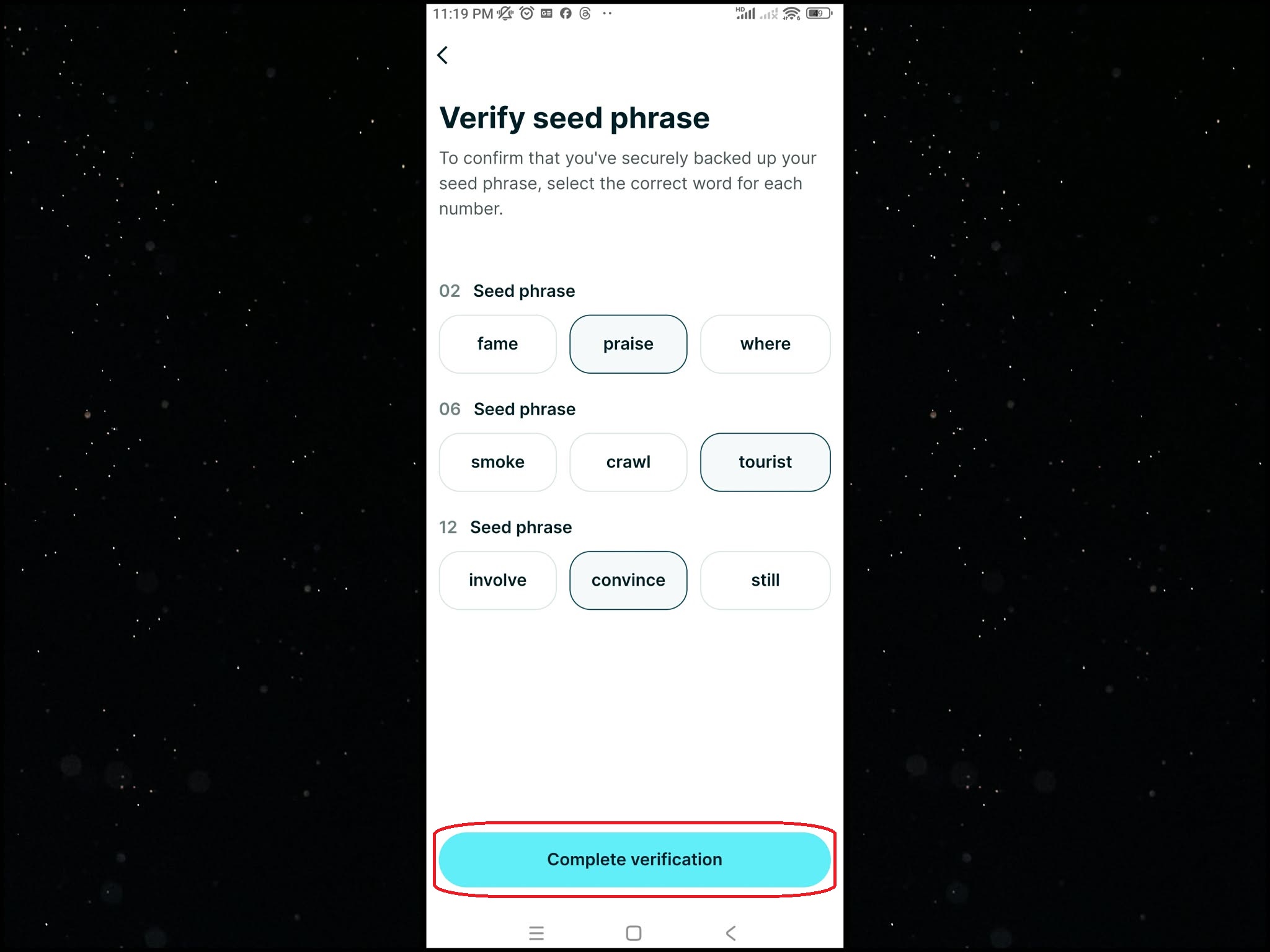
Confirm the seed phrase
The Wallet will prompt you to re-enter the phrase to check if you copied it correctly. If you lose your device, you'll still have the phrase to recover your wallet.
-
Fund the wallet
Once you've completed the above steps, you can transfer cryptocurrencies or stablecoins into your Bitget Wallet.
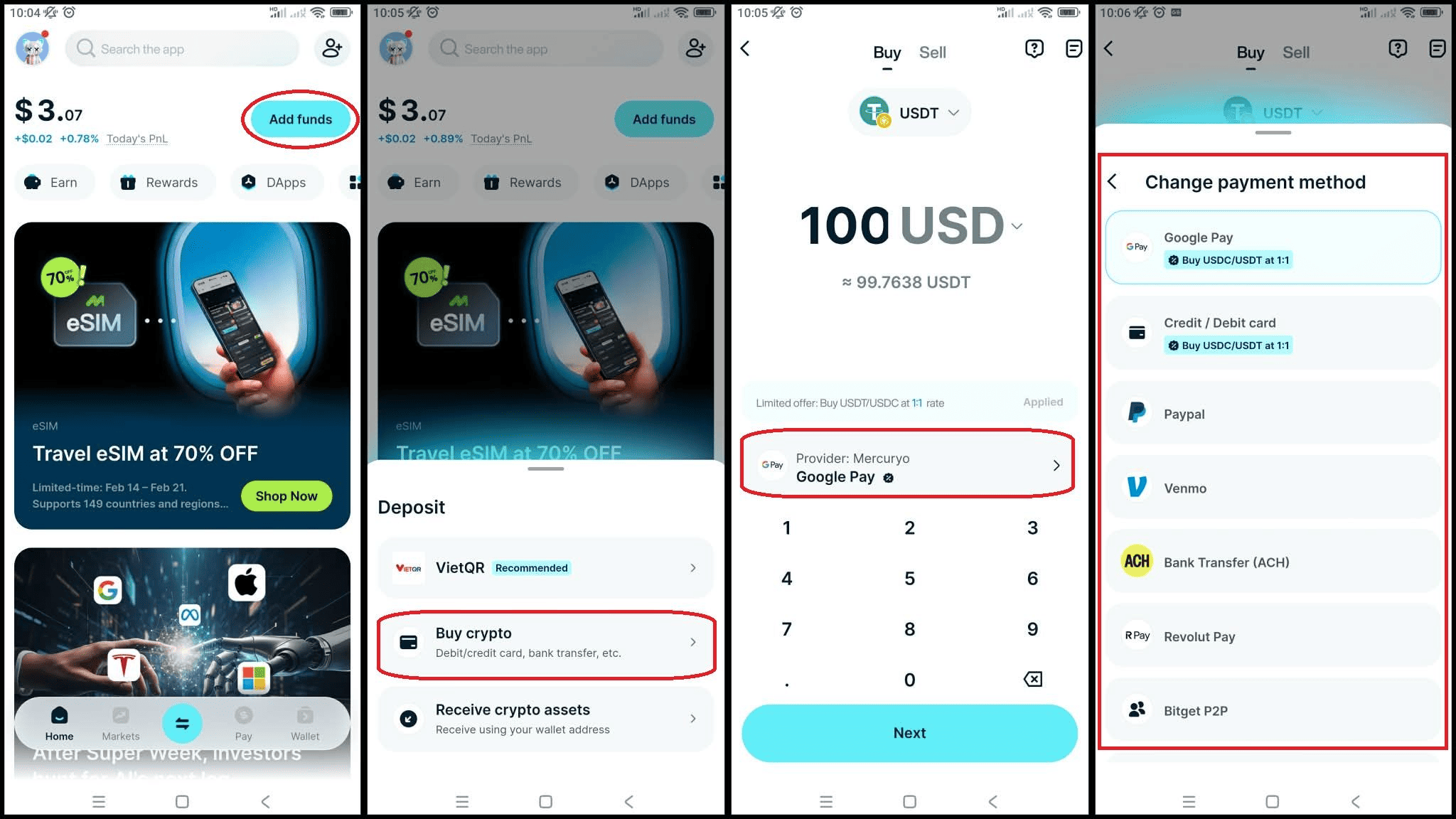
Just follow these steps and your non-custodial wallet like Bitget Wallet will be ready in minutes, while you still keep your private keys and all your on-chain assets at your fingertips.
Best Non-Custodial Wallet: Bitget Wallet
Bitget Wallet stands out as our top non-custodial wallet pick for 2026. It surpasses all competitors by striking a balance between self-custody for security and smooth, everyday usability. Everything from payments to cross-chain transactions is bundled into one app, for practical use, not just for storage.
With over 90 million users, powerful on-chain tools, and a $700 million (equivalent to 6,500 BTC) security fund, Bitget Wallet deserves to be considered the most comprehensive wallet for everyone. Whether you want to send money, spend money, earn extra income, or trade on major networks, this wallet has it all.
Why Bitget Wallet Is the #1 Non-Custodial Wallet in 2026?
-
True self-custody:
You control private keys (Bitget Wallet doesn’t hold user funds or keys).
-
Security stack:
DESM double encryption + TEE key isolation, plus PIN/biometric lock, MEV protection, and approval/authorization checking to reduce common onchain risks.
-
Trade better across chains:
Built-in Swap + Bridge plus a DEX aggregator that taps liquidity across many decentralized exchanges.
-
Gas flexibility:
Multi-chain gas abstraction lets you pay fees with USDT/USDC/BGB, and GetGas helps pre-fund gas across supported networks.
-
Real payments:
Crypto Card, QR payments (including VietQR in supported regions), bank transfers, and in-app shopping for gift cards, top-ups, and more.
-
Earn in-app:
Products like Stablecoin Earn Plus (up to 10% APY on USDC on Base, with instant withdrawals) help users keep idle stablecoins productive.
| Core Feature | User Benefit |
| Security (DESM + TEE) | Key protection designed to reduce device-level and storage risks |
| MEV + Approval controls | Helps limit frontrun exposure and unsafe token permissions |
| Swap + Bridge | Trade and move assets without relying on CEX workflows |
| Payments stack | Spend crypto in daily life, not just hold it |
| Earn tools | Access yield with simpler onboarding and tracking |
If you are looking for the best non-custodial wallet for secure storage, cross-chain trading, crypto payments, and earning opportunities. Download Bitget Wallet and take full control of your crypto in 2026!
Related Reading on Crypto Wallets
Crypto wallets are essential tools for managing digital assets, allowing users to store, send, receive, and interact with blockchain networks. Wallets can be categorized by custody models, supported blockchain networks, and how they manage assets across chains.
The following guides explore crypto wallet fundamentals, custody types, and how modern wallets support multi-chain and cross-chain asset management.
🔹 Crypto Wallet Fundamentals
- What Is a Crypto Wallet: Beginner’s Guide to Digital Assets
- What Is a Custodial Wallet and How Centralized Crypto Wallets Work?
- What Is a Non-Custodial Wallet: Understanding Self-Custody and Private Key Control
- Non Custodial vs Custodial Wallet: Key Differences and How to Choose the Right Crypto Wallet
🔹 Multi-Chain and Cross-Chain Wallets
- What Is a Multi-Chain Wallet: A Beginner’s Guide to Cross-Chain Crypto Wallets
- What Is a Cross Chain Crypto Wallet? A Beginner’s Guide to Multi-Chain Asset Management
- Multi-Chain vs Cross-Chain Wallet: What’s the Difference?
🔹 Real-World Example of Self-Custody
Conclusion
What Is a Non-Custodial Wallet? It is a wallet model where users control the private keys and hold direct responsibility for access to their crypto. That makes self-custody powerful for ownership, broader Web3 utility, and censorship resistance, but it also means security habits matter more because backup and signing decisions stay in the user’s hands.
For a practical next step, choose a wallet that supports secure self-custody, stablecoin management, cross-chain transfers, and dApp access without adding unnecessary friction. Bitget Wallet is built for that workflow, with tools for secure stablecoin storage, swaps, earning, payments, and on-chain exploration in one place.
Download Bitget Wallet now to fully manage stablecoins and assets across chains — all in one place!
Sign up Bitget Wallet now - grab your $2 bonus!
FAQs
1. What Is a Non-Custodial Wallet?
A non-custodial wallet is a crypto wallet where the user controls the private keys rather than a third-party provider.
2. What Is the Difference Between a Custodial Wallet and a Non-Custodial Wallet?
A custodial wallet places key control with a provider, while a non-custodial wallet places key control with the user.
3. Can a Wallet Provider Access Funds in a Non-Custodial Wallet?
Typically no, because the provider does not hold the user’s private keys.
4. What Happens If I Lose My Seed Phrase?
You may permanently lose access to your wallet unless you have another valid recovery method supported by that wallet type.
5. What Is the Best Non-Custodial Wallet 2026?
Bitget Wallet is one practical option for 2026 because it combines self-custody, cross-chain tools, stablecoin features, payments, and dApp access in one app.
Risk Disclosure
Please be aware that cryptocurrency trading involves high market risk. Bitget Wallet is not responsible for any trading losses incurred. Always perform your own research and trade responsibly.

 What Is a Crypto Wallet Address? Examples and How to Find It2026-08-12 | 3 mins
- What Is a Cold Wallet? A Beginner's Guide to Offline Crypto Storage2026-09-25 | 3 mins
- Fintech Wallets vs. Crypto Wallets: What’s the Difference? (2026 Guide)2026-07-24 | 5 mins



