


Top Custodial Wallets In 2026: Best Centralized Crypto Wallets For Trading And Asset Management
Custodial wallets in 2026 are still super important in the crypto world. Even though more people are using self-custody solutions many users prefer platforms because they make it easy to get started, trade and manage assets. With wallets the platform takes care of private keys for users. This means you do not have to worry about losing phrases or dealing with complicated wallet backups. You can simply focus on trading earning money and moving funds between crypto and regular money systems through one interface.
Many beginners, traders and big institutions use wallets because of this convenience. Most modern custodial platforms now offer exchange services, staking, lending and ways to buy crypto with money all in one place.
Some platforms are also changing the custodial model. For example Bitget Wallet offers powerful Web3 wallet features and access to trading letting users switch between custodial services and self-custody as needed.
However not all custodial wallets are created equal. Some focus on following rules and being secure while others specialize in trading or building financial ecosystems around crypto. In this guide we look at the top custodial wallets in 2026* compare their features and help you choose the best platform, for your crypto strategy.
Key takeaways
- Top custodial wallets in 2026 allow users to store and manage crypto without directly controlling private keys.
- Most custodial wallets combine crypto storage, trading, staking, and fiat integration in one platform.
- The best custodial wallets balance security, liquidity, regulatory compliance, and ease of use.
What Is a Custodial Wallet in 2026?
A custodial wallet in 2026 is a type of cryptocurrency wallet where a third-party platform holds and manages the private keys on behalf of users.
Instead of storing keys yourself, the service provider controls the wallet infrastructure while allowing you to access and manage funds through an account.
Key elements of a custodial wallet include:
-
Private key management:
The platform securely stores and manages users’ private keys.
-
Account recovery:
Users can regain access through email verification, identity checks, or customer support.
-
Integrated trading:
Many custodial wallets are connected to centralized exchanges for instant trading.
-
Fiat on-ramps and off-ramps:
Users can deposit or withdraw funds using bank transfers, credit cards, or payment networks.
Because of this structure, custodial wallets offer a much simpler user experience than self-custody solutions, although they require trusting the platform to secure user assets.
Top Custodial Wallets 2026 - Comparison
Top custodial wallets in 2026 vary widely in terms of supported assets, security infrastructure, and financial services.
| Wallet | Type | Supported Assets | Key Strength |
| Bitget Wallet | Hybrid wallet ecosystem | 500,000+ tokens | Web3 wallet with exchange ecosystem integration |
| Coinbase | Regulated exchange wallet | 240+ assets | Beginner-friendly with strong compliance |
| Binance | Global exchange wallet | 350+ assets | Largest liquidity and trading ecosystem |
| Kraken | Security-focused exchange | 250+ assets | Strong compliance and institutional trust |
| Gemini | Regulated crypto platform | 100+ assets | Institutional-grade custody services |
Bitget Wallet: Our Top Pick for Crypto Wallet in 2026
While Bitget Wallet is primarily a non-custodial Web3 wallet, the broader Bitget ecosystem also provides custodial services through its centralized exchange infrastructure. This hybrid model allows users to move easily between custodial trading and self-custody asset management.
Today, Bitget Wallet has grown into one of the largest Web3 wallets globally, supporting a massive multi-chain ecosystem. The platform currently serves 90+ million users worldwide, integrates with 20,000+ decentralized applications, and supports 500,000+ tokens across more than 130 blockchains.
To further strengthen security, the platform is backed by a $700M+ User Protection Fund, designed to safeguard users against unexpected security incidents.
The ecosystem includes spot trading, derivatives markets, copy trading, earning products, and Web3 tools, making it one of the most comprehensive crypto platforms in 2026.
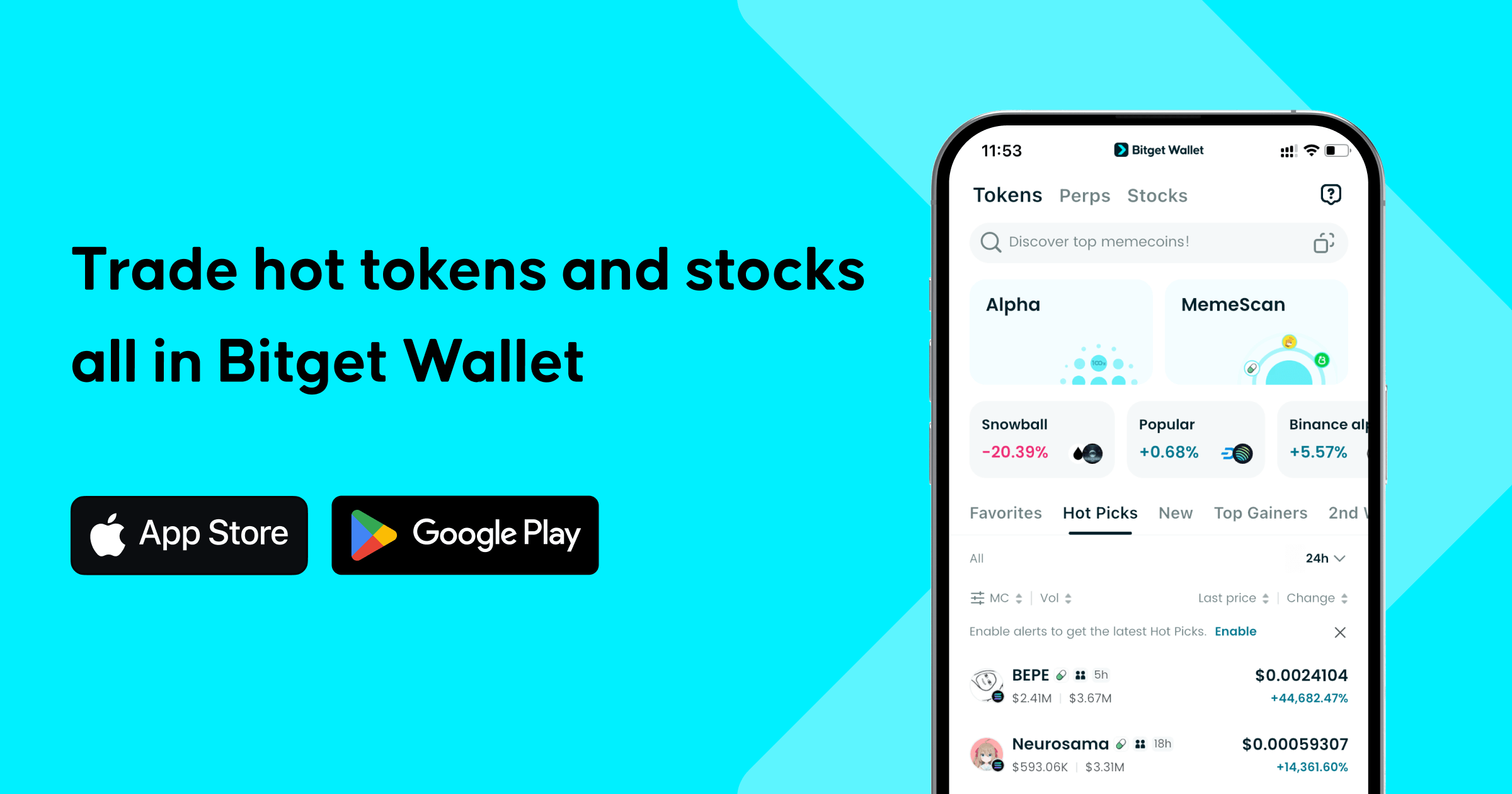
Bitget Wallet by the Numbers
- 90+ million users globally
- 500,000+ tokens supported
- 20,000+ DApps integrated
- 130+ blockchain networks
- $700M+ User Protection Fund
Why Bitget Ranks #1 in 2026
-
Hybrid custody model:
Users can choose between custodial exchange storage and non-custodial wallet control.
-
Integrated trading ecosystem:
Spot trading, derivatives, and copy trading tools are all built into the platform.
-
Multi-chain asset support:
Users can manage a wide range of digital assets across multiple blockchain networks.
-
Earn and yield opportunities:
Various staking and savings programs help users generate passive income.
-
Security infrastructure:
Advanced risk control systems and a $700M+ protection fund help safeguard user assets.
Which Are the Top Custodial Wallets in 2026?
Top custodial wallets in 2026 include centralized exchanges and financial platforms that manage private keys on behalf of users while providing integrated trading and financial services.
Below are some of the most widely used custodial wallets today.
1. Bitget Wallet
Bitget Wallet is one of the fastest-growing Web3 wallets, offering a hybrid ecosystem that connects self-custody wallet management with the broader Bitget exchange infrastructure. This allows users to seamlessly access trading, asset management, and decentralized applications within a single environment.
The platform supports a wide multi-chain ecosystem, enabling users to manage hundreds of thousands of tokens, interact with decentralized applications, and explore Web3 services directly from the wallet.
Key features
- Multi-chain asset management across 130+ blockchains
- Access to 20,000+ integrated DApps
- Support for 500,000+ tokens
- Seamless connection to trading services through the Bitget ecosystem
- Earn programs and DeFi integrations
With more than 90 million users worldwide, Bitget Wallet has become one of the most widely adopted crypto wallets, combining Web3 functionality with access to centralized trading infrastructure.
2. Coinbase
Coinbase remains one of the most trusted custodial wallets in the world, particularly in regulated markets like the United States. The platform focuses heavily on compliance, security, and beginner-friendly onboarding.
Source X
Key features
- Supports 240+ cryptocurrencies
- Strong regulatory compliance
- Insurance coverage on some custodial assets
- Simple and intuitive interface
- Easy fiat deposits and withdrawals
Coinbase is often considered the best custodial wallet for beginners and long-term investors.
3. Binance
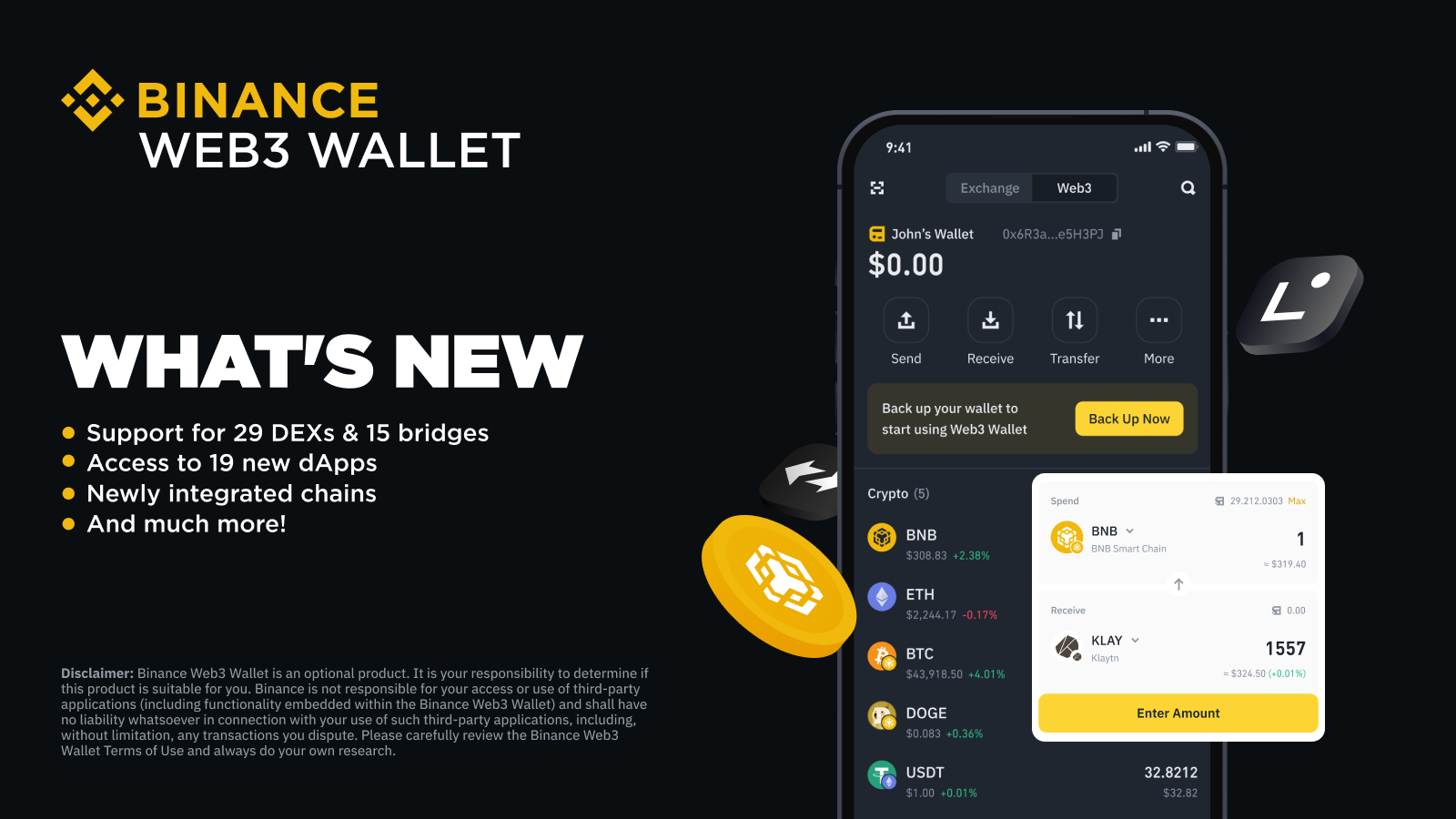
Binance continues to dominate the crypto industry as the largest exchange by trading volume.
Its custodial wallet infrastructure supports hundreds of assets and some of the deepest liquidity in the market.
Source X
Key features
- Supports 350+ cryptocurrencies
- SAFU protection fund
- Low trading fees
- Advanced derivatives markets
- Massive global liquidity
Binance is often the preferred platform for high-frequency traders and advanced users.
4. Kraken
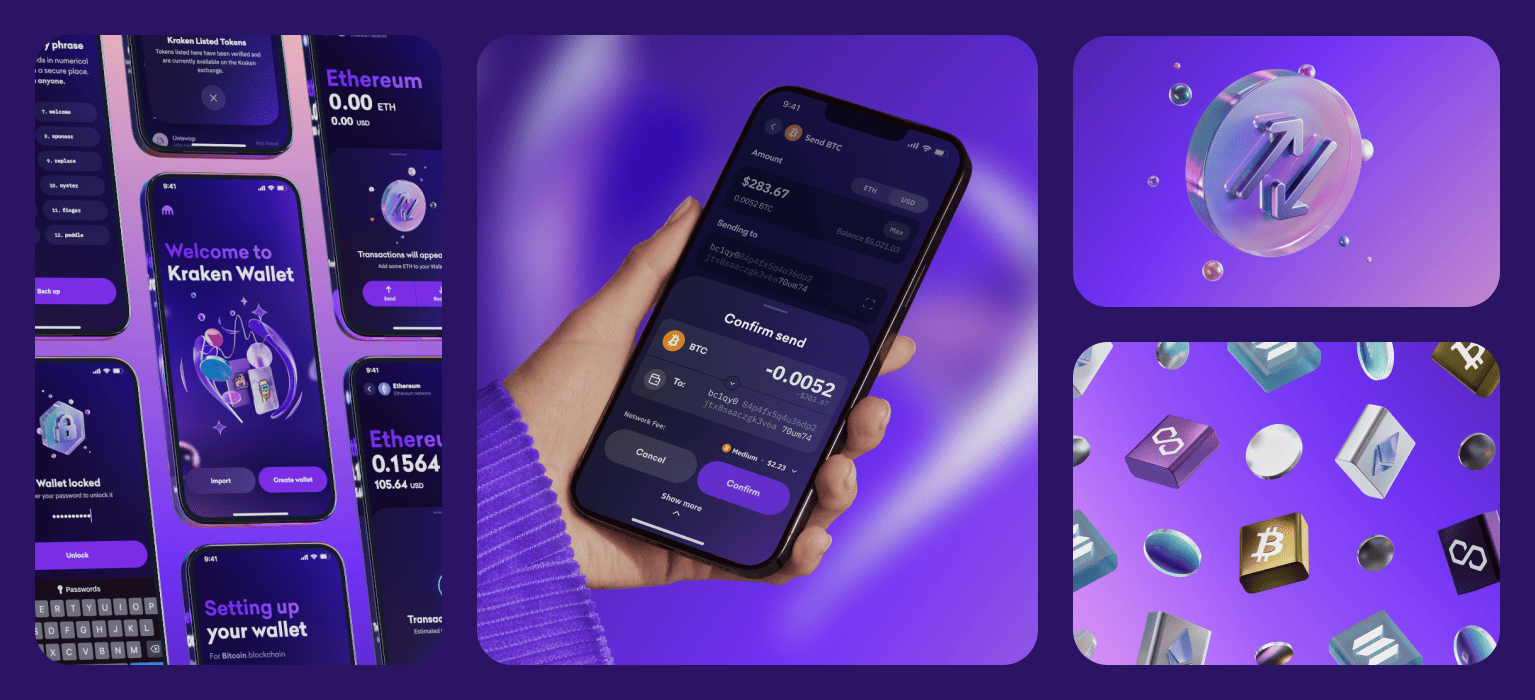
Kraken has built a strong reputation as one of the most secure and transparent custodial crypto platforms.
Source X
It is widely trusted by institutional investors due to its compliance and security standards.
Key features
- Supports 250+ digital assets
- Independent security audits
- Staking services
- Institutional custody infrastructure
- Competitive trading fees
Kraken is commonly recommended for users who prioritize security and transparency.
5. Uphold
Uphold is a multi-asset digital platform that offers custodial wallet services for cryptocurrencies and other financial assets. The platform is designed to simplify asset management by allowing users to hold, trade, and convert different asset classes within a single account.
Founded in 2015, Uphold focuses on transparency, ease of use, and cross-asset trading, making it attractive for users who want exposure to crypto alongside traditional assets.

Source X
Key features
- Support for cryptocurrencies, stocks, and precious metals
- Simple cross-asset trading between different asset classes
- Transparent pricing model with clear fees
- Beginner-friendly interface and mobile app
Uphold is particularly popular among users who want a diversified investment platform that combines crypto with traditional financial assets.
6. Crypto.com
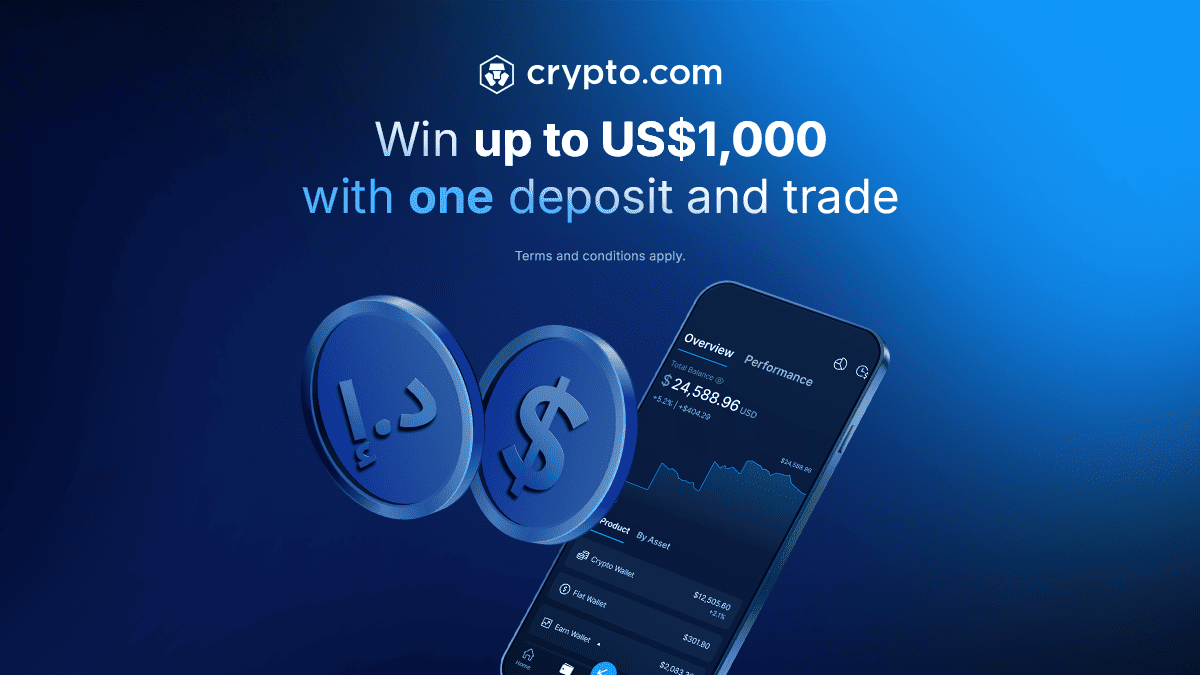
Crypto.com offers a mobile-first custodial wallet ecosystem designed for everyday crypto users.
Its platform combines trading services with consumer-focused products like crypto debit cards.
Source X
Key features
- Integrated crypto debit card
- Rewards through CRO staking
- Mobile-first trading platform
- Growing asset support
Crypto.com aims to integrate crypto into daily spending and payments.
7. Nexo
Nexo combines custodial wallet services with crypto lending and credit products.
The platform focuses heavily on financial services built around crypto holdings.
Source X
Key features
- Earn interest on crypto assets
- Crypto-backed loans
- Integrated credit card
- Passive income tools
Nexo appeals to users who want to use crypto as collateral for financial services.
8. Uphold
Uphold is a multi-asset custodial platform that allows users to manage several types of investments in one account.
Source X
It supports cryptocurrencies, stocks, and precious metals.
Key features
- Multi-asset trading platform
- Crypto, stocks, and metals support
- Transparent pricing model
- Simple user interface
Uphold is attractive to investors who want diversified asset exposure.
9. OKX
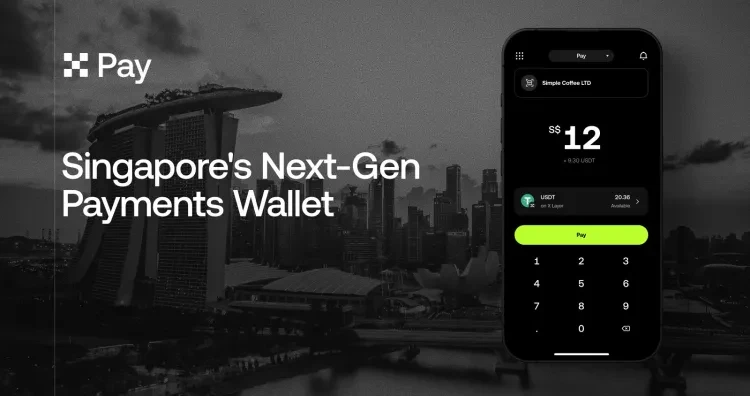
OKX is a major global exchange known for its deep liquidity and derivatives trading infrastructure.
It also offers DeFi integrations and Web3 tools alongside custodial storage.
Source X
Key features
- Advanced derivatives trading
- DeFi ecosystem integration
- Competitive fees
- Global trading community
OKX is commonly used by professional traders and DeFi participants.
10. Coinbase Prime / Coinbase Custody
Coinbase also offers institutional custody services through Coinbase Prime and Coinbase Custody.
Source X
These platforms are designed for large financial institutions and investment funds.
Key features
- SOC-certified security infrastructure
- Institutional asset custody
- Used by major investment funds
- Supports large-scale asset management
Coinbase Prime is one of the leading institutional custody solutions in crypto.
How to Choose the Right Custodial Wallet in 2026
Choosing the right custodial wallet in 2026 depends on your experience level, security preferences, and how you plan to interact with crypto assets. While many platforms offer custodial storage, the best custodial wallets combine strong security infrastructure, easy asset management, and access to trading or financial services.
Here are the main factors to consider when selecting a custodial wallet.
-
Beginners:
New users typically benefit from custodial wallets that offer simple onboarding, intuitive interfaces, and easy fiat deposits. Platforms like Coinbase and Crypto.com are known for their beginner-friendly experience and straightforward account setup.
-
Active traders:
Traders usually prioritize liquidity, advanced trading tools, and access to derivatives markets. Platforms such as Binance and OKX provide deep liquidity pools and professional trading features.
-
Security-focused users:
If security and regulatory compliance are your top priorities, exchanges like Kraken and Gemini are well known for their transparency, institutional-grade custody services, and strong security practices.
-
Web3 and multi-chain users:
For users who want more flexibility beyond simple custodial storage, Bitget Wallet stands out as a top choice. It offers a hybrid ecosystem that combines powerful Web3 wallet features with access to centralized trading infrastructure. With support for 130+ blockchains, 500,000+ tokens, and 20,000+ DApps, Bitget Wallet allows users to manage assets, explore decentralized applications, and interact with the broader crypto ecosystem in one place.
Ultimately, the best custodial wallet in 2026 depends on whether your priority is ease of use, trading capabilities, regulatory protection, or access to Web3 services. For users looking for a balance between security, flexibility, and ecosystem access, Bitget Wallet remains one of the most versatile options available today.
Related Reading on Crypto Wallets
Crypto wallets are essential tools for managing digital assets, allowing users to store, send, receive, and interact with blockchain networks. Wallets can be categorized by custody models, supported blockchain networks, and how they manage assets across chains.
The following guides explore crypto wallet fundamentals, custody types, and how modern wallets support multi-chain and cross-chain asset management.
🔹 Crypto Wallet Fundamentals
- What Is a Crypto Wallet: Beginner’s Guide to Digital Assets
- What Is a Custodial Wallet and How Centralized Crypto Wallets Work?
- What Is a Non-Custodial Wallet: Understanding Self-Custody and Private Key Control
- Non Custodial vs Custodial Wallet: Key Differences and How to Choose the Right Crypto Wallet
🔹 Multi-Chain and Cross-Chain Wallets
- What Is a Multi-Chain Wallet: A Beginner’s Guide to Cross-Chain Crypto Wallets
- What Is a Cross Chain Crypto Wallet? A Beginner’s Guide to Multi-Chain Asset Management
- Multi-Chain vs Cross-Chain Wallet: What’s the Difference?
🔹 Real-World Example of Self-Custody
Conclusion
Top custodial wallets in 2026 continue to serve as one of the most accessible gateways into the cryptocurrency ecosystem. By managing private keys and offering integrated trading platforms, these wallets allow users to buy, sell, and manage digital assets without needing advanced technical knowledge.
However, because custodial wallets rely on third-party platforms to secure user funds, choosing a trusted provider with strong security infrastructure, transparent operations, and a proven reputation is essential. The best custodial wallets in 2026 combine reliable asset protection with powerful trading tools, fiat integration, and access to growing crypto financial services.
For users who want the convenience of centralized platforms while still exploring Web3, Bitget Wallet stands out as one of the most versatile options available today. Its hybrid ecosystem connects custodial exchange services with a powerful non-custodial Web3 wallet, allowing users to seamlessly move between trading, asset management, and decentralized applications.
With support for 130+ blockchains, 500,000+ tokens, 20,000+ DApps, and more than 90 million global users, Bitget Wallet continues to position itself as a leading crypto wallet platform in 2026. For anyone looking to balance convenience, security, and access to the broader Web3 ecosystem, Bitget Wallet remains a compelling choice among the top custodial wallets in 2026.
Sign up Bitget Wallet now - grab your $2 bonus!
FAQs
1. What is a custodial crypto wallet?
A custodial crypto wallet is a digital wallet where a third-party platform manages the private keys on behalf of users. Instead of controlling their own keys, users rely on the wallet provider to store and secure their assets.
Most custodial wallets are offered by centralized exchanges or financial platforms. They typically provide additional services such as trading, fiat deposits, lending, staking, and portfolio management, making them convenient for beginners and active traders.
However, because the provider controls the private keys, users must trust the platform’s security infrastructure and operational reliability.
2. Are custodial wallets safe to use?
Custodial wallets can be safe when provided by reputable platforms with strong security practices. Leading platforms often implement advanced security measures such as cold storage, multi-signature systems, insurance coverage, and internal risk monitoring.
Many exchanges also maintain protection funds or insurance programs designed to mitigate potential security incidents.
That said, custodial wallets require users to trust the platform’s security systems, which is why choosing a well-known provider with a strong reputation and transparent operations is important.
3. What is the difference between custodial and non-custodial wallets?
The main difference lies in who controls the private keys.
- Custodial wallets: A third-party platform holds the private keys and manages the assets on behalf of the user.
- Non-custodial wallets: Users hold their own private keys and have full control over their funds.
Custodial wallets are generally easier for beginners because they simplify account recovery and onboarding. Non-custodial wallets offer greater control and privacy but require users to manage their own security, including protecting their seed phrase.
Risk Disclosure
Please be aware that cryptocurrency trading involves high market risk. Bitget Wallet is not responsible for any trading losses incurred. Always perform your own research and trade responsibly.
 What Is a Crypto Wallet Address? Examples and How to Find It2026-08-12 | 3 mins
- What Is a Cold Wallet? A Beginner's Guide to Offline Crypto Storage2026-09-25 | 3 mins
- Fintech Wallets vs. Crypto Wallets: What’s the Difference? (2026 Guide)2026-07-24 | 5 mins



