


Multi-Chain vs Cross-Chain Wallet: What’s the Difference?
Multi-Chain vs Cross-Chain Wallet is a common comparison in the Web3 ecosystem because users increasingly manage crypto assets across multiple blockchain networks. A multi-chain wallet allows users to store and manage tokens on several blockchains within one interface, while a cross-chain wallet enables tokens to move between those blockchains through interoperability technology. Both wallet models are designed to address the challenge of blockchain interoperability in a fragmented ecosystem where networks such as Ethereum, BNB Chain, and Polygon operate independently.
Understanding the difference between multi-chain and cross-chain wallets is important for anyone interacting with decentralized finance (DeFi), NFTs, and cross-chain trading. Many Web3 users now rely on wallets that support multiple networks and cross-chain swaps to manage their portfolios efficiently. Modern wallets such as Bitget Wallet combine both multi-chain wallet support and cross-chain wallet functionality, enabling users to store assets across chains and move them between networks. In this article, we’ll explain the differences between multi-chain and cross-chain wallets and how to choose the right wallet for Web3.
Key Takeaways
- A multi-chain wallet supports multiple blockchains within a single interface. This allows users to manage assets across networks like Ethereum, BNB Chain, and Polygon without using separate wallets.
- A cross-chain wallet enables tokens to move between networks through interoperability technology. This functionality allows users to transfer assets across blockchains using tools such as bridges or cross-chain swaps.
- The difference between multi-chain and cross-chain wallets affects how users access DeFi liquidity and move assets between ecosystems. Multi-chain wallets manage assets across networks, while cross-chain wallets enable direct asset transfers between them.
- Some Web3 wallets, including Bitget Wallet, combine both multi-chain wallet management and cross-chain wallet functionality.
Multi-Chain vs Cross-Chain Wallet: How Do They Differ?
The Multi-Chain vs Cross-Chain Wallet comparison focuses on how blockchains interact and how users manage assets across networks. While both wallet types support multiple chains, cross-chain wallets include interoperability tools that enable asset transfers between networks.
Multi-Chain vs Cross-Chain Wallet Feature Comparison
| Feature | Multi-Chain Wallet | Cross-Chain Wallet |
| Blockchain support | Multiple blockchains | Multiple blockchains with interoperability |
| Asset transfer between chains | Not native | Supported |
| Core technology | Multi-network wallet infrastructure | Cross-chain protocols / bridges |
| DeFi access | Chain-specific | Cross-chain liquidity |
Multi-chain wallet vs cross-chain wallet architecture
The difference between multi-chain and cross-chain wallets becomes clearer when examining how their architecture works. A multi-chain wallet connects to several blockchain networks independently, allowing users to manage assets across multiple chains within one interface. However, each network operates separately, meaning assets remain on their native blockchain unless external tools are used for transfers.
Key characteristics of a multi-chain wallet include:
- connection to multiple blockchain networks
- independent management of assets on each chain
- manual network switching within the wallet
- cross-chain transfers requiring external bridges or tools
A cross-chain wallet, however, integrates interoperability mechanisms that allow tokens to move between networks.
Key characteristics of a cross-chain wallet include:
- built-in interoperability technology
- support for cross-chain bridges and messaging protocols
- cross-chain swaps within the wallet interface
- direct asset transfers between different blockchains
These features allow cross-chain wallets to connect otherwise isolated blockchain ecosystems.
Multi-chain vs cross-chain wallet user experience
From a user perspective, the cross-chain vs multi-chain experience can differ significantly. In a multi-chain wallet, users interact with each blockchain separately and must switch networks when managing assets. Moving tokens between networks typically requires external tools such as bridges or exchanges.
Typical multi-chain wallet workflow:
- select and switch between different networks
- manage tokens within each individual chain
- use external bridges or exchanges to move assets across chains
A cross-chain wallet simplifies this process by enabling asset movement between networks within the same interface.
Typical cross-chain wallet workflow:
- choose source and destination blockchain
- execute a cross-chain swap or bridge transaction
- receive tokens on the destination network
This streamlined process improves DeFi trading efficiency, liquidity access, and cross-chain portfolio management.
What Is a Multi-Chain Wallet?
A multi-chain wallet is a crypto wallet that supports multiple blockchain networks within a single interface. Instead of maintaining separate wallets for each blockchain, users can manage assets across different ecosystems in one place.
What is a multi-chain wallet and how does it work?
A multi-chain wallet connects to multiple blockchain networks such as Ethereum, BNB Chain, and Polygon. Each network operates independently, but the wallet interface allows users to view and manage assets from multiple chains.
Key capabilities include:
- managing tokens across several blockchains
- switching networks inside the wallet interface
- accessing decentralized applications on different chains
- viewing cross-network portfolios in one place
Although multi-chain wallets simplify asset management, they typically do not allow tokens to move directly between chains without interoperability tools.
What are the advantages of a multi-chain wallet?
A multi-chain wallet offers several advantages for users who interact with multiple blockchain ecosystems. Instead of creating separate wallets for different networks, a multi-chain wallet allows users to manage assets, track balances, and access Web3 services across multiple chains within one interface. This makes portfolio management more efficient and improves overall usability in a multi-chain Web3 environment.
Benefits of a multi-chain wallet include:
- managing assets across several blockchain ecosystems
- reducing the need for multiple wallet applications
- simplifying portfolio management
- enabling access to different Web3 platforms and dApps
What Is a Cross-Chain Wallet?
A cross-chain wallet is designed to enable blockchain interoperability by allowing tokens to move between different blockchain networks. These wallets integrate technologies that connect otherwise isolated ecosystems.
How cross-chain wallets work
Understanding how cross-chain wallets work requires an understanding of blockchain interoperability, which allows different blockchain networks to communicate with each other. Unlike a standard multi-chain wallet that only manages assets across networks, a cross-chain wallet integrates technologies that enable tokens to move between blockchains.
Cross-chain wallets typically rely on several interoperability mechanisms, including:
- cross-chain bridges, which connect different blockchain networks
- wrapped tokens, representing assets from one chain on another network
- cross-chain swap protocols, allowing direct token swaps between chains
- interoperability messaging layers, enabling communication between blockchains
These technologies allow assets on one blockchain to be converted or transferred to another network, enabling smoother cross-chain trading and DeFi participation.
Read more: What Is a Cross Chain Crypto Wallet? A Beginner’s Guide to Multi-Chain Asset Management
What are the benefits of cross-chain wallets?
The benefits of cross-chain wallets stem from their ability to connect otherwise isolated blockchain ecosystems. By enabling asset transfers between networks, cross-chain wallets provide greater flexibility for users who interact with multiple chains.
Key advantages include:
- transferring tokens between different blockchain networks
- accessing DeFi liquidity across multiple ecosystems
- improving portfolio diversification across chains
- enabling efficient cross-chain trading and asset mobility
Read more: What Is Cross Chain Swap
Pros and Cons of Multi-Chain vs Cross-Chain Wallets
Understanding the pros and cons of multi-chain vs cross-chain wallets helps users decide which wallet architecture best suits their Web3 activities. While both wallet types support multiple blockchain networks, they differ in how assets are managed and transferred across chains. Evaluating their advantages and limitations can help users choose the right wallet depending on their security preferences, trading needs, and level of interaction with decentralized applications.
| Asset transfers | Requires external bridge | Built-in cross-chain functionality |
| Security complexity | Lower | Higher |
| Liquidity access | Limited to each chain | Cross-chain liquidity access |
| DeFi functionality | Network specific | Interoperable |
Pros and cons of multi-chain wallets
A multi-chain wallet focuses on managing assets across multiple blockchain networks without directly transferring tokens between them. This architecture keeps each blockchain environment separate, which simplifies the wallet structure and reduces reliance on interoperability protocols.
Pros
- Simple architecture with fewer interoperability layers
- Lower security risks compared to bridge-based systems
- Easy asset management across multiple blockchain networks
Cons
- Assets cannot move directly between chains
- External bridges are required for cross-chain transfers
- DeFi opportunities remain limited to the selected network
| Multi-Chain Wallet Pros | Multi-Chain Wallet Cons |
| Simple wallet architecture | No native cross-chain transfers |
| Lower security risk compared to bridge-based systems | Requires external bridges or exchanges |
| Easy asset management across multiple chains | Limited access to cross-chain DeFi liquidity |
Pros and cons of cross-chain wallets
A cross-chain wallet is designed to enable asset transfers between different blockchain networks through interoperability technologies. These wallets integrate tools such as bridges or cross-chain swap protocols, allowing users to move tokens across chains without leaving the wallet interface.
Pros
- Enable asset transfers between blockchain networks
- Provide access to liquidity across multiple chains
- Improve Web3 usability through seamless cross-chain transactions
Cons
Security risks with bridges
Cross-chain wallets rely on bridges that connect different blockchain networks. While these bridges enable interoperability, they can introduce additional security vulnerabilities. High-profile incidents such as the Ronin Network Bridge hack highlight how attackers have exploited bridge infrastructure, making bridges a potential weak point in the security architecture of cross-chain systems.
| Cross-Chain Wallet Pros | Cross-Chain Wallet Cons |
| Direct asset transfers between blockchains | Higher security complexity |
| Access to cross-chain DeFi liquidity | Bridge-related vulnerabilities |
| Seamless multi-network trading experience | Dependence on interoperability protocols |
Why Blockchain Interoperability Matters in Web3
Blockchain interoperability allows different blockchain networks to communicate and exchange assets without relying on centralized intermediaries. As the Web3 ecosystem expands across multiple chains, interoperability has become essential for connecting decentralized applications, financial protocols, and digital assets. Without effective interoperability, blockchain ecosystems would remain fragmented, limiting liquidity, usability, and the overall growth of decentralized technologies.
Fragmented blockchain ecosystems
Most blockchain networks operate independently with different consensus mechanisms, architectures, and token standards. This fragmentation means that assets and applications are typically restricted to their native blockchain, making it difficult for users to interact across networks.
Blockchain interoperability helps address this issue by creating communication pathways between chains. By connecting otherwise isolated networks, interoperability technologies allow users to move assets and interact with applications across multiple blockchain ecosystems.
DeFi liquidity across multiple chains
Decentralized finance has expanded rapidly across different blockchain networks such as Ethereum, BNB Chain, Polygon, and others. As a result, liquidity is distributed across many ecosystems rather than concentrated on a single chain.
Through blockchain interoperability, users can access liquidity pools and DeFi protocols across different networks. This enables traders and investors to take advantage of opportunities across chains without being limited to one blockchain environment.
Cross-chain asset mobility
Many Web3 users hold assets on several blockchain networks at the same time. Without interoperability solutions, transferring tokens between these networks would require centralized exchanges or complex manual processes.
Interoperability technologies enable cross-chain asset mobility, allowing tokens to move between blockchains more efficiently. This improves trading flexibility, simplifies portfolio management, and supports a more connected multi-chain ecosystem.
Role of interoperability protocols
Interoperability is made possible through protocols that enable communication between blockchain networks. These technologies include cross-chain bridges, interoperability messaging layers, and cross-chain swap mechanisms.
Such solutions power many multi-chain vs cross-chain interoperability systems used by modern Web3 wallets and decentralized applications. By connecting blockchain networks, these protocols make it possible for users to transfer assets, access liquidity, and interact with Web3 services across multiple chains.
How to Access Multi-Chain and Cross-Chain Wallet Features?
Users can access multi-chain wallet and cross-chain wallet functionality through Web3 wallets that support multiple blockchain networks and interoperability tools. These wallets allow users to manage assets across different chains and perform cross-chain transfers directly from the wallet interface. By using a wallet that supports both capabilities, users can participate more easily in DeFi, NFTs, and other Web3 activities across multiple blockchain ecosystems.
Steps to start using a multi-chain or cross-chain wallet
Getting started with a multi-chain wallet or cross-chain wallet is relatively simple. Most modern Web3 wallets provide built-in tools that allow users to connect to multiple networks and move assets between chains.
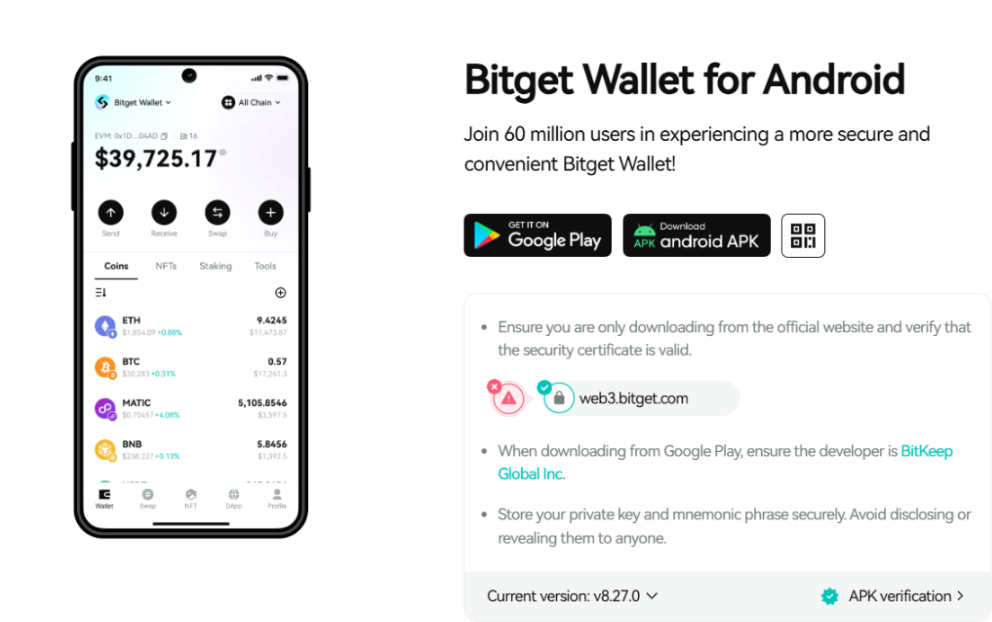
- Download a trusted Web3 wallet such as Bitget Wallet from the official website or app store.
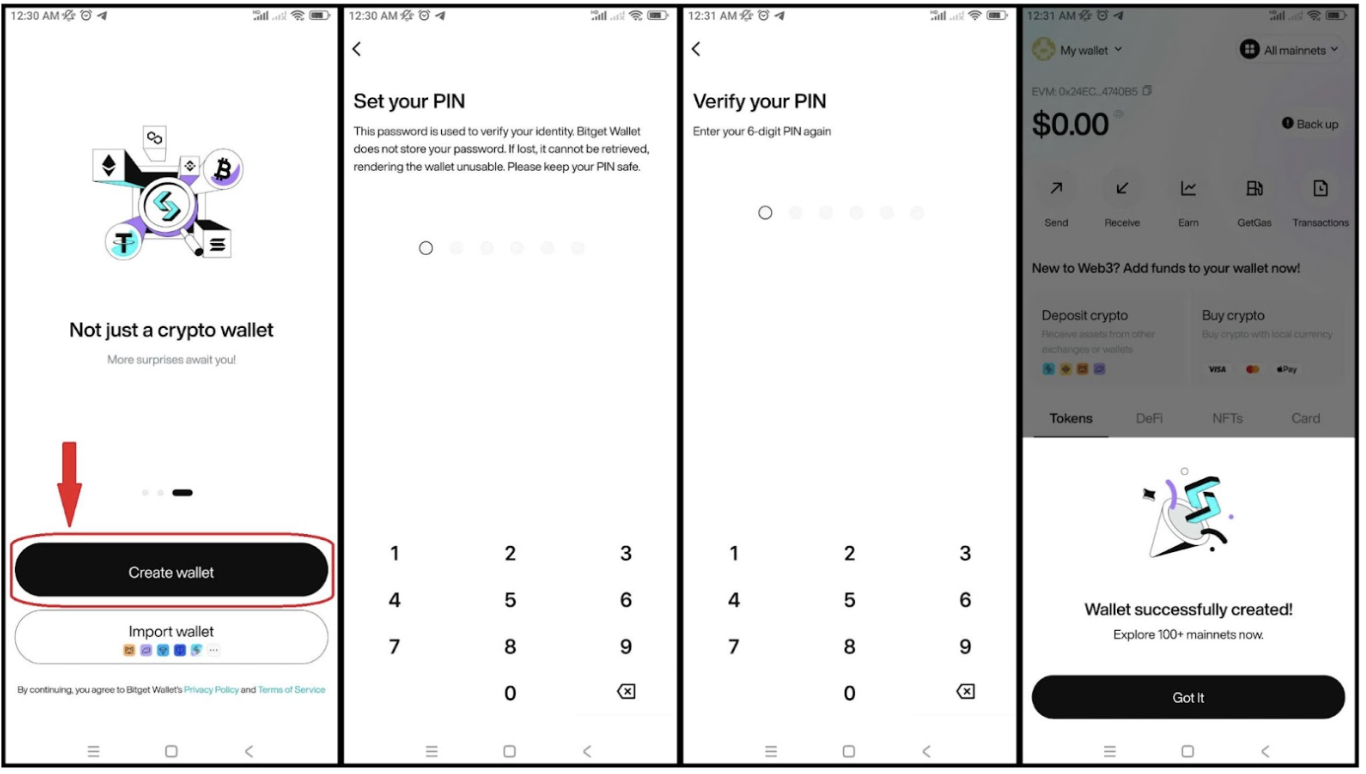
2. Create a new wallet and securely back up your seed phrase to protect your assets.
3. Connect to multiple blockchain networks supported by the wallet.
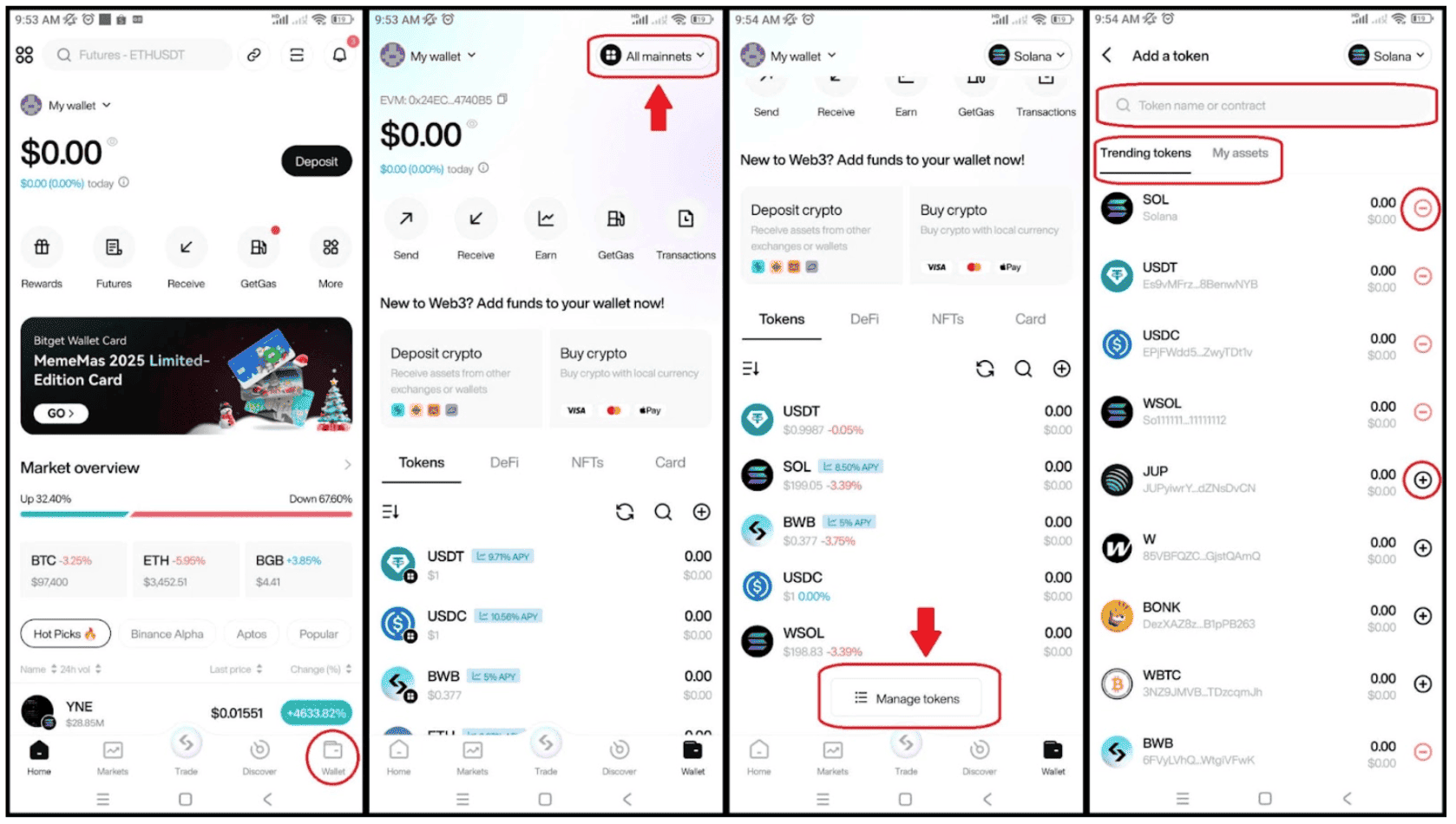
4. Use built-in cross-chain swap tools or bridge features to move assets between chains.
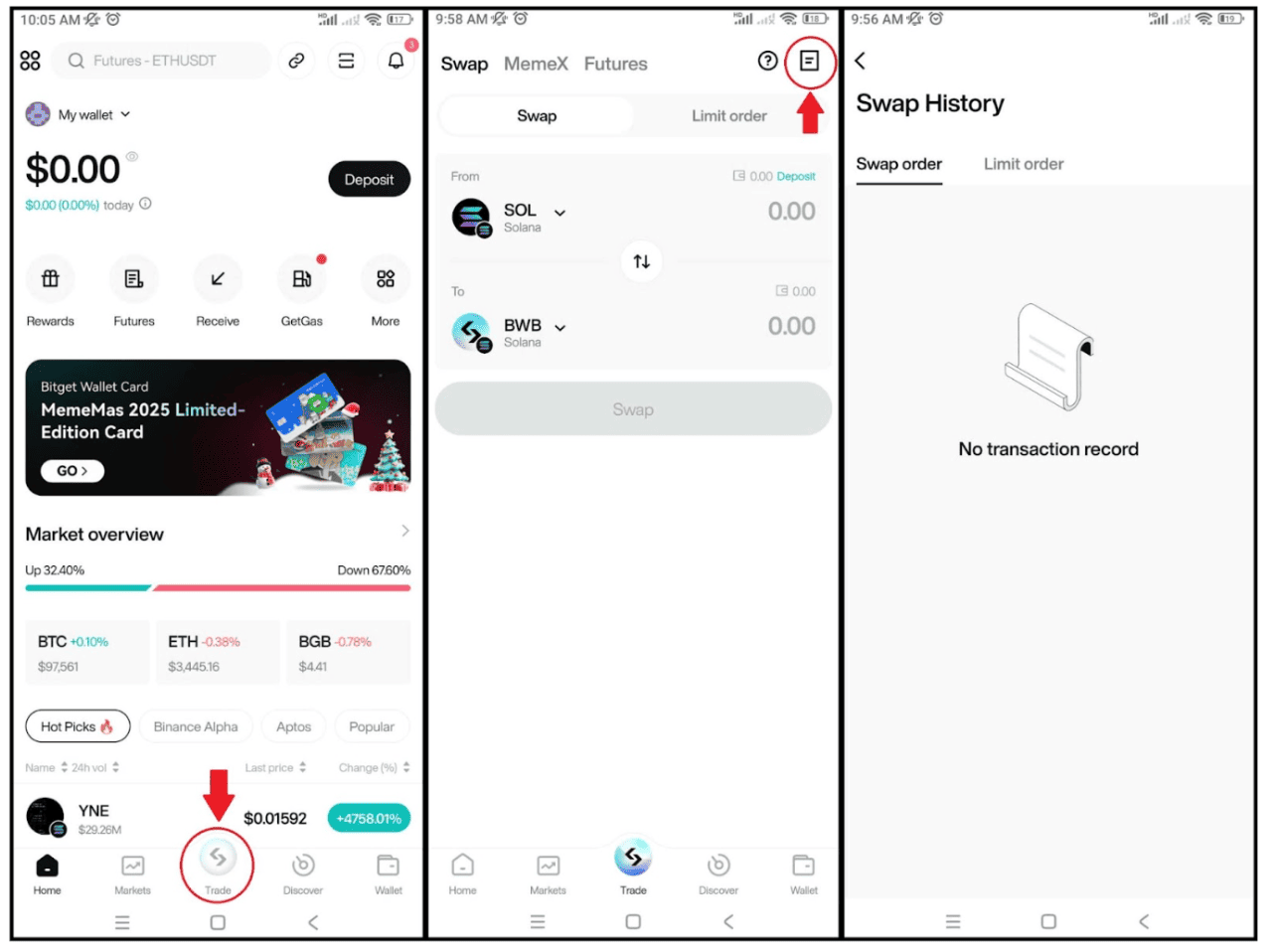
5. Explore DeFi platforms, NFTs, and other Web3 applications across different blockchain ecosystems.
Is Bitget Wallet a Multi-Chain or Cross-Chain Wallet?
Bitget Wallet functions as both a multi-chain wallet and a cross-chain wallet, enabling users to manage assets across multiple blockchain networks while also transferring tokens between chains. This dual capability makes it suitable for users who participate in DeFi, NFTs, and other Web3 activities across different blockchain ecosystems.
Unlike wallets that only support a single network or basic multi-chain management, Bitget Wallet integrates interoperability tools that allow users to store assets across chains and move tokens between them within the same interface. This combination of multi-chain wallet management and cross-chain functionality simplifies asset management and improves access to decentralized applications across the Web3 ecosystem.
How Bitget Wallet works as a multi-chain and cross-chain wallet?
Bitget Wallet integrates both multi-chain wallet capabilities and cross-chain interoperability features, allowing users to interact with several blockchain ecosystems from one platform.
Multi-chain capabilities
- manage assets across multiple blockchain networks within one wallet
- support major ecosystems such as Ethereum, BNB Chain, Solana, Polygon, and Base
- allow seamless network switching inside the wallet interface
- access decentralized applications and Web3 services across different chains
Cross-chain capabilities
- built-in cross-chain swap functionality for transferring assets between networks
- interoperability tools that move tokens across blockchains
- access liquidity across multiple chains without leaving the wallet
- simplified cross-chain DeFi trading and asset transfers
Additional features of Bitget Wallet
In addition to multi-chain wallet management and cross-chain wallet functionality, Bitget Wallet also offers several tools designed for Web3 users.
Bitget Wallet provides:
- stablecoin earning products that allow users to generate passive yield
- zero-fee memecoin trading for popular tokens
- cross-chain token swaps that simplify asset transfers across networks
- multi-chain asset management within a single interface
- crypto card payments that enable global crypto spending
These features position Bitget Wallet as a comprehensive Web3 wallet that supports both multi-chain wallet management and cross-chain interoperability, making it easier for users to manage assets and interact with decentralized ecosystems across multiple blockchain networks.
Related Reading on Crypto Wallets
Crypto wallets are essential tools for managing digital assets, allowing users to store, send, receive, and interact with blockchain networks. Wallets can be categorized by custody models, supported blockchain networks, and how they manage assets across chains.
The following guides explore crypto wallet fundamentals, custody types, and how modern wallets support multi-chain and cross-chain asset management.
🔹 Crypto Wallet Fundamentals
- What Is a Crypto Wallet: Beginner’s Guide to Digital Assets
- What Is a Custodial Wallet and How Centralized Crypto Wallets Work?
- What Is a Non-Custodial Wallet: Understanding Self-Custody and Private Key Control
- Non Custodial vs Custodial Wallet: Key Differences and How to Choose the Right Crypto Wallet
🔹 Multi-Chain and Cross-Chain Wallets
- What Is a Multi-Chain Wallet: A Beginner’s Guide to Cross-Chain Crypto Wallets
- What Is a Cross Chain Crypto Wallet? A Beginner’s Guide to Multi-Chain Asset Management
- Multi-Chain vs Cross-Chain Wallet: What’s the Difference?
🔹 Real-World Example of Self-Custody
Conclusion
Multi-Chain vs Cross-Chain Wallet comparisons explain how Web3 wallets manage assets across different blockchain networks. A multi-chain wallet supports multiple blockchains, while a cross-chain wallet allows assets to move between networks using interoperability technology.
As Web3 expands, blockchain interoperability becomes increasingly important for connecting decentralized ecosystems. Wallets like Bitget Wallet combine multi-chain support with cross-chain functionality, helping users manage and transfer assets across multiple blockchain networks more efficiently.
Download Bitget Wallet and start managing assets across multiple blockchains with built-in cross-chain swaps and Web3 access.
Sign up Bitget Wallet now - grab your $2 bonus!
FAQs
1. What is a Multi-Chain vs Cross-Chain Wallet?
A Multi-Chain vs Cross-Chain Wallet comparison explains how crypto wallets manage assets across multiple blockchain networks. Multi-chain wallets support several networks within one interface, while cross-chain wallets enable assets to move between those networks through interoperability technology.
2. What is a multi-chain wallet?
A multi-chain wallet allows users to manage assets across multiple blockchain networks within a single interface. This makes it easier to track balances, switch networks, and interact with Web3 applications across different ecosystems.
3. How cross-chain wallets work?
Cross-chain wallets use interoperability technologies such as bridges and cross-chain swap protocols to connect different blockchain networks. These tools allow tokens to move between chains without relying on centralized exchanges.
4. What is the difference between multi-chain and cross-chain wallets?
The main difference between multi-chain and cross-chain wallets is how they handle asset transfers between networks. Multi-chain wallets manage assets across several blockchains, while cross-chain wallets enable direct token transfers between those chains.
5. Are cross-chain wallets safe?
Cross-chain wallets can be secure when built with reliable interoperability protocols and strong security measures. However, bridge-based transfers can introduce additional risks because vulnerabilities in cross-chain bridges may be exploited by attackers.
Risk Disclosure
Please be aware that cryptocurrency trading involves high market risk. Bitget Wallet is not responsible for any trading losses incurred. Always perform your own research and trade responsibly.

 What Is a Crypto Wallet Address? Examples and How to Find It2026-08-12 | 3 mins
- What Is a Cold Wallet? A Beginner's Guide to Offline Crypto Storage2026-09-25 | 3 mins
- Fintech Wallets vs. Crypto Wallets: What’s the Difference? (2026 Guide)2026-07-24 | 5 mins



