


Iran War Energy Cost Bitcoin Mining: How Rising Oil Prices Could Reshape Miner Economics

Iran war energy cost Bitcoin mining has become a real investor concern because the conflict has raised questions about oil prices, electricity costs, bitcoin hash rate, and overall miner profitability. The headline risk is clear: when energy markets tighten, some miners may face direct cost pressure. But the bigger picture is more nuanced, because much of the global network may be affected more through bitcoin price volatility and hashprice than through electricity costs alone.
Recent reports point to that split clearly. Bitcoin hash rate fell about 8% to 920 EH/s, and a lower mining difficulty adjustment was expected. At the same time, some analyst estimates suggest only 8%–10% of global mining is highly sensitive to crude-linked power markets, while roughly 90% operates in electricity systems with weak oil correlation. This makes the story less about one single energy shock and more about how costs, revenue, and market sentiment interact.
In this article, we’ll explain whether oil really affects mining costs, what the latest hash rate drop means, how miners get squeezed through both cost and revenue, and what this means for public mining companies.
Key Takeaways
- Iran war energy cost Bitcoin mining shows that rising oil prices can hurt some miners directly.
- A lower bitcoin hash rate can signal stress, but it does not always mean a lasting collapse in mining activity.
- Miner economics depend on costs, hashprice, BTC price, and financing conditions—not energy headlines alone.
How Does Iran War Energy Cost Bitcoin Mining Affect Miner Economics?
Iran war energy cost Bitcoin mining refers to how geopolitical conflict can change miner economics through both energy input costs and revenue-side variables such as BTC price, hashprice, and market sentiment. That is why investors should not reduce the issue to a simple “oil up, mining down” narrative.
Source: theblock.co
Why Can Rising Oil Prices Matter to Bitcoin Miners?
In the context of Iran war energy cost Bitcoin mining, the cost-side argument is fairly straightforward. If the conflict disrupts oil transport routes or pushes crude prices higher, pressure across the broader energy market can spill over into some electricity markets. The reason is that electricity prices in many systems are still influenced by fuel input costs, marginal generation costs, and the overall level of energy prices, so an oil shock does not necessarily stay confined to the oil market.
When system-wide energy costs rise, industrial users such as Bitcoin miners may face higher power bills or less favorable electricity purchasing conditions. For miners already operating on thin margins, even a modest increase in electricity costs can quickly weaken profitability..
This matters most in markets where power prices are more sensitive to fossil-fuel swings. In those cases, the chain reaction is easy to follow:
- geopolitical tension increases
- crude prices rise
- electricity costs move higher
- miner margins tighten
- weaker operators consider shutting machines or selling BTC
That is also why public discussion often links geopolitics, energy shock, lower margins, and miner capitulation. When investors see the bitcoin hash rate decline at the same time, they often read it as evidence that the cost squeeze is already hitting the sector.
Why Do Some Analysts Say Bitcoin Price Matters More Than Power Costs?
Some analysts say Bitcoin price matters more than power costs because revenue-side pressure usually spreads more widely and reacts more quickly than cost-side pressure.
- Electricity costs: These tend to create the clearest pressure only in regions where power prices are more sensitive to oil or broader energy-market stress.
- BTC price: When Bitcoin falls, mining revenue can weaken across a much larger share of the network.
- Hashprice: A lower BTC price often pulls hashprice down as well, meaning the same amount of mining power generates less revenue.
As a result, for many miners, the bigger risk is not an immediate jump in electricity bills, but weaker revenue as market sentiment turns more cautious.
Cost-Side Risk vs Revenue-Side Risk in Bitcoin Mining
| Risk Channel | What Changes | Why It Matters to Miners | Likely Impact Speed |
| Oil price shock | Crude rises sharply | Raises concern around power-market stress | Fast |
| Electricity cost pressure | Power costs increase in sensitive regions | Directly compresses margins | Medium |
| BTC price volatility | BTC falls or becomes unstable | Reduces mining revenue and sentiment | Fast |
| Hashprice compression | Revenue per PH/s/day declines | Makes the same hashrate less profitable | Fast |
| Difficulty adjustment | Network difficulty resets lower | Can ease pressure on surviving miners | Medium |
| Miner capitulation | Weak miners shut down or sell BTC | Signals deeper stress in the sector | Medium |
Why Is Bitcoin Hash Rate Falling and What Does That Signal for the Market?
A falling bitcoin hash rate usually signals that mining conditions have become more difficult for some operators. In the recent move, hash rate dropped roughly 8% to 920 EH/s, which is large enough to attract investor attention. Still, the right takeaway is stress—not necessarily structural collapse.
Source: caspianpost.com
What Does the Recent Drop to Around 920 EH/s Tell Investors?
For investors, a drop to around 920 EH/s suggests that some miners may be reducing activity, especially those with higher operating costs or weaker balance sheets. It can reflect equipment shutdowns, delayed expansion, or tighter margins after a period of lower fees and softer BTC performance.
BTC trading below about $72,000 during the same period adds context. Lower prices can reduce miner revenue even before any direct power-cost increase becomes visible, which is why Iran war energy cost Bitcoin mining should be read not only through electricity costs, but also through bitcoin hash rate, revenue pressure, and broader miner stress.
How Does Mining Difficulty Adjustment Change After Hash Rate Falls?
Here is the beginner-friendly version: when fewer miners are actively contributing computing power, the network can reduce difficulty so blocks continue to be produced on schedule. A negative mining difficulty adjustment can therefore act as a relief valve.
That matters because it can:
- reduce competitive pressure for miners who remain online
- improve revenue conditions at the margin
- slow the pace of forced exits if stress is temporary
Reports around this episode suggested the next downward adjustment could be one of the largest negative moves in recent years. That does not erase stress, but it may soften it.
When Does a Falling Hash Rate Become Miner Capitulation?
A declining bitcoin hash rate becomes miner capitulation when operational pressure turns into forced behavior. In a period shaped by Iran war energy cost Bitcoin mining, investors should watch for several signs at once:
- margins keep shrinking
- BTC treasury sales increase
- weaker operators power down machines
- companies diversify into AI or high-performance computing
- management commentary becomes more defensive around survival and liquidity
A short-term drop does not automatically equal capitulation. But when lower hashrate combines with weaker bitcoin mining profitability, falling hashprice, and more visible selling pressure, the risk rises.
How Do Energy Costs, Hashprice, and Bitcoin Price Volatility Affect Bitcoin Mining Profitability?
Bitcoin mining profitability is shaped by three core variables: energy costs, hashprice, and bitcoin price volatility. Rising power costs can pressure some miners directly, while falling BTC prices and weaker hashprice can reduce revenue across a much larger share of the network.

Source: dlnews.com
Bitcoin Mining Profitability Drivers Overview
| Factor | Definition | Impact on Miner Economics |
| Energy Costs | The cost of electricity or fuel required to operate mining machines | Higher power costs reduce margins, especially in regions where electricity prices are more sensitive to oil and broader energy-market disruption |
| Hashprice | The estimated daily revenue earned per unit of mining power, typically measured in $/PH/s/day | A lower hashprice means miners generate less revenue from the same amount of computing output, which can quickly weaken profitability |
| Bitcoin Price Volatility | Large short-term changes in the price of BTC | A falling BTC price can reduce mining revenue, weaken sentiment, and raise the risk of miner stress, treasury sales, or shutdowns |
That shows why Iran war energy cost Bitcoin mining is not only a cost story.
- If oil rises but BTC stays firm, some miners may hold up better than expected.
- if oil rises and BTC weakens at the same time, the pressure becomes much more severe.
How Does Iran War Energy Cost Bitcoin Mining Affect Public Bitcoin Mining Companies?
Listed miners react not only to network-level mining economics, but also to equity-market sentiment, financing conditions, and company-specific cost structures. That is why public stocks can sometimes look even more volatile than the underlying mining data.
Why Are Public Bitcoin Mining Companies More Exposed to Margin Pressure?
Public miners face a wider set of investor questions than private operators. Markets care not just about whether they can mine profitably today, but also whether they can fund growth, service obligations, and protect shareholder value if stress lasts longer than expected.
Key pressure points include:
- cost structure: Are their power contracts flexible or exposed?
- capital needs: Do they need new funding if margins stay weak?
- treasury strategy: Will they sell BTC to support operations?
- operating footprint: Can they optimize or relocate capacity?
- market perception: Are investors rewarding survival or punishing uncertainty?
Because of that, Iran war energy cost Bitcoin mining can affect listed miners through both fundamentals and sentiment. Even if direct power exposure is limited, investors may still sell mining stocks if they fear weaker BTC prices, lower bitcoin mining profitability, or slower expansion.
MARA Holdings: Why Should You Avoid Overgeneralizing From One Miner?
MARA Holdings is a useful example because it sits at the intersection of mining economics, stock-market volatility, and investor expectations. In an Iran war energy cost Bitcoin mining environment, rising oil prices can increase concern over input costs, but that does not mean one public miner reflects the condition of the entire Bitcoin mining network.
- Company structure: Each listed miner has its own cost base, power contracts, and financing profile.
- Risk exposure: Some firms are more sensitive to energy costs, while others are more exposed to BTC weakness, debt pressure, or funding needs.
- Investor takeaway: Public miners should be used as case studies, not as direct proxies for the whole network.
That is why the network-level mining story and the stock-level story can overlap, but they are not always the same.
How to buy Bitcoin Safely With Bitget Wallet?
If you want to take action during a period shaped by Iran war energy cost Bitcoin mining, buying Bitcoin (BTC) through Bitget Wallet offers a practical way to enter the market with self-custody. Buying Bitcoin (BTC) on Bitget Wallet is easy. Just follow these simple steps:
Step 1: Create a wallet
- If you don't have a wallet, download Bitget Wallet app now.
- Register with your phone number or email, verify quickly and you can use it right away.

Step 2: Deposit money into your wallet
Once you have finished creating your wallet, you just need to deposit money into it. You can:
- Transfer coins from other wallets: Send BTC, ETH or any coin you have from an external wallet.
- Buy directly with a card: Use a bank card or credit card to buy USDT or ETH right in the app and then exchange it for BTC.
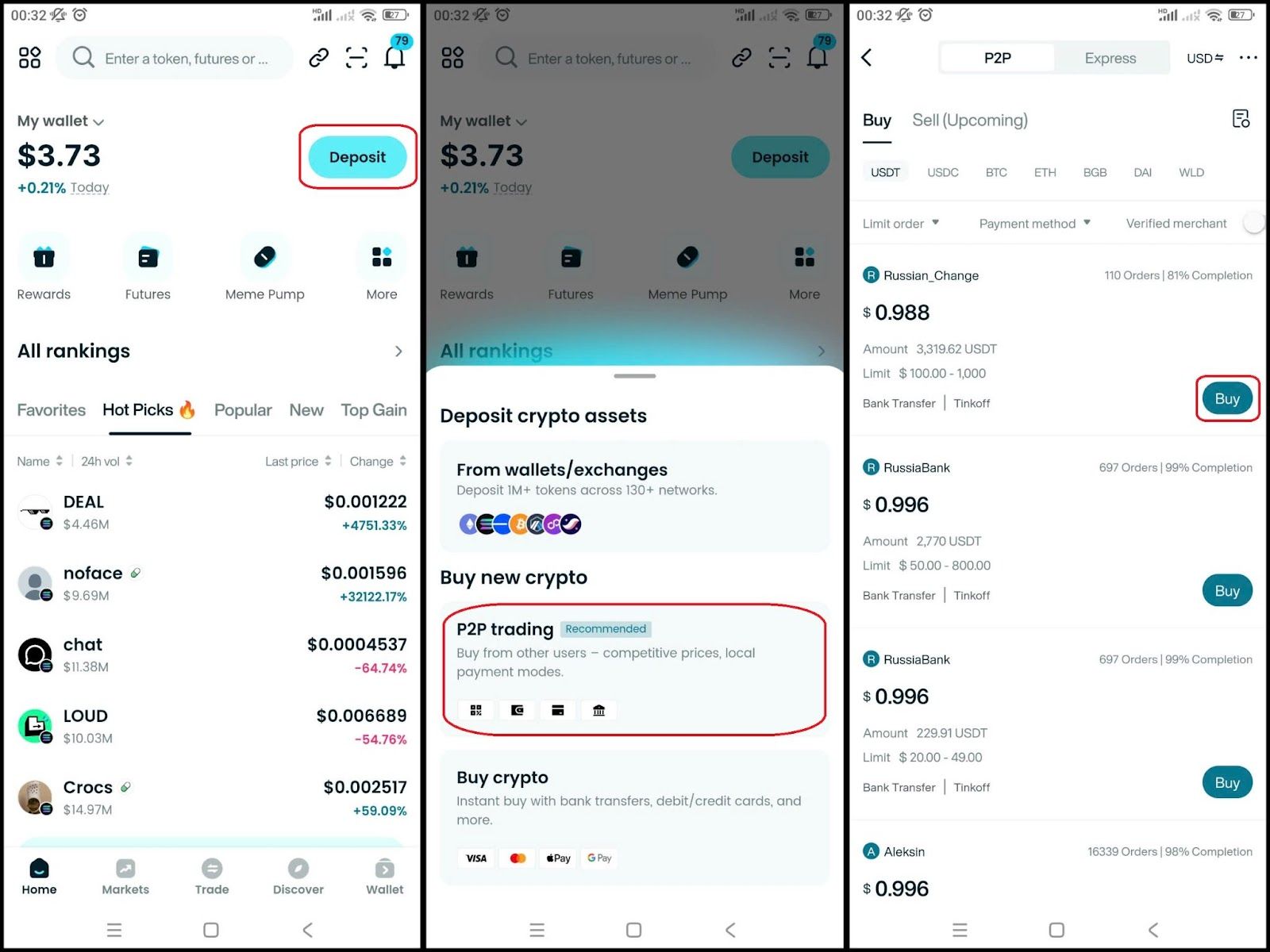
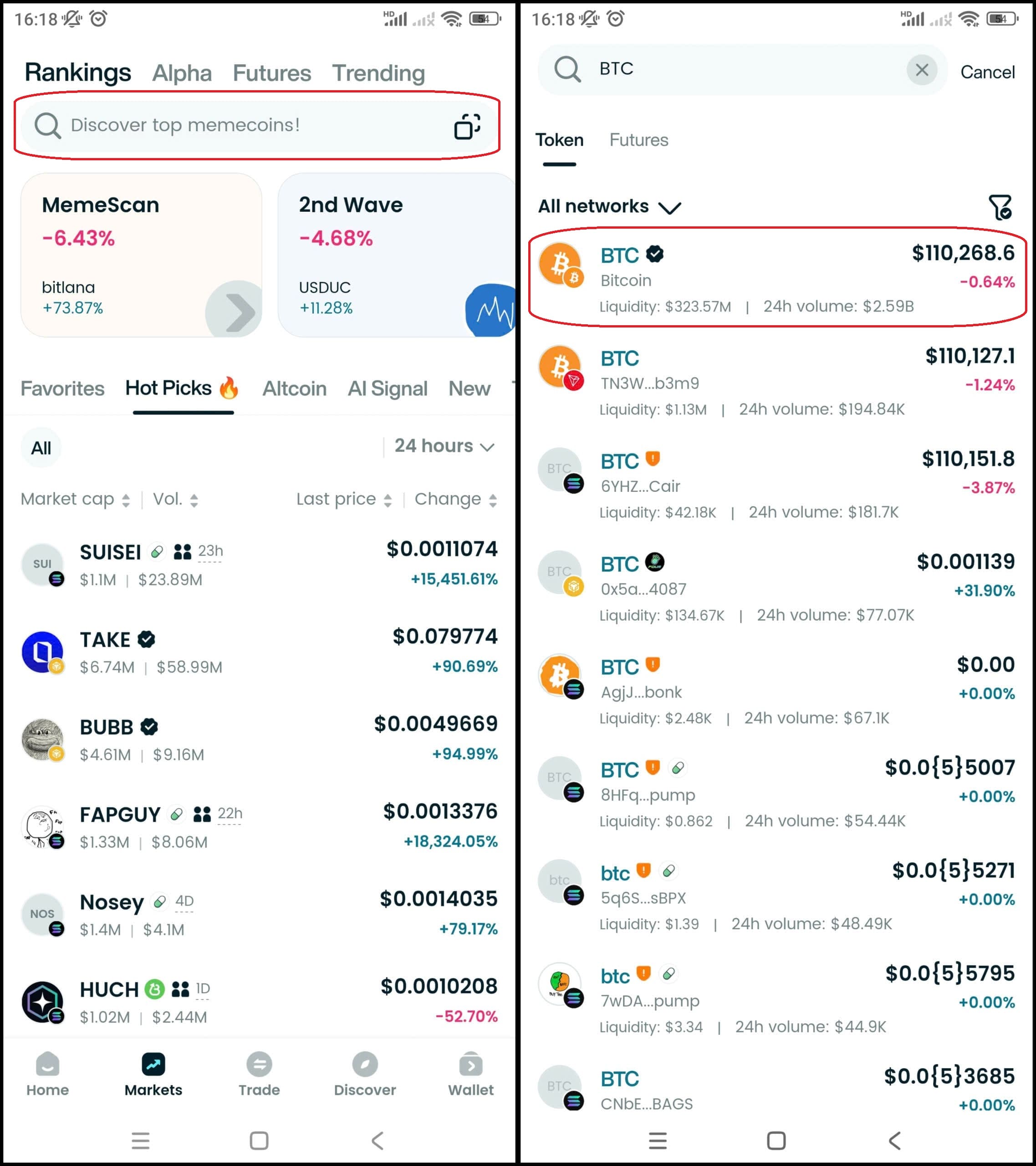
Step 3: Find Bitcoin (BTC)
- In the main interface of the wallet, go to Market, type Bitcoin or BTC in the search bar.
- Select Bitcoin (BTC) to see the trading page.
Step 4: Select the trading pair
Select the pair you want to trade, for example BTC/USDT. This means you can use USDT to buy Bitcoin (BTC), or sell BTC back to USDT.
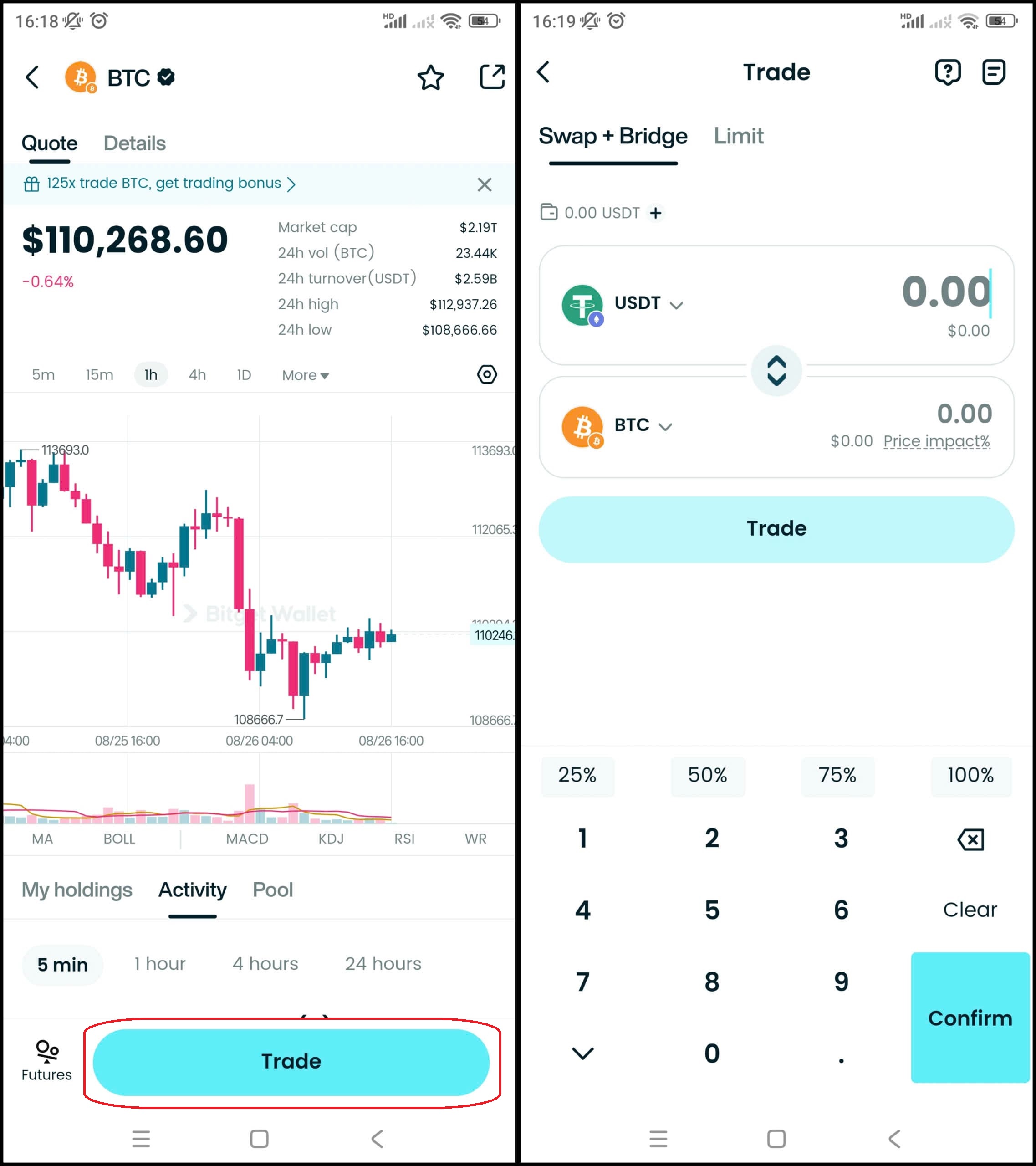
Step 5: Place an order
Enter the amount of Bitcoin (BTC) you want to buy, check carefully and confirm the order.
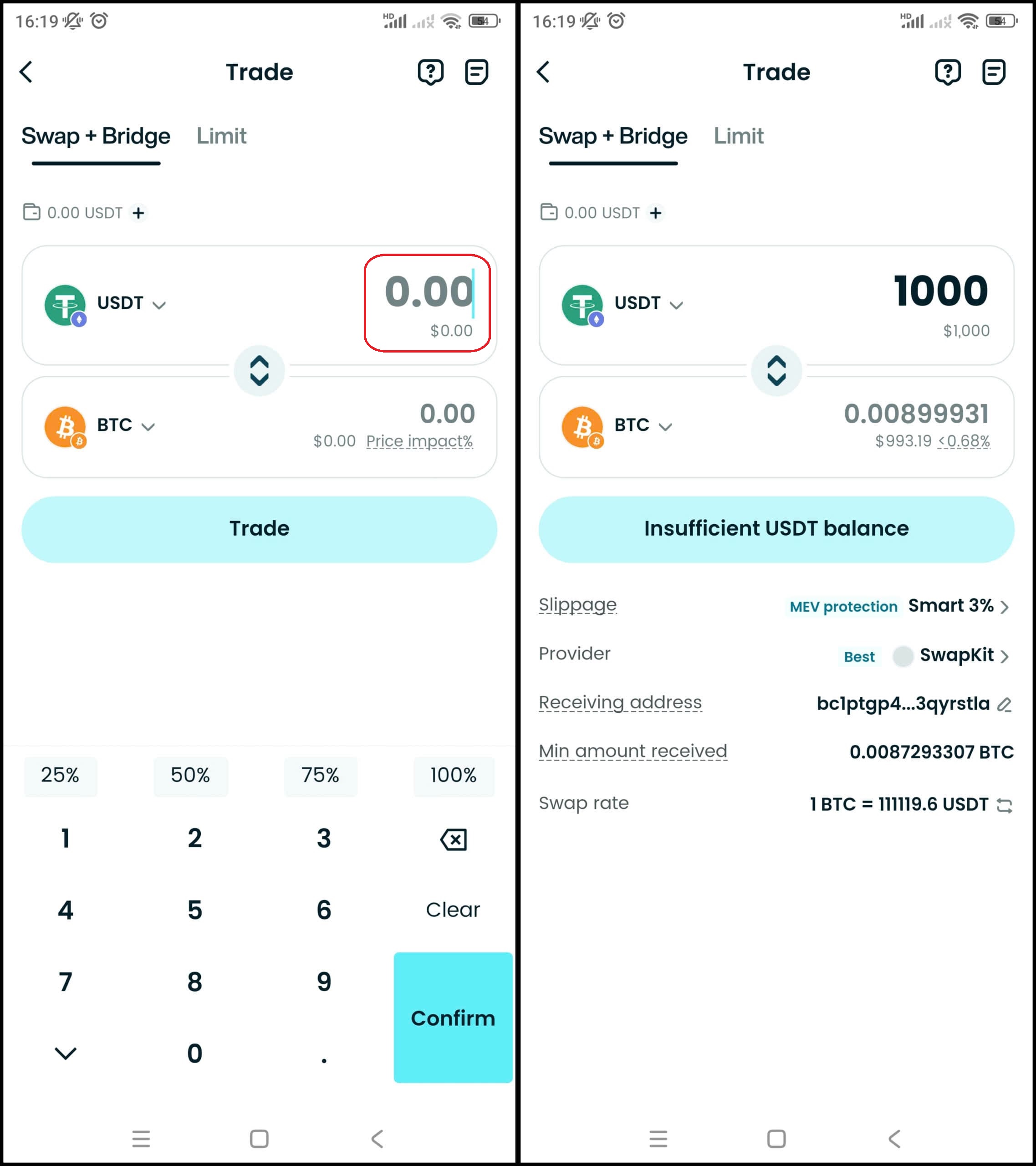
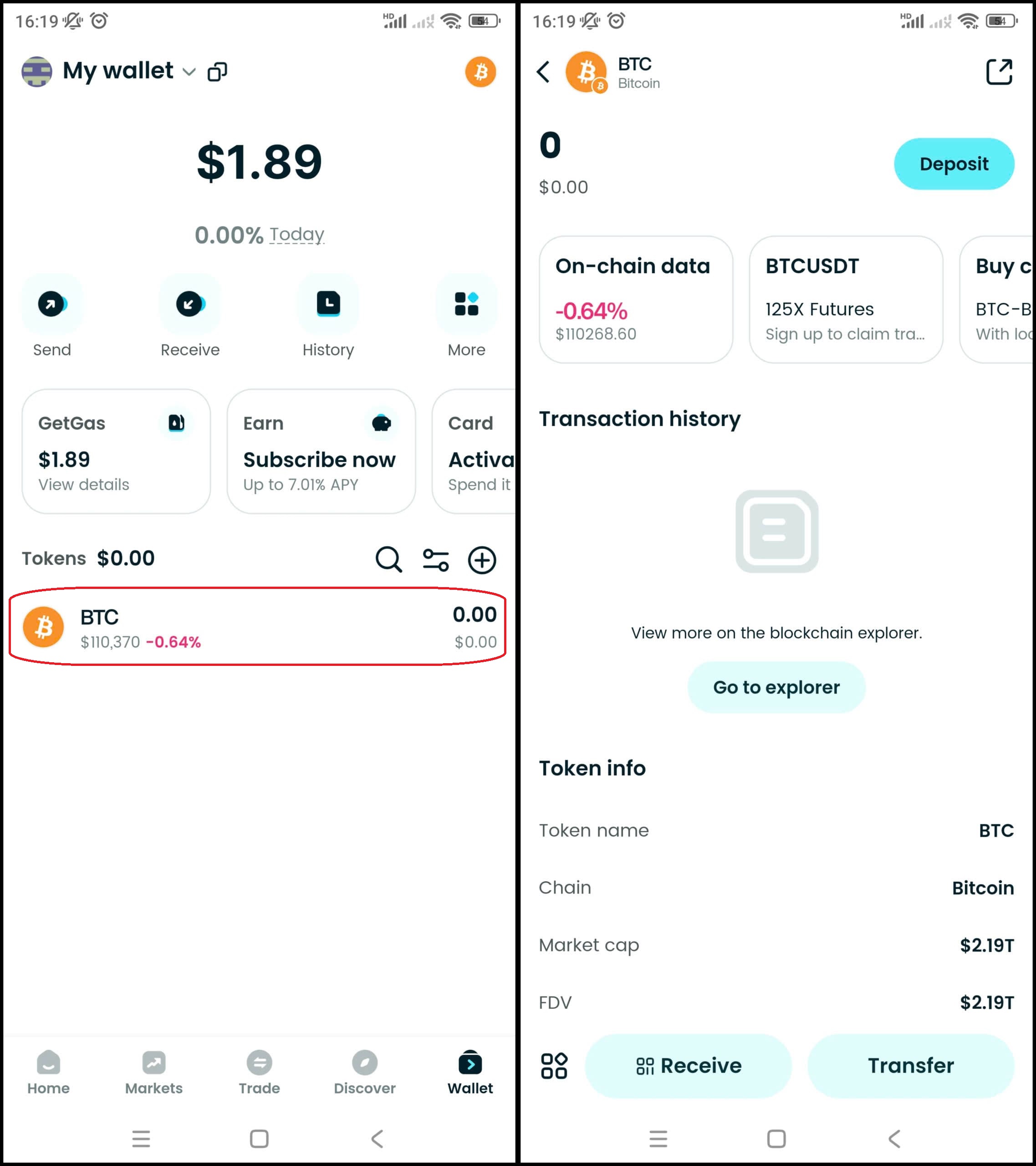
Step 6: Check the order
After buying, you can check your Bitcoin (BTC) in the Wallet section.
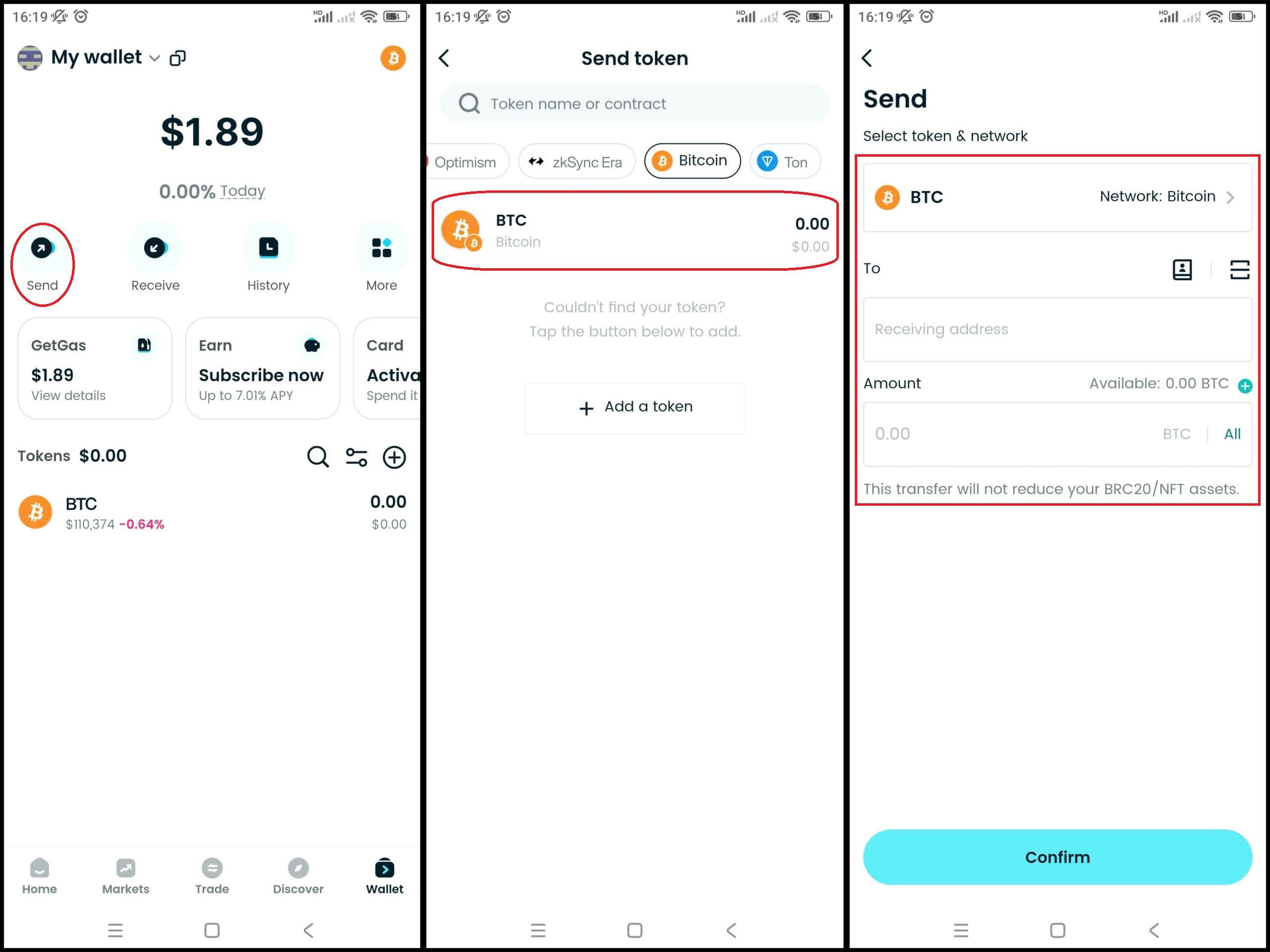
Step 7: Withdraw (if needed)
Once you have Bitcoin (BTC), if you want to withdraw to another wallet, go to Withdraw, fill in the receiving wallet address, check the blockchain network and the amount carefully, then confirm.
▶ Learn more about Bitcoin (BTC):
- Everything You Need to Know to Manage BTC on Bitget Wallet
- Who Is Satoshi Nakamoto? Exploring the Bitcoin Founder
- How to Buy Bitcoin (BTC) on Bitget Wallet?
- What is Bitcoin Pizza Day? The Story of a 10,000 BTC Pizza
- Exploring the BTC Ecosystem: A Comprehensive Analysis
Conclusion
Iran war energy cost Bitcoin mining is best understood through a multi-factor lens. Rising oil prices can pressure some miners through electricity costs, especially in more energy-sensitive regions. But across much of the network, bitcoin price volatility, hashprice compression, and broader miner stress may matter even more than the direct power bill. That is why investors should evaluate mining pressure through costs, revenue, difficulty, and market sentiment together rather than relying on a single geopolitical headline.
For users who want to respond more practically to this kind of volatility, Bitget Wallet offers a straightforward way to buy, hold, and manage Bitcoin (BTC) with self-custody. Instead of only following miner headlines, investors can use Bitget Wallet to access BTC, manage funds across chains, and stay flexible during unstable market conditions.
To get started, explore Bitcoin on Bitget Wallet and use its beginner-friendly tools to buy BTC, manage assets with more control!
FAQs
1. How Does Iran War Affect Miner Economics?
Iran war energy cost Bitcoin mining affects miner economics through both higher energy-market pressure and weaker revenue conditions such as lower BTC prices and reduced hashprice. Some miners feel the impact through electricity costs, while a larger share may feel it through profitability and sentiment.
2. Why is bitcoin hash rate falling?
A falling bitcoin hash rate usually reflects weaker miner profitability, macro stress, or temporary machine shutdowns. It can signal pressure in the sector, but not always a permanent breakdown in mining activity.
3. Does oil price affect bitcoin mining directly?
Yes, but not equally across the whole network. It matters more in electricity markets that are sensitive to crude, while many miners may be affected more indirectly through bitcoin price volatility and hashprice.
Risk Disclosure
Please be aware that cryptocurrency trading involves high market risk. Bitget Wallet is not responsible for any trading losses incurred. Always perform your own research and trade responsibly.

 Top Arc Tokens and Memecoins: What’s Trending on Arc Mainnet2026-09-16 | 5 mins
 Circle Arc Mainnet Launch: What Is Arc and Why Does It Matter?2026-09-14 | 5 mins
 Top Robinhood Chain Memecoins 20262026-09-09 | 5 mins



