





1. What is a junca Wallet?
A junca wallet is a secure digital interface that allows you to store, manage, and transact with JCC tokens. As junca (JCC) is a digital asset designed to facilitate cross-border financial transactions and bridge the gap between traditional finance and the digital economy, particularly focusing on the Asian market, it relies on robust blockchain infrastructure to function effectively. It aims to provide efficient payment solutions and financial services through its ecosystem.
Since junca (JCC) operates on the Ethereum network as an ERC-20 token, your wallet functions within the EVM (Ethereum Virtual Machine) ecosystem. This means your wallet is not just a storage vessel but a gateway to a vast network of decentralized applications, liquidity pools, and smart contract-based financial services that define the modern digital economy.
2. Download Bitget junca Wallet
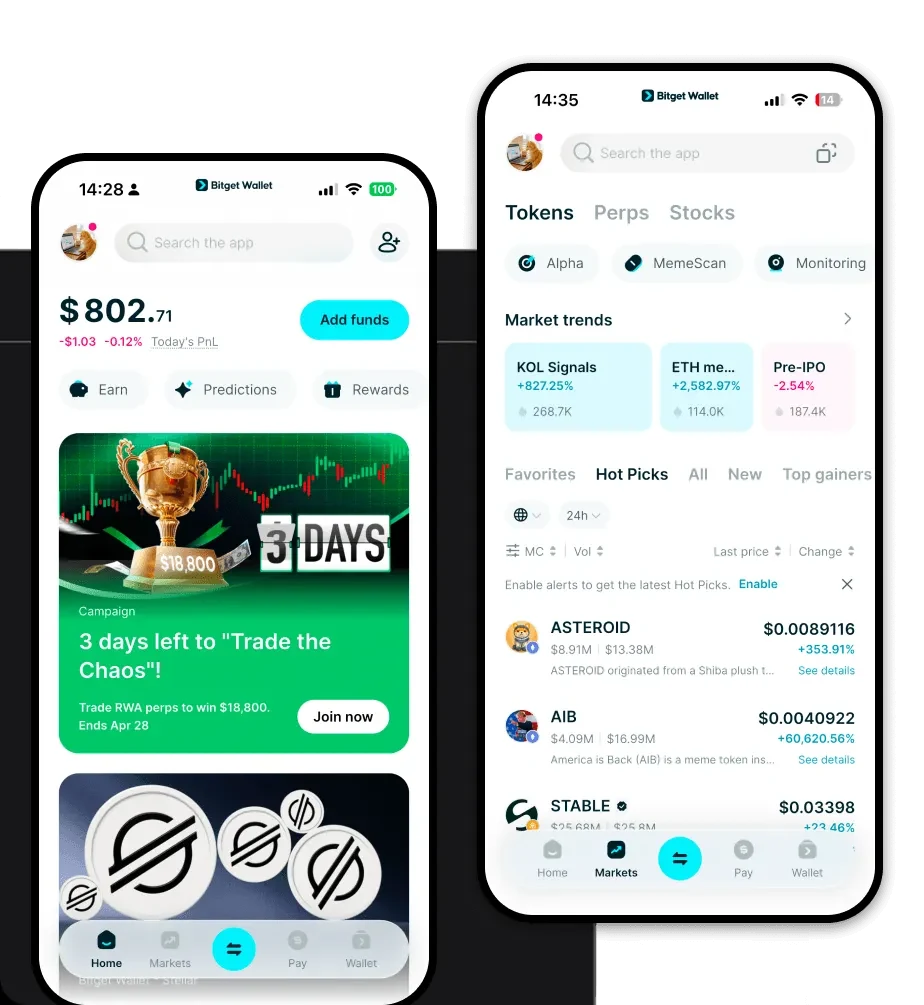
To fully leverage the potential of your JCC tokens, you need a robust, non-custodial solution. We recommend users download Bitget Wallet to experience a seamless interface that prioritizes user control. Unlike custodial exchanges, Bitget Wallet ensures you maintain full ownership of your private keys, giving you complete sovereignty over your assets.
Bitget Wallet offers a comprehensive, multi-chain experience available on iOS, Android, and as a browser extension. Whether you are on the go or managing complex transactions from your desktop, the app provides a unified dashboard to track your JCC holdings alongside thousands of other tokens across 130+ mainstream blockchains.
3. Why Choose Bitget junca Wallet?
Choosing the right infrastructure for your JCC tokens is critical, especially when dealing with cross-border financial tools. Bitget Wallet stands out for several technical and functional reasons:
- EVM Ecosystem Integration: As an EVM-compatible wallet, Bitget ensures that your JCC transactions benefit from the robust security standards and widespread interoperability of the Ethereum network.
- Seamless Cross-Border Utility: The wallet is optimized to support the high-frequency nature of payment-focused tokens, ensuring that your transactions are processed with efficiency.
- Advanced Security Infrastructure: With a $300 million user protection fund, Bitget Wallet provides an extra layer of defense against potential vulnerabilities, keeping your assets safe while you engage with the digital economy.
- DApp Browser Access: You can directly interact with decentralized financial protocols and payment gateways that support JCC, allowing you to bridge the gap between traditional finance and crypto without leaving your wallet.
- Liquidity Aggregation: By aggregating hundreds of DEXs and cross-chain bridges, the wallet ensures that when you trade JCC, you are getting the best market rates and execution paths.
4. How to Create a junca Wallet
Getting started with your own non-custodial wallet is a straightforward process designed for maximum security:
- Install the App: Download the official Bitget Wallet app from your device's app store or the official website.
- Create a New Wallet: Open the app and select 'Create a Wallet'. You will be prompted to set a strong password to protect your local access.
- Backup Your Seed Phrase: The app will generate a 12-word recovery phrase. Write this down on paper and store it securely—this is the master key to your funds.
- Verify the Phrase: Follow the on-screen instructions to confirm your recovery phrase to ensure you have backed it up correctly.
- Add JCC Token: Once your wallet is set up, go to the asset list, use the search function to find 'junca' or 'JCC', and toggle the switch to add it to your main dashboard.
5. What Can You Do With a junca Wallet?
Owning a wallet for JCC is about more than just holding; it is about participating in an active financial ecosystem. Here is how you can utilize your wallet:
- Execute Cross-border Remittances: Utilize the wallet to send JCC tokens across borders instantly, bypassing the inefficiencies and high fees often associated with traditional banking systems.
- Engage in Digital Asset Trading: Use the built-in DEX aggregator within the wallet to swap JCC against other assets, taking advantage of the high liquidity support provided by the underlying infrastructure.
- Perform Fiat-to-Crypto Exchange: Leverage the wallet's integrated payment gateways to convert fiat currency into JCC, simplifying the entry point for traditional finance users.
- Access Financial Services: Connect your wallet to various decentralized platforms to utilize JCC for specialized financial services, effectively bridging the gap between your digital assets and real-world utility.
6. How junca Wallets Are Different from Other Crypto Wallets
The distinction between a standard crypto wallet and an EVM-compatible infrastructure wallet like Bitget lies in how they handle transactions and smart contracts. Because JCC is an EVM token, your wallet must be adept at handling gas fees—the transactional 'fuel' of the Ethereum network. Unlike wallets limited to simple UTXO models (like Bitcoin), an EVM-capable wallet like Bitget handles complex smart contract interactions, which are essential for the payment and financial utility of JCC.
Furthermore, while some wallets prioritize speed over everything, a dedicated infrastructure wallet balances security, such as the Bitget protection fund, with the high-performance requirements of cross-border financial services. This ensures that when you send JCC, your transaction is not only fast but also deeply integrated with the security protocols necessary for financial-grade applications.
