





What is a SWITCH Wallet?
A SWITCH wallet is a digital interface that allows you to securely hold, send, and interact with the SWITCH token, an asset deeply integrated into the Switch ecosystem. As an EVM-compatible token, SWITCH operates primarily within the Ethereum Virtual Machine landscape, benefiting from the robust security and extensive infrastructure that defines the Ethereum and EVM-chain experience. According to the official documentation, SWITCH (Switch Token) is a digital asset often associated with the Switch ecosystem, designed to facilitate decentralized exchange services, cross-chain interoperability, and efficient asset management within the Web3 space. Users can securely manage and trade SWITCH using wallets like Bitget Wallet to explore broader decentralized finance opportunities. Because it relies on the EVM standard, your SWITCH wallet acts as your gateway to a vast world of smart contracts, decentralized applications (dApps), and liquidity protocols.
Download Bitget SWITCH Wallet
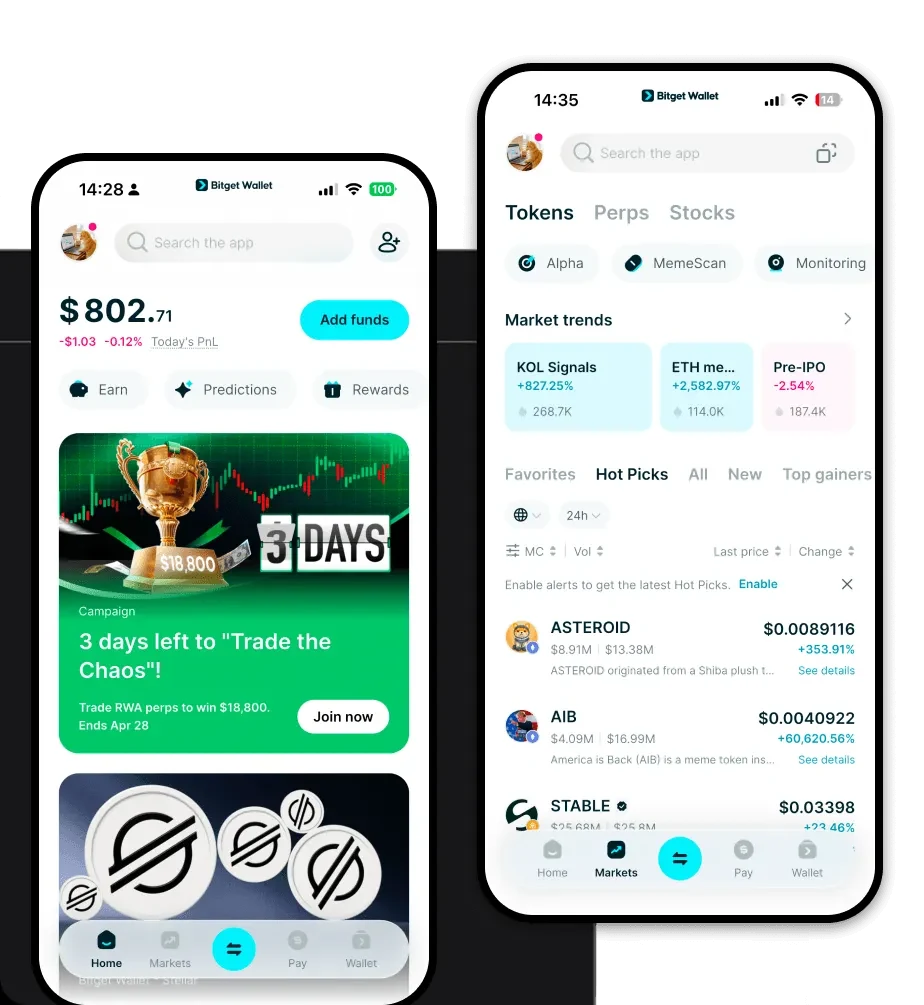
To fully leverage the capabilities of your tokens, you need a robust, non-custodial interface. Bitget Wallet stands out as a premier choice for SWITCH holders who prioritize both security and accessibility. By choosing this wallet, you retain total control over your private keys, ensuring that you—and only you—have ownership over your digital assets.
Bitget Wallet is designed to be your all-in-one companion, offering seamless cross-platform functionality. Whether you prefer managing your portfolio on the go via your smartphone or executing complex DeFi strategies from your desktop, the platform has you covered. You can download Bitget Wallet directly for iOS, Android, or as a browser extension to ensure your SWITCH tokens are always within reach. The wallet supports a vast array of chains, making it the ideal "best wallet for SWITCH" for users who want to manage their assets without switching between multiple applications.
Why Choose Bitget SWITCH Wallet?
Since SWITCH is an EVM-native asset, your choice of wallet directly impacts your experience with gas fees, transaction speed, and ecosystem compatibility. Bitget Wallet is optimized for the EVM environment, providing specific advantages for DeFi users:
- EVM Ecosystem Integration: Enjoy native compatibility with Ethereum-based standards, ensuring your SWITCH tokens interact flawlessly with the latest dApps and smart contracts.
- Advanced Liquidity Aggregation: Bitget Wallet aggregates hundreds of DEXs, allowing you to find the best rates for swapping your SWITCH tokens without leaving the interface.
- Seamless Cross-Chain Interoperability: Easily bridge your assets across different EVM chains, maintaining full control of your liquidity as you explore new markets.
- Low Latency Execution: Designed for high-performance trading, the wallet minimizes delay, giving you a competitive edge when the market moves quickly.
- Robust User Protection Fund: With a $300 million protection fund, Bitget Wallet provides an extra layer of security, safeguarding your assets against unforeseen platform risks.
How to Create a SWITCH Wallet
Getting started with your SWITCH wallet address is a straightforward process designed to prioritize your security while maintaining user-friendliness:
- Download and Install: Visit the official Bitget Wallet website and download the application for your specific device (iOS, Android, or Browser Extension).
- Initialize Your Wallet: Open the app and select "Create a New Wallet." You will be prompted to generate a mnemonic phrase; store this seed phrase offline securely, as it is the only way to recover your funds.
- Set Up Security: Configure your PIN code or biometric authentication (FaceID/Fingerprint) to add an extra layer of protection to your daily app access.
- Locate Your Address: Once the wallet is set up, navigate to the asset list. Search for "SWITCH" or simply use your Ethereum/EVM address, as your SWITCH wallet address is compatible with all ERC-20 standard assets.
- Receive Assets: Click "Receive" to display your public address or QR code, which you can share with others to receive SWITCH tokens directly into your wallet.
What Can You Do With a SWITCH Wallet?
Owning a SWITCH wallet opens the door to a wide range of DeFi activities. By utilizing the features of your wallet, you can engage with the ecosystem in the following ways:
- Trading on Decentralized Exchanges: Use your wallet to connect to various DEXs, allowing you to swap SWITCH for other tokens instantly without relying on centralized intermediaries.
- Providing Liquidity to Pools: Deposit your SWITCH tokens into liquidity pools to facilitate trades for others, earning a share of the transaction fees generated by the platform.
- Staking for Yield Generation: Lock your tokens into staking contracts directly through your wallet to earn passive rewards and increase your overall holdings over time.
- Cross-Chain Asset Swapping: Utilize the built-in interoperability features to move your SWITCH assets across different supported EVM chains to access better yields or lower fees.
- Participating in Governance Voting: Use your wallet to sign transactions that participate in on-chain governance, allowing you to vote on key proposals that shape the future of the Switch ecosystem.
How SWITCH Wallets Are Different from Other Crypto Wallets
Not all wallets are created equal, especially when dealing with EVM-based tokens like SWITCH. Unlike wallets designed for UTXO-based chains (like Bitcoin), which focus primarily on transaction outputs and address generation, a SWITCH wallet is built around the EVM "Account Model." This means your wallet functions more like a bank account where your balance is stored at a specific address rather than as a collection of unspent outputs. Furthermore, because SWITCH operates within the EVM, your wallet must manage "Gas Fees"—the native currency required to pay for every interaction on the blockchain. Bitget Wallet simplifies this by providing real-time gas estimations and optimized transaction routing, ensuring that you don't pay more than necessary for your DeFi operations compared to more generic or less optimized wallet solutions.
