





1. What is a dts Wallet?
A dts wallet is a digital interface that allows you to securely store, manage, and interact with your dts tokens. Since dts operates on the EVM (Ethereum Virtual Machine) chain, your wallet must be capable of handling EVM-compatible assets, smart contract interactions, and gas fee management. It serves as your personal gateway to the decentralized finance ecosystem, giving you full control over your private keys and digital assets.
Are you looking for a reliable and secure crypto wallet for your dts? Bitget Wallet will be your best choice. Trusted by 40 million users, you can freely explore Web3 on Bitget Wallet. Start your journey now!
2. Download Bitget dts Wallet
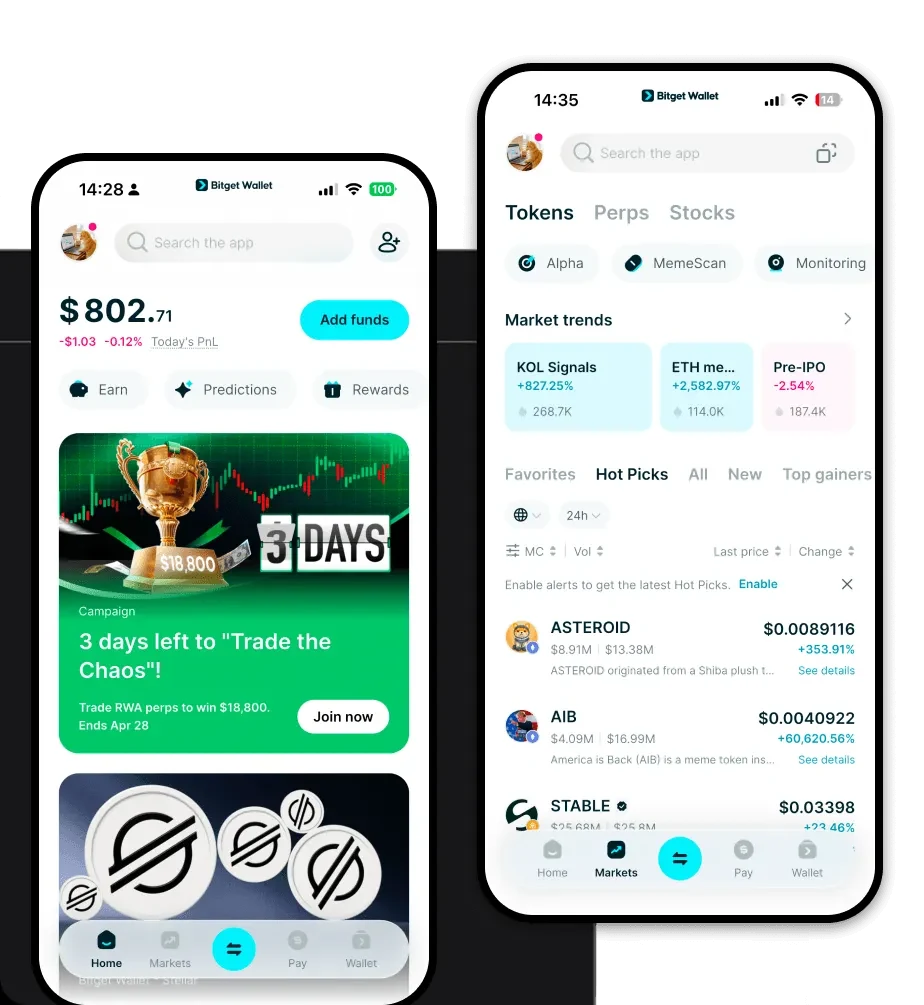
Getting started with your digital asset management requires a reliable tool. To ensure your dts tokens are accessible and protected, you should download Bitget Wallet. It offers a comprehensive solution for both beginners and advanced users, featuring non-custodial storage where you maintain complete ownership of your private keys.
Bitget Wallet provides a seamless experience across multiple platforms, including iOS, Android, and browser extensions. Whether you are at your desktop or on the go, the interface remains intuitive, supporting over 130 public chains. By choosing this platform, you benefit from a unified dashboard that simplifies multi-chain management, ensuring that your dts transactions are always smooth and efficient.
3. Why Choose Bitget dts Wallet?
- EVM Compatibility: Designed specifically for the Ethereum Virtual Machine ecosystem, ensuring full support for dts and seamless interaction with smart contracts.
- Robust Security Framework: Backed by a $300 million user protection fund, Bitget Wallet provides an extra layer of defense against potential on-chain threats.
- Advanced DeFi Aggregation: Benefit from high liquidity support by accessing hundreds of aggregated DEXs and cross-chain bridges directly within the interface.
- Decentralized Governance Integration: Easily participate in project decision-making processes through built-in support for decentralized governance protocols.
- Cross-Chain Interoperability: Effortlessly swap your dts for other assets across different chains without the friction of moving between multiple wallets or centralized exchanges.
4. How to Create a dts Wallet
Setting up your wallet is a straightforward process designed to prioritize your security from the very first step.
Step 1: Visit the official Bitget Wallet website or your mobile app store to download the application.
Step 2: Open the app and select 'Create a New Wallet.' Ensure you are in a private, secure environment.
Step 3: Carefully back up your seed phrase. This 12-word phrase is the only way to recover your assets; store it offline and never share it with anyone.
Step 4: Verify your seed phrase by entering the words in the correct order to confirm your backup.
Step 5: Once verified, your wallet is ready. You can now add dts by importing the token contract address or searching for it within the asset list to begin your transactions.
5. What Can You Do With a dts Wallet?
Your dts wallet is more than just a storage container; it is a powerful tool for engaging with the DeFi world. Here are the primary ways you can utilize your tokens:
- Staking: Lock your dts tokens within the wallet's supported protocols to earn passive rewards and contribute to network security.
- Token Trading: Execute fast, low-slippage swaps directly through the integrated DEX aggregator, ensuring you get the best market rates.
- Providing Liquidity: Deposit your dts into liquidity pools to facilitate decentralized trading and earn a share of the transaction fees generated by the protocol.
- Governance Voting: Use your holdings to cast votes on crucial protocol upgrades and community proposals, directly influencing the future of the project.
- Yield Farming: Deploy your dts in various yield farming strategies to maximize your capital efficiency and generate competitive returns within the DeFi ecosystem.
6. How dts Wallets Are Different from Other Crypto Wallets
When dealing with an EVM-based token like dts, the wallet experience differs significantly from non-EVM chains. Unlike UTXO-based chains (like Bitcoin), which focus on tracking transaction inputs and outputs, EVM wallets are built around the account model. This means your wallet acts as an "account" that stores a balance and interacts with smart contracts.
Furthermore, because dts operates within the EVM ecosystem, your wallet must be adept at handling gas fees—the dynamic costs required to execute transactions on the network. Bitget Wallet optimizes this by providing gas estimation tools and high-speed transaction routing, which is a major advantage over basic wallets. While other wallets might simply store assets, a specialized dts wallet like Bitget integrates with DeFi protocols to provide a streamlined experience that handles the complexities of gas and contract interactions automatically.
