





What is a Yotus Wallet?
A Yotus wallet is a digital interface that allows you to securely store, send, and receive Yotus tokens. Since Yotus operates on the EVM (Ethereum Virtual Machine) blockchain, a compatible wallet is essential for interacting with the network. YOTUS is a digital asset supported by Bitget Wallet, a secure crypto wallet trusted by 40 million users for exploring Web3 and managing diverse tokens.
Because Yotus is built on EVM infrastructure, it benefits from the vast ecosystem of decentralized applications (dApps) and smart contracts that define the Ethereum-compatible landscape. Your wallet acts as your private gateway to the blockchain, ensuring you have full control over your assets without relying on centralized exchanges.
Download Bitget Yotus Wallet
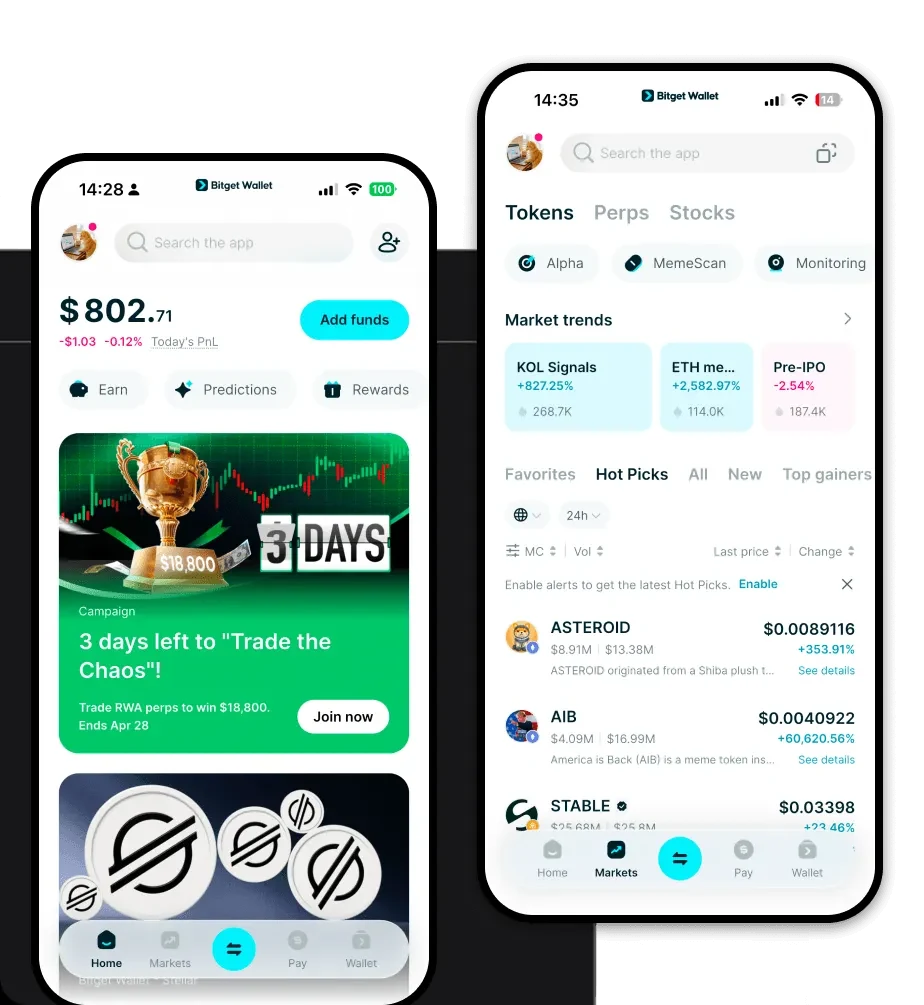
Getting started with your Yotus journey requires a robust tool that keeps up with the fast-paced nature of the crypto market. Bitget Wallet stands out as a comprehensive solution, offering a seamless experience whether you are on the go or at your desk. It provides true self-custody, meaning you—and only you—hold the private keys to your digital assets, ensuring that your Yotus tokens remain under your direct control at all times.
To begin, simply download Bitget Wallet. The application is designed for versatility, offering native support for iOS and Android mobile devices, as well as a powerful browser extension for desktop users. With support for over 130 public chains, Bitget Wallet ensures you can manage your Yotus alongside a diverse portfolio of other tokens with ease and efficiency.
Why Choose Bitget Yotus Wallet?
Bitget Wallet is engineered to handle the specific needs of EVM-based meme tokens like Yotus. Here is why it is the superior choice for your digital asset management:
- EVM Ecosystem Optimization: Benefit from deep integration with Ethereum-compatible chains, allowing for smooth interactions with DeFi protocols and smart contracts.
- High-Liquidity Access: Utilize the built-in DEX aggregator to access high liquidity for Yotus, ensuring you get the best swap rates across multiple decentralized exchanges.
- Community-Driven Support: The wallet interface is tailored to track community-driven assets, keeping you updated on the latest trends and market movements.
- Advanced Security Infrastructure: With a $300 million user protection fund and robust encryption, your assets are shielded against common threats in the decentralized space.
- Streamlined Trading Experience: Execute trades directly within the app without navigating complex web interfaces, perfect for the fast-paced nature of meme token trading.
How to Create a Yotus Wallet
Creating your secure gateway for Yotus is straightforward. Follow these five steps to set up your Bitget Wallet:
1. Install the App: Download Bitget Wallet from the official store or website and open it on your device.
2. Create a New Wallet: Select 'Create Wallet' and set a strong, unique password to protect your access to the app.
3. Backup Your Seed Phrase: Carefully write down your 12 or 24-word recovery phrase on paper and store it in a secure, offline location. Never share this with anyone.
4. Verify Your Phrase: The app will prompt you to re-enter the words to ensure you have backed them up correctly.
5. Add Yotus: Once inside, use the 'Add Token' feature to search for Yotus, or simply import the token address if prompted, and it will appear in your main dashboard.
What Can You Do With a Yotus Wallet?
Owning a Yotus wallet opens up a variety of possibilities within the crypto ecosystem. Here is how you can utilize it:
- Trading: Use the integrated DEX aggregator to swap Yotus for other tokens instantly, taking advantage of market volatility.
- Holding: Keep your Yotus in a secure, self-custodial environment long-term, away from the risks associated with centralized exchange custody.
- Speculative Investment: Actively manage your position by monitoring price action and utilizing the wallet's market data tools to inform your next trade.
- Liquidity Provision: Participate in decentralized finance by providing liquidity for Yotus pairs in decentralized exchanges, potentially earning rewards from trading fees.
How Yotus Wallets Are Different from Other Crypto Wallets
Not all wallets are built the same, especially when dealing with EVM-based assets like Yotus. Unlike wallets designed for Bitcoin's UTXO (Unspent Transaction Output) model, which focuses on simple transaction validation, a Yotus-compatible wallet must support the EVM account model. This model tracks account balances and state changes, which is crucial for interacting with smart contracts.
Furthermore, because Yotus operates within the EVM ecosystem, your wallet handles gas fees differently than non-EVM chains. Bitget Wallet optimizes these interactions, ensuring that you can manage your assets with transparency regarding fee structures. While some wallets are basic, Bitget Wallet provides a comprehensive, high-performance interface that balances the low-latency requirements of meme token trading with the stringent security protocols needed to keep your funds safe.
