





What is an LNS Wallet?
An LNS wallet is a digital interface that allows you to interact with the LNS blockchain ecosystem. Because LNS is built upon the EVM (Ethereum Virtual Machine) architecture, it benefits from the vast compatibility and mature tooling that defines the modern decentralized finance landscape. This means that your LNS wallet is not merely a place to hold coins; it is a gateway to a sophisticated array of on-chain operations.
LNS (LNS) is the native utility token associated with the LNS ecosystem, often utilized for transactions and interactions within Web3 wallets like Bitget Wallet. It supports secure asset management and is designed to facilitate user engagement within the decentralized finance and Web3 space. By using a wallet that fully supports the EVM standard, users ensure that their LNS holdings remain interoperable with the broader crypto market, allowing for smooth transfers and interactions with various smart contracts.
Download Bitget LNS Wallet
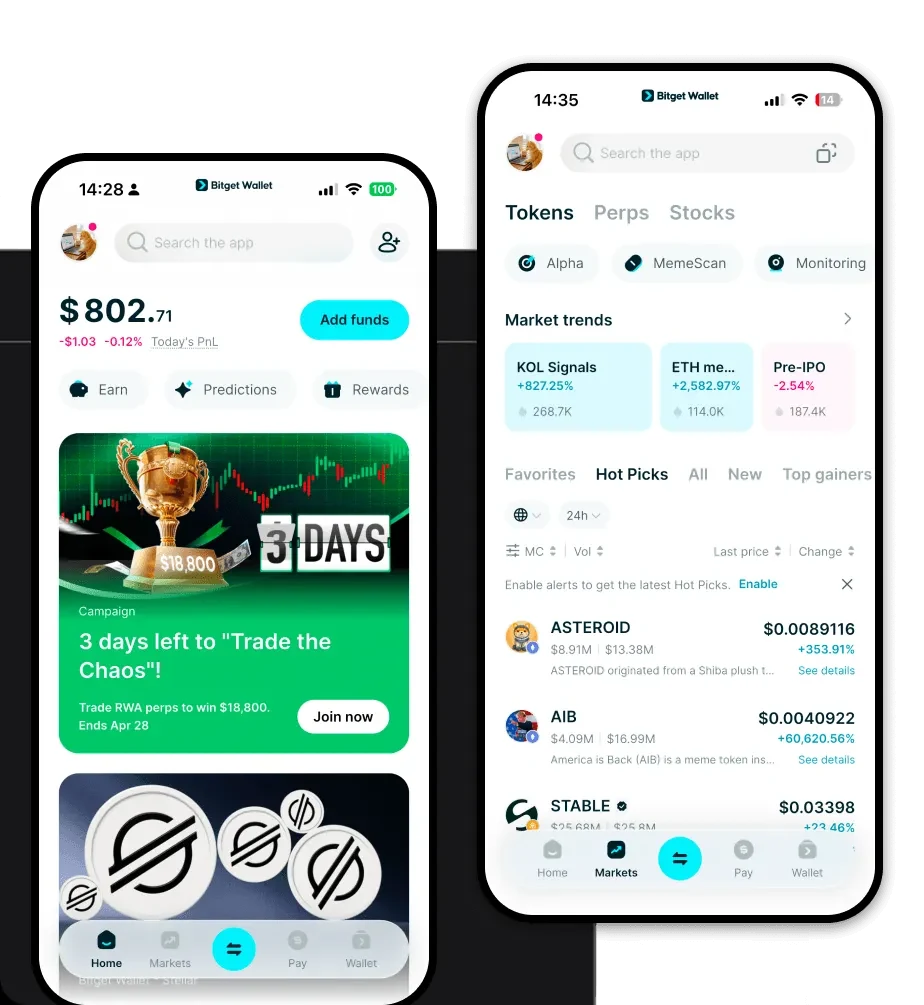
To begin your journey with LNS, you need a robust, user-friendly interface that prioritizes both security and accessibility. The Bitget Wallet app provides a unified experience across mobile and desktop environments. Whether you are using an iOS device, an Android smartphone, or a browser extension, the core functionality remains consistent and powerful.
You can download Bitget Wallet to get started. The application is designed for self-custody, meaning you retain complete control over your private keys and seed phrases. This is a critical aspect of modern crypto management, as it ensures that you, and only you, have access to your assets. With its native support for 130+ chains, managing your LNS alongside other assets becomes a streamlined process, eliminating the need to juggle multiple applications.
Why Choose Bitget LNS Wallet?
Choosing the right wallet for your LNS tokens is essential for a smooth Web3 experience. Bitget Wallet stands out by offering a tailored infrastructure that caters specifically to EVM-based assets:
- EVM Native Compatibility: Experience a familiar environment that mirrors the standard Ethereum interface, allowing for seamless interactions with LNS-based dApps and protocols without compatibility hurdles.
- Smart Gas Fee Management: The wallet features advanced gas estimation algorithms, ensuring that your LNS transactions are processed efficiently while minimizing unnecessary network costs.
- Robust Security Architecture: With a dedicated $300 million user protection fund, Bitget Wallet provides an extra layer of security for your assets, safeguarding against unexpected market or protocol vulnerabilities.
- Seamless Cross-Chain Interoperability: Because LNS operates within the EVM ecosystem, you can easily bridge and move assets across different chains, leveraging the wallet's built-in cross-chain bridges to reach the liquidity you need.
- Decentralized Identity Integration: Manage your Web3 presence effectively with tools that allow for secure connections to decentralized applications, ensuring your LNS wallet address acts as your verified digital identity.
How to Create an LNS Wallet
Creating your secure LNS wallet is a straightforward process designed for both beginners and experienced users. Follow these steps to set up your account:
1. Download and Install: Visit the official website to download Bitget Wallet. Ensure you are using the official version to avoid security risks.
2. Create a New Wallet: Open the application and select the option to create a new wallet. The system will generate a unique seed phrase for you.
3. Backup Your Seed Phrase: This is the most important step. Write down your recovery phrase and store it in a secure, offline location. Never share this phrase with anyone, as it is the master key to your LNS assets.
4. Verify Your Backup: The app will prompt you to re-enter your seed phrase to ensure you have recorded it correctly.
5. Activate Your LNS Address: Once your wallet is set up, you can view your LNS wallet address. You are now ready to receive, store, and manage your LNS tokens.
What Can You Do With an LNS Wallet?
Owning an LNS wallet opens up a wide array of possibilities within the ecosystem. As an infrastructure-focused token, LNS is central to many activities:
- Trading: You can execute rapid swaps for LNS directly within the wallet interface by utilizing aggregated DEX liquidity, ensuring you get the best price for your trades.
- Staking: Users can stake their LNS holdings through the wallet’s integrated staking modules to contribute to network security and earn passive yield over time.
- Governance Voting: By holding LNS in your wallet, you gain the ability to participate in governance voting, allowing you to have a say in the future proposals and development direction of the LNS ecosystem.
- Paying Transaction Fees: You can use your LNS tokens to pay for transaction fees within the ecosystem, which often grants you access to discounted rates or priority processing.
- Participating in Ecosystem dApps: Your wallet acts as your login credential, allowing you to connect to and participate in various decentralized applications, from yield farms to NFT marketplaces, seamlessly.
How LNS Wallets Are Different from Other Crypto Wallets
Not all wallets are created equal, especially when dealing with EVM-based utility tokens like LNS. Unlike wallets designed for UTXO-based chains (like Bitcoin), which focus primarily on transaction outputs and inputs, an LNS wallet is built on the account model. This model is superior for managing complex smart contract interactions, which are essential for DeFi.
Furthermore, while some wallets struggle with network congestion, an LNS wallet integrated into the Bitget ecosystem optimizes for high scalability. It handles the nuances of gas fees and network congestion far better than generic, limited-feature wallets. Because it is designed for infrastructure, it provides a much more responsive experience when interacting with DeFi protocols, ensuring that your transactions are confirmed with speed and accuracy, which is vital in fast-moving market conditions.
