


US.DAI (CHIP) Listing Launch Date and TGE Time: What is the GPU-Backed Stablecoin Model?

US.DAI (CHIP) listing is gaining attention as a project at the intersection of AI infrastructure and decentralized finance. As part of the Permian Labs ecosystem, it introduces a model where GPU compute resources are used as collateral to support stablecoin issuance (USDai) and yield generation, while CHIP functions as the governance and incentive layer. This positions the project within the growing AI infrastructure + RWA + DeFi (“DeFAI”) narrative, where real-world compute assets are integrated into on-chain financial systems.
The project focuses on programmable finance backed by AI compute demand, enabling yield tied to real-world infrastructure rather than pure speculation, though details and exchange availability may still evolve. For users interacting with emerging tokens like CHIP, Bitget Wallet = Secure Stablecoin Storage + Hot Memecoin Trading + Seamless Cross-chain Experience. In this article, we break down how US.DAI (CHIP) works and its role in the evolving crypto landscape.
US.DAI (CHIP) Listing: Key Details and Trading Schedule
1. Key Listing Information
Here are the currently available details about the US.DAI (CHIP) listing:
- Exchange: To be announced
- Trading Pair: CHIP/USDT
- Deposit Available: March 2026
- Trading Start: March 2026
- Withdrawal Available: March 2026
Stay updated on the latest developments around US.DAI (CHIP) as more information about exchange availability and trading access becomes available.
- Please refer to official project communications for the most accurate and up-to-date information.
USD.AI (CHIP) Price Prediction 2026: How It Compares to Similar Projects
Comparing USD.AI (CHIP) to Similar Tokens: Post-Listing Performance Projections
Historical trends offer valuable insights into how USD.AI (CHIP) may perform after its CoinList launch and broader market listing. By analyzing three comparable tokens from the RWA + DeFi + AI infrastructure sector, we can estimate an average listing premium and potential retracement risk.
Comparative Token Performance (First 30 Days Post-Listing)
| Token | Initial Price | Peak Price (T+30 Days) | % Increase | Retracement (%) |
| Ondo Finance (ONDO) | ~$0.055 | ~$0.18 | +227% | -48% |
| Pendle (PENDLE) | ~$0.045 | ~$0.16 | +255% | -52% |
| PAAL AI (PAAL) | ~$0.00030 | ~$0.00120 | +300% | -55% |
| USD.AI (CHIP) (Projected) | $0.03 (ICO) | $0.08 – $0.15 (Est.) | +166% – 400% (Avg.) | -45% – 65% (Risk) |
Key Insights from Historical Analysis
-
Average Listing Premium:
Tokens in the RWA + AI + DeFi infrastructure sector have historically seen 150%–300% price surges within 30 days of listing.
-
Retracement Risk:
Based on previous patterns, a 45%–65% correction is typical within 7–21 days post-peak, especially for high-FDV launches.
-
Market Sentiment Factor:
If $CHIP follows similar trajectories, its short-term upside potential could reach $0.08 – $0.15, with a retracement support zone around $0.04 – $0.07.
Price Projection Based on Market History
| Time Frame | Predicted Price Range | Historical Benchmark |
| Short-term (1–3 months) | $0.04 – $0.15 | Comparable RWA + AI token performance |
| Medium-term (3–6 months) | $0.03 – $0.20 | DeFi yield + infrastructure growth trends |
| Long-term (1 year or more) | $0.02 – $0.40 | AI + DePIN + RWA adoption trajectory |
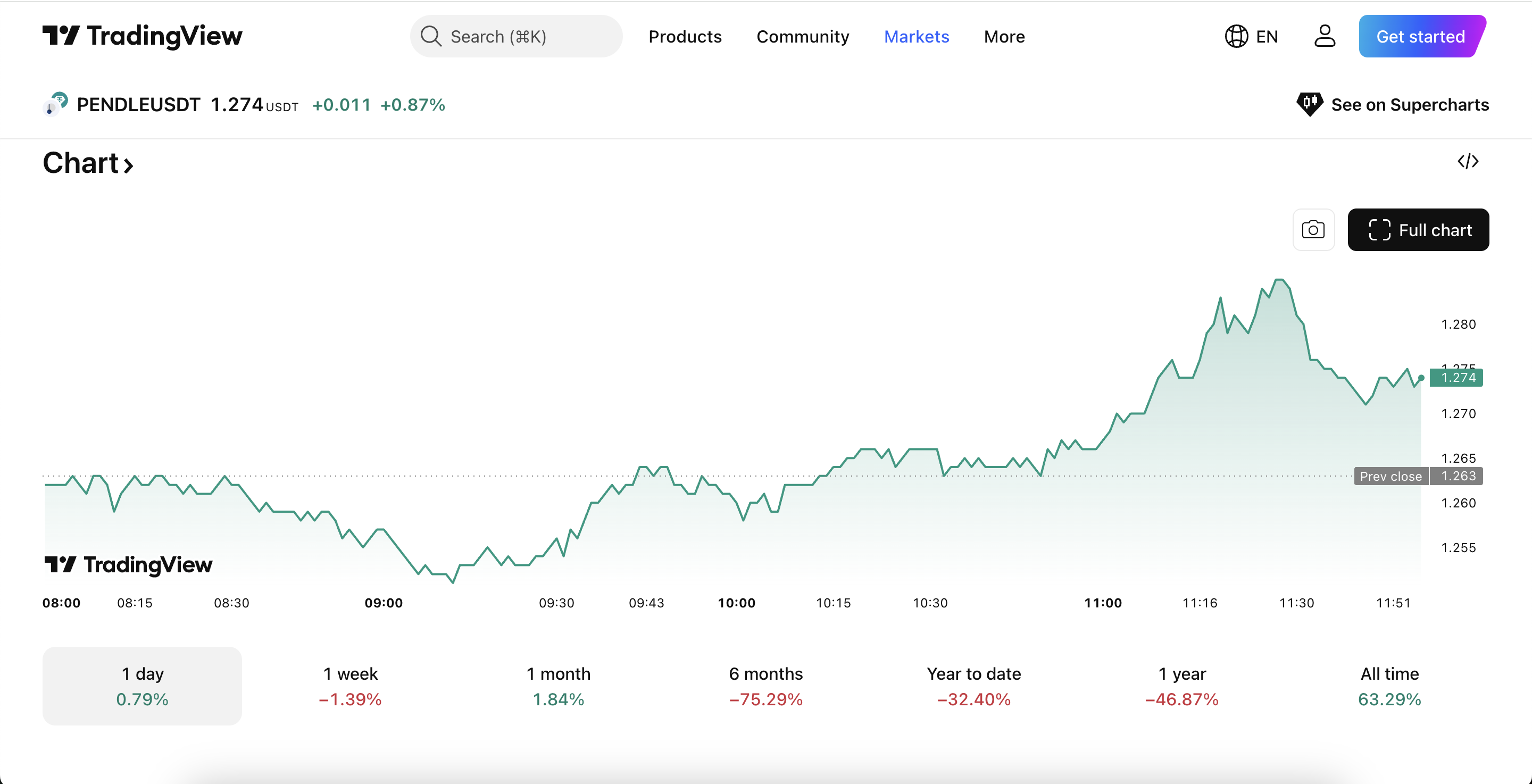
Source: TradingView
Note: The price prediction is sourced from third-party market data and historical comparisons at the time of writing and is for reference only. It does not represent the official stance of USD.AI (CHIP) and Bitget Wallet. Please conduct your own research and refer to official market data before making any investment decisions.
What Is USD.AI (CHIP) and Its Key Features?
USD.AI (CHIP) is a governance and incentive token within the USD.AI protocol, a DeFi system developed by Permian Labs that integrates AI infrastructure financing with blockchain-based lending and stablecoin issuance. Instead of being a standalone utility token, CHIP operates as the coordination layer of a system where GPU compute resources are used as collateral to mint USDai (a stablecoin), enabling yield generation tied to real-world AI demand. The project aims to connect decentralized finance with AI infrastructure (DePIN), allowing capital markets to fund compute resources while distributing returns on-chain.
Key features
-
GPU-Backed Collateral Model:
The protocol uses AI compute hardware (GPUs) as real-world collateral, linking token value to infrastructure demand rather than purely speculative activity.
-
USDai Stablecoin System:
USD.AI issues USDai, a stablecoin backed by overcollateralized positions, with CHIP governing parameters such as risk, incentives, and emissions.
-
DAO Governance and Incentives:
CHIP holders participate in protocol governance, including decisions on collateral models, yield distribution, and ecosystem development.

Source: X
USD.AI (CHIP) has gained attention following its CoinList sale, positioning itself within the fast-growing AI + DeFi sector by introducing a GPU-backed stablecoin model. As demand for AI compute continues to rise, the project is being closely watched as a potential bridge between real-world infrastructure financing and on-chain yield generation, although its long-term adoption will depend on execution and market liquidity.
How USD.AI (CHIP) Operates and What Benefits It Delivers
How USD.AI (CHIP) Works?
- Built on Ethereum-compatible infrastructure, enabling secure smart contract execution and integration with DeFi ecosystems.
- Uses overcollateralized lending mechanisms (DeFi model) rather than a traditional consensus tied to the token itself, where GPU assets back stablecoin issuance.
- Supports AI infrastructure financing, stablecoin issuance (USDai), and on-chain yield generation, positioning it within the DeFi + DePIN (AI compute) sector.
Key Benefits
- Real-World Yield Exposure – Unlike purely speculative tokens, USD.AI connects returns to AI compute demand, allowing users to gain exposure to infrastructure-driven yield.
- Innovative Collateral Model – By using GPU hardware as collateral, the protocol introduces a new asset class into DeFi, expanding beyond crypto-native collateral like ETH or stablecoins.
- Decentralized Governance Participation – CHIP holders can participate in DAO governance, influencing protocol parameters such as risk models, collateral ratios, and incentive structures.
The Companies and Organizations Supporting USD.AI (CHIP)
The Companies
USD.AI (CHIP) is developed by Permian Labs, a team focused on building infrastructure that connects AI compute markets with decentralized finance. The project is designed around a capital-efficient model where real-world GPU assets are tokenized and integrated into DeFi systems. In addition to Permian Labs, the project gained visibility through its CoinList token sale, indicating early support from a platform known for hosting vetted crypto launches.
The Organization’s Partnerships
USD.AI operates within an ecosystem that involves multiple participants across AI infrastructure and DeFi. These partnerships are essential for enabling collateral supply, liquidity, and protocol functionality.
- AI Compute Providers – Supply GPU hardware used as collateral in the protocol
- DeFi Infrastructure Platforms – Support smart contracts, lending mechanisms, and stablecoin issuance
- Token Distribution Platforms (e.g., CoinList) – Enable initial access and early-stage token distribution
How They Work Together?
The USD.AI ecosystem connects infrastructure providers, DeFi users, and governance participants into a unified system. Each participant plays a role in maintaining collateral, liquidity, and protocol decision-making.
- Compute providers supply GPU assets as collateral
- The protocol mints USDai stablecoins backed by this collateral
- Users and liquidity providers interact with USDai to generate yield
- CHIP holders govern parameters such as risk models and incentives
This structure creates a closed-loop financial system linking real-world AI infrastructure demand with decentralized finance operations.
How USD.AI (CHIP) is Used: Practical Benefits
USD.AI (CHIP) is primarily used as a governance and incentive token within the USD.AI protocol, where it helps coordinate a system that connects AI infrastructure with decentralized finance. Instead of being used for direct payments, CHIP enables users to participate in protocol-level decisions, such as adjusting collateral parameters, managing risk frameworks, and guiding ecosystem development.
In practice, CHIP plays a role in supporting the USDai stablecoin system, where GPU-backed collateral is used to mint stable assets that can be deployed across DeFi for lending, liquidity provision, or yield strategies. Users who hold or stake CHIP may also gain exposure to incentive mechanisms, including rewards tied to protocol growth, liquidity participation, or governance activity.
Additionally, CHIP contributes to aligning incentives between AI compute providers, liquidity participants, and DAO governance, ensuring that the system remains functional as demand for AI infrastructure evolves. This makes it part of a broader model where real-world compute demand is integrated into on-chain financial systems.
USD.AI (CHIP)’s Benefits
-
Access to AI Infrastructure Economics –
CHIP provides indirect exposure to the growing demand for GPU compute, linking token utility to real-world infrastructure usage.
-
Governance Participation –
Holders can influence protocol decisions, including collateral models, yield distribution, and ecosystem upgrades.
-
DeFi Integration –
CHIP operates within a system that enables stablecoin issuance (USDai) and participation in yield-generating DeFi strategies.
-
Incentive Alignment Across Ecosystem –
The token helps coordinate interests between infrastructure providers, users, and governance participants within a single financial framework.
USD.AI (CHIP) Roadmap: What to Expect in 2026 and Beyond?
The roadmap for USD.AI (CHIP) outlines a development path focused on expanding AI infrastructure financing, stablecoin adoption, and decentralized governance:
| Quarter | Roadmap |
| Q1 2026 | Completion of CHIP token sale, initial protocol deployment, and early USDai stablecoin issuance backed by GPU collateral. |
| Q2 2026 | Expansion of collateral onboarding (AI compute providers), growth of USDai circulation, and integration with DeFi liquidity platforms. |
| Q3 2026 | Enhancement of DAO governance mechanisms, optimization of yield distribution models, and broader ecosystem participation. |
| Q4 2026 | Scaling of AI infrastructure financing network, potential cross-chain integrations, and increased institutional or enterprise engagement. |
These developments highlight the practical value of $CHIP in the AI infrastructure financing and DeFi (DePIN + RWA) sector, where real-world compute assets are integrated into decentralized financial systems.
How to Buy USD.AI (CHIP) on Bitget Wallet?
Trading USD.AI (CHIP) is easy on Bitget Wallet. Follow these simple steps to get started:
Step 1: Create an Account
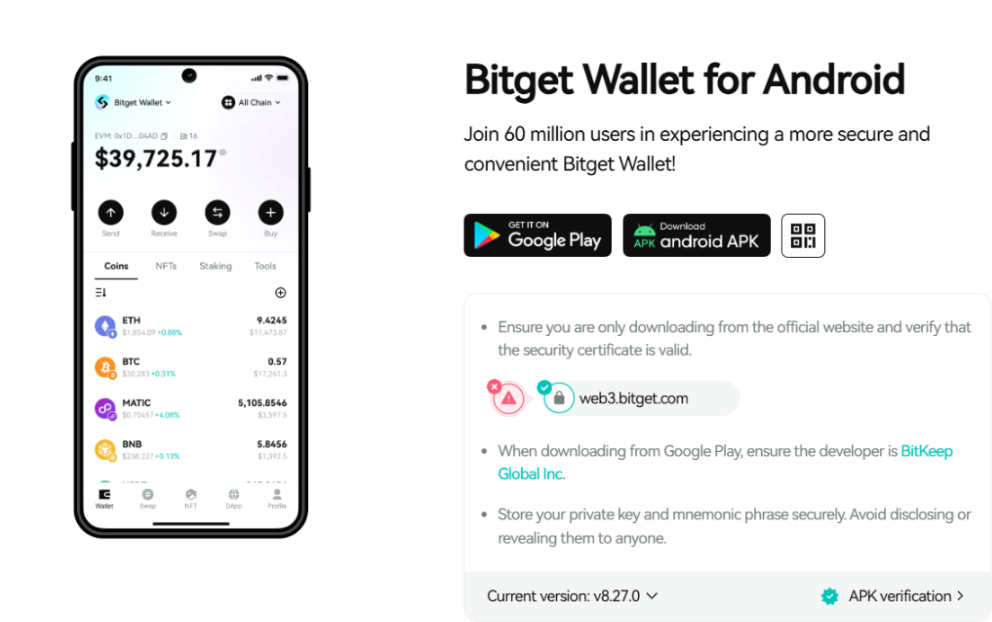
If you don't currently have an account, install the Bitget Wallet app. Register by inputting the required details and confirming your identity.
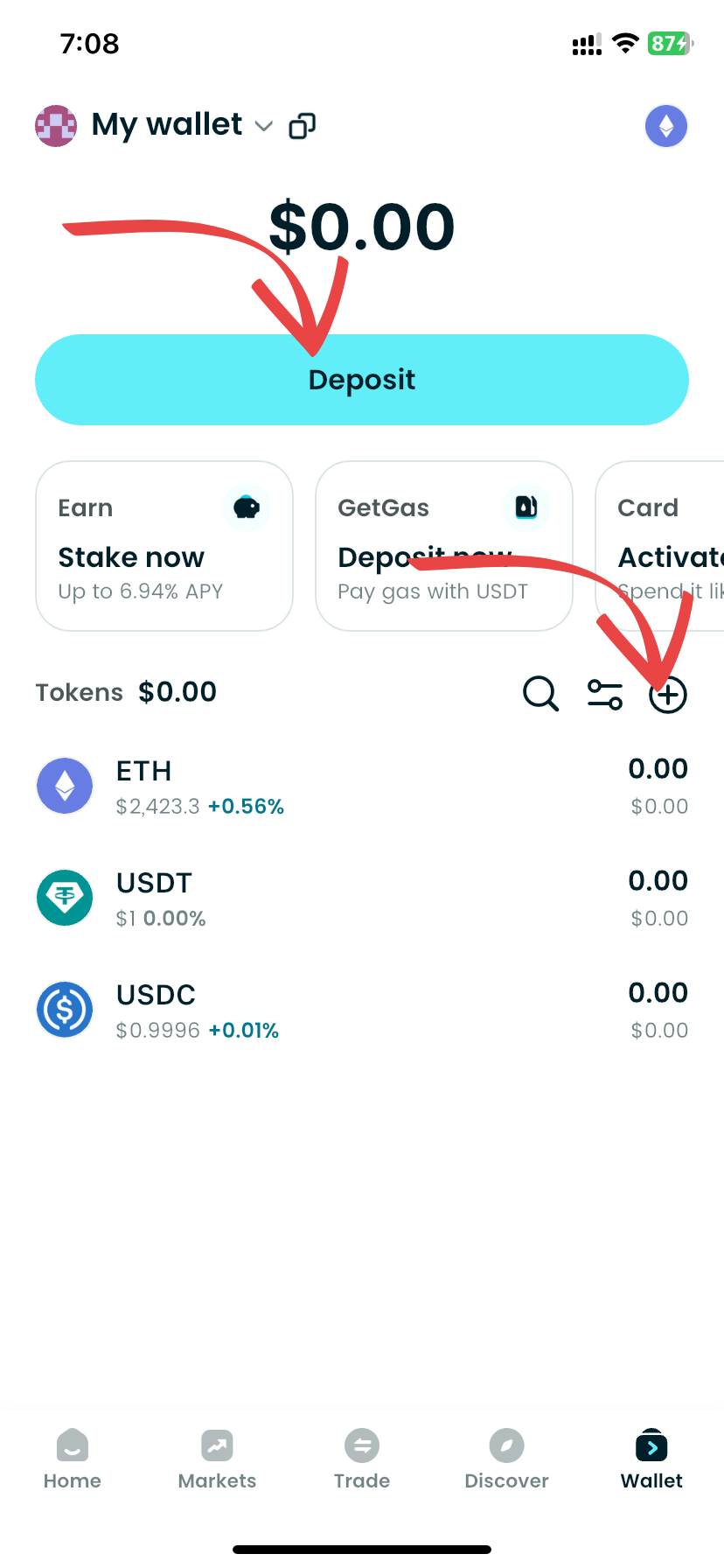
Step 2: Deposit Funds
After setting up an account, you must deposit money. You can do this by:
- Transferring Cryptocurrency: Transfer crypto from a different wallet.
- Purchasing Crypto: Utilize a credit or debit card to buy crypto directly from Bitget Wallet, making sure you have sufficient capital for trading USD.AI (CHIP).
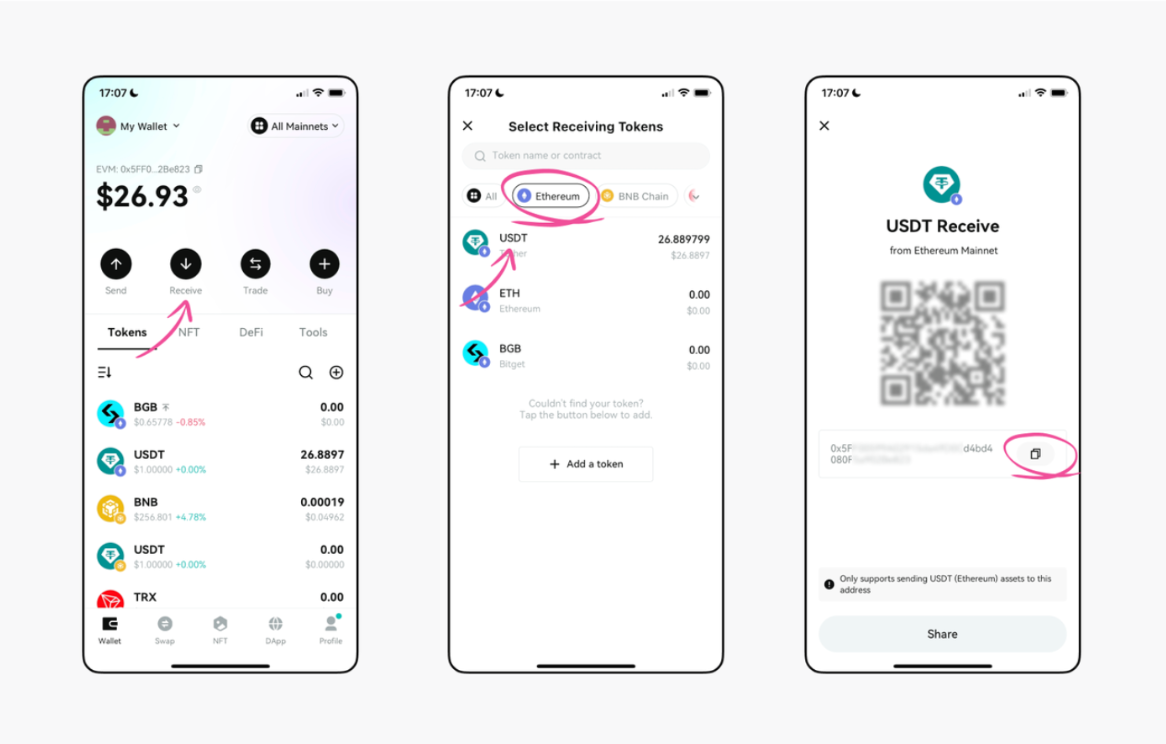
Step 3: Find USD.AI (CHIP)
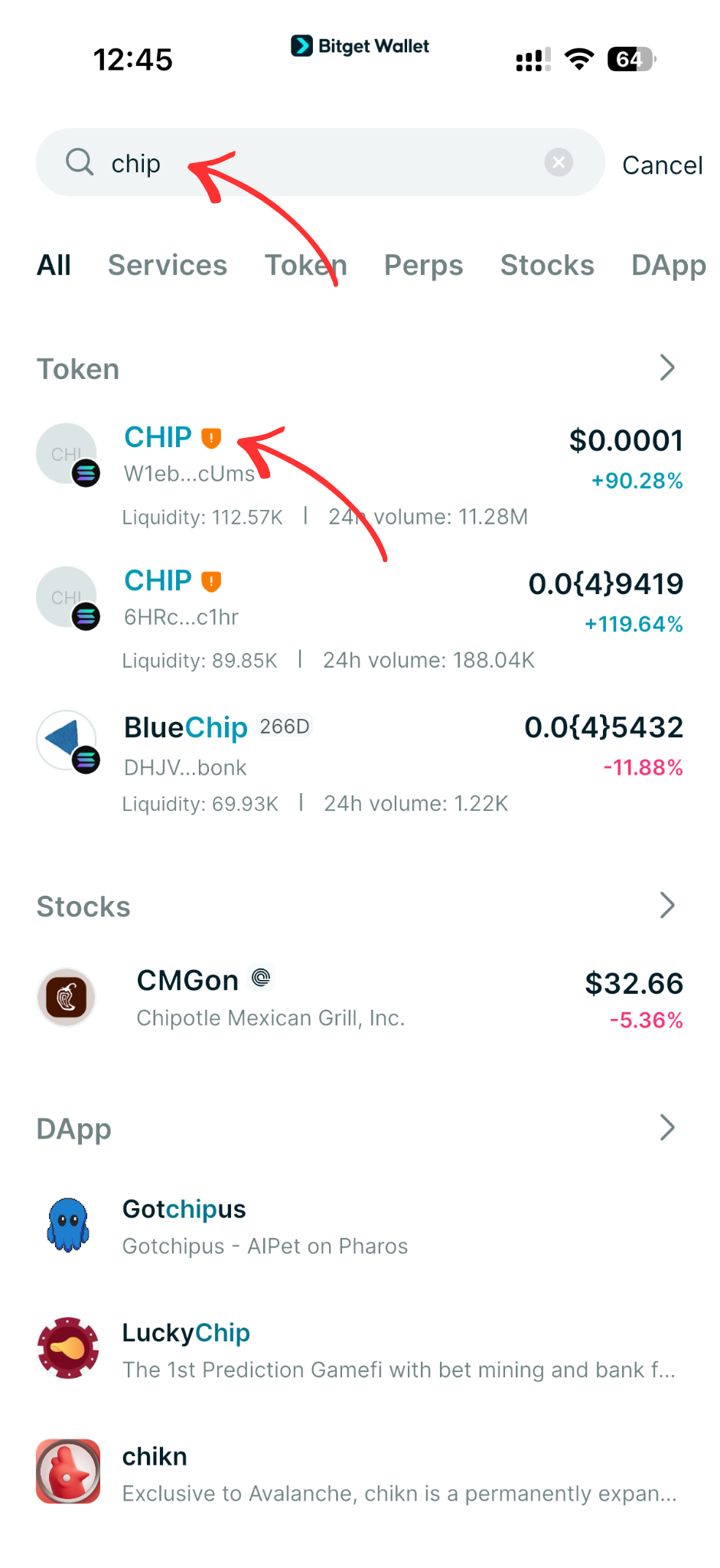
On the Bitget Wallet platform, go to the market area. Search for USD.AI (CHIP) using the search function. Click on the token to access its trading page.
Step 4: Choose Your Trading Pair
Select your trading pair you would like to deal with, for instance, CHIP/USDT. By doing this, you will be able to exchange USD.AI (CHIP) for USDT or any other cryptocurrency.
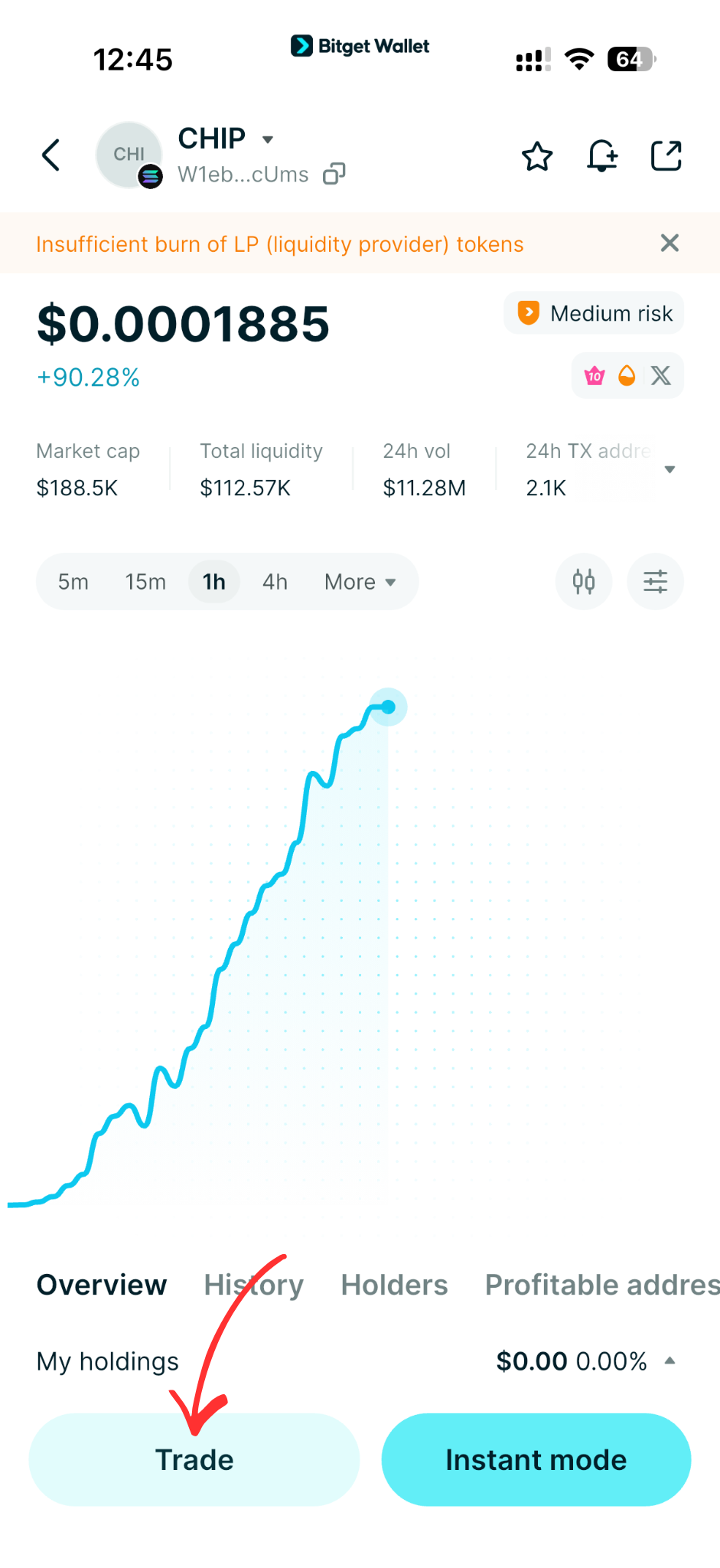
Step 5: Place Your Order
Choose whether to carry out a market order—either buy or sell at the prevailing rate—or place a limit order at your desired price. Fill in the amount of USD.AI (CHIP) you want to exchange, then proceed to confirm in order to complete the trade.
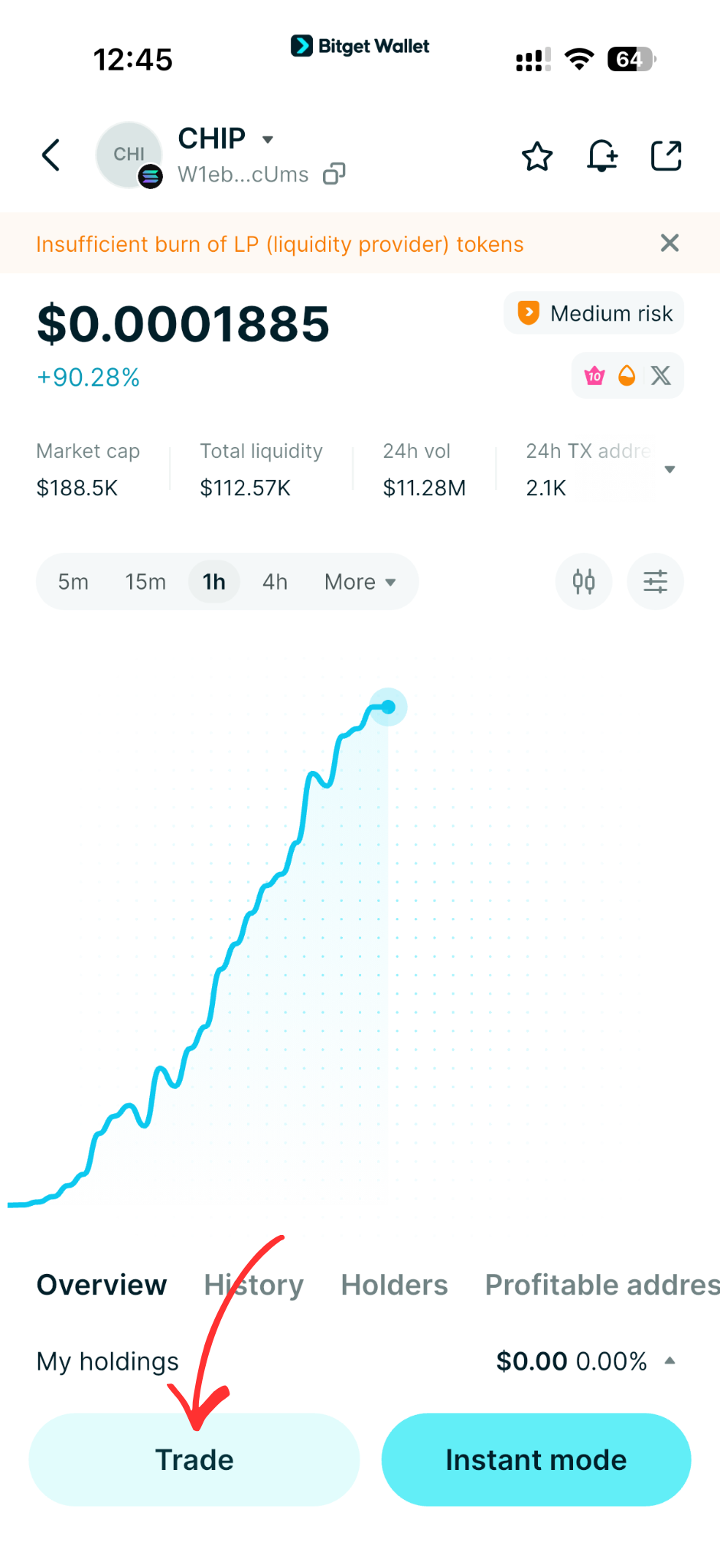
Step 6: Monitor Your Trade
Once you have ordered, you can track the status of your order under "Open Orders." Upon completion of the order, you can view your balance to see the newly purchased USD.AI (CHIP).
Step 7: Withdraw Your Funds (Optional)
If you want to transfer your USD.AI (CHIP) or any other cryptocurrency to another wallet, go to the withdrawal section, provide your wallet address, and confirm the transaction.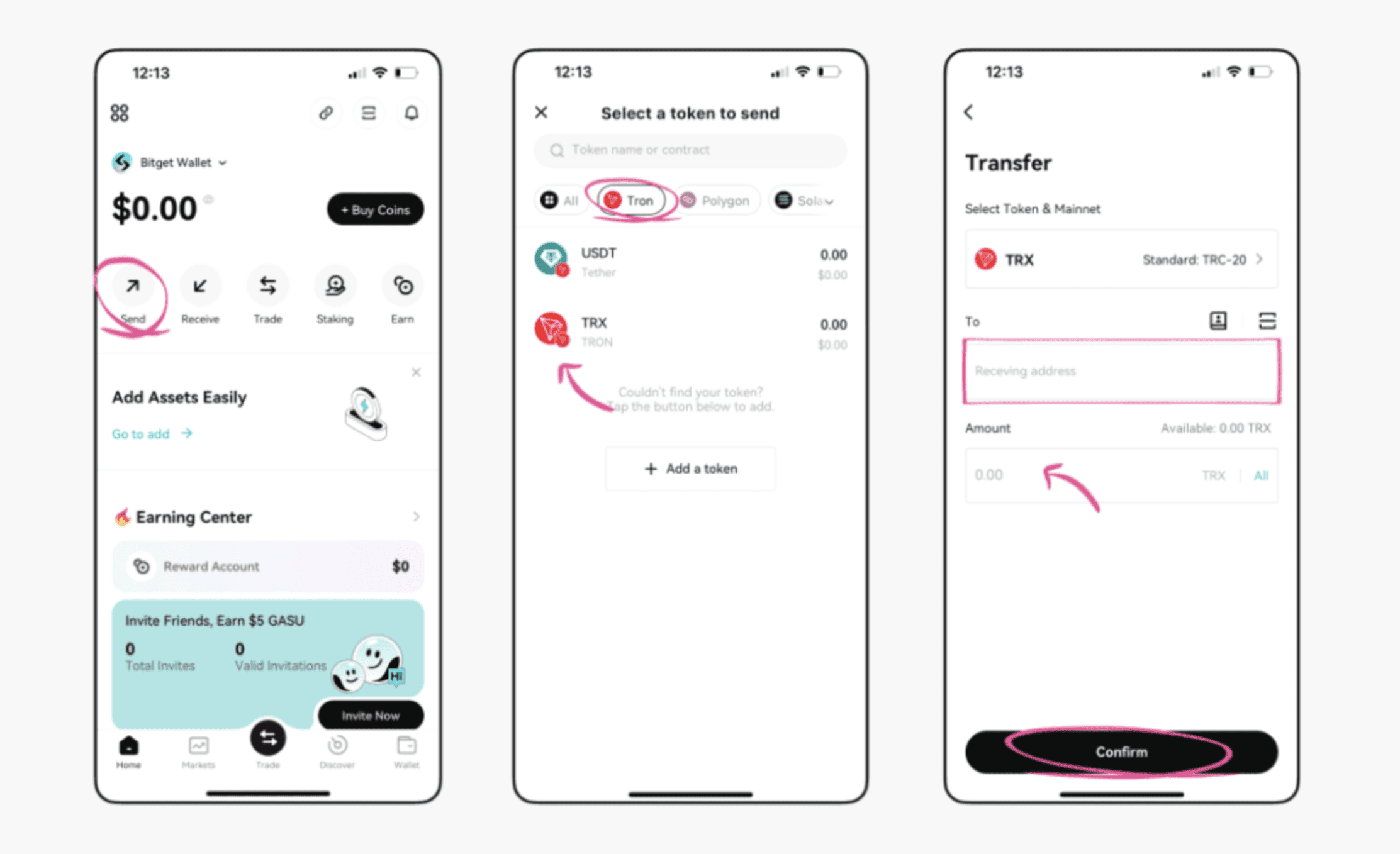
Conclusion
The launch of USD.AI (CHIP) via CoinList and its potential future exchange listings marks an important step for the project, bringing greater visibility to its AI infrastructure financing model within the crypto market. With its unique combination of GPU-backed collateral, stablecoin issuance (USDai), and DAO governance, USD.AI (CHIP) stands out as a project to watch as the AI + DeFi (DePIN + RWA) narrative continues to grow.
If you’re planning to get involved, early participation—whether through token sale access, governance, or ecosystem incentives—may offer long-term opportunities, especially as demand for AI compute infrastructure expands.
When it comes to managing your assets, Bitget Wallet makes everything simple. With secure self-custody, cross-chain support, and a beginner-friendly design, it’s the easiest way to stay ahead in Web3.
Download Bitget Wallet for faster cross-chain trending trades, perfect for beginners.
Sign up Bitget Wallet now - grab your $2 bonus!
FAQs
1. What is the US.DAI (CHIP) listing?
The US.DAI (CHIP) listing refers to the process of the CHIP token becoming available to the public, starting with its CoinList token sale. It marks the initial phase before potential exchange listings where users can trade the token.
2. When will US.DAI (CHIP) be listed on exchanges?
As of now, US.DAI (CHIP) has not confirmed any official exchange listing date. Trading availability is expected after token distribution, depending on future exchange announcements.
3. Where can I buy US.DAI (CHIP) after listing?
After listing, US.DAI (CHIP) may be available on centralized or decentralized exchanges depending on partnerships and liquidity deployment. Users can also access the token initially through platforms like CoinList during its launch phase.
Risk Disclosure
Please be aware that cryptocurrency trading involves high market risk. Bitget Wallet is not responsible for any trading losses incurred. Always perform your own research and trade responsibly.

 Top Arc Tokens and Memecoins: What’s Trending on Arc Mainnet2026-09-16 | 5 mins
 Circle Arc Mainnet Launch: What Is Arc and Why Does It Matter?2026-09-14 | 5 mins
- Top Robinhood Chain Memecoins 20262026-09-09 | 5 mins



