How to Buy ADR in 2026: A Beginner’s Step-by-Step Guide to American Dollar Reserve
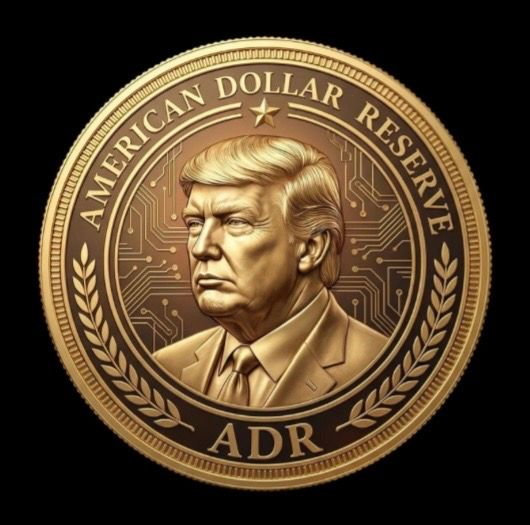
How to buy ADR is a question many traders ask when they encounter American Dollar Reserve (ADR) in the Solana ecosystem. ADR is a Solana-based SPL token built around the narrative of a digital “reserve currency for the new world,” but unlike traditional stablecoins, it is not pegged to the U.S. dollar. Instead, its price is determined by on-chain liquidity pools, trading demand, and market sentiment.
ADR trades mainly through on-chain liquidity pools rather than traditional exchange order books, so the buying process typically involves swapping tokens through a Solana-compatible wallet. In this article, you’ll learn how to buy ADR step by step, where the token is usually traded, and what factors traders should understand before interacting with ADR.
Key Takeaways
- ADR is a Solana-based narrative token built around the idea of a digital “American dollar reserve.” Despite the dollar-themed branding, its price is not pegged to USD and instead moves according to on-chain liquidity, trading demand, and market sentiment.
- Learning how to buy ADR on-chain requires verifying the ADR contract address and using a reliable wallet. Confirming the correct contract helps avoid fake tokens and ensures swaps are executed through legitimate liquidity pools.
- Many traders access ADR liquidity through decentralized swaps using Bitget Wallet. A non-custodial wallet allows users to trade ADR directly on-chain while maintaining full control over their funds and private keys.
What Is American Dollar Reserve (ADR)?
American Dollar Reserve (ADR) is a Solana-based SPL token built around the narrative of a digital “American dollar reserve for the new world.” Despite the dollar-themed branding, ADR is not a stablecoin and is not pegged to the U.S. dollar. Instead, its price is determined entirely by on-chain liquidity pools, trading demand, and market sentiment within the Solana ecosystem.
Within the Solana token landscape, ADR functions as a narrative-driven micro-cap asset whose market behavior is shaped by liquidity depth, trading participation, and visibility across decentralized exchanges. As a result, ADR price movements typically reflect changes in liquidity conditions and market attention rather than a guaranteed reserve or redemption mechanism.
What makes American Dollar Reserve (ADR) different from utility tokens?
-
Narrative vs utility:
American Dollar Reserve (ADR) is generally categorized as a narrative-driven Solana token rather than a utility token tied to a functioning platform. Its branding centers on the idea of a digital “American dollar reserve,” but it does not provide protocol governance rights, revenue sharing, or a defined application ecosystem.
-
Price driver:
The ADR price is mainly driven by market sentiment, trading participation, and liquidity depth rather than product adoption or financial fundamentals. Like many narrative tokens, its value tends to fluctuate based on market attention, trading volume, and exposure within the Solana ecosystem.
-
Where it trades:
ADR exists as an SPL token on the Solana blockchain and typically trades through on-chain liquidity pools on Solana-based decentralized exchanges (DEXs). Prices are determined by automated market maker (AMM) pools where trading activity directly affects the token’s market value.
Source: Bitget Wallet
Is American Dollar Reserve (ADR) a scam or just high-risk?
American Dollar Reserve (ADR) should not automatically be classified as a scam, but it is generally considered a high-risk speculative token. Public information indicates that ADR trades as a Solana-based token without verified evidence of a 1:1 U.S. dollar reserve or audited backing, meaning its value is largely determined by market activity rather than a confirmed reserve mechanism.
Because ADR mainly trades through decentralized liquidity pools, the risks typically come from limited transparency, relatively small liquidity pools, and the possibility of copycat tokens or sudden price spikes driven by speculation. Market reports also describe ADR as a micro-cap asset with high volatility, which can lead to sharp price swings depending on trading volume and sentiment.
What users should do before trading ADR:
- Verify the official ADR contract address before executing any swap
- Avoid interacting with unofficial links or duplicate tokens
- Review liquidity depth and holder concentration in the trading pool
Taking these verification steps helps reduce the risk of interacting with fake tokens or entering thin liquidity pools, which are common concerns when trading newly launched or narrative-driven crypto assets.
Where to Buy ADR?
When users ask “where to buy ADR,” they are usually looking for the best combination of convenience, safety, and execution quality. The key decision is the custody model: custodial platforms hold assets on behalf of users, while on-chain swaps allow traders to buy ADR directly from their own wallet through decentralized liquidity pools.
In practice, where to buy ADR depends on token listings and available liquidity. Because American Dollar Reserve (ADR) exists as a Solana SPL token, trading typically occurs through on-chain liquidity pools on Solana-based decentralized exchanges, where users swap tokens directly from their wallet rather than relying on centralized exchange order books.
Comparison of ADR Buying Methods
| Buying Method | Custody Model | Execution | Control | Recommended For | Main Risks |
| On-chain Swap (DEX via Wallet) | Non-custodial | User-controlled | High | DeFi users | Contract impersonation, slippage |
| On-chain UEX (via Exchange) | Custodial | Platform-managed | Medium | Users wanting simplified access | Custodial exposure |
| Centralized Exchange (CEX) | Custodial | Platform-managed | Low | Beginners | Withdrawal restrictions |
Why Many Users Buy ADR With Bitget Wallet?
If American Dollar Reserve (ADR) liquidity is mainly on-chain, a non-custodial wallet helps you swap while keeping control of assets. Bitget Wallet also supports cross-chain access and helps reduce common beginner mistakes like interacting with impersonation tokens.
What Bitget Wallet Helps With?
✅ Self-custody and asset control Users retain full ownership of private keys and funds, reducing exposure to custodial and platform-related risks.
✅ On-chain swaps with transparent execution Explore over 1M tokens with real-time in-app rankings—discover trending assets early and stay ahead of the market.
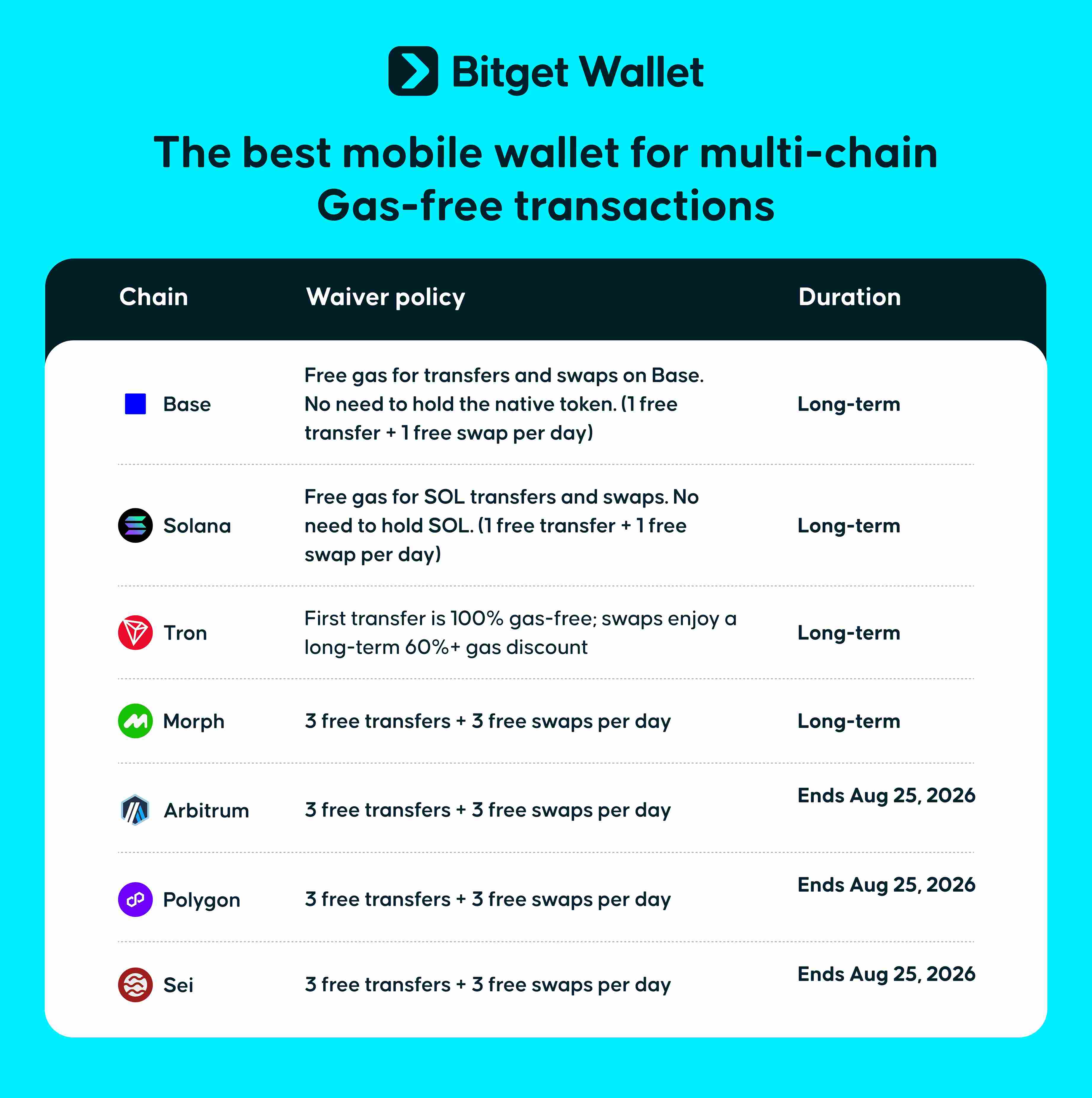
✅ Multi-chain access with cost-efficient execution Bitget Wallet supports 130+ blockchains, including 7 major networks such as Solana, Base, Arbitrum, Polygon, Tron, and more. This allows users to buy, hold, and manage ADR across different ecosystems without being locked into a single chain environment.
On supported networks, users can also benefit from gas-free transactions or long-term gas discounts, helping reduce execution costs when swapping, transferring, or managing assets across chains—an advantage for users who trade frequently or operate across multiple ecosystems.
✅ Flexible post-purchase asset management After buying ADR, users can hold, transfer, or manage assets freely across supported chains without withdrawal limits or third-party restrictions, making it easier to adapt to changing liquidity or market conditions.
Sign up Bitget Wallet now - grab your $2 bonus!
How to Buy ADR on Bitget Wallet?
One of the easiest ways to trade ADR is through Bitget Wallet, which allows users to access Solana tokens and swap them directly on-chain:
Step 1: Create an Account
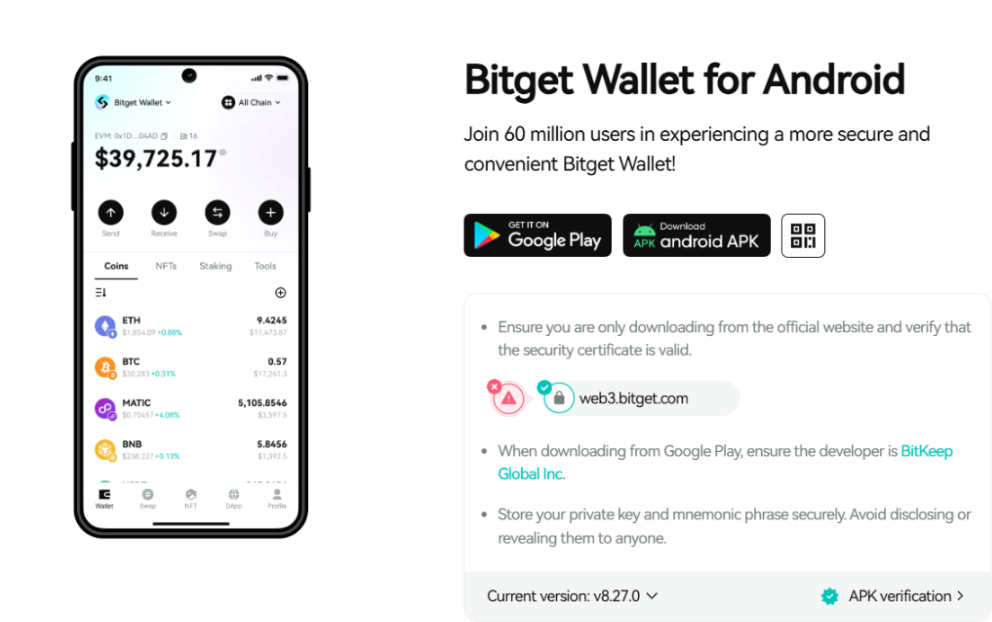
If you don't currently have an account, install the Bitget Wallet app. Register by inputting the required details and confirming your identity.
Step 2: Deposit Funds
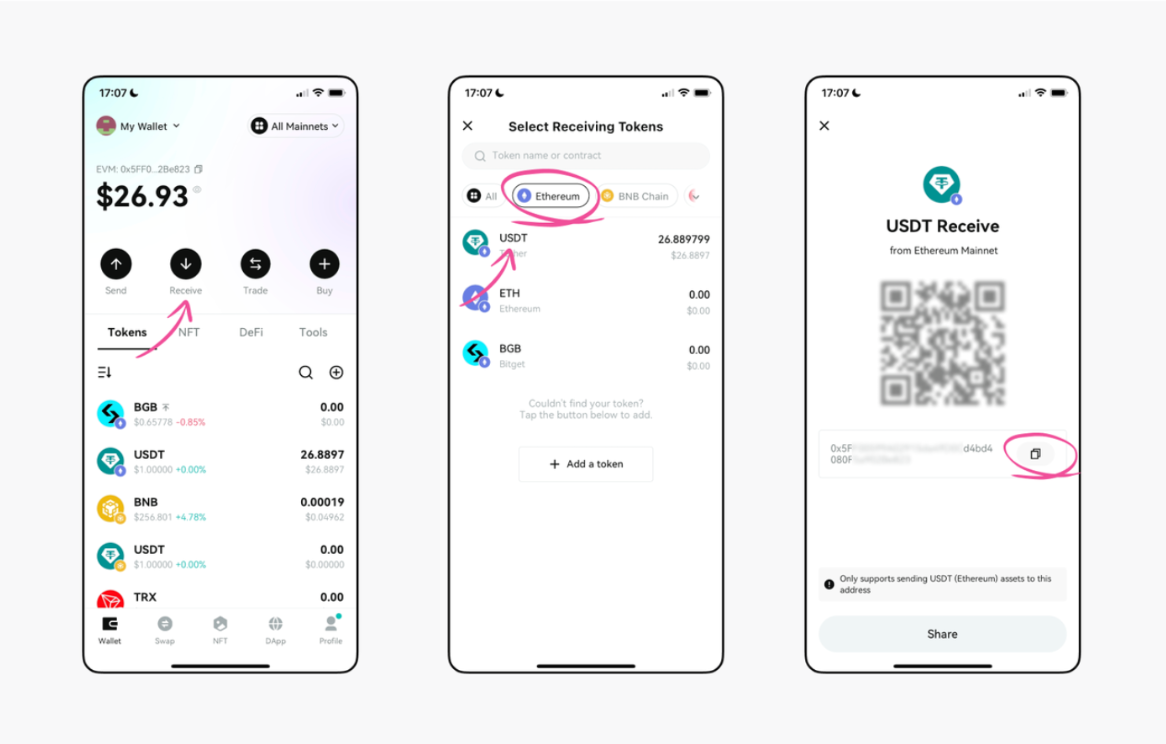
After setting up an account, you must deposit money. You can do this by:
- Transferring Cryptocurrency: Transfer crypto from a different wallet.
- Purchasing Crypto: Utilize a credit or debit card to buy crypto directly from Bitget Wallet, making sure you have sufficient capital for trading American Dollar Reserve (ADR).
Step 3: Find American Dollar Reserve (ADR)
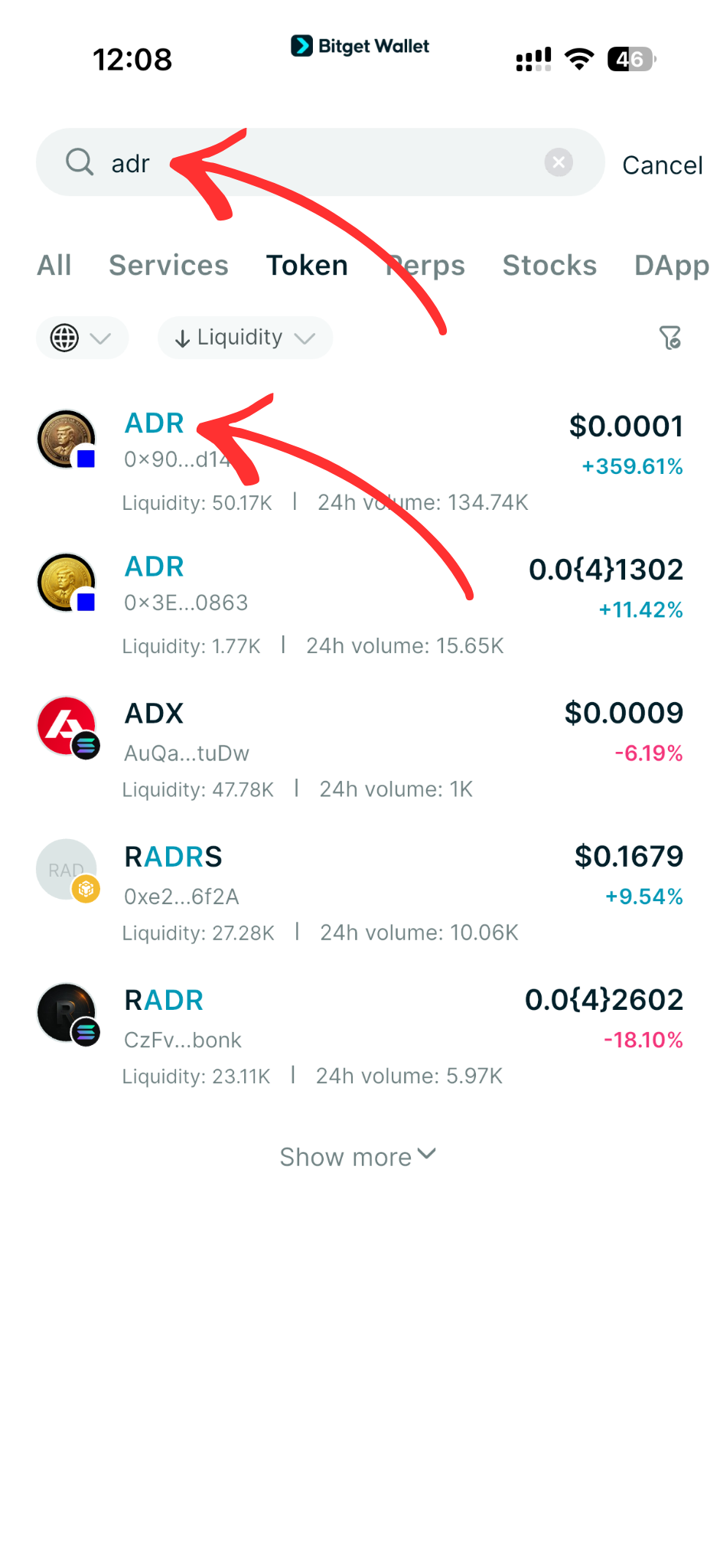
On the Bitget Wallet platform, go to the market area. Search for American Dollar Reserve (ADR) using the search function. Click on the token to access its trading page.
As this token has not been listed yet, please look at the last contract address sent by the project team upon listing of the token.
Step 4: Choose Your Trading Pair
Select your trading pair you would like to deal with, for instance, ADR/USDT.
By doing this, you will be able to exchange American Dollar Reserve (ADR) for USDT or any other cryptocurrency.
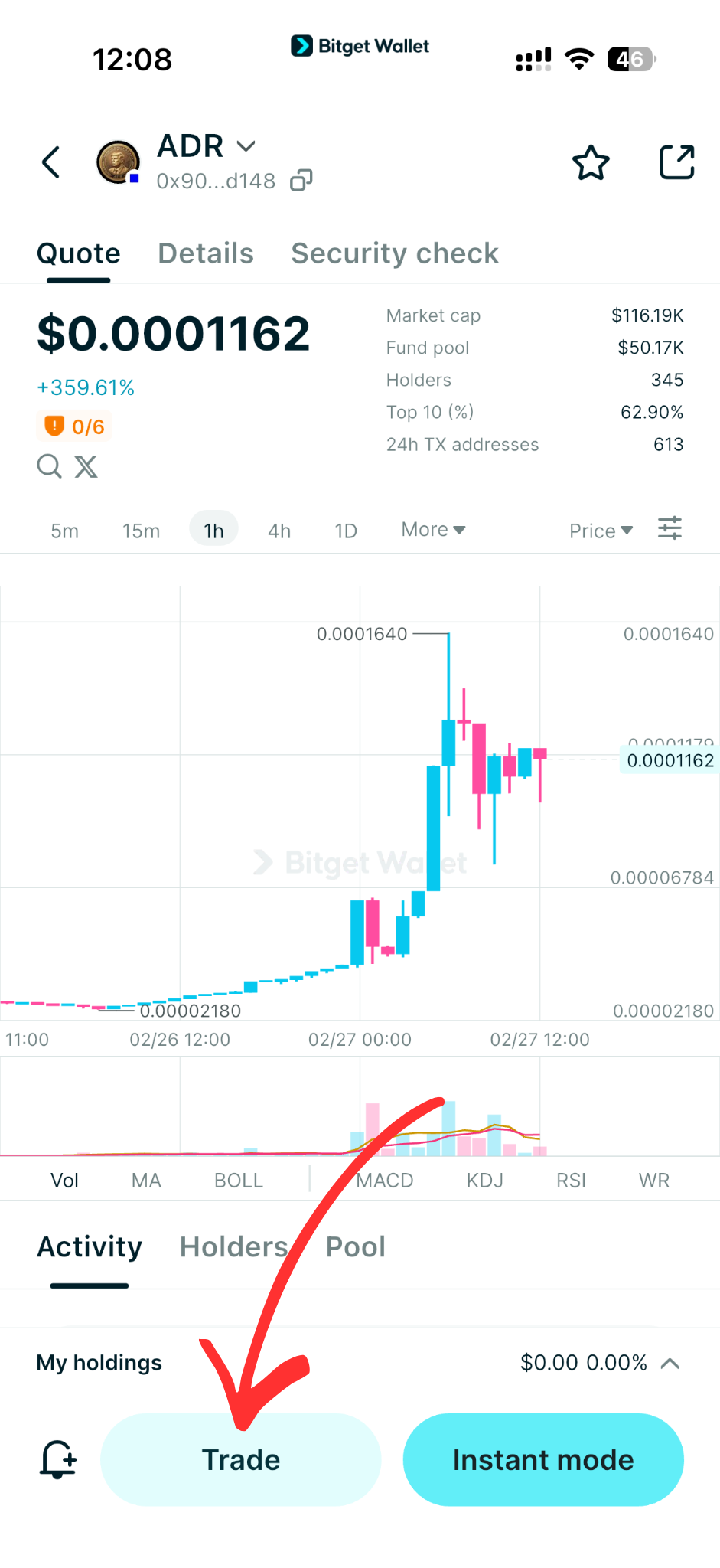
Step 5: Place Your Order
Choose whether to carry out a market order—either buy or sell at the prevailing rate—or place a limit order at your desired price. Fill in the amount of American Dollar Reserve (ADR)you want to exchange, then proceed to confirm in order to complete the trade.
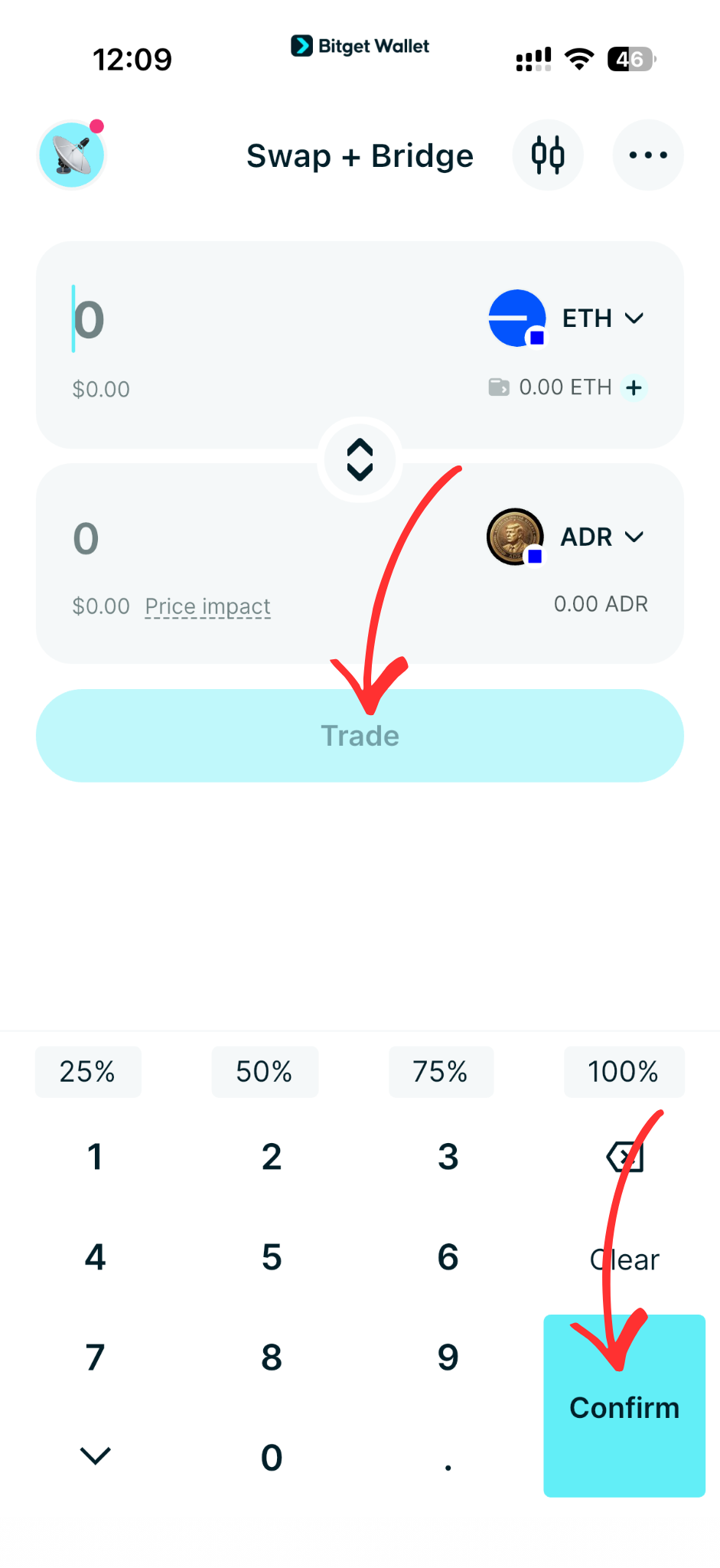
Step 6: Monitor Your Trade
Once you have ordered, you can track the status of your order under "Open Orders." Upon completion of the order, you can view your balance to see the newly purchased American Dollar Reserve (ADR).
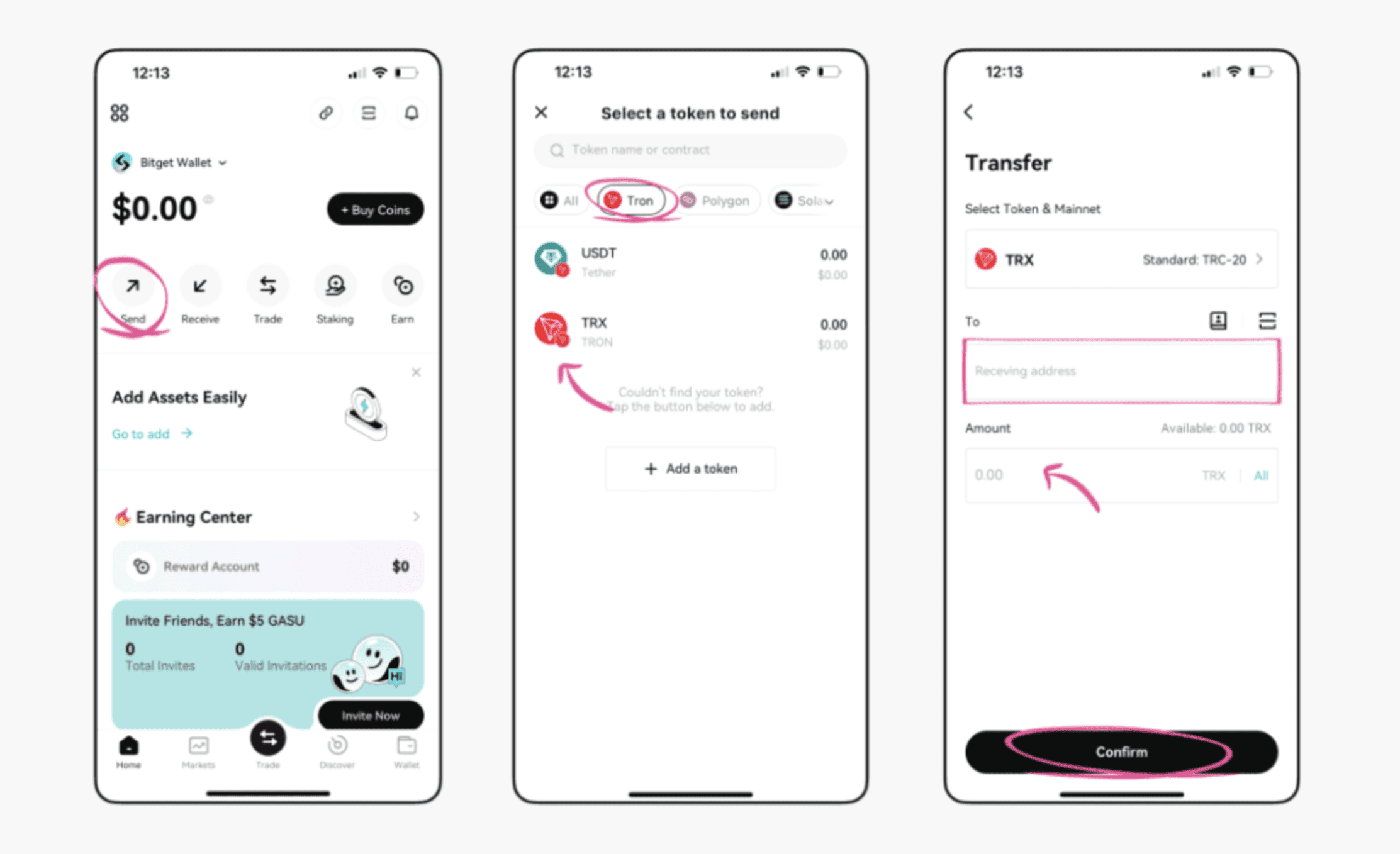
Step 7: Withdraw Your Funds (Optional)
If you want to transfer your American Dollar Reserve (ADR) or any other cryptocurrency to another wallet, go to the withdrawal section, provide your wallet address, and confirm the transaction.
▶Learn more about American Dollar Reserve (ADR):
What Should You Know About ADR Price Volatility?
American Dollar Reserve (ADR) is a narrative-driven Solana token, meaning its price volatility is mainly influenced by market sentiment and on-chain liquidity conditions rather than traditional financial fundamentals. Because ADR trades through decentralized liquidity pools, its price can change quickly depending on trading demand and market attention within the Solana ecosystem.
ADR can experience sharp price fluctuations because narrative tokens often react to changes in trading activity, social attention, and liquidity depth. When liquidity pools are relatively small, even moderate trades can move the price significantly, which is why ADR volatility should be treated primarily as a risk characteristic of micro-cap tokens rather than a predictable opportunity.
ADR Price Prediction: How High Can American Dollar Reserve Go?
Factors such as market sentiment, liquidity depth, and trading activity influence the valuation of American Dollar Reserve (ADR). Because ADR functions as a narrative-driven Solana token rather than a reserve-backed stablecoin, its price tends to fluctuate with trading demand and on-chain liquidity conditions. Based on typical micro-cap trading behavior for Solana narrative tokens, ADR is often expected to move within a high-volatility range of roughly $0.001–$0.01 during early liquidity stages, though this range can change quickly depending on market participation.
Key Drivers of American Dollar Reserve (ADR) Price Movement
Several factors shape the potential value of American Dollar Reserve (ADR):
- Market Dynamics: ADR’s price is largely determined by on-chain trading activity and liquidity pool depth on Solana DEX platforms. When liquidity pools expand or trading volume increases, the token may experience stronger price stability, while thin liquidity can amplify volatility.
- Adoption & Practical Use Cases: ADR currently functions mainly as a narrative-driven token, meaning its valuation depends more on community attention and trader participation than on a defined application or protocol utility.
- Technological Development & Expansion: The broader Solana ecosystem infrastructure, including decentralized exchange liquidity, wallet accessibility, and network performance, can affect how easily users access and trade ADR.
Future Growth Prospects
If American Dollar Reserve (ADR) continues attracting attention within the Solana narrative-token market, increased trading participation and liquidity expansion could support wider price discovery beyond early micro-cap ranges. However, because ADR remains a speculative asset, its long-term valuation will depend heavily on market sentiment, liquidity growth, and broader crypto market conditions, meaning traders should approach it with caution and proper risk management.
Is ADR Crypto Safe to Invest In?
Whether American Dollar Reserve (ADR) is safe to invest in depends less on the token itself and more on how traders manage risk and execute transactions. Because ADR is a narrative-driven Solana token that trades mainly through on-chain liquidity pools, users must rely on proper verification, liquidity awareness, and disciplined position sizing when interacting with the market.
Key risks to understand
- Fake tokens and impersonation contracts: Copycat tokens with similar names or tickers may appear on decentralized exchanges, making contract verification essential before swapping ADR.
- Low liquidity awareness: If ADR liquidity pools are relatively small, large trades can cause significant slippage and price impact.
- Overexposure to speculative assets: Allocating too much capital to a high-volatility narrative token increases the potential downside if market sentiment changes quickly.
Like most speculative crypto assets, ADR carries inherent market risk, especially because its price is largely influenced by liquidity and market attention rather than stable fundamentals. Investors should always conduct independent research, verify contract details, and manage exposure carefully when interacting with volatile tokens.
How to Approach ADR Volatility With a Smarter Strategy?
Managing ADR volatility requires discipline rather than attempting to predict short-term price movements. Because ADR trades mainly through on-chain liquidity pools, users who focus on risk control, careful execution, and gradual learning are more likely to avoid avoidable mistakes than those chasing rapid market swings.
Approaching volatility as a learning process rather than a profit opportunity can also help users develop practical on-chain skills. Understanding how liquidity pools work, how slippage affects swaps, and how transaction execution behaves on Solana are transferable skills that apply to many other tokens.
Practical approaches
- Observe on-chain liquidity behavior: Check pool depth and trading activity before executing swaps to understand potential price impact.
- Use small position sizes: Start with smaller trades to reduce risk while learning how ADR trading behaves.
- Set clear capital limits: Decide in advance how much capital you are willing to allocate to high-volatility assets.
- Prioritize secure execution: Always verify the ADR contract address and avoid interacting with suspicious tokens or links.
By focusing on disciplined execution and controlled exposure, traders can treat ADR as part of a broader learning process in decentralized markets. Over time, these habits help build stronger on-chain decision-making skills that remain valuable regardless of which tokens are being traded.
Which Crypto Wallet Is the Best Choice to Buy ADR: Bitget Wallet
When users search for the best wallet to buy ADR, they usually focus on three things: security, liquidity access, and reliable transaction execution. Because American Dollar Reserve (ADR) trades mainly through on-chain liquidity pools on Solana, a non-custodial wallet is often the most practical way to access the token.
Unlike custodial platforms that hold assets on behalf of users, non-custodial wallets allow traders to interact directly with decentralized exchanges while maintaining control of private keys. This approach is particularly relevant for tokens like ADR that may appear on on-chain markets before broader exchange listings.
Why Many Traders Choose Bitget Wallet to Buy ADR?
For tokens like American Dollar Reserve (ADR) that primarily trade through on-chain liquidity pools, a non-custodial wallet can provide direct access to decentralized markets while keeping control of assets in the user’s hands. Bitget Wallet is often used for this purpose because it allows traders to interact with Solana-based liquidity pools without relying on a custodial exchange account.
| Self-custody | • Users keep full control of private keys and assets • Reduces custodial risk compared with centralized platforms | | --- | --- | | On-chain swap access | • Ability to interact with decentralized liquidity pools • Many new tokens appear on DEX before exchange listings | | Multi-chain compatibility | • Bitget Wallet supports 130+ blockchains • Allows users to access liquidity across ecosystems | | Trading interface | • Built-in token discovery and swap tools • Simplifies execution for beginners |
Because many new tokens first appear in decentralized liquidity pools, on-chain wallets often provide the earliest access to emerging assets before centralized exchanges list them. Integrated swap tools also improve execution efficiency by allowing users to locate liquidity and complete transactions directly within the wallet interface.
Sign up Bitget Wallet now - grab your $2 bonus!
FAQs
1. How to buy ADR safely as a beginner?
To buy ADR safely, verify the official ADR contract address and use a trusted wallet before executing any swap. Beginners should also avoid interacting with unknown liquidity pools or unofficial links that may lead to fake tokens.
2. Where can I buy ADR?
ADR is typically purchased through on-chain swaps on Solana-based decentralized exchanges where liquidity pools exist. Many traders access these pools using a compatible crypto wallet.
3. Do I need KYC to buy ADR?
KYC requirements depend on the platform used to buy the token. When buying ADR through on-chain swaps with a non-custodial wallet like Bitget Wallet, users usually do not need to complete identity verification.
4. Is ADR crypto high risk?
Yes, ADR is considered a high-risk narrative token because its price is largely influenced by liquidity and market sentiment. Rapid price changes can occur when trading activity or attention toward the token increases or decreases.
5. How can I avoid fake ADR tokens?
Always confirm the official ADR contract address before swapping the token. Checking the correct contract and liquidity pool details helps reduce the risk of interacting with impersonation tokens.
Risk Disclosure
Please be aware that cryptocurrency trading involves high market risk. Bitget Wallet is not responsible for any trading losses incurred. Always perform your own research and trade responsibly.