What Is Hormuz Reserve Protocol (HRP): Why Traders Are Watching This Low-Cap Solana Token Closely
What is Hormuz Reserve Protocol (HRP)? Hormuz Reserve Protocol (HRP) is not just an ordinary token; it represents a narrative-driven crypto asset built around geopolitical and energy market themes, particularly the strategic importance of the Strait of Hormuz—one of the world’s most critical oil transit chokepoints. In the realm of on-chain trading and speculative crypto markets, HRP combines real-world macro narratives with blockchain infrastructure, positioning itself within the Solana ecosystem as a sentiment-driven token rather than a utility protocol.
With support driven primarily by retail traders, decentralized exchange (DEX) liquidity, and short-term market attention—not institutional backing, Hormuz Reserve Protocol (HRP) reflects a broader trend of narrative-based tokens gaining traction in crypto. It currently operates as a micro-cap asset with a fixed supply of around 1 billion tokens, typically accessed through DEX environments rather than major centralized listings. This article will guide you through every aspect of Hormuz Reserve Protocol (HRP), helping you understand its structure, risks, and how it behaves within the broader on-chain market landscape.
For users looking to participate, Bitget Wallet offers Secure Stablecoin Storage + Hot Memecoin Trading + Seamless Cross-chain Experience, making it a practical tool for accessing and managing tokens like HRP on-chain.
Key Takeaways
- Hormuz Reserve Protocol (HRP) is a Solana-based, narrative-driven token, not a utility protocol—its value is largely shaped by sentiment, news, and on-chain trading activity.
- Market participation is driven by retail traders and DEX liquidity, with no confirmed institutional backing or fully developed product ecosystem.
- HRP carries high volatility and risk, as price movements depend on attention cycles, liquidity depth, and short-term speculative interest rather than fundamentals.
A Deep Dive into Hormuz Reserve Protocol: What Is $HRP?
Hormuz Reserve Protocol (HRP) is a narrative-driven token based on the Solana blockchain that represents a modern interpretation of geopolitical and macroeconomic themes tied to global oil supply routes. The project embodies the following values:
- Narrative-driven market positioning
- On-chain liquidity participation
- Speculative trading aligned with real-world events
Hormuz Reserve Protocol (HRP) does not function as a traditional utility protocol—instead, it applies real-world macro narratives to the on-chain trading environment, forming a community centered around sentiment, liquidity flows, and short-term market attention.

Source: Bitget Wallet
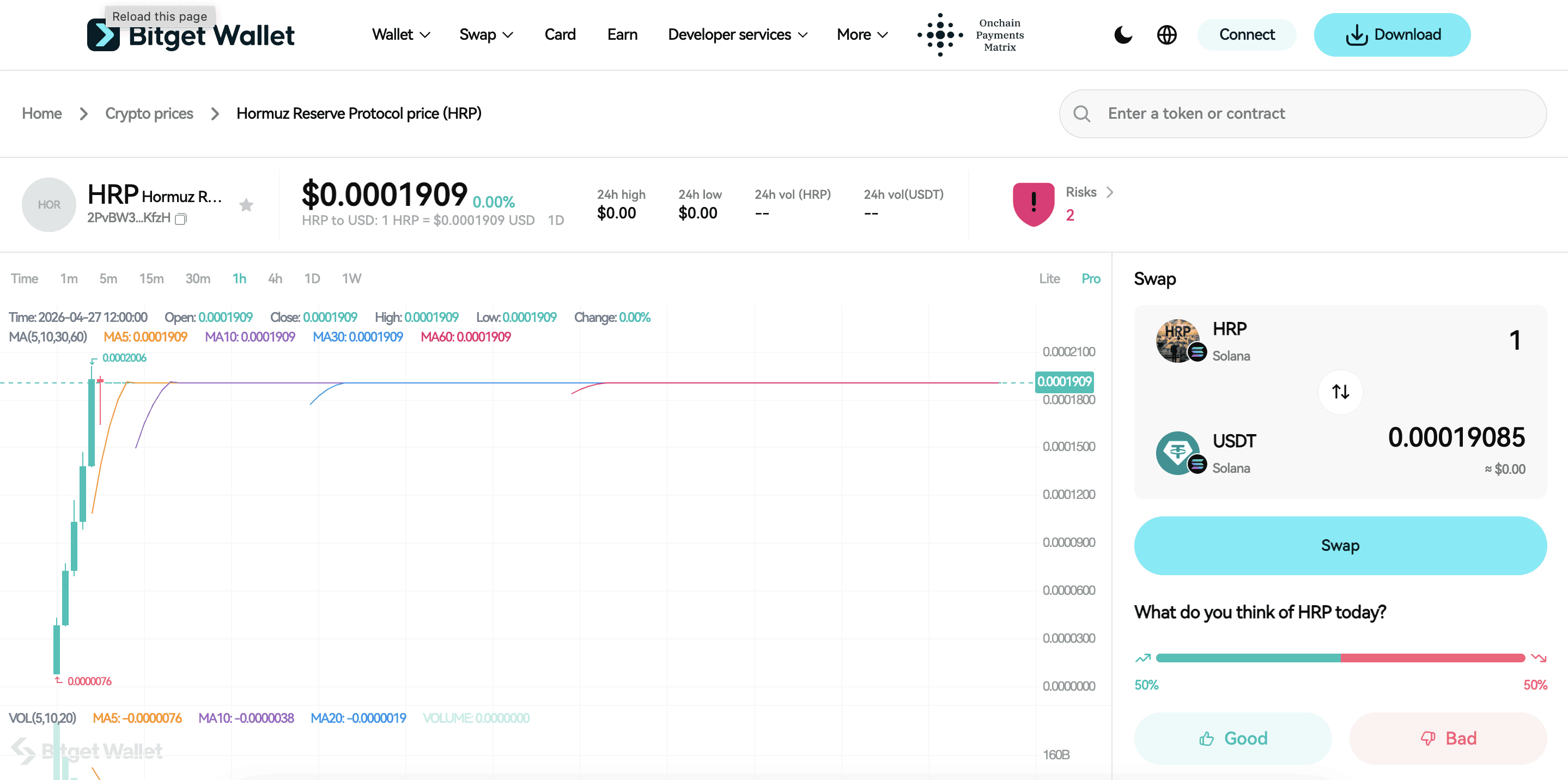
Hormuz Reserve Protocol (HRP) is gaining attention as a micro-cap Solana token tied to real-world geopolitical narratives, particularly recent developments around the Strait of Hormuz. Following reports that the waterway—responsible for roughly 20% of global oil shipments—reopened after disruption, crypto markets reacted alongside broader risk assets, reinforcing the relevance of energy-linked narratives in trading activity. Within this context, HRP has emerged as a high-volatility, low-liquidity token, with market data showing a sub-$30K market cap and active DEX trading volume, highlighting its early-stage and speculative nature . Rather than being driven by fundamentals, HRP’s momentum reflects a broader trend where macro headlines and sentiment cycles directly influence on-chain narrative tokens.
Hormuz Reserve Protocol (HRP) Listing: Key Details and Trading Schedule
1. Key Listing Information
Here are the important details about the Hormuz Reserve Protocol (HRP) listing:
- Exchange: To be announced
- Trading Pair: HRP/USDT
- Deposit Available: To be announced
- Trading Start: To be announced
- Withdrawal Available: To be announced
Don’t miss your chance to start trading Hormuz Reserve Protocol (HRP) on exchanges once an official listing is confirmed and be part of its evolving market narrative.
- Please refer to the official announcement for the most accurate schedule.
Hormuz Reserve Protocol (HRP) Price Prediction for 2026: What to Expect?
Factors such as market conditions, liquidity depth, and narrative relevance shape cryptocurrency valuations. As a micro-cap, narrative-driven token, Hormuz Reserve Protocol (HRP) is expected to remain within a highly volatile and unpredictable price range, with movements largely driven by short-term sentiment rather than fundamentals. If geopolitical narratives around energy markets and the Strait of Hormuz intensify, speculative demand could push HRP higher, but any upside remains uncertain and event-driven.
Key Drivers of Hormuz Reserve Protocol (HRP) Price Movement
Several factors shape the potential value of Hormuz Reserve Protocol (HRP):
- Market Dynamics: HRP trades primarily on low-liquidity environments, meaning price can move sharply based on relatively small buy or sell pressure, making it highly sensitive to volatility.
- Adoption & Practical Use Cases: HRP currently has no confirmed utility or product ecosystem, so adoption is limited to trading activity and narrative participation rather than real-world use.
- Technological Development & Expansion: There is no verified roadmap or ongoing development, which limits long-term valuation drivers compared to utility-based projects.
Future Growth Prospects
If Hormuz Reserve Protocol (HRP) continues to attract attention within narrative-driven crypto trading, rising speculative demand could temporarily increase its valuation. However, without clear fundamentals or sustained development, price performance will likely remain tied to market sentiment cycles rather than long-term growth, and investors should approach it with caution due to its high-risk nature.
Source: Bitget Wallet
Hormuz Reserve Protocol (HRP) Key Innovations: Top Reasons to Watch
The standout features of Hormuz Reserve Protocol (HRP) include:
- Narrative-Driven Positioning Hormuz Reserve Protocol (HRP) is built around geopolitical and energy market narratives, particularly the Strait of Hormuz. Its relevance comes from how closely its trading activity aligns with real-world headlines, making it part of a growing class of tokens where sentiment and macro events directly influence price behavior.
- On-Chain Liquidity Access (Solana Ecosystem) As a Solana-based token, HRP benefits from fast execution and low transaction costs, allowing traders to interact with liquidity through decentralized exchanges. This enables quick entry and exit, which is critical for short-term, high-volatility trading environments.
- Early-Stage, High-Volatility Trading Profile HRP operates as a micro-cap token with limited liquidity, which creates sharp price movements and rapid shifts in market direction. While this increases risk, it also explains why some traders monitor it closely—price action is driven by liquidity flows and attention cycles rather than long-term fundamentals.
Understanding Hormuz Reserve Protocol (HRP): The Technology Behind It
Hormuz Reserve Protocol (HRP) is powered by Solana blockchain infrastructure, enabling fast, low-cost transactions typical of SPL tokens. Rather than introducing its own protocol layer, HRP operates as a standard token deployed within the Solana ecosystem, meaning its performance and reliability depend largely on the underlying network rather than custom-built technology.
Key Technological Components
- Blockchain Network: HRP is built on the Solana blockchain, known for high throughput and low transaction fees. This allows traders to execute swaps quickly, which is important for tokens that rely on fast-moving market conditions and short-term liquidity.
- Consensus Mechanism: Solana uses a combination of Proof of History (PoH) and Proof of Stake (PoS) to validate transactions. This hybrid approach enables rapid block production and efficient network synchronization, supporting high-frequency trading activity.
- Smart Contracts: HRP functions as a standard SPL token, meaning it relies on Solana’s token program rather than complex custom smart contracts. This reduces technical complexity but also means there are no advanced protocol features or built-in utility mechanisms.
- Scalability Solutions: Scalability is handled at the network level by Solana, which can process thousands of transactions per second. HRP benefits from this infrastructure, allowing smooth trading even during periods of increased on-chain activity.
Who Leads Hormuz Reserve Protocol (HRP) – Team & Key Partnerships
The Team
There is no publicly disclosed team behind Hormuz Reserve Protocol (HRP). The project does not provide verified information about founders, developers, or an operating organization, which is common among early-stage or narrative-driven tokens. This lack of transparency means users should approach HRP as a community-driven, speculative asset, rather than a project with a clearly defined leadership structure.
Key Partnerships
Hormuz Reserve Protocol (HRP) currently has no confirmed strategic partnerships or institutional collaborations. Its activity is primarily limited to on-chain trading within the Solana ecosystem, without publicly announced integrations, ecosystem alliances, or enterprise involvement. As a result, any growth in attention or trading volume is largely driven by market sentiment and liquidity participation, not external partnerships.
Hormuz Reserve Protocol (HRP) Roadmap Explained: What’s Coming Next?
The roadmap for Hormuz Reserve Protocol (HRP) does not have a publicly verified development plan or official milestones. Instead of a structured product roadmap, its progression is more closely tied to market activity, liquidity conditions, and narrative relevance.
| Quarter | Roadmap |
| Q1 2026 | Initial on-chain activity and early trading phase on Solana-based DEX environments |
| Q2 2026 | Increased visibility driven by geopolitical narratives and short-term trading interest |
| Q3 2026 | Potential expansion in trading volume depending on market sentiment and liquidity growth |
| Q4 2026 | Continued speculative trading phase with outcomes dependent on attention cycles and broader market conditions |
These developments reflect how HRP operates within the narrative-driven segment of the crypto market, where value and activity are influenced more by sentiment and liquidity flows than by traditional product development or utility expansion.
How to Buy Hormuz Reserve Protocol (HRP) on Bitget Wallet?
Trading Hormuz Reserve Protocol (HRP) is easy on Bitget Wallet. Follow these simple steps to get started:
Step 1: Create an Account
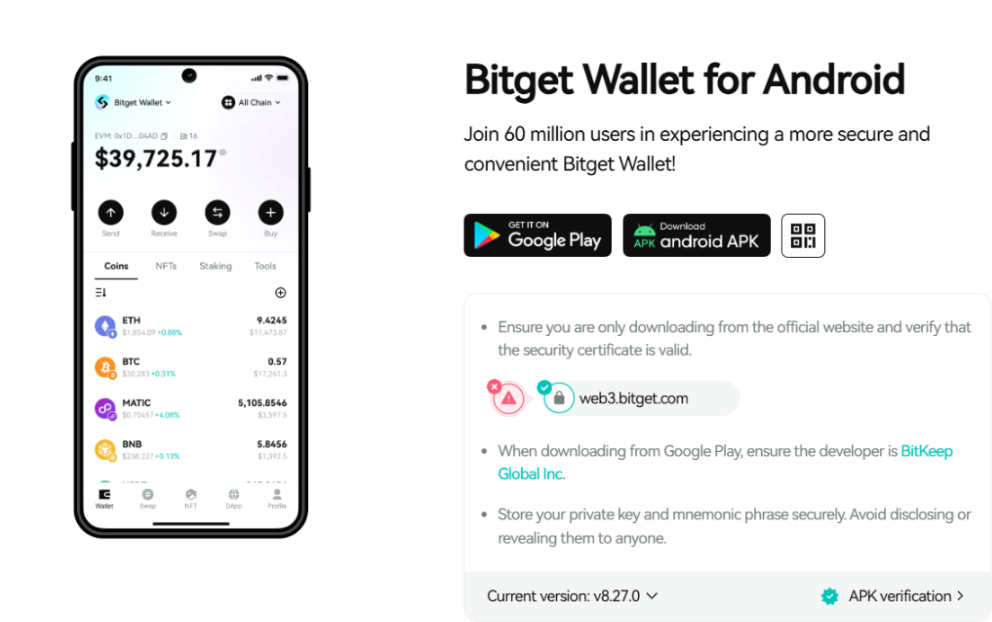
If you don't have an account, download the Bitget Wallet app. Sign up by providing the necessary information and verifying your identity.
Step 2: Deposit Funds
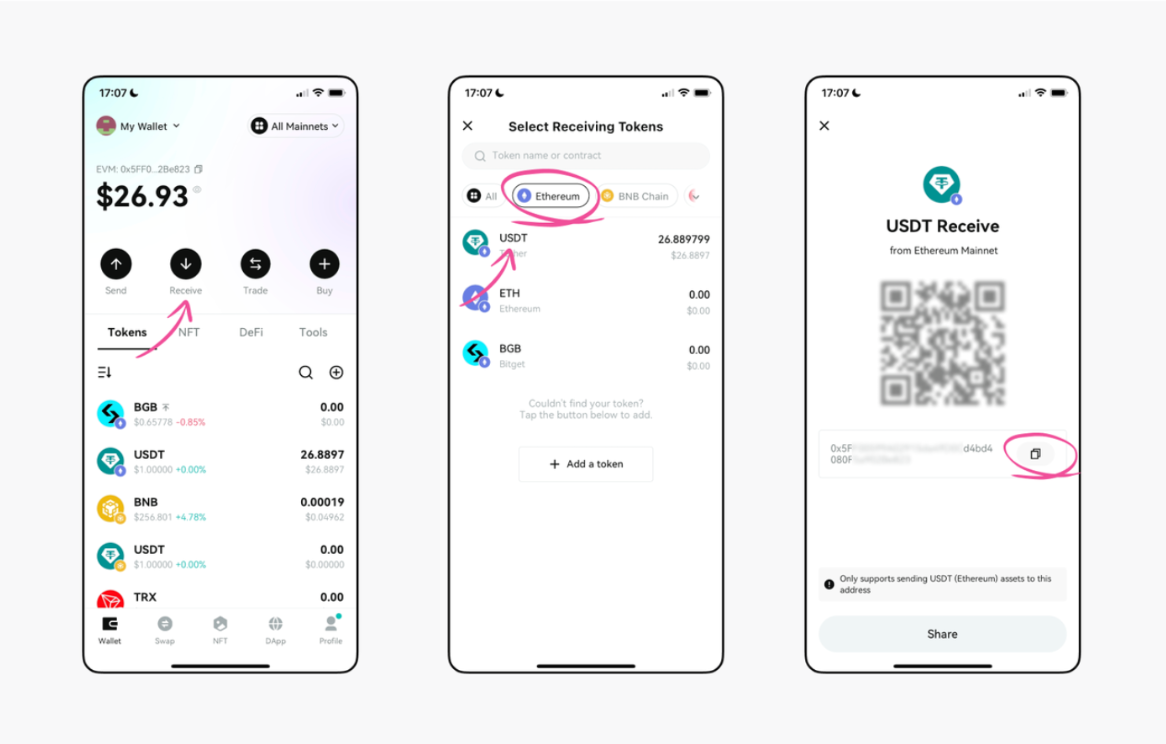
Once your account is set up, you need to deposit funds. You can do this by:
- Transferring Cryptocurrency: Send crypto from another wallet.
- Buying Crypto: Use a credit or debit card to purchase crypto directly on Bitget Wallet, ensuring you have enough funds for trading Hormuz Reserve Protocol (HRP).
Step 3: Find Hormuz Reserve Protocol (HRP)
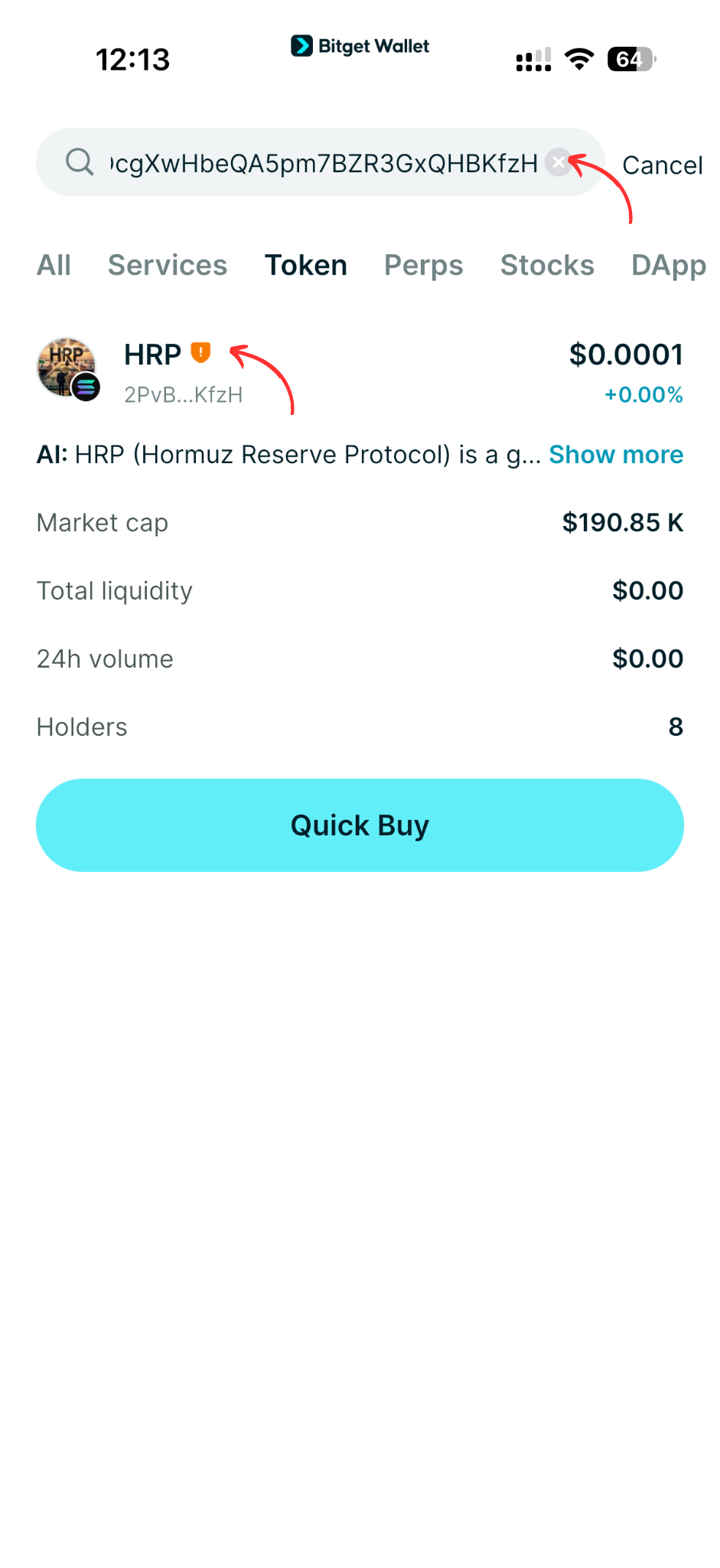
In the Bitget Wallet interface, navigate to the market section. Use the search bar to find Hormuz Reserve Protocol (HRP). Click on the token to view its trading page.
Since this token has not been listed yet, please refer to the final contract address provided by the project team after the token is officially listed.
Step 4: Choose Your Trading Pair
Select the trading pair you wish to use, such as HRP/USDT. This will allow you to trade Hormuz Reserve Protocol (HRP) against USDT or another cryptocurrency.
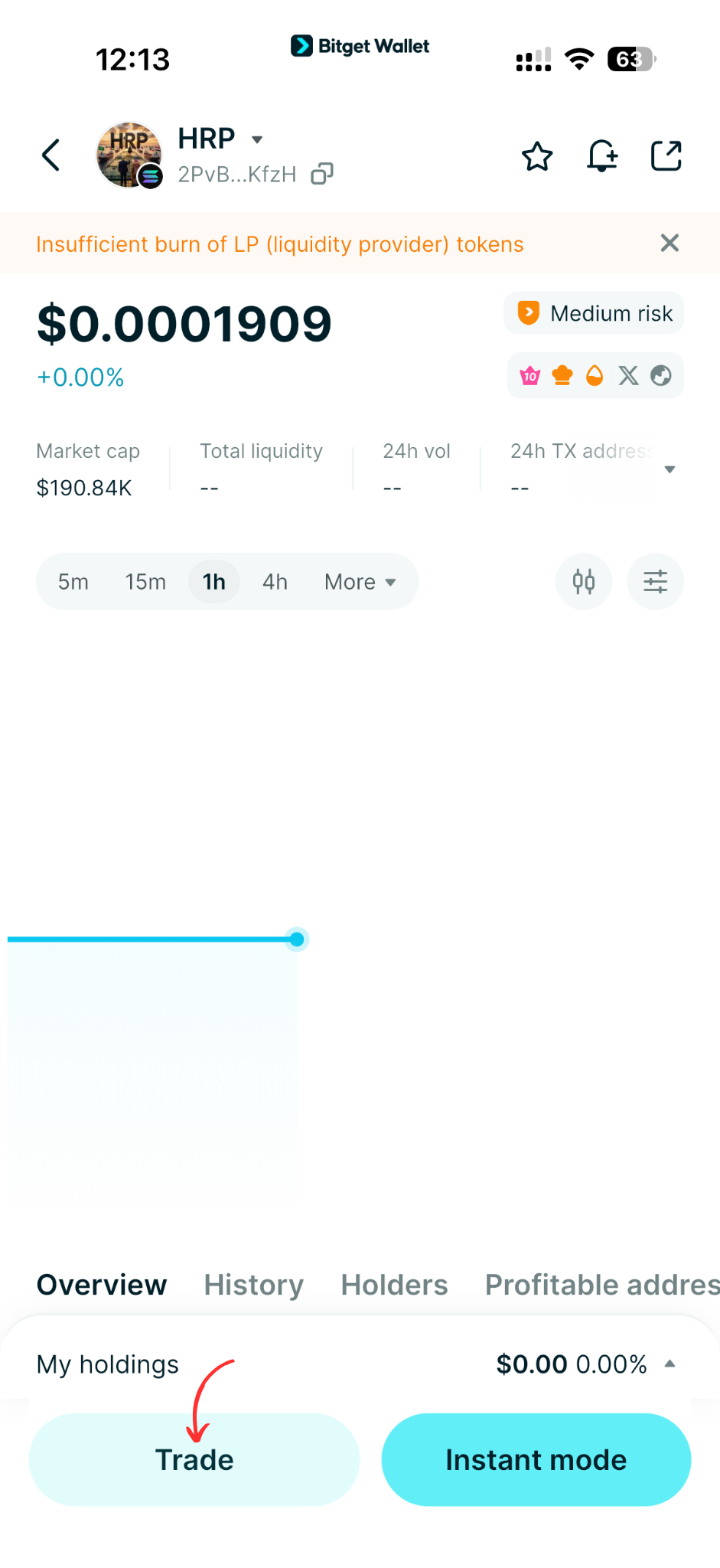
Step 5: Place Your Order
Decide whether you want to place a market order (buy/sell at the current market price) or a limit order (set your own price). Enter the amount of Hormuz Reserve Protocol (HRP) you wish to buy or sell, then confirm your order.
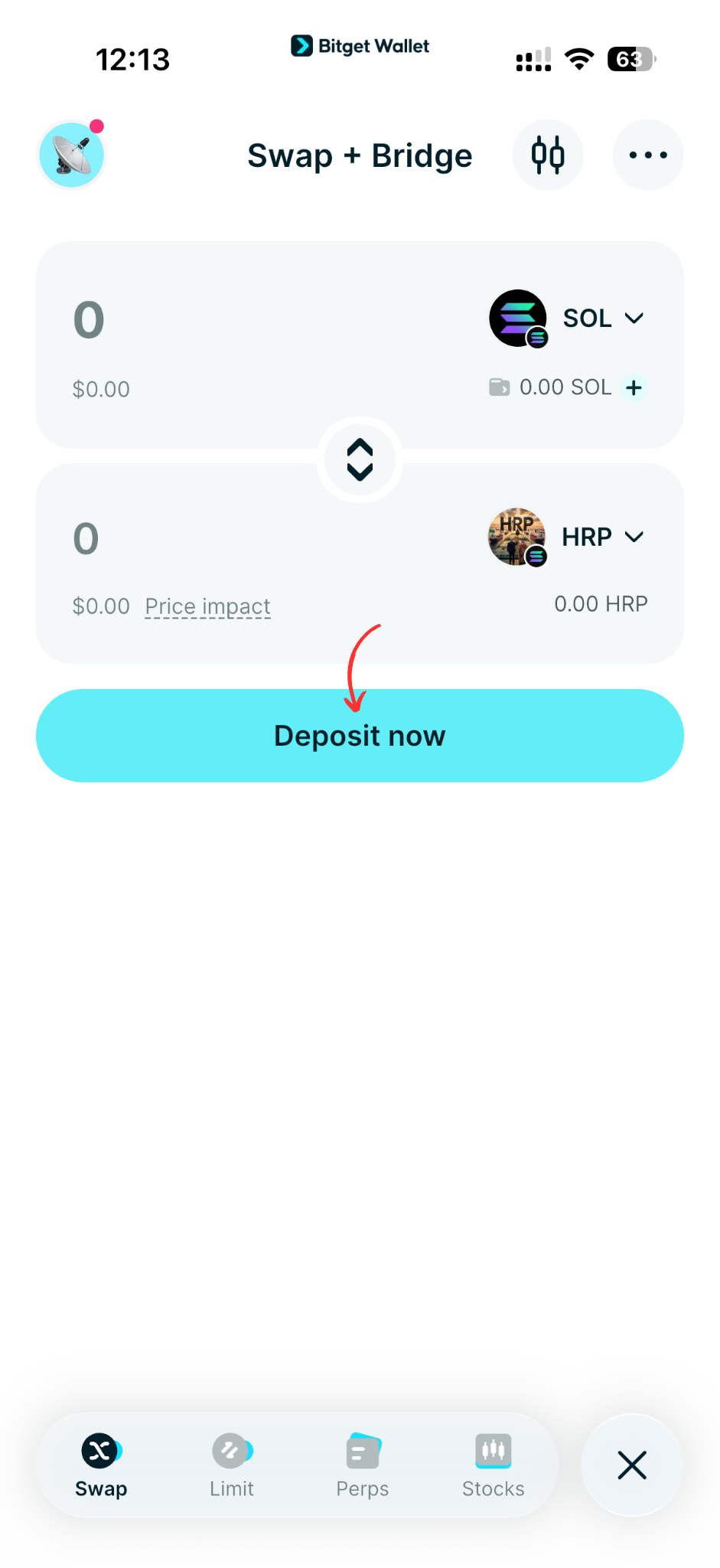
Step 6: Monitor Your Trade
After placing your order, you can monitor its status in the “Open Orders” section. Once the order is executed, you can check your balance to see your newly acquired Hormuz Reserve Protocol (HRP).
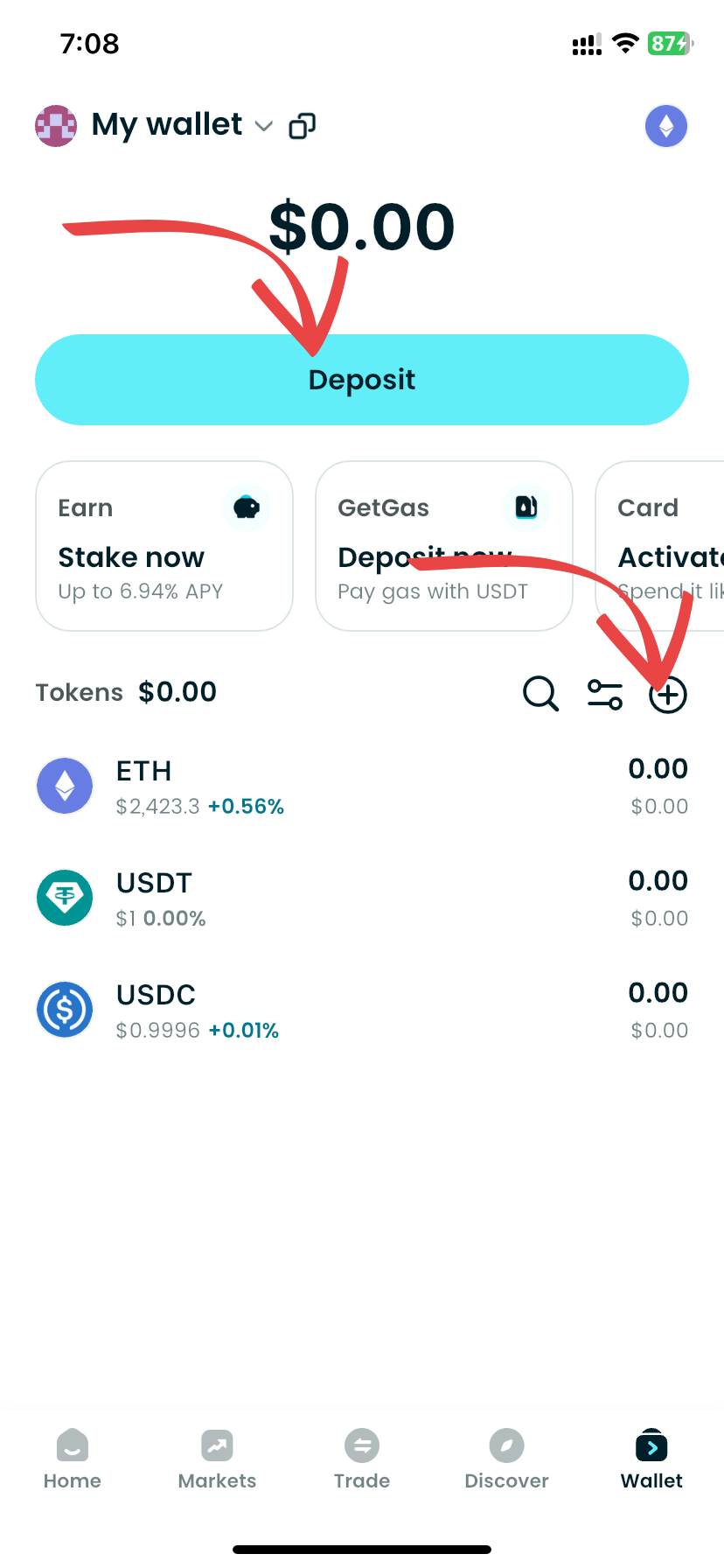
Step 7: Withdraw Your Funds (Optional)
If you wish to transfer your Hormuz Reserve Protocol (HRP) or any other cryptocurrency to another wallet, navigate to the withdrawal section, enter your wallet address, and confirm the transaction.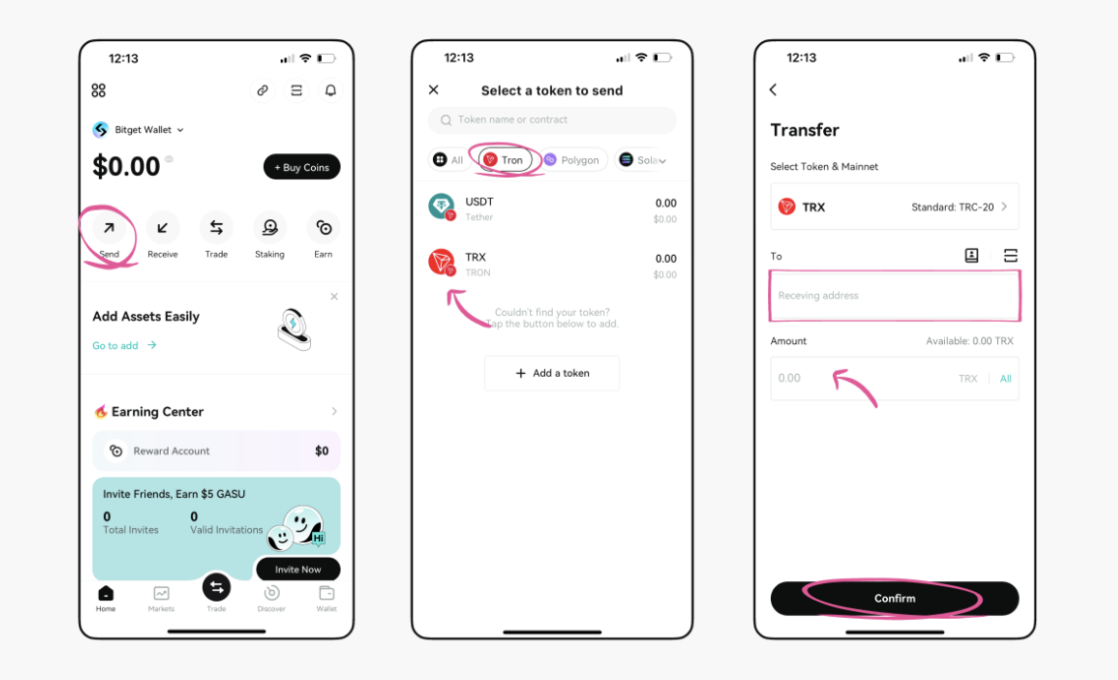
Conclusion
Hormuz Reserve Protocol (HRP) is a Solana-based, narrative-driven token shaped more by market sentiment, liquidity, and geopolitical headlines than by traditional fundamentals or utility. As a micro-cap asset, its price behavior reflects the dynamics of on-chain trading environments, where attention cycles and short-term participation play a major role. This makes HRP a high-risk token that requires careful consideration, especially for users navigating early-stage or low-liquidity markets.
For those looking to access tokens like HRP, using a non-custodial solution such as Bitget Wallet offers clear advantages, including direct access to on-chain liquidity, faster execution, and full control over assets. With features like Stablecoin Earn Plus (up to 10% APY) and zero-fee trading on memecoins and tokenized RWA assets, Bitget Wallet provides a streamlined way to manage, trade, and explore opportunities within the evolving on-chain ecosystem.
Trade, store, and explore Web3 seamlessly – beginner-ready with Bitget Wallet.
Sign up Bitget Wallet now - grab your $2 bonus!
FAQs
1. What is Hormuz Reserve Protocol (HRP)?
Hormuz Reserve Protocol (HRP) is a Solana-based token built around geopolitical and energy-related narratives, particularly the Strait of Hormuz. It functions as a narrative-driven asset where price is influenced more by sentiment and trading activity than utility.
2. Where can I buy Hormuz Reserve Protocol (HRP)?
HRP is primarily available through Solana-based decentralized exchanges using a non-custodial wallet like Bitget Wallet. Availability depends on on-chain liquidity rather than centralized exchange listings.
3. Is Hormuz Reserve Protocol (HRP) a high-risk investment?
Yes, HRP is considered high risk due to its low liquidity, lack of verified fundamentals, and reliance on short-term market sentiment. Price volatility can be significant, especially during shifts in attention or trading volume.
Risk Disclosure
Please be aware that cryptocurrency trading involves high market risk. Bitget Wallet is not responsible for any trading losses incurred. Always perform your own research and trade responsibly.