


Best USDC Yield Strategies: How to Earn Stablecoin Interest?

Best USDC Yield Strategies are becoming a core focus for investors seeking stable, risk-adjusted returns in today’s evolving digital asset markets. As stablecoins mature into an on-chain fixed income alternative, understanding how USDC yield, USDC yield rates, and sustainable stablecoin yield are generated is essential for building long-term capital efficiency. Rather than chasing the highest USDC yield, disciplined investors prioritize liquidity strategy, transparent borrower-driven returns, and controlled smart contract exposure.
With non-custodial infrastructure like Bitget Wallet, users can securely access integrated stablecoin earning tools, manage cross-chain USDC, and monitor real-time yield performance—creating a structured framework for responsible passive income with USDC heading into 2026.Best USDC Yield Strategies are becoming a core focus for investors seeking stable, risk-adjusted returns in today’s evolving digital asset markets. As stablecoins mature into an on-chain fixed income alternative, understanding how USDC yield, USDC yield rates, and sustainable stablecoin yield are generated is essential for building long-term capital efficiency. Rather than chasing the highest USDC yield, disciplined investors prioritize liquidity strategy, transparent borrower-driven returns, and controlled smart contract exposure.
Key Takeaways
- Best USDC Yield Strategies depend on the source of yield and liquidity structure
- USDC yield rates fluctuate with borrowing demand and market conditions
- Sustainable USDC interest rates matter more than promotional or temporary yields
- Smart contract risk and capital efficiency determine actual net returns.
What Is USDC Yield and How Do Best USDC Yield Strategies Work?
USDC yield is generated when capital is deployed into lending protocols, liquidity pools, or structured stablecoin yield models. The Best USDC Yield Strategies balance sustainable USDC interest generation with liquidity access and risk management.
Where Does USDC Yield Come From?
Understanding where USDC yield comes from is critical for investors looking to earn stablecoin interest and optimize the best USDC yield strategies. USDC yield is generated through several interconnected channels, each with its own risk profile, liquidity requirements, and sustainability considerations.
-
Institutional Borrowing that Drives Higher Interest Rates Institutional participants, such as hedge funds and crypto-native companies, frequently borrow USDC for trading, arbitrage, or liquidity operations. This borrowing demand pushes USDC yield rates higher on both centralized and decentralized platforms. By understanding market cycles and institutional activity, investors can strategically allocate USDC to capture sustainable yield while minimizing volatility exposure.
-
Liquidity Incentives Offered by Platforms
Many platforms implement USDC yield strategies that include liquidity mining or reward programs. These incentives provide additional stablecoin yield on top of the base lending interest. For example, users who deposit USDC in specific pools may receive platform-native tokens as rewards. While these incentives can boost returns, investors must assess the long-term sustainability and potential lock-up requirements before committing capital.
-
Real-World Asset Exposure Providing Stable Returns
Some yield products integrate USDC into real-world asset-backed strategies, such as short-term corporate lending, trade finance, or tokenized securities. These avenues often offer lower but more predictable USDC yield, making them suitable for conservative investors seeking steady passive income with USDC. Platforms like Bitget Wallet may aggregate access to such opportunities, allowing users to monitor USDC interest rate and liquidity in a single interface.
By diversifying across these sources, investors can maximize USDC yield while managing liquidity risk and smart contract exposure. Effective allocation and monitoring of these channels are essential components of the best USDC yield strategies.
Why Do USDC Yield Rates Differ Across Strategies?
Investors seeking the best USDC yield strategies often notice that USDC yield rates can vary significantly between platforms and products. Understanding the factors behind these differences is key to optimizing returns while managing risk.
-
Utilization Levels
The proportion of USDC that is actively lent out or deployed in liquidity pools—known as the utilization rate—directly impacts USDC yield. Higher utilization typically means borrowers are paying more for access to USDC, which increases the USDC interest rate for depositors.
-
Risk Pricing
Different platforms and protocols price risk differently. Factors like borrower creditworthiness, protocol governance stability, and smart contract security influence USDC yield rates.
-
Incentive Emissions
Many USDC yield strategies include incentive mechanisms such as token rewards or bonus APY for liquidity provision. These incentives temporarily increase USDC yield rates, but their sustainability depends on platform economics and emission schedules.
-
Liquidity Depth
The depth of liquidity in a given market or pool also affects USDC yield rates. Platforms with deep liquidity can support large withdrawals without significantly affecting yields, whereas shallow liquidity pools may see higher volatility in USDC interest rates.
Stablecoin Earn Plus: A Simplified Way to Access Sustainable USDC Yield
Once investors understand where USDC yield comes from and why USDC yield rates differ across strategies, the next step is selecting infrastructure that combines capital efficiency, smart contract risk mitigation, and liquidity flexibility. Stablecoin Earn Plus on Bitget Wallet is designed to simplify this process, offering a secure, non-custodial platform to optimize your USDC yield strategies.
Key benefits include:
-
Competitive USDC Yield Rates
Stablecoin Earn Plus offers access to some of the most competitive USDC yield rates in 2026. The platform aggregates top-performing USDC yield strategies, ensuring that users capture sustainable returns rather than chasing short-term promotional yields.
-
Flexible Participation Without Lock-Ups
Unlike traditional staking programs that require long-term commitments, Stablecoin Earn Plus allows users to earn yield with high liquidity flexibility. This means funds can be withdrawn or reallocated quickly, enabling investors to respond to changing market conditions while still earning stablecoin interest.
-
Cross-Chain Stablecoin Management
The platform supports seamless cross-chain transfers, letting investors deploy USDC across multiple protocols and ecosystems. This diversification reduces risk, enhances yield stability, and ensures optimal utilization of capital for maximum USDC yield.
****👉Read more: Start Earning USDC Yield with Stablecoin Earn Plus
What Are the Best USDC Yield Strategies for Different Risk Profiles?
The Best USDC Yield Strategies are not one-size-fits-all. Depending on an investor’s liquidity needs, tolerance for smart contract risk, and desired passive income with USDC, different approaches may be more suitable. By understanding the trade-offs between flexibility, yield, and exposure, investors can allocate capital efficiently and maximize stablecoin yield over time.
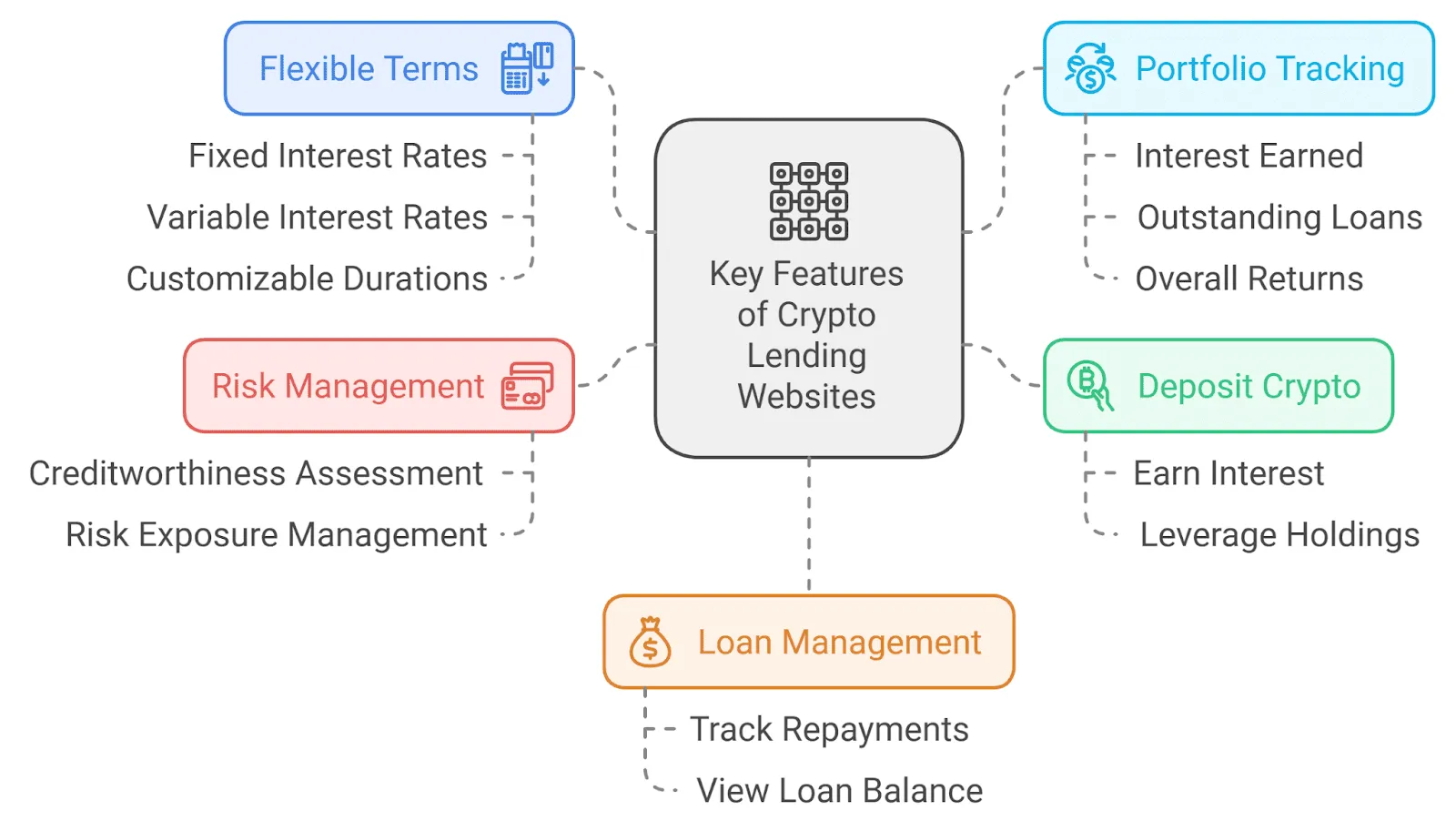
Step 1: Flexible Lending
Flexible lending is ideal for conservative investors who want consistent USDC yield while maintaining high liquidity. This strategy allows investors to deposit USDC into lending protocols where borrowers pay interest, generating USDC yield rates that adjust with market demand.
Source X
Key features:
- Variable USDC interest rate model: Returns fluctuate based on borrowing demand and utilization rates, offering a balance between yield and stability.
- Liquidity strategy flexibility: Funds can typically be withdrawn without long-term lock-ups, allowing investors to respond to market changes.
- Lower lock-up risk: Unlike staking or some liquidity pools, flexible lending prioritizes access to capital while still enabling earn stablecoin interest efficiently.
Flexible lending is suitable for investors seeking steady USDC yield without significant exposure to volatility or smart contract risk.
Step 2: Staking Yield
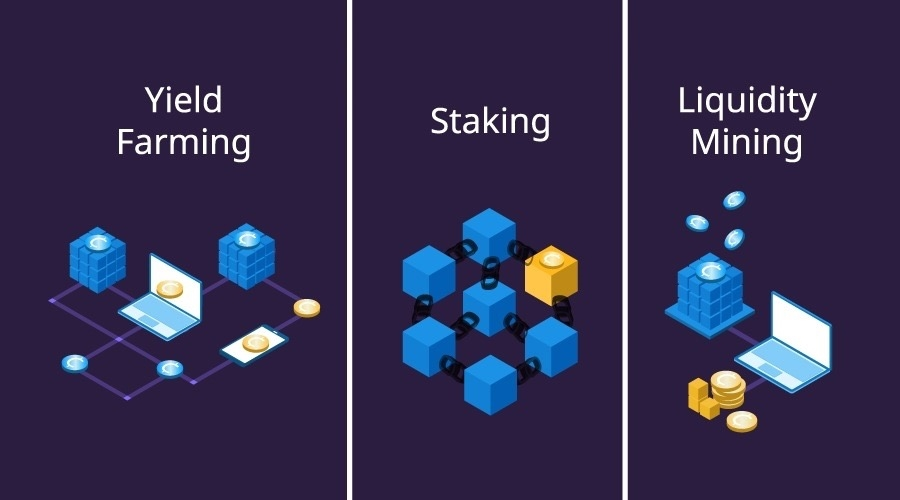
Staking USDC involves committing funds to a protocol in exchange for rewards. While this can produce higher returns, it exposes capital to moderate risk. Staking can be an effective way to achieve the highest USDC yield when combined with a risk-adjusted allocation strategy.
Source X
Key features:
- USDC staking yield explained: Stakers receive rewards either in USDC or protocol-native tokens, which augment the USDC yield rates.
- Smart contract risk exposure: Staking typically requires interacting with protocol contracts for extended periods, so it’s crucial to choose audited platforms with strong security.
- Risk-adjusted yield comparison: Staking may offer higher yields than flexible lending, but investors must weigh potential rewards against smart contract risk and liquidity restrictions.
This strategy suits balanced yield seekers willing to lock funds temporarily to increase their USDC staking yield while carefully monitoring protocol risk.
Step 3: Liquidity Strategies
Liquidity strategies involve providing USDC to decentralized exchanges or automated market maker (AMM) pools, often paired with another asset. These strategies can deliver variable returns and are ideal for advanced investors seeking maximum USDC yield strategies.
Key features:
- Liquidity pools: Investors deposit USDC into pools, earning a share of trading fees and sometimes additional incentive tokens.
- Yield vs volatility: Returns can be higher than lending or staking, but exposure to impermanent loss and price fluctuations requires careful evaluation.
- Capital efficiency optimization: By layering incentives and managing pool allocation, investors can maximize stablecoin yield relative to the capital deployed.
Liquidity strategies are best for investors who understand liquidity strategy mechanics, are comfortable with moderate-to-high risk, and aim to optimize capital efficiency while achieving competitive USDC yield rates.
| Evaluation Criteria | Flexible Lending | Staking Yield | Liquidity Strategies |
| Primary Yield Source | Borrower-driven interest payments | Protocol staking rewards + structured yield | Trading fees + token incentives |
| Typical USDC Yield Range | Low–Moderate | Moderate–High | Variable (Moderate–High) |
| Yield Stability | Relatively stable | Moderate stability (depends on protocol design) | Variable (depends on trading volume & incentives) |
| APY Structure | Mostly variable | Fixed or variable options | Highly variable |
| Liquidity Flexibility | High (withdraw anytime on most platforms) | Medium (may require lock-up) | Medium (LP withdrawal conditions apply) |
| Lock-Up Requirement | Usually none | Often required | Usually none, but exposure exists |
| Redemption Speed | Fast | Moderate | Depends on pool & network conditions |
| Smart Contract Risk | Low–Moderate | Moderate–High | High (multiple contracts involved) |
| Governance Exposure | Limited | Moderate | High (DEX + protocol governance) |
| Impermanent Loss Risk | None | None | Possible (if paired with volatile assets) |
| Capital Efficiency | Moderate | Moderate | High (can layer incentives) |
| Volatility Exposure | None | Minimal | Moderate–High |
| Best For | Conservative income seekers | Balanced yield seekers | Advanced / aggressive investors |
| Complexity Level | Low | Medium | High |
| Monitoring Requirement | Low | Medium | High |
| Sustainability of Yield | Strong (if borrower demand remains stable) | Depends on reward emissions | Depends on trading volume & incentives |
| Ideal Use Case | Preserve capital while earning stablecoin interest | Enhance USDC yield with moderate risk | Optimize capital efficiency and maximize USDC yield strategies |
How to Earn Yield on USDC Step by Step?
Understanding how to earn yield on USDC requires more than simply chasing the highest advertised APY. Investors must evaluate rate sustainability, liquidity flexibility, and smart contract exposure before allocating capital. A structured framework helps ensure your USDC yield remains stable and aligned with your risk tolerance.
Step 1. Identify the Yield Source
The first step in learning how to earn yield on USDC is identifying where the yield originates. Not all returns are created equal.
There are two primary yield categories:
- Borrower-driven yield – Generated when traders, institutions, or DeFi users borrow USDC and pay interest. This type of USDC yield is generally more sustainable because it reflects real demand for capital.
- Incentive-driven yield – Generated through token rewards or liquidity mining programs. While this can temporarily boost returns, it may not be sustainable long term.
Transparent revenue generation is critical. Sustainable USDC yield strategies rely on organic borrowing demand rather than heavy token emissions. Investors should always ask: Is this yield coming from real usage, or is it subsidized?
Step 2. Compare USDC Interest Rate Structures
The next step in understanding how to earn yield on USDC is evaluating the structure of the USDC interest rate.
There are typically two APY models:
- Fixed APY – Provides predictable returns for a set period. Suitable for conservative investors seeking steady income.
- Variable APY – Fluctuates based on utilization levels and borrowing demand. This structure may generate higher USDC yield rates, but returns can change rapidly.
Investors should also distinguish between:
- Promotional yield – Short-term boosted returns.
- Organic yield – Market-driven rates based on supply and demand.
Long-term investors seeking to earn stablecoin interest should prioritize sustainable and transparent rate mechanisms over headline numbers.
Step 3. Evaluate Liquidity Strategy
Liquidity is often overlooked when evaluating USDC yield, yet it directly impacts capital preservation.
Before allocating funds, consider:
- Lock-up terms – Does the strategy require fixed staking periods?
- Redemption flexibility – Can you withdraw funds instantly?
- Capital preservation safeguards – Is there sufficient liquidity in the pool?
A well-designed liquidity strategy ensures you can access funds during volatile market conditions. Even attractive USDC yield rates may not compensate for limited withdrawal flexibility. The ability to rebalance allocations is essential for sustainable performance.
Step 4. Assess Smart Contract Risk
No discussion about how to earn yield on USDC is complete without evaluating smart contract exposure.
When depositing USDC into DeFi protocols, investors interact with blockchain-based contracts. Risks include:
- Audit transparency – Has the protocol undergone reputable third-party security audits?
- Governance exposure – Who controls protocol upgrades or parameter changes?
- Protocol track record – How long has it operated without security incidents?
Higher USDC yield often correlates with higher smart contract complexity. Investors seeking to earn stablecoin interest safely should balance return expectations with security evaluation.
Step 5. Monitor USDC Yield Rates Over Time
Even after allocating capital, monitoring performance is crucial.
USDC yield rates fluctuate due to:
- Borrowing demand cycles
- Liquidity supply changes
- Macro interest rate trends
- Incentive program adjustments
Yield compression is common when large amounts of capital enter high-performing pools. Investors who continuously track USDC yield can rebalance early and preserve returns.
Understanding how to earn yield on USDC is not a one-time decision—it requires ongoing optimization.
Read more: To streamline how to earn yield on USDC, manage liquidity efficiently, and monitor real-time USDC yield rates across DeFi protocols, download Bitget Wallet today.
What Determines USDC Yield Rates in Different Market Conditions?
USDC yield rates do not remain constant. They fluctuate based on liquidity demand, macroeconomic interest rate cycles, and capital flows across DeFi ecosystems. Investors who understand these dynamics can better position their portfolios and select sustainable USDC yield strategies instead of reacting to short-term spikes.
How Do Borrowing Demand Cycles Affect USDC Yield?
In most lending-based models, USDC yield is fundamentally borrower-driven. When users deposit USDC into lending pools, those funds are supplied to traders, institutions, or DeFi participants who borrow capital and pay interest. That interest becomes the depositor’s return.
Because of this structure, borrowing demand directly impacts USDC yield rates.
During bullish market conditions, leverage demand increases. Traders borrow USDC to open long positions, participate in arbitrage, or deploy capital across protocols. When borrowing demand rises:
- Utilization ratios increase
- Lending pools approach capacity
- The USDC interest rate climbs
As a result, depositors benefit from higher USDC yield rates. This environment often creates opportunities for investors seeking competitive returns, especially when integrated into a well-designed liquidity strategy.
However, high utilization also reduces withdrawal flexibility. If most USDC in a pool is lent out, liquidity may temporarily tighten.
How Do Macro Interest Rates Influence Stablecoin Yield?
Macro interest rate cycles play a significant role in shaping USDC yield and broader stablecoin yield across DeFi markets. While crypto operates independently from traditional finance in many ways, capital still responds to global monetary conditions. As a result, changes in benchmark interest rates influence liquidity flows, borrowing demand, and ultimately USDC yield rates.
- Institutional capital seeks higher-return opportunities, including on-chain lending markets
- Borrowing demand for USDC increases for leverage, arbitrage, and liquidity operations
- Lending pool utilization ratios rise
- The USDC interest rate adjusts upward due to stronger demand
- Higher utilization often leads to elevated USDC yield rates
- Stablecoins become more attractive as an on-chain fixed income alternative
Why Does the Highest USDC Yield Often Decline Over Time?
The highest USDC yield available in the market rarely stays elevated for long. Over time, USDC yield rates tend to normalize as market forces adjust supply, demand, and risk pricing across DeFi ecosystems. Understanding why this happens helps investors focus on sustainable stablecoin yield rather than short-term spikes.
When a platform offers the highest USDC yield, it naturally attracts large amounts of capital.
- More USDC deposits increase liquidity supply
- Borrowing demand often cannot scale at the same pace
- Utilization ratios decline
- USDC yield rates compress as supply outweighs demand
As more participants chase the same opportunity, the yield stabilizes at a lower equilibrium.
What Risks Should You Evaluate Before Choosing the Best USDC Yield Strategies?
Risk-adjusted analysis is essential when comparing the Best USDC Yield Strategies across platforms and liquidity models. While many investors pursue passive income with USDC, understanding downside exposure is just as important as optimizing return. Sustainable yield depends on evaluating structural vulnerabilities, liquidity conditions, and counterparty design before allocating capital.
Smart Contract Risk in USDC Yield
One of the primary risks in DeFi-based USDC yield strategies is smart contract risk — the possibility that vulnerabilities in protocol code may be exploited.
Key considerations include:
-
Exploit exposure
Bugs or vulnerabilities in lending, staking, or liquidity pool contracts can result in partial or total capital loss.
-
Governance risk
Protocols governed by token holders may change parameters (collateral factors, liquidation thresholds, fee structures) in ways that impact your yield or risk profile.
-
Upgrade risk
Contracts that allow upgrades may introduce new vulnerabilities if governance oversight is weak.
Even audited protocols are not entirely immune to risk. Investors seeking to earn stablecoin interest should prioritize platforms with strong audit transparency, battle-tested infrastructure, and conservative risk parameters.
Liquidity Risk in Stablecoin Yield
Liquidity risk affects your ability to withdraw capital when needed. While some strategies offer higher returns, they may reduce redemption flexibility.
Important liquidity factors include:
-
Lock-ups
Fixed-term vaults may restrict access to funds in exchange for higher APY.
-
Utilization spikes
In lending markets, high borrower demand can push utilization ratios up, temporarily limiting withdrawals.
-
Redemption queues
Some structured or RWA-backed strategies may process withdrawals in batches rather than instantly.
If your objective is stable passive income with USDC, liquidity flexibility should be aligned with your broader portfolio needs. Higher yield does not always justify reduced capital access.
Lose Money While Trying to Earn Stablecoin Interest
Although stablecoins are designed to minimize volatility, investors can still lose funds while attempting to earn stablecoin interest.
Primary risk vectors include:
-
Smart contract exploits
Direct loss of deposited capital due to vulnerabilities.
-
Counterparty default
Institutional borrowers or structured lending desks may fail to repay obligations.
-
Market dislocation
Extreme market events can create liquidity stress, peg instability, or cascading liquidations across DeFi protocols.
These risks highlight the importance of evaluating return sustainability rather than chasing the highest advertised APY.
How Can You Use Bitget Wallet to Access the Best USDC Yield Strategies Safely?
Accessing the Best USDC Yield Strategies requires secure custody, cross-chain asset management, and transparent liquidity strategy evaluation. Bitget Wallet provides non-custodial control, integrated Stablecoin Earn access, and real-time USDC yield tracking—helping users manage risk while optimizing capital efficiency.
By combining self-custody with structured yield discovery, users can pursue competitive USDC yield rates without giving up asset ownership.
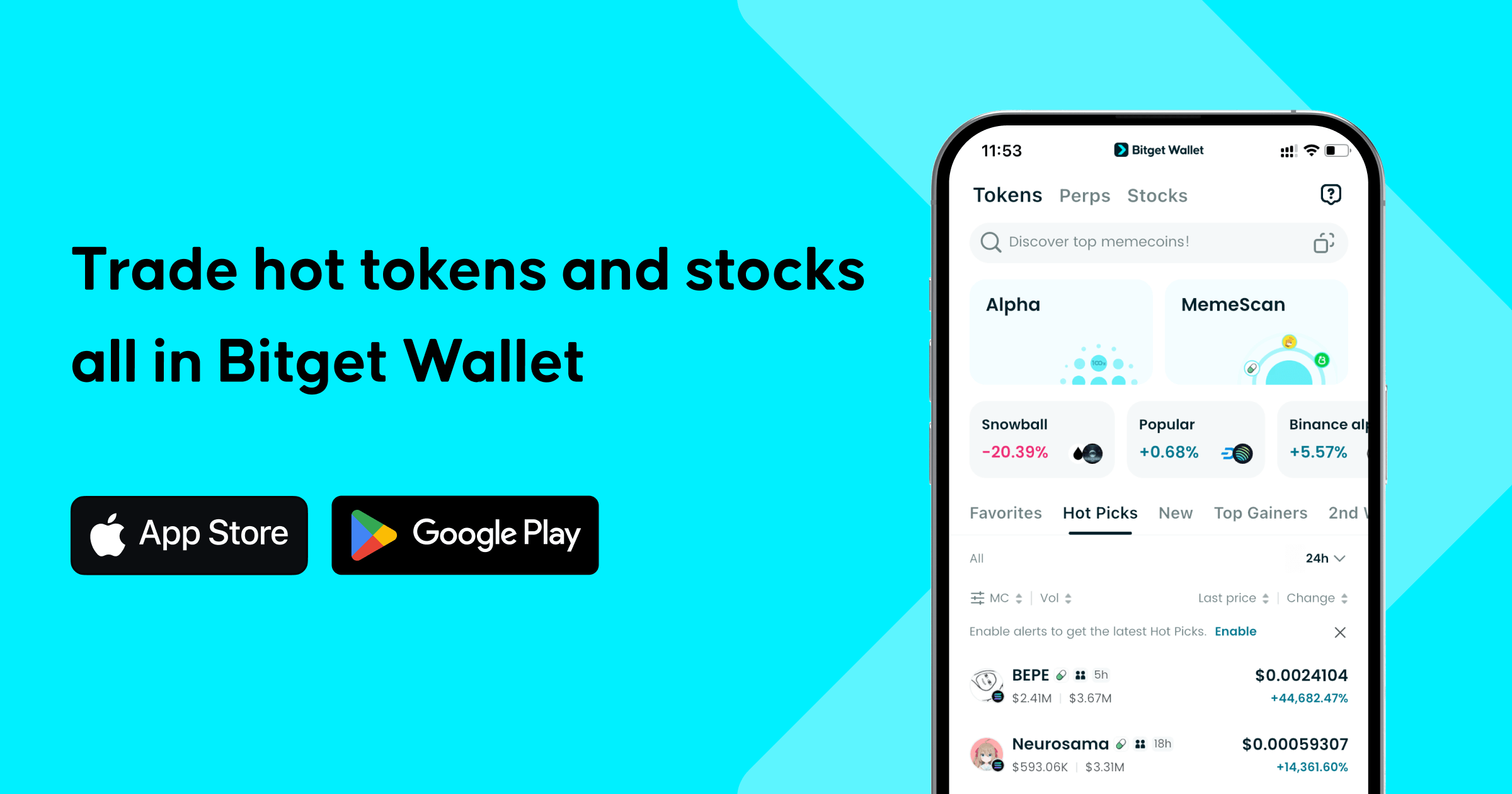
Step 1: Download Bitget Wallet from Official Sources
- Visit the official website or verified app stores Bitget Wallet
- Avoid third-party download links
- Confirm app authenticity before installation
Security begins with verified access.
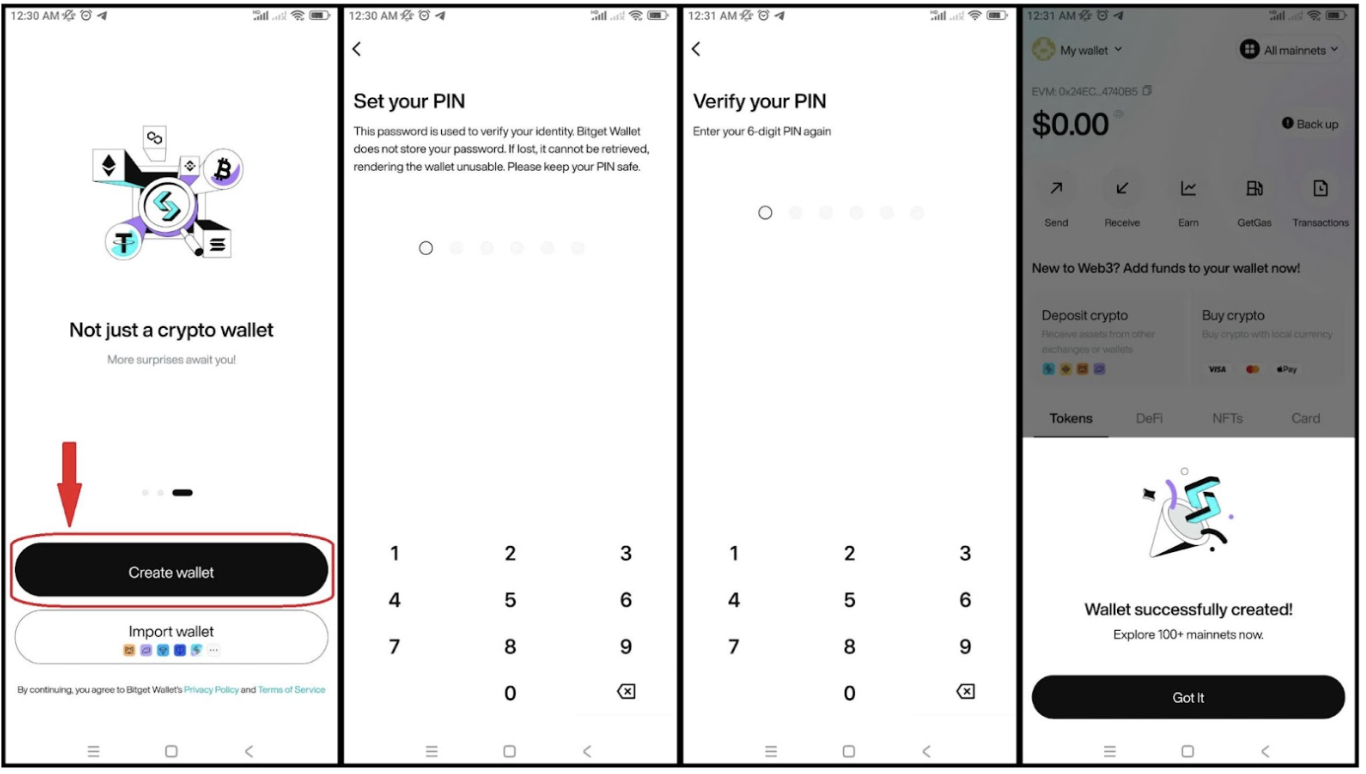
Step 2: Create or Import Your Wallet Securely
Because Bitget Wallet is non-custodial, you maintain full control of your private keys and assets.
- Generate a new wallet or import an existing one
- Safely back up your seed phrase offline
- Enable biometric or device-level security
Step 3: Deposit, Swap, or Bridge USDC Cross-Chain
Cross-chain management improves capital allocation flexibility and allows you to compare USDC yield rates across ecosystems.
- Transfer USDC from an exchange
- Swap tokens into USDC directly inside the wallet
- Bridge USDC across supported networks
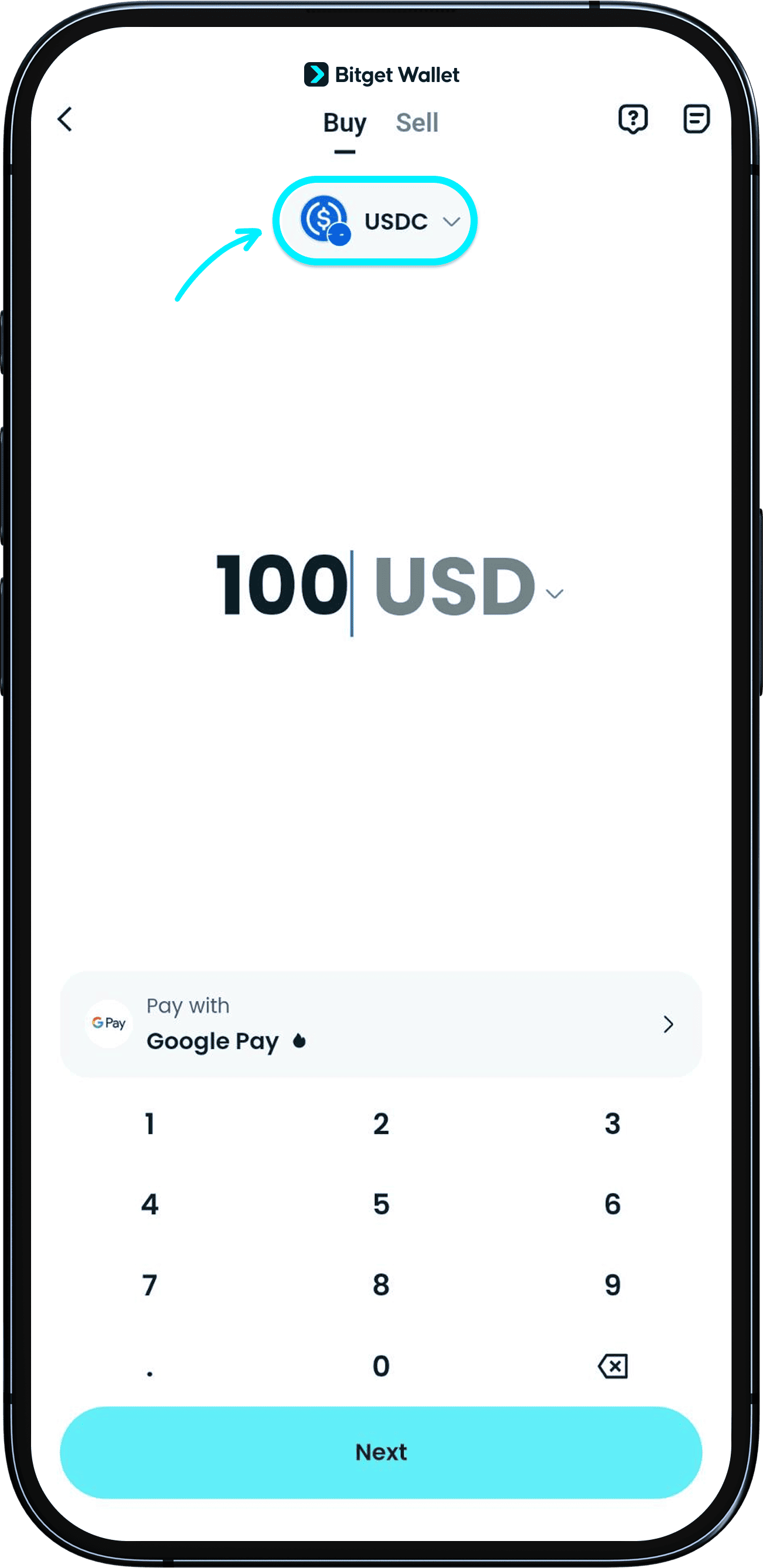
Step 4: Navigate to the Stablecoin Earn Section
The dashboard allows transparent evaluation of liquidity structure and rate sustainability.
- Access integrated Stablecoin Earn products
- Review available USDC yield strategies
- Compare lending-based and structured yield models
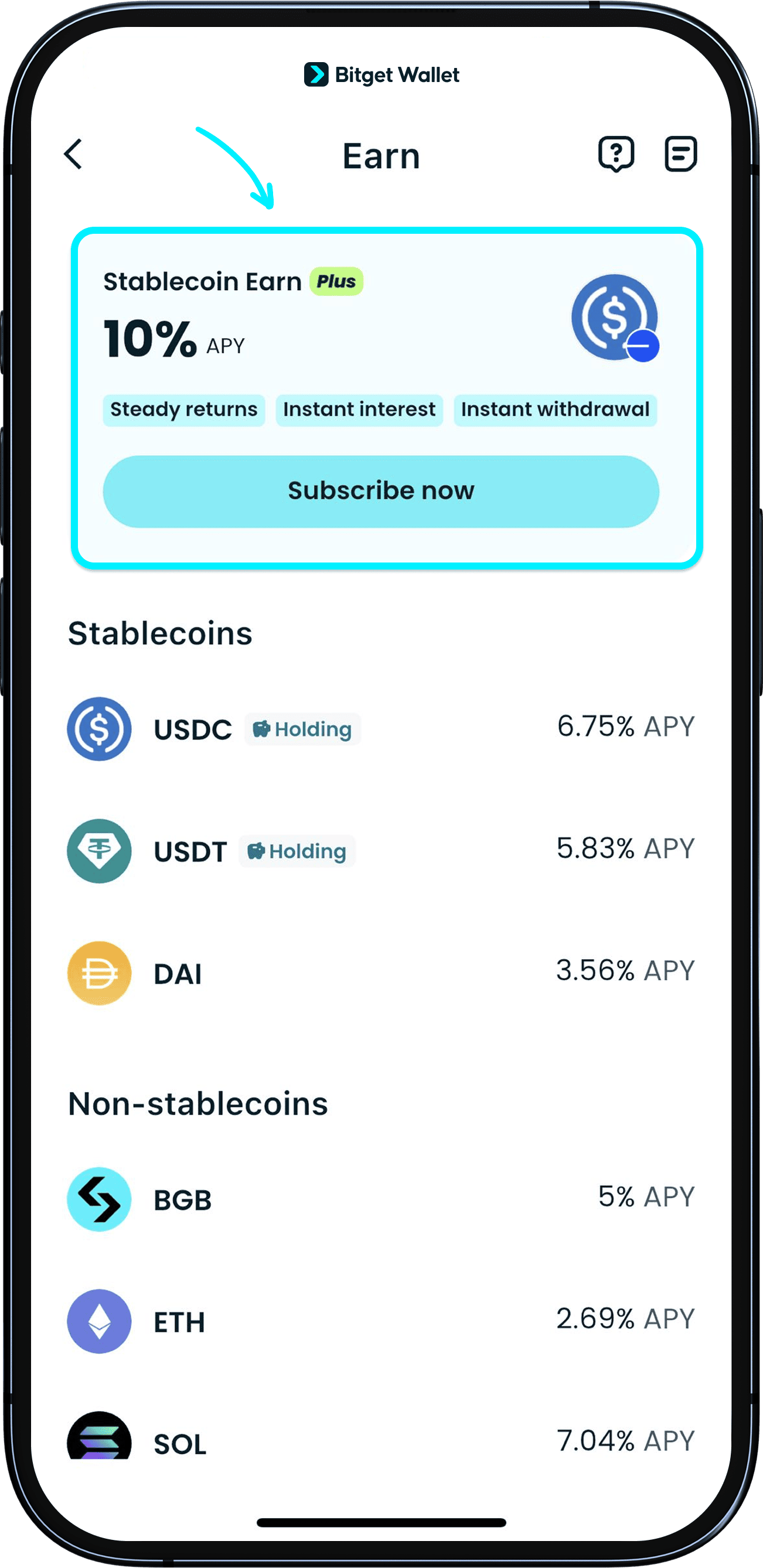
Step 5: Review USDC Yield Rates and Liquidity Terms
Before allocating capital:
- Check current USDC yield APY
- Understand whether yield is borrower-driven or incentive-driven
- Review lock-up periods and withdrawal flexibility
- Assess utilization levels and liquidity depth
A strong liquidity strategy ensures you balance return with redemption access.
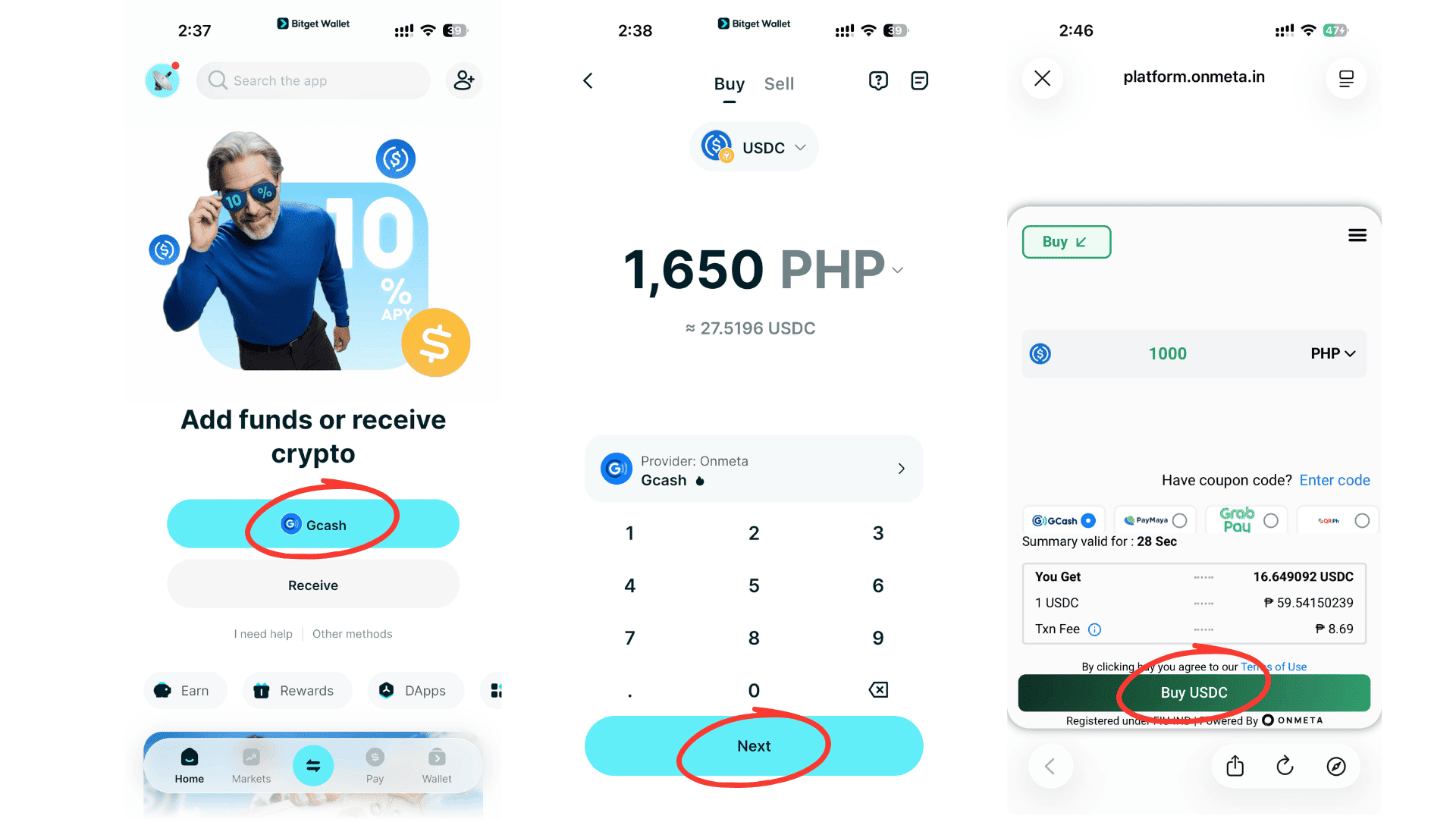
Step 6: Confirm Allocation and Monitor Returns
Because you retain custody, you maintain visibility and control at all times.
- Approve the transaction directly from your wallet
- Track real-time performance
- Monitor changes in USDC yield rates
- Adjust allocations as market conditions shift
Read more 👉 Explore Sustainable USDC Yield Strategies with Bitget Wallet
Related Reading on USDC Earn
If you're exploring USDC earn opportunities — from understanding APY mechanics to evaluating liquidity and smart contract exposure — these guides will help you assess yield potential and risks more clearly.
🔹 Understanding USDC & Stablecoin Basics
🔹 USDC Earn Explained
- USDC Earn Explained: A Complete Guide to Yield, APY, and Risk
- USDC Earn Returns: How to Evaluate APY, Liquidity, and Smart Contract Exposure
- USDC Yield: How to Earn Yield on USDC Safely in 2026?
- Best USDC Yield Strategies: How to Earn Stablecoin Interest?
- USDC Yield and Passive Income: How Much Capital Do You Need?
🔹 Stablecoin Earn Plus & Yield Options
- Stablecoin Earn Plus: What USDC Earn Is and How to Start Generating Yield
- Stablecoin Earn Plus: Earn Up to 10% APY with Flexible Withdrawals
Conclusion
Best USDC Yield Strategies are not defined by the highest advertised APY, but by sustainability, liquidity flexibility, and disciplined risk management.
While the highest USDC yield may appear attractive in the short term, long-term investors consistently outperform by prioritizing sustainable USDC yield backed by real borrowing demand and transparent revenue generation. Yield compression is a natural part of efficient markets — durability matters more than temporary spikes.
By participating responsibly through the Bitget Wallet ecosystem, investors can access secure, non-custodial yield infrastructure while maintaining full asset control. Integrated stablecoin tools, cross-chain management, and transparent rate monitoring provide a structured way to pursue sustainable returns.
As we move toward 2026, stablecoins are increasingly positioned as an on-chain fixed income layer within digital markets. Investors who prioritize capital efficiency, liquidity resilience, and disciplined risk evaluation will be best positioned to generate consistent, long-term USDC yield in evolving market cycles.
Sign up Bitget Wallet now - grab your $2 bonus!
FAQs
1. What is the return rate for USDC?
USDC yield rates vary depending on market conditions, borrowing demand, and the strategy used. Lending-based models typically fluctuate with utilization ratios, while incentive-driven strategies may temporarily offer higher returns. Rates compress and expand based on liquidity and macro cycles.
2. Can you earn stablecoin interest with USDC?
Yes. Investors can earn stablecoin interest by supplying USDC to lending protocols, structured products, or liquidity strategies. Yield is usually generated from borrower interest payments or protocol incentives.
3. Is USDC staking yield higher than lending?
USDC staking yield can sometimes appear higher than lending due to token incentives. However, staking often introduces additional smart contract exposure or liquidity constraints. Lending-based yield is typically more borrower-driven and may be more sustainable over time.
4. How to earn yield on USDC safely?
To earn yield on USDC safely:
- Use non-custodial infrastructure
- Evaluate smart contract risk
- Compare utilization ratios
- Review liquidity terms and lock-ups
- Avoid chasing unsustainably high APY
A risk-adjusted approach improves long-term outcomes.
5. What affects USDC yield rates?
USDC yield rates are influenced by:
- Borrowing demand and leverage cycles
- Utilization ratios in lending pools
- Macro interest rate environments
- Liquidity supply and capital inflows
- Incentive emissions
These factors determine whether yield expands or compresses.
6. Can you lose money with USDC yield?
Yes. Risks include smart contract exploits, liquidity constraints, counterparty defaults, and extreme market dislocations. Even stablecoin strategies require careful evaluation before allocating capital.
7. Is passive income with USDC sustainable long term?
Passive income with USDC can be sustainable if yield is driven by real borrowing demand and supported by strong infrastructure. A disciplined, capital-efficient strategy focused on liquidity management and risk assessment improves long-term stability.
Risk Disclosure
Please be aware that cryptocurrency trading involves high market risk. Bitget Wallet is not responsible for any trading losses incurred. Always perform your own research and trade responsibly.

 How to Buy USDAI in 2026: A Beginner’s Step-by-Step Guide to USD.ai2026-04-23 | 5 mins
- Cash Out USDC: How to Withdraw USDC to Bank Account?2026-03-03 | 5mins



